When architects and developers plan high-end commercial facades or private residential interiors, the selection of tinted glass often boils down to a balance between visual privacy, thermal control, and budget. Black tinted glass, specifically, has transitioned from a purely aesthetic choice to a functional requirement for solar heat gain reduction and contemporary minimalism.
The market fluctuates based on raw material costs, the complexity of the tinting process, and the additional processing required—such as tempering or laminating—to meet safety standards. Understanding what drives the black tinted glass price is essential for accurate project estimation and procurement.
This report examines the technical variables affecting costs, the performance trade-offs of different tinting methods, and how to evaluate value beyond the initial price per square meter.


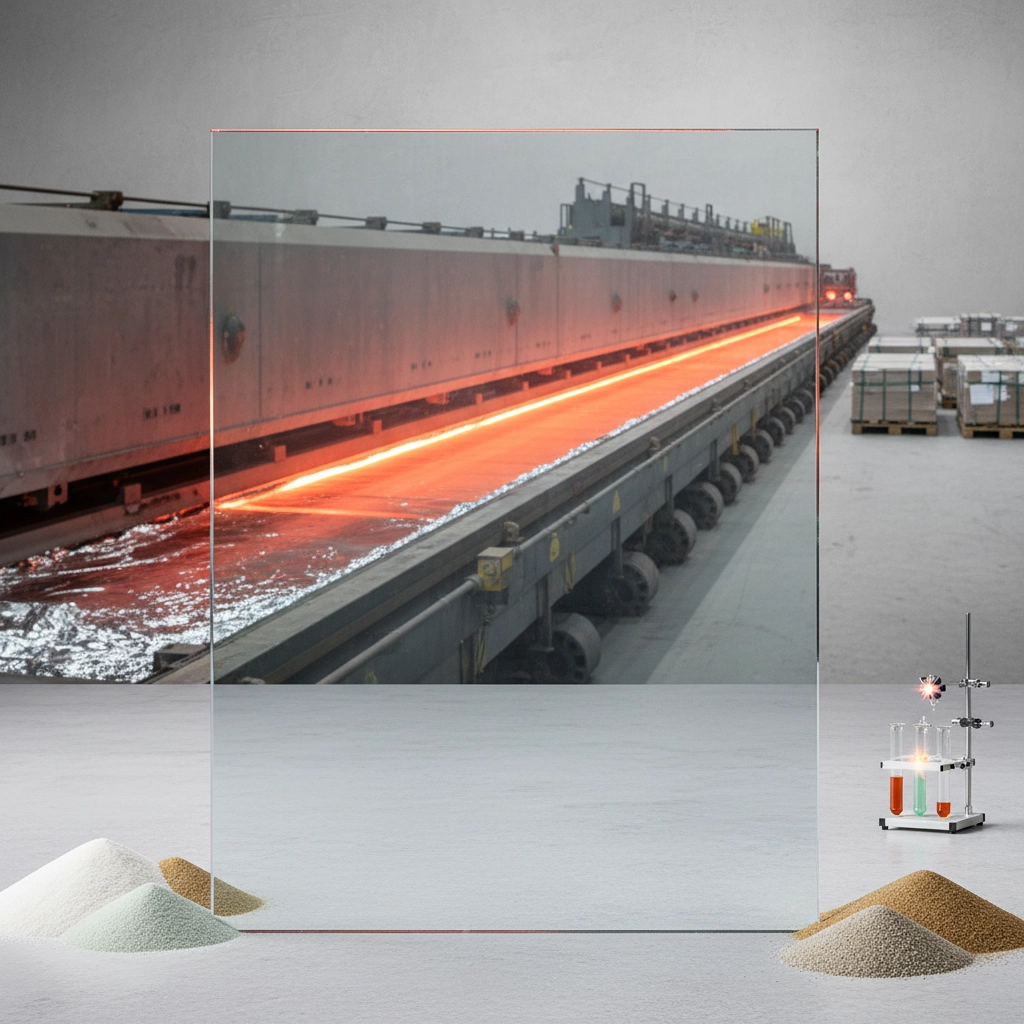
Unlike surface-coated films, black tinted glass is typically produced by adding metal oxides—such as iron or cobalt—directly into the molten glass batch. This process ensures that the color is consistent throughout the entire thickness of the pane, preventing the peeling or bubbling associated with aftermarket films.
The intensity of the "black" appearance depends on the concentration of these oxides. High-quality production requires precise temperature control and chemical balancing to avoid streaks or "waves" in the glass, which is a primary differentiator in high-end architectural glass.
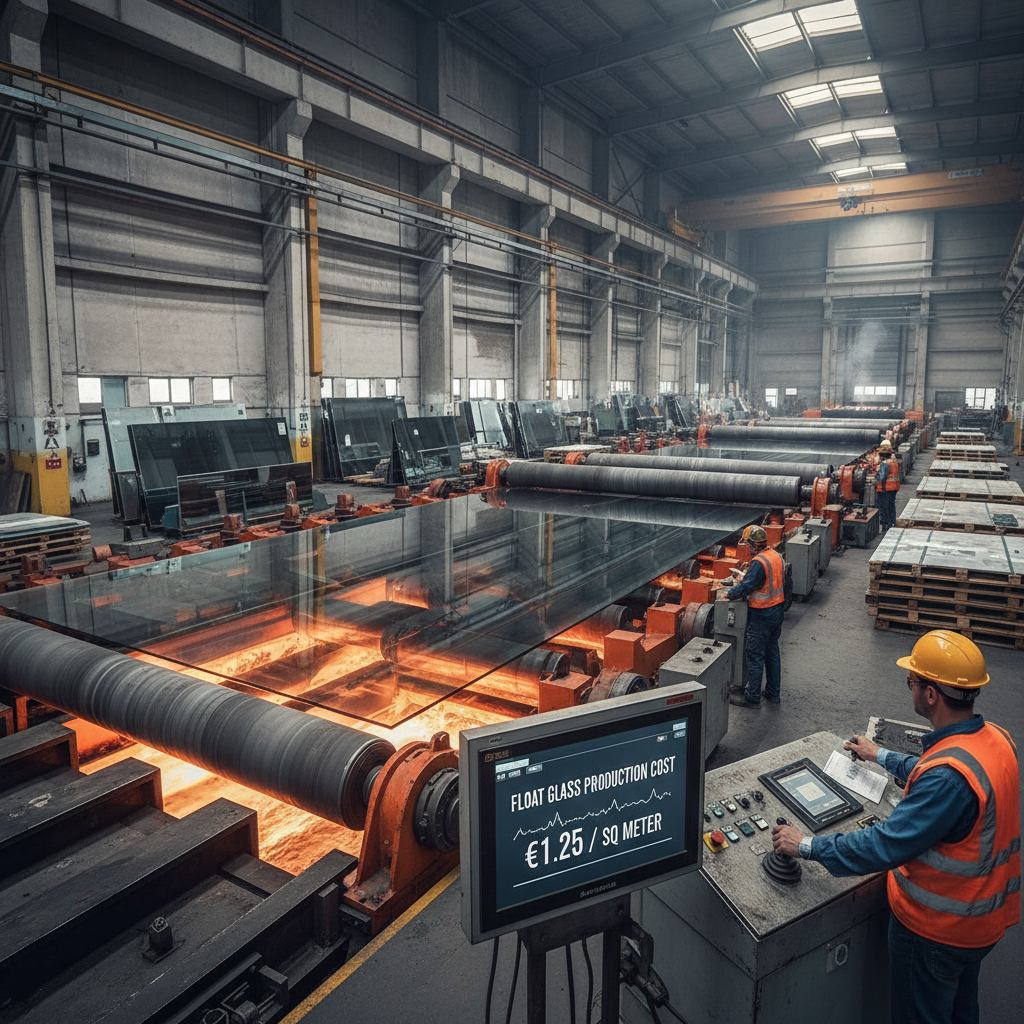
The primary driver of price is the raw material cost and the energy required for the float process. However, the base price of float glass is only the starting point. For black tinted glass, the cost escalates based on the required light transmission levels. Achieving a very deep, neutral black while maintaining structural integrity requires more precise chemical formulations.
Secondary processing adds significant value. For instance, tempering the glass to increase strength or laminating it for safety—bonding layers with PVB or EVA films—increases the cost but is mandatory for high-rise curtain walls or skylights. Laminated options provide added UV protection and sound insulation, effectively shifting the product from a simple aesthetic element to a safety component.
Logistics and volume also play a role. Large-format panes require specialized handling and transport, and the "waste factor" (breakage during cutting) is higher for custom-sized tinted glass compared to standard clear glass, which is factored into the final quote provided to the client.
Black tinted glass is frequently specified for its ability to absorb solar radiation. By reducing the amount of visible light and infrared energy that enters a building, it lowers the cooling load on HVAC systems, potentially reducing long-term operational costs.
The effectiveness of tinted glass depends on the balance between Light Transmission (LT) and the Solar Heat Gain Coefficient (SHGC). A lower SHGC indicates better heat rejection, which is the primary functional value of dark tints.
However, designers must be cautious of "heat soak." Because black glass absorbs more heat than clear glass, the temperature of the pane itself rises. If not properly tempered, this thermal stress can lead to spontaneous breakage. Professional manufacturers address this by utilizing rigorous tempering cycles to ensure the glass can withstand these temperature gradients.
Comparing the black tinted glass price purely on a per-square-meter basis can be misleading. A more accurate approach is to evaluate the "Value Index," which weighs the initial cost against the energy savings and safety benefits provided by the specific glass configuration.
For example, a simple tinted float glass has a low initial cost but provides minimal safety. In contrast, a black tinted laminated glass offers high security and UV protection, justifying a higher price point through reduced insurance risks and enhanced occupant safety.
In corporate architecture, black tinted glass is predominantly used in curtain walls to create a sleek, monolithic exterior while managing internal glare. For luxury retail, it is used in storefronts to create an exclusive atmosphere, limiting the visibility of the interior to passersby while maintaining a sophisticated aesthetic.
In residential settings, this glass is often integrated into shower enclosures or interior partitions. Here, the focus shifts toward privacy and moisture resistance. When using tinted glass in bathrooms, choosing tempered or laminated versions is critical to prevent injuries from self-explosion or accidental impact, adhering to strict safety standards.
The industry is moving away from simple colorants toward "smart" and high-performance coatings. While body-tinted glass remains the standard for stability, the integration of Low-E (low emissivity) coatings on tinted glass is becoming more common. This allows a building to have the dark aesthetic of black glass without sacrificing the thermal insulation properties.
Environmental regulations are also influencing production. Manufacturers are increasingly focusing on reducing carbon emissions during the melting process and optimizing the use of raw minerals. This shift toward "green" glass production may influence future pricing, as sustainable manufacturing processes often involve higher initial technology investments.
Furthermore, there is a growing demand for customizable opacity levels. Rather than a standard "black," architects are requesting specific light transmission percentages to fine-tune the interior ambiance, pushing manufacturers to implement more rigorous quality control and batch testing.
Selecting the right glass requires a trade-off analysis. A lower price often indicates a lack of secondary processing or a higher light transmission rate, which may not meet the project's privacy or safety requirements. Buyers should prioritize a "total cost of ownership" approach.
Working with an integrated supplier like the Wangmei Group can streamline this process. By controlling the full chain from float glass production to deep processing (tempering, laminating, and coating), the supplier can ensure color consistency across different batches and reduce the costs associated with multiple intermediaries.
The following table provides a selection framework for different project needs, comparing common configurations based on their typical utility and relative cost impact.
| Project Requirement | Recommended Type | Primary Benefit | Cost Impact |
|---|---|---|---|
| Budget Interior Partition | Tinted Float | Visual Aesthetics | Low |
| High-Rise Exterior | Tinted Tempered | Thermal Strength | Medium |
| Overhead Skylights | Tinted Laminated | Fragmentation Safety | High |
| Energy Efficient Facade | Low-E Tinted | Thermal Insulation | High |
| Private Bathroom/Shower | Tinted Tempered | Safety/Privacy | Medium |
| Sound-Sensitive Areas | PVB Laminated | Acoustic Dampening | High |
Body-tinted glass is created by adding metal oxides into the molten glass, making the color consistent through the entire thickness. Surface-tinted glass uses a coating or film applied to the surface. Body-tinted glass is more durable, does not peel or fade over time, and is generally preferred for architectural applications where longevity is critical.
The tinting process itself adds a moderate cost compared to clear glass due to the specialized additives and stricter quality control. However, the most significant price increases come from secondary processing like tempering or laminating, which are often necessary for tinted glass to handle the increased thermal absorption from solar radiation.
Yes, but it must be laminated. Laminated black glass uses an interlayer (like PVB or SGP) that holds glass fragments in place if the pane breaks. This is a mandatory safety requirement for skylights and high-altitude windows to prevent falling glass shards from causing injury.
Black tinting reduces the Visible Light Transmission (VLT). Depending on the concentration of the tint, it can significantly darken a room, which reduces glare and provides privacy but may increase the need for artificial lighting during the day. Specifying a precise VLT percentage is key during the design phase.
Because dark colors absorb more solar energy than clear glass, the temperature of the glass increases more rapidly. This can create thermal stress. To mitigate this risk, it is highly recommended to use tempered glass for any black tinted application exposed to direct sunlight.
The most cost-effective method is to source from a manufacturer with a comprehensive industrial chain. Suppliers who produce their own float glass and handle the subsequent tempering and laminating in-house can reduce logistics costs and ensure better color consistency across large orders.
Determining the true value of black tinted glass requires looking beyond the initial price per square meter. By balancing the aesthetic appeal of a deep black finish with the technical requirements of thermal stress management and safety certifications, developers can create structures that are both visually striking and operationally efficient.
As the industry moves toward more sustainable and "smart" glass solutions, the integration of Low-E coatings and laminated safety layers will continue to be the benchmark for high-quality architectural procurement. Choosing a partner with integrated production capabilities ensures that these complex technical requirements are met without compromising on consistency or budget.