When sourcing glass for modern architectural projects, the balance between natural light transmission and solar heat gain often becomes a critical engineering challenge. Many procurement managers seek tinted glass china as a viable solution to reduce glare and improve energy efficiency without sacrificing the aesthetic transparency of a building's facade. However, the technical distinction between basic body-tinted glass and high-performance coated alternatives is often overlooked, leading to suboptimal thermal performance in extreme climates.
The selection of the right glass type directly impacts a building's operational costs and occupant comfort. In the context of the broader flat glass manufacturing industry, integrating tinted solutions with other processed options—such as Laminated Glass or Insulated Glass—allows architects to create multi-functional barriers that provide safety, sound insulation, and UV protection. Understanding the relationship between light absorption and heat rejection is essential for those designing high-rise office buildings or expansive commercial showrooms where solar radiation is a primary concern.
This analysis examines the technical parameters and procurement logic behind selecting high-quality solar control glass. By evaluating material composition and application scenarios, we aim to provide a professional framework for identifying the most durable and efficient options. For those evaluating professional manufacturing standards, tinted glass china offers a strategic combination of scalable production and adherence to international quality certifications.


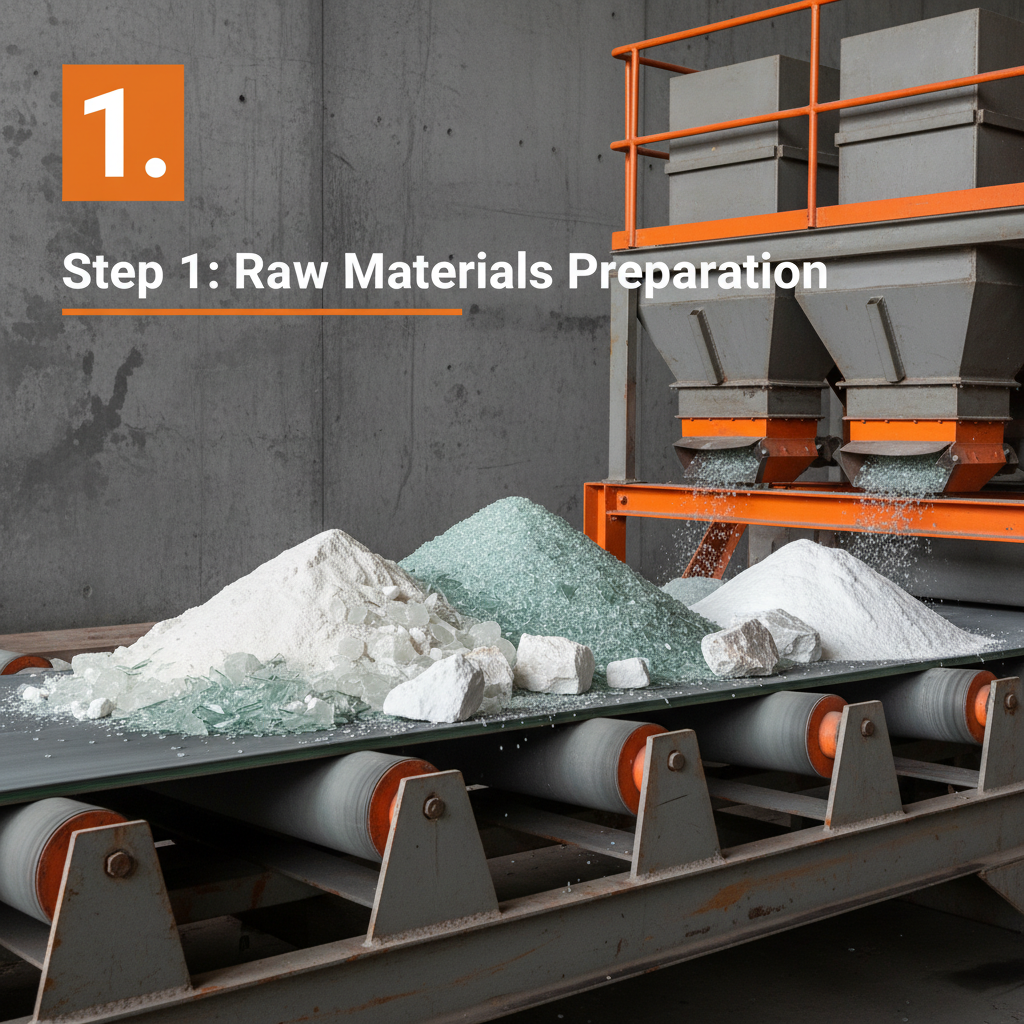
Body-tinted glass is produced by adding metal oxides to the molten glass raw materials during the float process. Unlike surface coatings, the color is integrated throughout the entire thickness of the pane, ensuring that the tint remains consistent even if the glass is cut, drilled, or polished. Common oxides include iron for green tones, cobalt for blue, and selenium for bronze, each affecting the spectrum of light absorption differently.
The primary technical goal of this process is to reduce the amount of solar energy that enters a building. By absorbing a portion of the infrared and visible light spectrum, the glass minimizes the heat load on HVAC systems. This fundamental property makes it an essential precursor for further processing into Tempered Glass or Insulated Glass units, where safety and thermal barriers are required simultaneously.
The Solar Heat Gain Coefficient (SHGC) is the most critical metric when evaluating tinted glass. It represents the fraction of incident solar radiation that enters the building. Several variables influence this value, most notably the concentration of metal oxides and the thickness of the glass. A higher concentration of tint typically results in a lower SHGC, effectively blocking more heat but also reducing the Visible Light Transmission (VLT).
The optimal balance is achieved when the glass provides sufficient shade to prevent overheating while maintaining enough VLT to reduce the reliance on artificial indoor lighting, thereby lowering the overall carbon footprint of the structure.
Furthermore, the interaction between the tint and secondary treatments—such as the addition of PVB or EVA films in Laminated Glass—can further enhance UV protection. This synergy is vital for museums or high-end retail spaces where preventing the fading of exhibits is as important as managing the indoor temperature. Professional manufacturers ensure that these variables are tightly controlled to meet specific project requirements.
In large-scale commercial developments, the use of tinted glass is rarely a standalone choice; it is integrated into a systemic approach to energy management. By combining tinted float glass with insulating gas fills in Insulated Glass units, developers can achieve a significant reduction in U-value (thermal transmittance). This prevents heat from escaping during winter and entering during summer, creating a stable internal climate.
When comparing different tint levels, the decision is usually driven by the building's geographic orientation. North-facing facades may utilize lighter tints to maximize available daylight, while West-facing walls require deeper tints or high-performance coatings to combat the intense afternoon sun. The following data illustrates the relative impact of different tint densities on solar heat rejection.
The versatility of tinted glass allows it to serve diverse functions across multiple sectors. In automotive and rail transit, tinted glass is mandatory for front windshields and passenger windows to reduce driver fatigue from glare and protect passengers from UV radiation. In these scenarios, the glass is almost always processed into Laminated Glass to ensure that fragments adhere to the interlayer during a collision, preventing splash injuries.
In architectural contexts, tinted glass is frequently deployed in curtain walls for shopping malls and office towers. Its ability to combine aesthetics with impact resistance makes it a preferred choice for high-rise exteriors. Additionally, in interior design, it is used for partitions in hotels and corporate offices to provide a degree of privacy and visual sophistication while still allowing the flow of natural light throughout the floor plan.
The glass industry is currently undergoing a transition toward a green development model, focusing on the reduction of carbon dioxide emissions. Modern manufacturing processes now emphasize the use of energy-efficient furnaces and the integration of recycled cullet into the float glass production line. This shift is not merely regulatory but is driven by the global demand for sustainable building materials that contribute to LEED or BREEAM certifications.
Innovation in the field is now centering on "smart" glass and advanced coated glass solutions. These technologies allow for dynamic control of light and heat, potentially reducing the energy consumption of a building's climate control system by another 15-20%. The integration of high-performance tints with low-emissivity (Low-E) coatings is becoming the standard for high-end architectural projects worldwide.
As a result, the procurement criteria have shifted from simple cost-per-square-meter to a total lifecycle value analysis. Buyers are increasingly looking for suppliers who can provide verified certifications—such as ISO9001 and environmental management certifications—to ensure that the glass produced meets both the technical specifications and the ethical standards of sustainable construction.
Integrating tinted glass into a complex building envelope involves several technical challenges, primarily related to thermal stress. Because tinted glass absorbs more solar energy than clear glass, it can reach higher surface temperatures. If the glass is not properly tempered, this temperature differential between the center and the edges can lead to thermal fracture. This is why tempering is an essential step for any tinted glass used in large facades.
Another challenge is the consistency of color across different production batches. For a large-scale project, a slight variation in the bronze or grey tone can be visually jarring. Maintaining strict control over the raw material mix and the cooling speed in the float bath is the only way to ensure color uniformity across thousands of square meters of glass.
Finally, the compatibility between the tint and various interlayers in laminated glass must be verified. Certain films may shift the perceived color of the glass or affect its UV-blocking capabilities. A professional approach involves rigorous testing of the composite structure to ensure that the final product meets the safety, sound insulation, and thermal requirements of the specific application.
| Glass Type | Primary Benefit | Thermal Risk | Ideal Scenario |
|---|---|---|---|
| Float Tinted | Solar Control | Moderate | Interior Partitions |
| Tempered Tinted | Safety/Strength | Low | Exterior Facades |
| Laminated Tinted | Security/UV | Low | Skylights/Windshields |
| Insulated Tinted | Heat Insulation | Low | Climate-Extreme Areas |
| Coated Tinted | Max Efficiency | Low | Green Buildings |
| Mirror Tinted | Privacy/Reflect | High | Decorative Exteriors |
Body-tinted glass has color additives mixed throughout the entire glass mass during production, meaning the tint is permanent and uniform. Coated glass, however, has a thin metallic or oxide layer applied to the surface. While body-tinting is excellent for general glare reduction, coatings are typically more efficient at reflecting specific wavelengths of infrared heat while allowing more visible light to pass through.
Not always, but it is highly recommended for exterior use. Because tinted glass absorbs more solar radiation than clear glass, it is more susceptible to thermal stress. Tempering the glass increases its strength and resistance to thermal shock, significantly reducing the risk of spontaneous breakage in areas with high sun exposure.
It reduces the Solar Heat Gain Coefficient (SHGC), which means less heat enters the building during the summer. This directly lowers the energy required for air conditioning. When used as part of an Insulated Glass unit, it also helps maintain a consistent indoor temperature, reducing overall HVAC operational costs.
The tint itself does not provide sound insulation, but tinted glass is frequently used as the base for Laminated Glass. The intermediate films (such as PVB) in laminated structures are highly effective at absorbing sound waves, making tinted laminated glass an ideal choice for buildings near airports or high-speed railways.
Most body-tints provide a baseline level of UV protection, but deeper tints like grey or bronze generally block more radiation than light green. For maximum protection, tinted glass should be combined with a UV-resistant interlayer in a laminated configuration, which can block up to 99% of harmful ultraviolet rays.
Prioritize suppliers with comprehensive industrial chains and verified international certifications (such as ISO9001 or CE). Check for their capacity to provide one-stop procurement—from raw float glass to deep-processed products like tempered or laminated glass—as this ensures better quality control and reduces logistical costs.
Selecting the appropriate tinted glass requires a technical understanding of the trade-off between light transmission and heat rejection. By prioritizing materials that align with the building's orientation and the local climate, architects can significantly enhance both the sustainability and the aesthetic value of a project. The integration of body-tinted glass into processed systems—such as insulated or laminated units—remains the most effective way to achieve high safety standards and energy efficiency simultaneously.
For procurement professionals seeking a reliable partner with an established track record in high-quality float and processed glass, evaluating the production capacity and certification history of the manufacturer is key. For tailored consulting on glass specifications and high-performance solutions, you may explore the professional capabilities available at www.wangmeiglass.com to ensure your project meets all technical and environmental benchmarks.