The global demand for high-quality architectural surfaces has led to a significant surge in the adoption of mirror float glass, a material that seamlessly blends functional utility with aesthetic brilliance. By utilizing the float process to create a perfectly flat substrate before applying a reflective silver coating, this specialized glass provides the unparalleled clarity and distortion-free reflection required for modern interior design and industrial applications.
Understanding the technical nuances of mirror float glass is essential for architects and developers who aim to maximize natural light and create a sense of spatial expansion within urban environments. As global urbanization continues to accelerate, the ability to integrate sustainable, durable, and reflective materials into building facades and interiors has become a benchmark for high-end construction standards.
From luxury hospitality projects to residential renovations, the versatility of mirror float glass allows for a wide range of customizations, including tinted reflections and enhanced moisture resistance. By choosing the right grade of float glass, stakeholders can ensure long-term reliability, reducing maintenance costs while elevating the overall visual prestige of the structural environment.
The Fundamentals of Mirror Float Glass Production
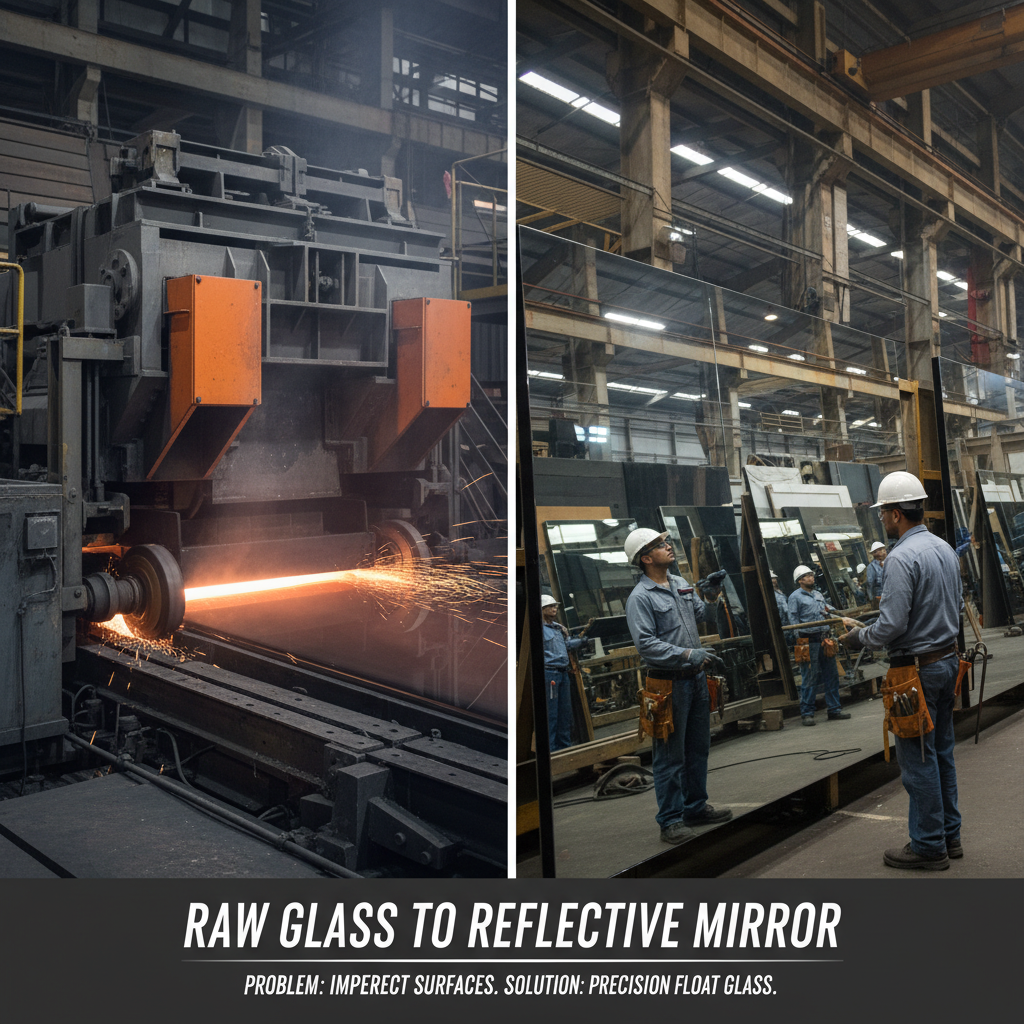
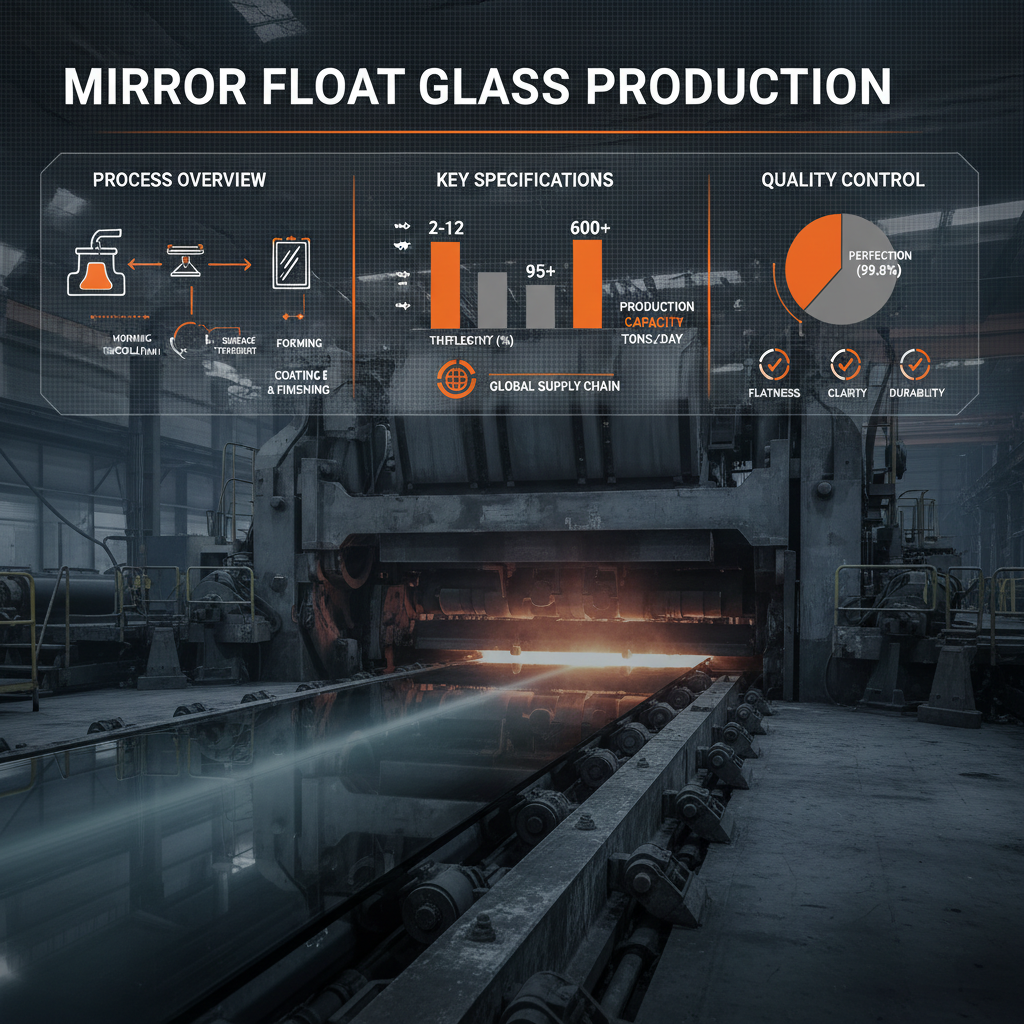
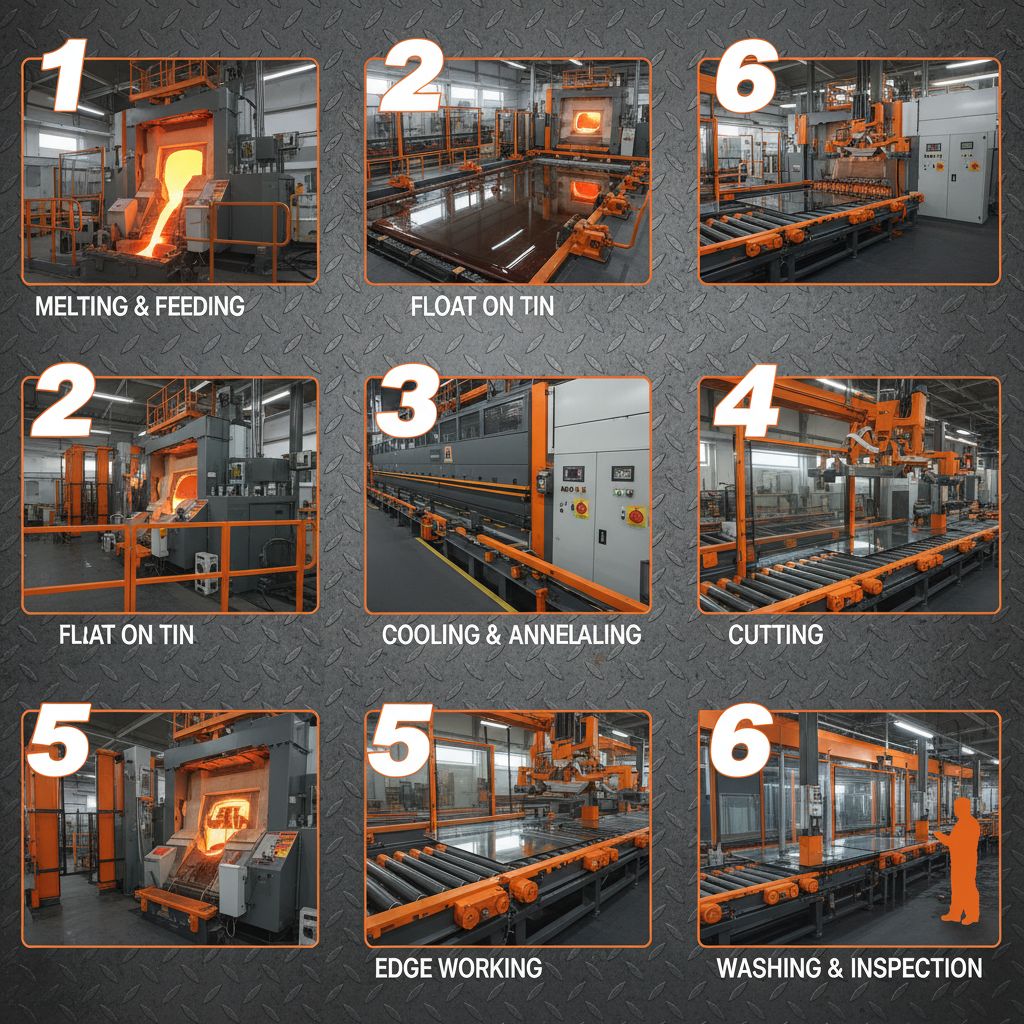
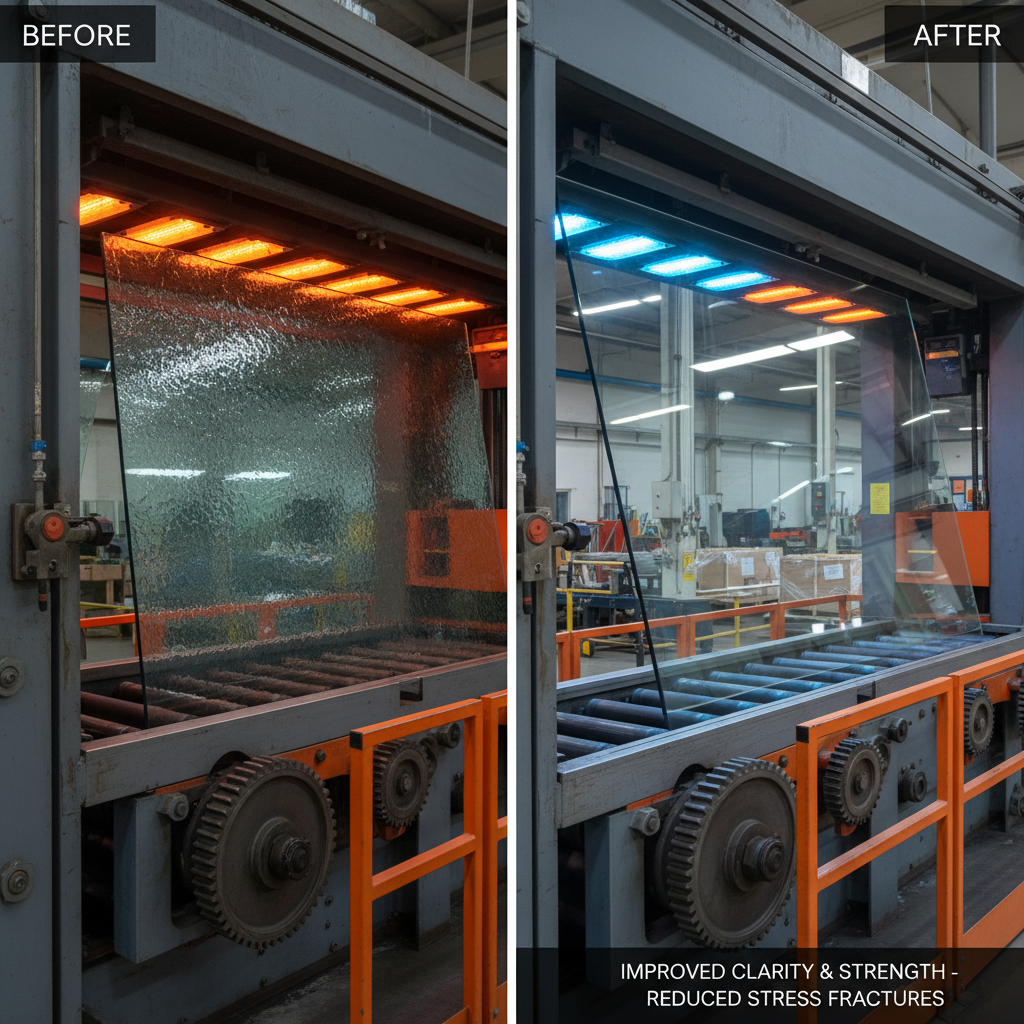
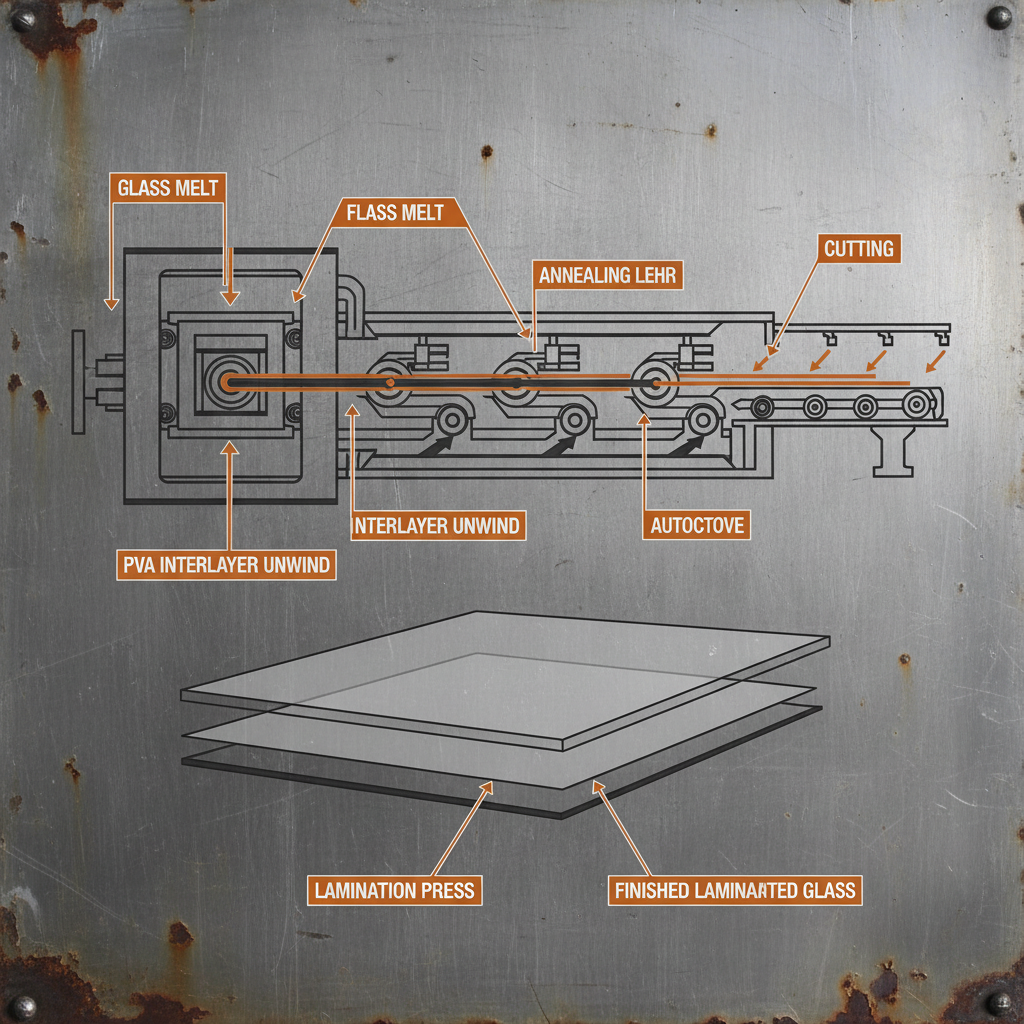
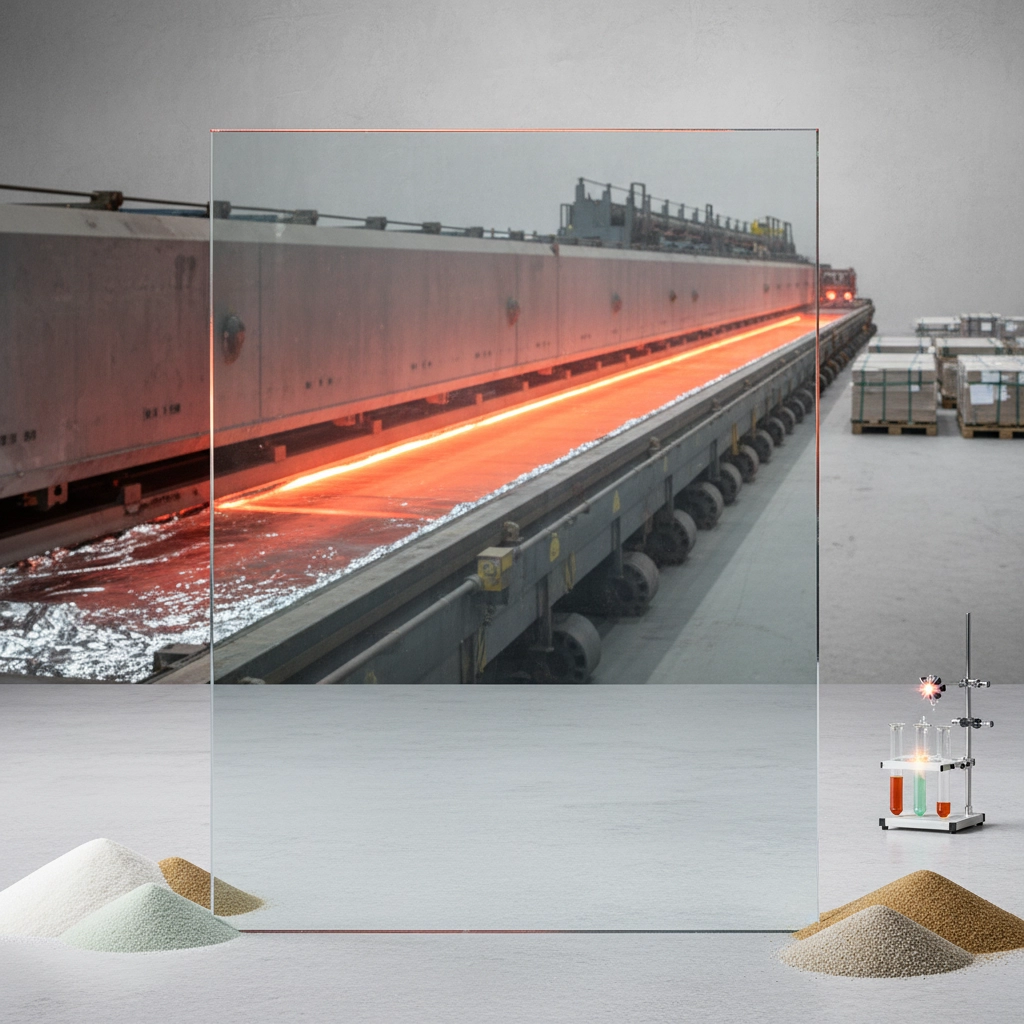
The production of mirror float glass begins with the float process, where molten glass is poured onto a bed of molten tin. This allows the glass to spread uniformly, achieving a surface flatness that is physically impossible with other casting methods. Once the glass has cooled and solidified, it undergoes a rigorous cleaning process to remove any microscopic contaminants that could interfere with the silvering stage.
The reflective property is achieved through a chemical process called "silvering," where a thin layer of silver nitrate is sprayed onto the glass surface. This layer is then protected by several coats of copper and specialized paint to prevent oxidation. The result is a high-precision mirror that maintains structural integrity while providing a crystal-clear reflection, making it the gold standard for professional installations.
Global Market Relevance and Industry Standards
In the current global construction landscape, mirror float glass has evolved from a simple decorative element into a critical component of energy-efficient architectural design. According to ISO standards for glass quality, the flatness and optical clarity of float-based mirrors are essential for reducing visual distortion in large-scale installations. In regions like North America and the EU, there is an increasing push toward "green" glass manufacturing, forcing producers to optimize the silvering process to be more environmentally friendly.
The industrial challenge lies in balancing mass production with the stringent purity requirements of high-end mirror float glass. Impurities in the base glass can lead to "black spots" or degradation of the reflective layer over time, particularly in humid climates. To combat this, manufacturers are adopting advanced automation and closed-loop filtration systems to ensure that every square meter of glass meets international quality benchmarks.
Furthermore, the rise of smart cities has integrated reflective glass into urban planning to manage light pollution and heat islands. By strategically utilizing mirror float glass in exterior cladding, architects can reflect sunlight away from heat-absorbing surfaces, effectively lowering the ambient temperature of building exteriors and reducing the energy load on HVAC systems.
Core Components of High-Reflectivity Glass
The primary strength of mirror float glass lies in its substrate purity. The use of low-iron float glass as a base minimizes the natural greenish tint found in standard glass, allowing for a more accurate and vivid color reproduction in the reflected image.
Durability is another core component, achieved through the application of advanced protective backings. These coatings act as a barrier against moisture and corrosive agents, ensuring that the silver layer of the mirror float glass remains intact even when exposed to the damp conditions typically found in bathrooms or gymnasiums.
Scalability in production is enabled by the continuous nature of the float line. This allows for the creation of massive sheets of mirror float glass that can be custom-cut to fit expansive wall installations without the need for unsightly seams or joins, maintaining a seamless visual flow.
Performance Analysis and Comparative Efficiency
When evaluating the effectiveness of reflective materials, the light transmission and reflection coefficient are the most critical metrics. Mirror float glass outperforms traditional polished mirrors in terms of surface uniformity, which eliminates the "funhouse" effect often seen in lower-quality alternatives. This precision is vital for specialized applications such as telescopes, medical imaging, and high-end retail displays.
Moreover, the cost-to-performance ratio of mirror float glass makes it an attractive option for large-scale commercial projects. While the initial investment in high-grade silvering is higher than plastic alternatives, the lifespan and resistance to scratching provide a significantly lower total cost of ownership over a ten-year period.
Performance Comparison of Mirror Float Glass Variants
Real-World Applications and Regional Use Cases
In the hospitality industry across Southeast Asia, mirror float glass is frequently utilized in hotel lobbies and corridors to create an illusion of luxury and space. By installing floor-to-ceiling mirrored panels, designers can double the perceived size of a room while amplifying the ambient lighting, which is particularly effective in narrow corridors.
In the industrial sector of Northern Europe, mirror float glass is applied in the construction of solar concentrators and specialized lighting arrays. These applications require an extremely high degree of reflectivity and thermal stability, ensuring that sunlight is focused precisely to generate energy or illuminate deep industrial zones where natural light cannot reach.
Long-Term Value and Sustainability Benefits
The long-term value of investing in high-quality mirror float glass extends beyond aesthetics to the realm of sustainability. Because of its inherent durability and resistance to wear, it reduces the frequency of replacement, thereby lowering the volume of glass waste entering landfills. Many modern producers are also implementing recycling programs for the float glass cullet, creating a circular economy within the manufacturing process.
From a logical perspective, the use of mirrored surfaces can lead to a reduction in electrical energy consumption. By strategically placing mirrors to reflect daylight deeper into a building's core, the reliance on artificial lighting is diminished. This not only lowers operational costs for the building owner but also improves the psychological well-being of the occupants by increasing exposure to natural light.
Moreover, the emotional impact of a well-designed mirrored space cannot be overlooked. The clarity and brightness provided by premium mirror float glass evoke feelings of openness and cleanliness, which are essential for trust-building in commercial environments like high-end clinics, luxury boutiques, and corporate headquarters.
Future Innovations in Reflective Glass Technology
The future of mirror float glass is being shaped by the integration of "smart" technologies. We are seeing the emergence of switchable mirrored glass, which can transition from a transparent state to a reflective state at the flip of a switch using electrochromic layers. This innovation allows for dynamic privacy control in office partitions and residential bedrooms without sacrificing the light-enhancing properties of the glass.
Sustainability is also driving the development of copper-free silvering processes. Traditional mirrors often used copper as a stabilizing layer, but new organic coatings are providing equivalent protection without the environmental toll of heavy metal mining. This transition makes mirror float glass more compatible with stringent LEED and BREEAM certification requirements for green buildings.
Automation and AI are also optimizing the quality control phase. High-resolution laser scanning systems can now detect imperfections in the silver layer that are invisible to the human eye, ensuring that every piece of glass delivered to the site is flawless. This reduces installation time and eliminates the risk of on-site rejects, further streamlining the construction workflow.
Comparison of Mirror Float Glass Technology Evolutions
| Technology Era |
Silvering Method |
Eco-Impact Score (1-10) |
Primary Use Case |
| Traditional Float |
Copper-Silver Layer |
4 |
Standard Home Mirrors |
| Low-Iron Era |
High-Purity Silvering |
6 |
Luxury Retail Displays |
| Eco-Friendly Shift |
Copper-Free Process |
9 |
Green Certified Buildings |
| Smart Glass Era |
Electrochromic Coating |
8 |
Interactive Architecture |
| Industrial Grade |
Vacuum Deposition |
7 |
Solar Concentrators |
| Next-Gen Nano |
Nano-Silver Layers |
10 |
Medical Imaging Gear |
FAQS
Mirror float glass uses the float process to ensure a perfectly flat, distortion-free surface before the silvering process. Standard mirrors may be made from cast glass or lower-grade float glass, which can lead to slight warping or "waves" in the reflection. For professional architectural applications, mirror float glass is the preferred choice due to its superior optical precision.
Yes, provided it is treated with a high-quality protective backing. Professional-grade mirror float glass is coated with multiple layers of paint and sealant that prevent moisture from penetrating the silver layer and causing oxidation (black edges). We recommend using "copper-free" versions for maximum corrosion resistance in humid environments.
To maintain the clarity of mirror float glass, avoid using abrasive scrubbers or ammonia-based cleaners that can seep behind the edges and damage the silvering. Use a microfiber cloth with a mild, pH-neutral glass cleaner. Always spray the cloth rather than the glass directly to prevent liquid from pooling at the edges.
Yes, but the order of operations is critical. The glass must be tempered first to ensure safety (so it breaks into small granules), and then the silvering process is applied to the surface. This results in a safety mirror that is ideal for gyms, public spaces, and children's rooms where impact resistance is mandatory.
Standard glass contains iron oxide, which gives it a slight green tint. Low-iron mirror float glass removes these impurities, resulting in a completely neutral reflection with truer colors. This is highly valued in luxury retail, art galleries, and high-end interiors where color accuracy is paramount, hence the premium price point.
Check for "ghosting" or distortion by standing back and looking at a straight line reflected in the mirror. If the line remains perfectly straight across the entire surface, the float process was successful. Additionally, high-quality mirrors will have a uniform color across the surface without any visible streaks or pinholes in the silver layer.
Conclusion
Mirror float glass represents the perfect intersection of industrial precision and aesthetic luxury. From its foundation in the float process to the advanced chemical silvering that provides its reflective brilliance, this material has become indispensable in modern architecture. By addressing the critical needs of clarity, durability, and spatial enhancement, it provides a tangible value that transcends simple decoration, contributing to energy efficiency and urban well-being.
As we look toward a future of smart cities and sustainable building, the evolution of mirror float glass—through copper-free coatings and electrochromic integration—will continue to redefine how we interact with light and space. For developers and designers, investing in premium reflective glass is not just a stylistic choice, but a strategic decision for long-term structural value. Explore our full range of high-performance solutions by visiting our website: www.wangmeiglass.com.