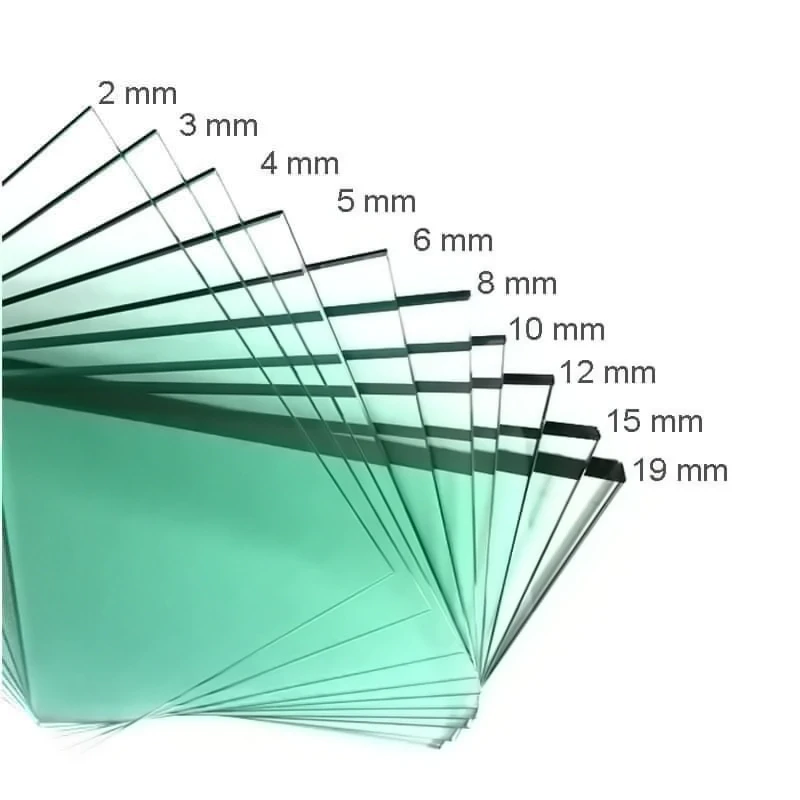
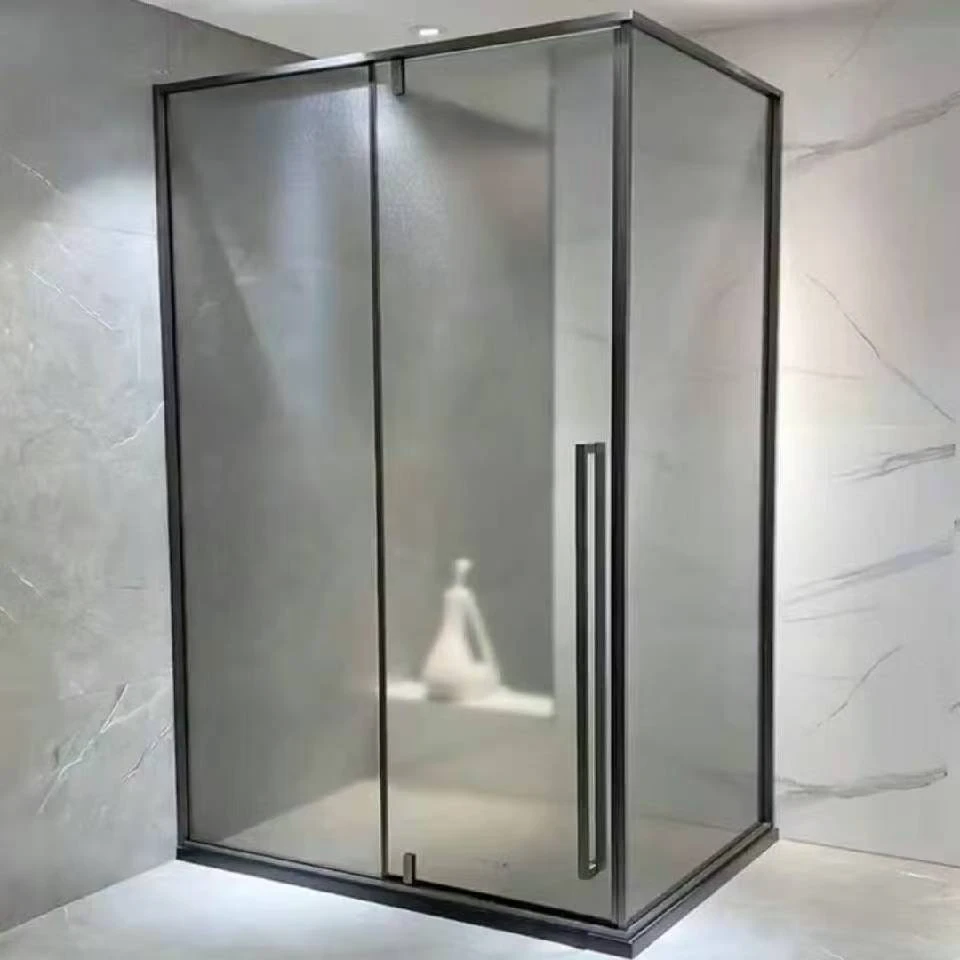
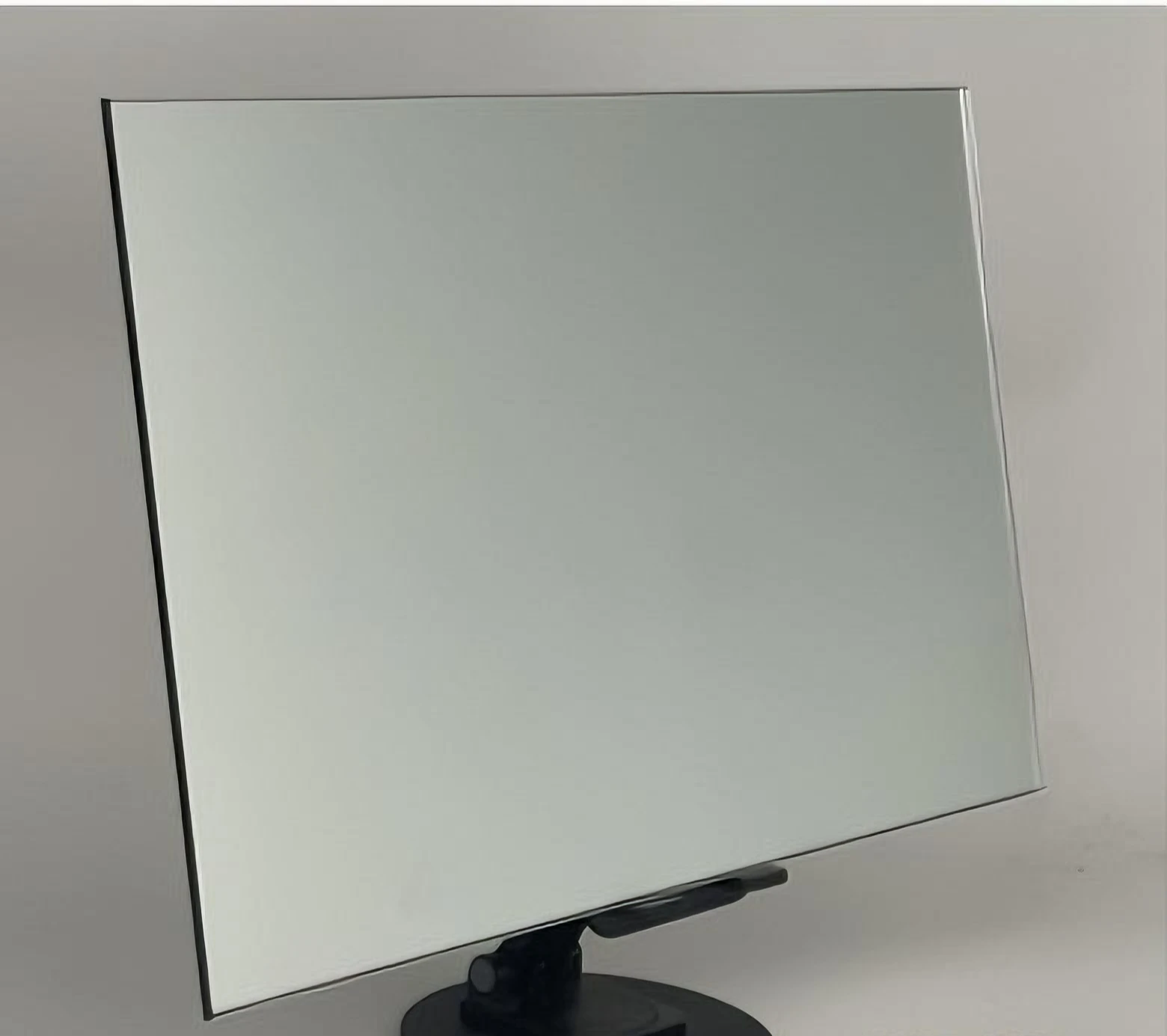
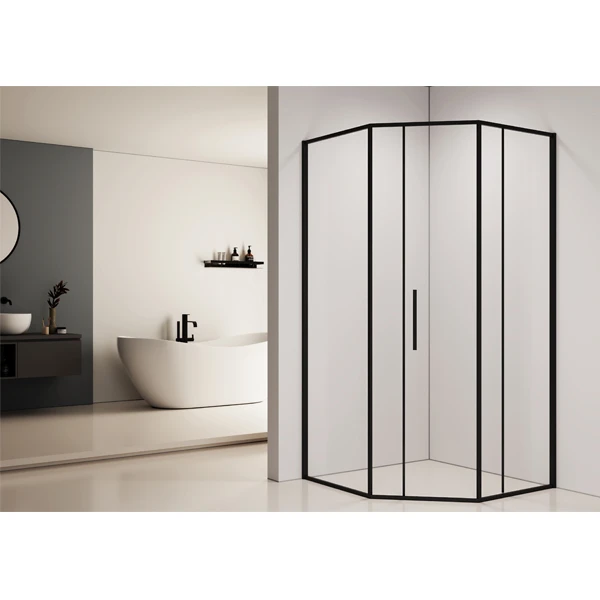
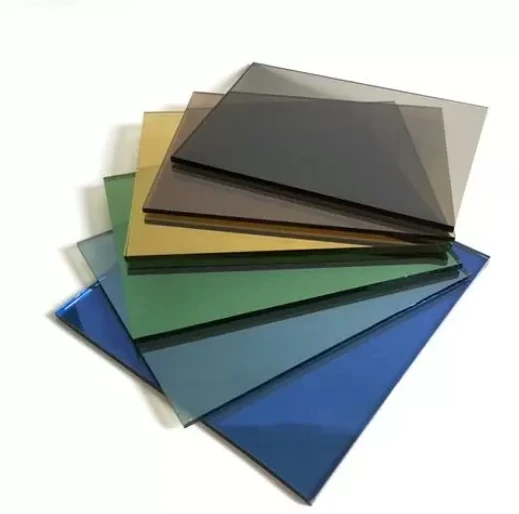
High-Performance dual low e glass Solutions for Egypt's Architecture

Advanced energy-saving and thermal insulation glass engineered for the extreme climate of North Africa, ensuring sustainability and clarity.

High-Performance dual low e glass Solutions for Egypt's Architecture

Providing Egypt with world-class flat glass technology, from high-transparency low iron glass sheet to specialized energy-efficient coatings for urban development.

The State of Flat Glass Manufacturing in Egypt

Analyzing the intersection of desert climates and modern glazing demands.

Egypt's construction sector is currently undergoing a massive transformation, driven by the New Administrative Capital and various urban expansion projects. The demand for high-quality float glass has surged as developers shift toward sustainable, LEED-certified buildings that can withstand the intense solar radiation of the Sahara region.

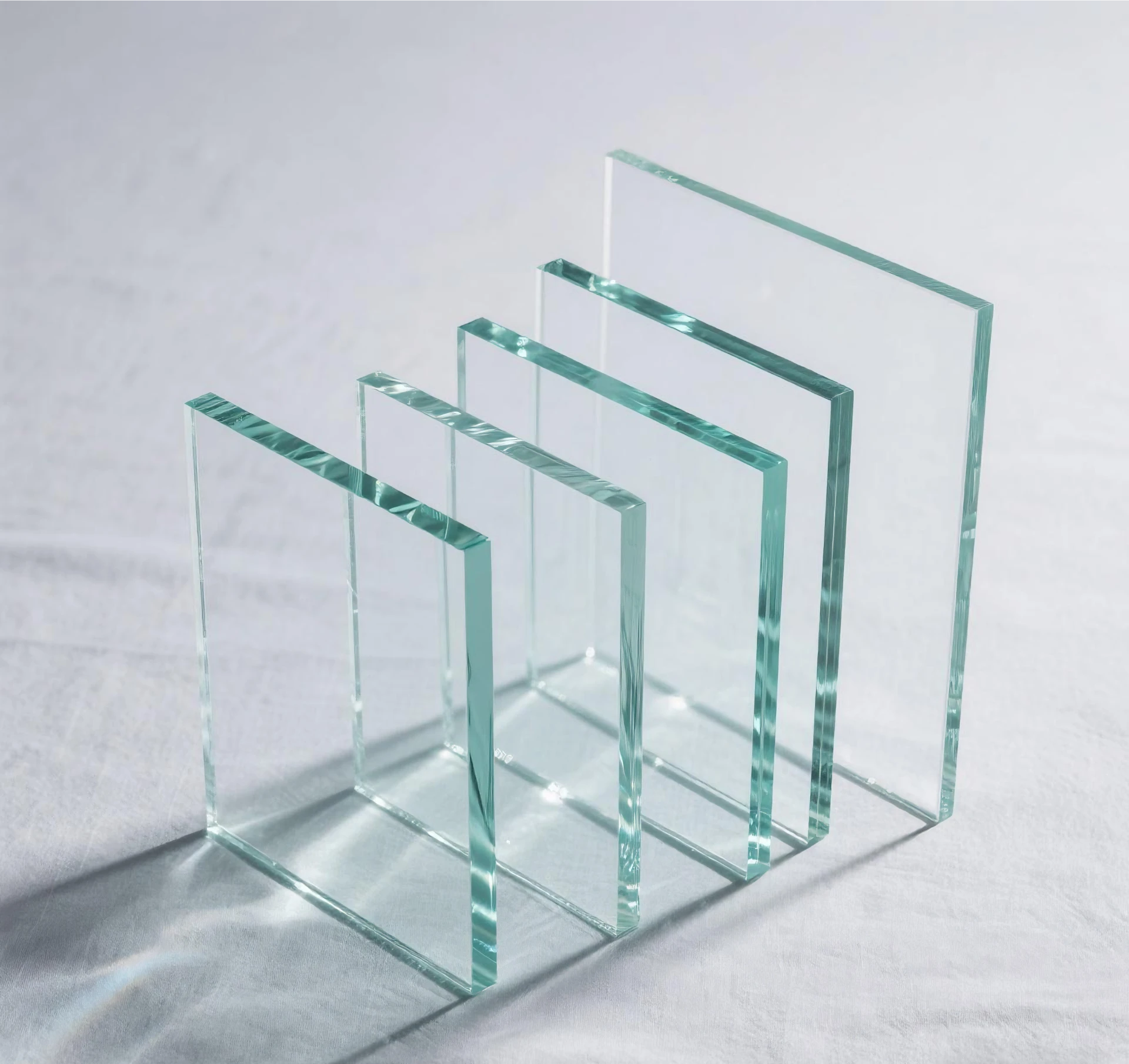
The local market faces a critical challenge: balancing natural light intake with heat exclusion. While standard glass is common, there is a growing transition toward clear glass low iron to enhance visual clarity in luxury facades, reducing the greenish tint and allowing for more accurate color rendering in architectural designs.

Furthermore, the Egyptian government's push for energy efficiency has made high-performance coatings a priority. This has led to an increased adoption of white coated glass, which helps in reflecting infrared heat while maintaining a bright, modern aesthetic for commercial complexes in Cairo and Alexandria.
Evolution and Technical Trajectory of Egyptian Glazing

From basic float processes to advanced spectral control.

Market Development History

In the late 20th century, the Egyptian market relied heavily on basic float glass imports and local small-scale production, focusing primarily on structural integrity rather than thermal performance.

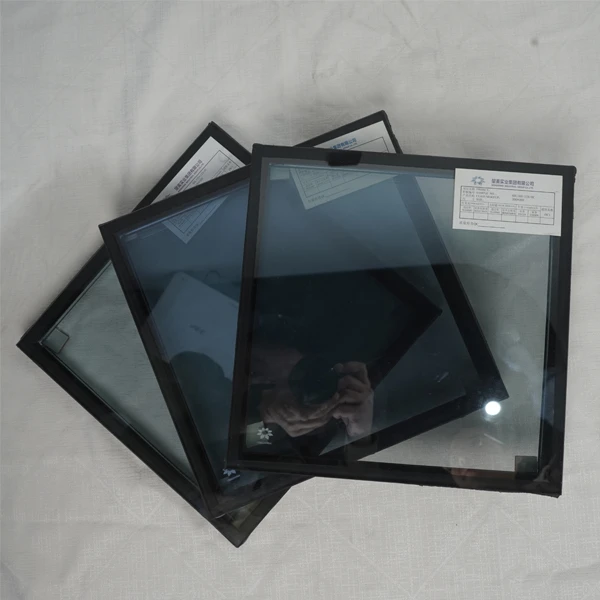
Around 2010, the technical iteration shifted toward "Low-E" technology. The industry realized that standard glazing was insufficient for the Nile Delta's heat, leading to the first significant wave of low-emissivity imports to reduce HVAC energy costs.

From 2018 to the present, the focus has evolved into "Ultra-Clear" and "Multi-Layer" solutions. The integration of low iron glass sheet has become a benchmark for premium projects, enabling superior transparency and higher efficiency for solar-control coatings.

Future Development Trends

Dynamic Thermal Adaptation

Future trends suggest a move toward smart glass that adapts to Egypt's extreme temperature swings between day and night, utilizing advanced dual-coating technologies.

Integration of BIPV

Building-Integrated Photovoltaics (BIPV) will likely merge with high-transparency glass to turn facades into energy generators, leveraging the region's abundant sunlight.

Eco-Friendly Low-Carbon Production

The industry is moving toward "Green Glass" manufacturing, reducing the carbon footprint of the smelting process to align with global sustainability goals.

Industry Trends and Future Outlook

Strategic foresight for the North African glass market.

Enhanced Solar Control
Increasing adoption of dual-silver coatings to combat the high U-value requirements in Egyptian desert cities.
Ultra-Clear Aesthetics
The shift toward low-iron substrates for high-end retail and museum installations to ensure maximum light transmission.
Sustainable Sourcing
Prioritizing recycled cullet and low-energy production methods to meet the Egypt Vision 2030 goals.
Modular Glass Systems
Rapid deployment of prefabricated glass facades to accelerate the construction of new administrative hubs.

Industry Outlook

Based on Google search trends and regional development data, there is a marked increase in queries for "energy-efficient glazing" and "thermal break glass" within Egypt. This indicates a structural shift from purely aesthetic architecture to functional, climate-responsive design.

Over the next 3-5 years, we anticipate that the adoption of advanced coatings will become a mandatory building code requirement in Cairo, further driving the market for high-spec industrial glass solutions.

Localized Application Scenarios in Egypt

Tailored glass solutions for Egypt's unique environmental and architectural needs.

01. New Administrative Capital Office Towers

Implementing dual low e glass to minimize solar heat gain while providing panoramic views of the new city, drastically reducing cooling costs during peak summer.

02. Luxury Red Sea Resorts

Using clear glass low iron for beachfront villas and underwater hotels to ensure the turquoise waters of the Red Sea are seen without any color distortion.

03. Cairo Urban Commercial Hubs

Applying white coated glass on high-rise facades to reflect the intense midday sun, maintaining internal brightness without the heat penalty.

04. Modern Greenhouse Agriculture in the Desert

Deploying high-strength float glass with specialized coatings to optimize light transmission for crops while protecting them from extreme UV radiation.

05. Historical Museum Renovations

Utilizing ultra-clear low-iron sheets for display cases and protective barriers in the Grand Egyptian Museum to ensure artifacts are visible in their true colors.

Brand Story

Global Development Journey of Wangmei Industrial Group Co., Ltd.

Industrial Foundations

Established with a vision to revolutionize the non-metallic mineral sector, focusing on the precision of float glass production.

Technological Breakthrough

Pioneered the integration of Low-E and low-iron technology to solve the global pain point of thermal efficiency vs. transparency.

Global Market Expansion

Extended operations to Africa and the Middle East, tailoring products to survive extreme heat and sandy environments.

Sustainability Commitment

Launched a series of eco-friendly glass lines designed to reduce the carbon footprint of modern skyscrapers.

Future-Proofing Architecture

Continuously innovating in dual-coating and smart-glass technologies to support the next generation of sustainable cities.

Complete Glass Portfolio for the Egyptian Market

From standard structural glass to high-end energy-saving solutions.

Frequently Asked Questions in Egypt

Expert answers to common technical queries about flat glass.

How does dual low e glass perform in Egypt's summer?

It significantly reduces the Solar Heat Gain Coefficient (SHGC), blocking infrared radiation while allowing visible light, which lowers indoor temperatures and AC energy consumption.

What is the advantage of low iron glass sheet over standard float glass?

Low iron glass removes the typical green tint, offering superior clarity and light transmission, making it ideal for high-end facades and specialty displays.

Can white coated glass withstand the abrasive sandstorms in Cairo?

Yes, our coatings are applied using high-temperature fusion or advanced sputtering processes that ensure durability and resistance to environmental erosion.

Is clear glass low iron suitable for solar panel covers?

Absolutely. Because it has lower iron content, it allows more sunlight to pass through to the photovoltaic cells, increasing the overall efficiency of the solar system.

What is the lead time for importing float glass to Alexandria port?

Lead times vary by volume, but our optimized logistics network ensures efficient shipping and customs clearance for the Egyptian market.

Which glass is best for energy-saving commercial buildings in Egypt?

We recommend a combination of low-iron substrates and dual Low-E coatings to achieve the best balance of transparency, thermal insulation, and UV protection.

Ready to Upgrade Your Project's Glazing?

Contact our technical experts today for a customized glass solution tailored to the environmental demands of Egypt.

Contact Us Now

If you are interested in our products, you can choose to leave your information here, and we will be in touch with you shortly.