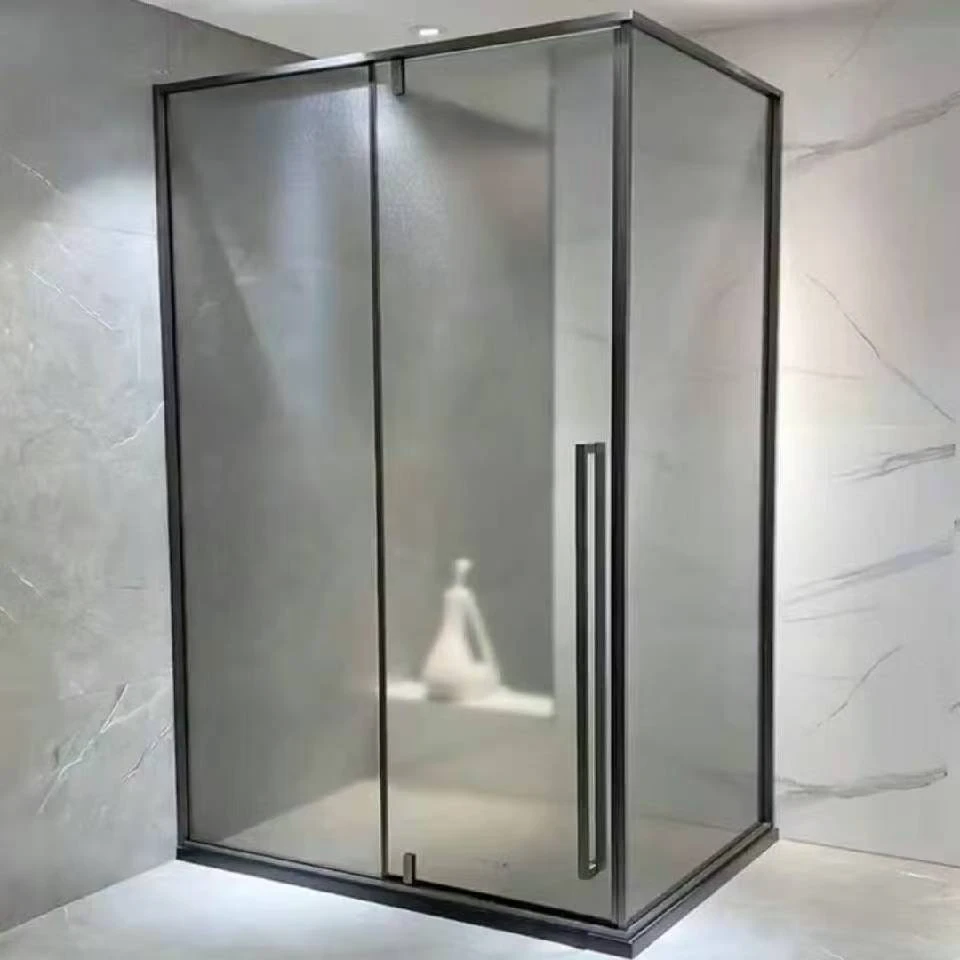
High-Performance dual low e glass Solutions for Ireland

Engineering sustainable, energy-efficient architectural glazing tailored for the unique Atlantic climate of the Irish market.

High-Performance dual low e glass Solutions for Ireland

Providing the Irish construction sector with advanced flat glass technologies that balance thermal insulation with maximum natural light transmission.

The State of Flat Glass Manufacturing in Ireland

Analyzing the intersection of Irish building regulations and high-transparency glass requirements.

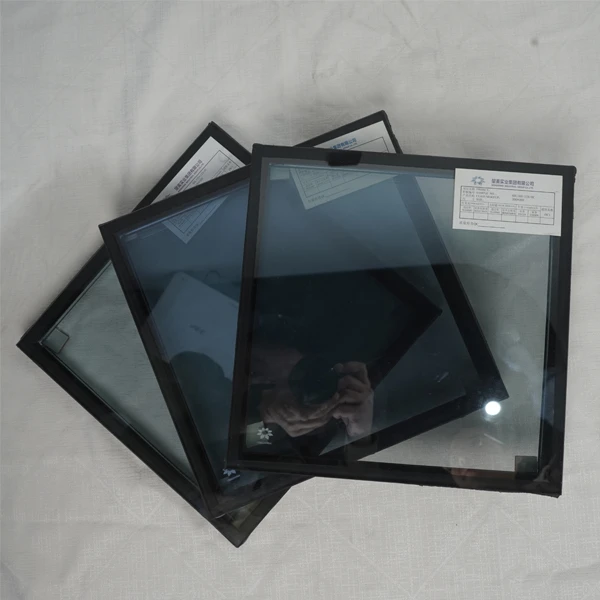
The Irish market is currently experiencing a transition toward ultra-high efficiency envelopes. Due to the damp, temperate maritime climate, there is a surge in demand for float glass that can be further processed into high-performance IGUs (Insulated Glass Units) to prevent heat loss during the harsh winter months.

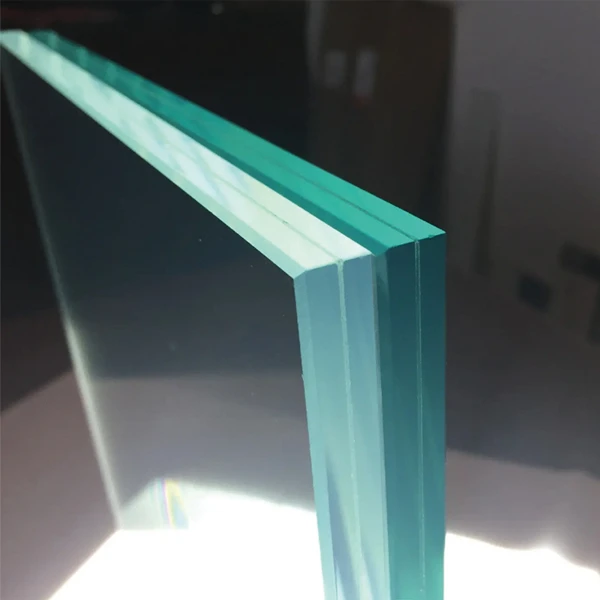
Architects in Dublin and Cork are increasingly specifying low iron glass sheet to enhance the aesthetic quality of contemporary facades. The need for "extra-clear" vision without the typical green tint is critical for Ireland's growing luxury residential and commercial sectors.

Furthermore, the integration of white coated glass has become a strategic choice for interior partitioning in modern Irish office hubs, providing a clean, minimalist look while maintaining the structural integrity required by local safety standards.
Evolution and Trajectory of Glazing Technology

From standard float processes to advanced spectral selectivity.

Market Development History

In the late 20th century, the Irish market relied heavily on standard float glass. However, as energy costs rose and EU building directives became stricter around 2010, the industry shifted toward basic Low-E coatings to improve U-values.

Between 2015 and 2020, there was a noticeable pivot toward clear glass low iron options. This era marked the transition from purely functional glazing to "aesthetic performance," where visual clarity became as important as thermal retention.

Today, the market has evolved into the era of multi-functional coatings, where the focus is on dual-action films that control both solar gain in the summer and heat leakage in the winter, specifically optimized for the Northern European light spectrum.

Future Development Trends

Vacuum Insulated Glazing (VIG)

We anticipate a move toward thinner, vacuum-sealed units that provide the thermal performance of triple glazing with the weight of a single pane.

Dynamic Electrochromic Integration

Integrating smart-tinting capabilities into low-iron substrates to allow Irish building managers to control glare and heat in real-time.

Circular Economy Recycling

A shift toward 100% closed-loop recycling for flat glass, reducing the carbon footprint of raw material extraction in the European region.

Industry Trends and Future Outlook

Forecasting the next 3-5 years of glass innovation in the EU market.

Net-Zero Carbon Glass
Implementation of hydrogen-fired furnaces to reduce the CO2 footprint of the float process.
Ultra-Low Emissivity
Advanced silver-layering techniques to achieve unprecedented thermal resistance in colder climates.
BIM-Integrated Glass
Seamless integration of glass specifications into Building Information Modeling for precision construction.
Anti-Condensation Coatings
Specifically designed coatings to combat the high humidity of the Irish coast.

Industry Outlook

Google search trends indicate a significant rise in "energy-saving glazing" and "sustainable architecture Ireland." This correlates with the government's aggressive targets for retrofitting old building stocks to meet new energy standards.

The future will see a shift from "standard products" to "bespoke spectral solutions," where the glass is tuned to the specific latitude and sunlight hours of the location to maximize natural heating in winter.

Localized Application Scenarios in Ireland

Real-world implementations of high-performance glass in diverse Irish settings.

01. Coastal Residential Villas in Kerry

Utilizing low iron glass sheet to provide unobstructed views of the Atlantic coastline while offering high wind-load resistance.

02. Dublin Tech Hub Office Facades

Deploying dual low e glass to maintain internal temperature stability for data-heavy environments without relying on excessive HVAC.

03. Luxury Retail Storefronts in Grafton Street

Implementing clear glass low iron to ensure high-end products are displayed without any color distortion from the glass itself.

04. Modern Apartment Interiors in Galway

Using white coated glass for stylish, easy-to-clean kitchen splashbacks and bathroom partitions in urban developments.

05. Heritage Building Retrofits in Cork

Integrating thin-profile high-efficiency float glass units into existing wooden frames to improve energy ratings without altering the historic facade.

Brand Story

Global Development Journey of Wangmei Industrial Group Co., Ltd.

Foundational Excellence

Established with a vision to revolutionize the flat glass industry through precision manufacturing and material purity.

Technical Breakthroughs

Developing proprietary low-iron melting processes that set new global standards for clarity and transparency.

Global Market Expansion

Expanding our footprint into the European market, tailoring our products to meet strict EU energy and safety certifications.

Sustainability Pivot

Investing in green manufacturing to solve the pain point of high carbon emissions in traditional glass production.

Industry Leadership

Becoming a trusted partner for Ireland's top architectural firms, delivering high-performance glazing for landmark projects.

Comprehensive Glass Portfolio for the Irish Market

A complete range of solutions from raw float glass to advanced coated systems.

Common Questions Regarding Glass in Ireland

Expert answers to the most frequent technical queries from Irish contractors.

What are the benefits of dual low e glass for Irish winters?

Dual Low-E coatings significantly reduce heat loss by reflecting internal infrared heat back into the room while preventing exterior cold from penetrating, which is essential for the damp Irish climate.

How does low iron glass sheet differ from standard float glass?

Standard float glass has a natural green tint due to iron oxide. Low iron glass reduces this iron content, resulting in superior clarity and more accurate color rendering for architectural displays.

Is white coated glass suitable for high-humidity environments?

Yes, our white coated glass is engineered with a moisture-resistant barrier, making it ideal for Irish bathrooms and kitchens where steam and humidity are prevalent.

Can clear glass low iron be tempered for safety?

Absolutely. Our low-iron glass can undergo full thermal tempering to meet all Irish and EU safety standards for impact resistance without losing its crystal-clear properties.

What is the expected lead time for bulk float glass orders to Ireland?

Lead times vary by volume, but we maintain optimized logistics chains to ensure timely delivery to major Irish ports like Dublin and Rosslare.

Which glass specification is best for maximizing natural light in cloudy regions?

We recommend a combination of low-iron substrates and high-transmission Low-E coatings to allow the maximum amount of visible light to enter the building during overcast Irish days.

Consult Our Glass Engineering Experts

Get tailored glazing specifications for your next project in Ireland.

Contact Us Now

If you are interested in our products, you can choose to leave your information here, and we will be in touch with you shortly.