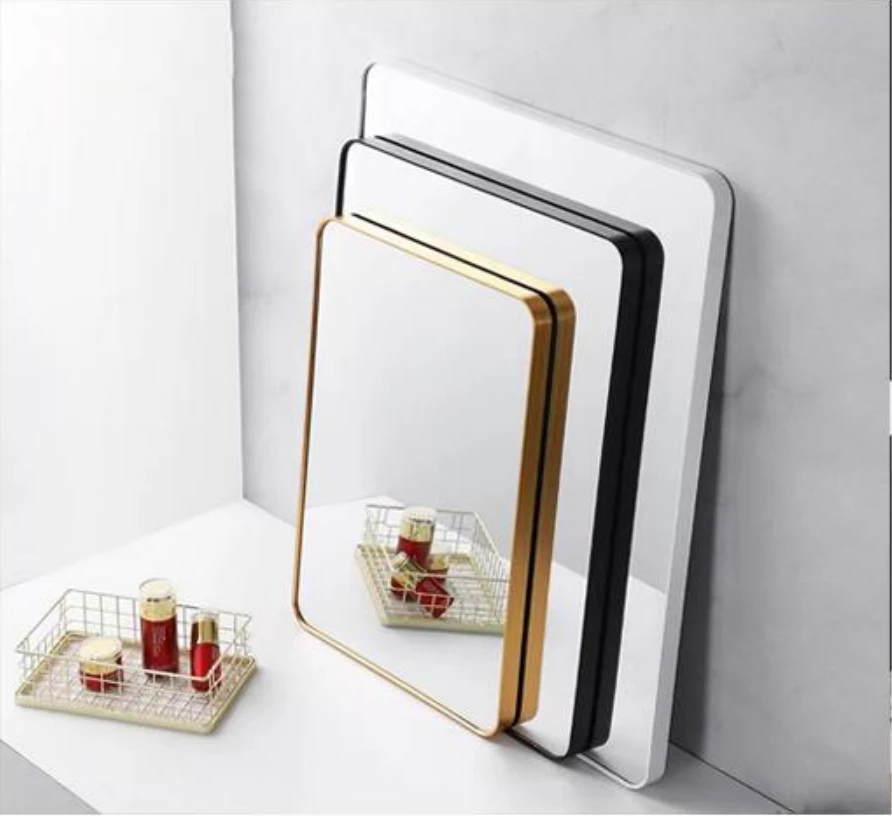
High-Performance dual low e glass Solutions for Israel's Architecture

Engineering sustainable, thermal-efficient glazing systems tailored for the Mediterranean climate of Israel, blending clarity with extreme energy savings.

High-Performance dual low e glass Solutions for Israel's Architecture

Providing advanced architectural glass that tackles the unique solar heat gain and aesthetic requirements of the Israeli building sector.

Glazing Challenges in the Israel Market

Analyzing the intersection of Mediterranean climate and modern construction standards.

Israel's geography presents a dual challenge: intense solar radiation in the Negev and coastal humidity in Tel Aviv. This necessitates the use of high-quality float glass that can withstand thermal stress while maintaining structural integrity across diverse climatic zones.

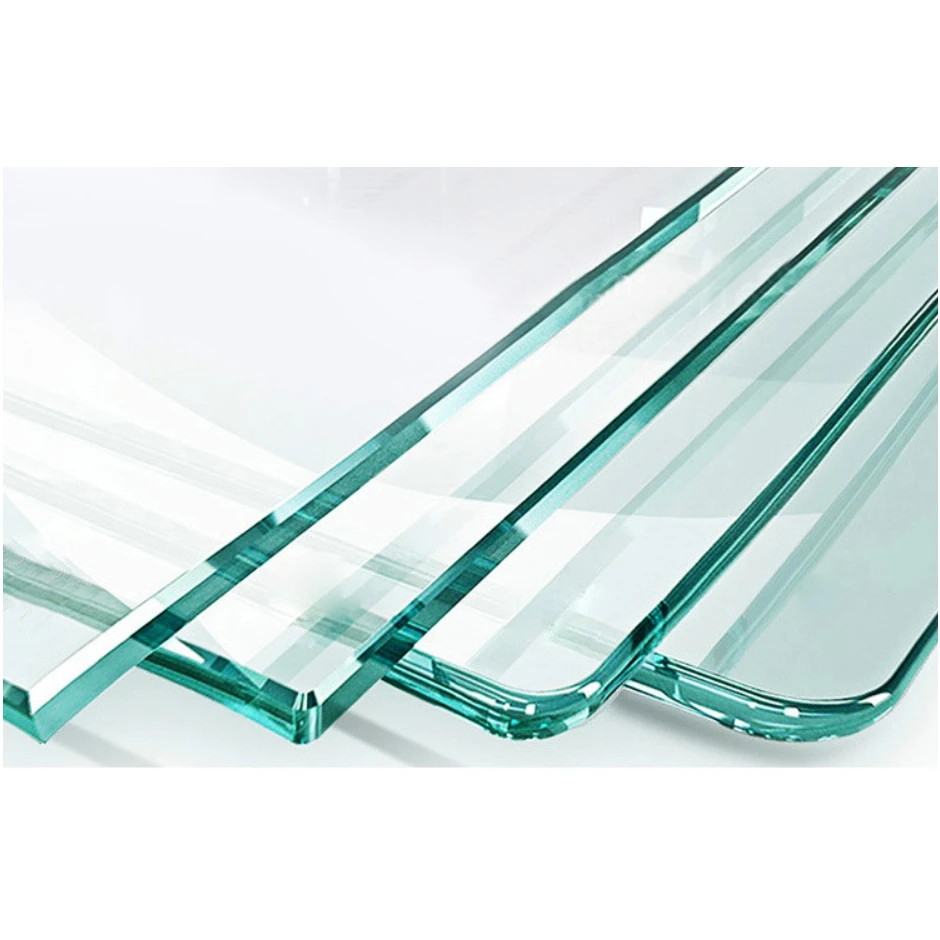
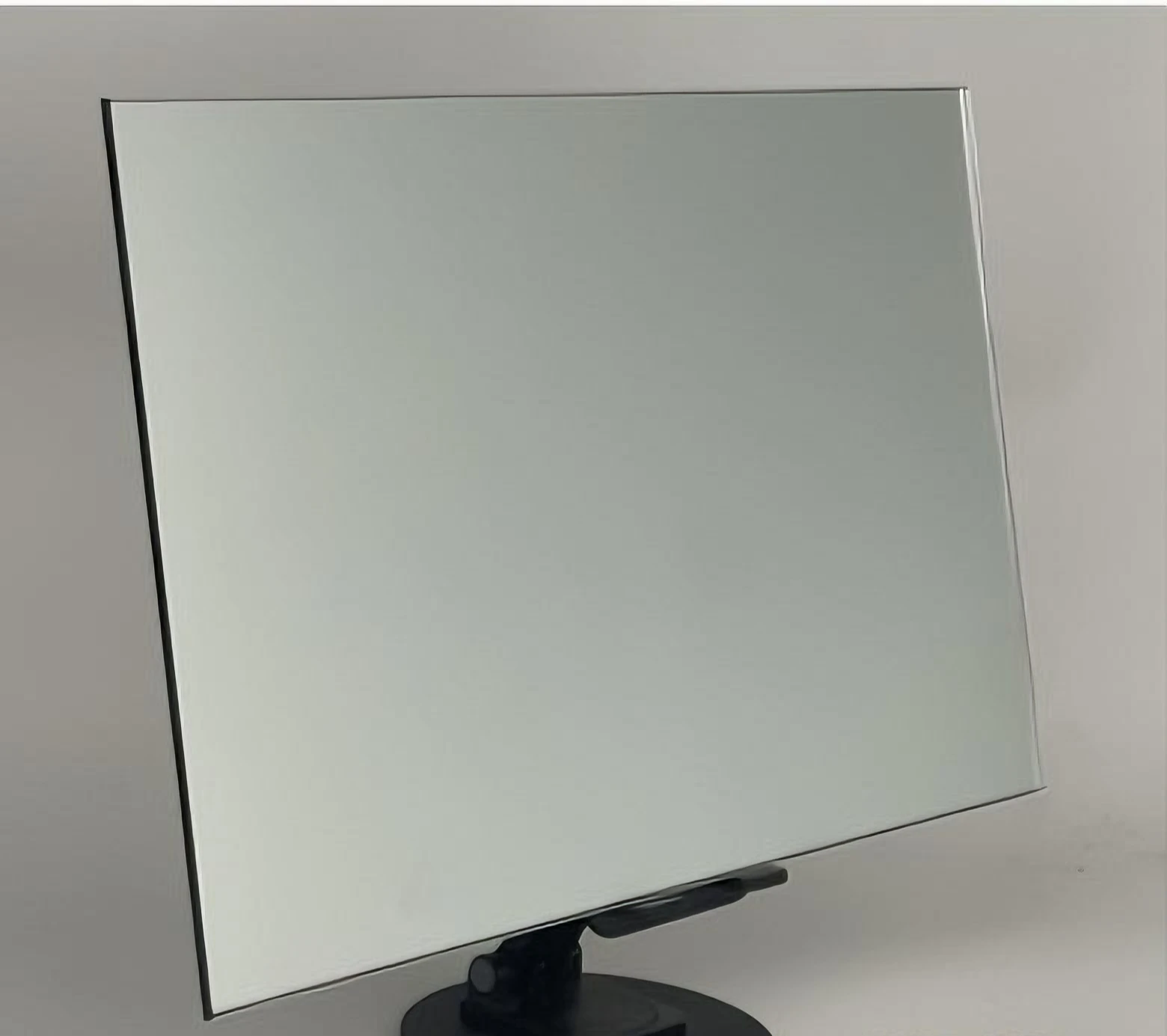
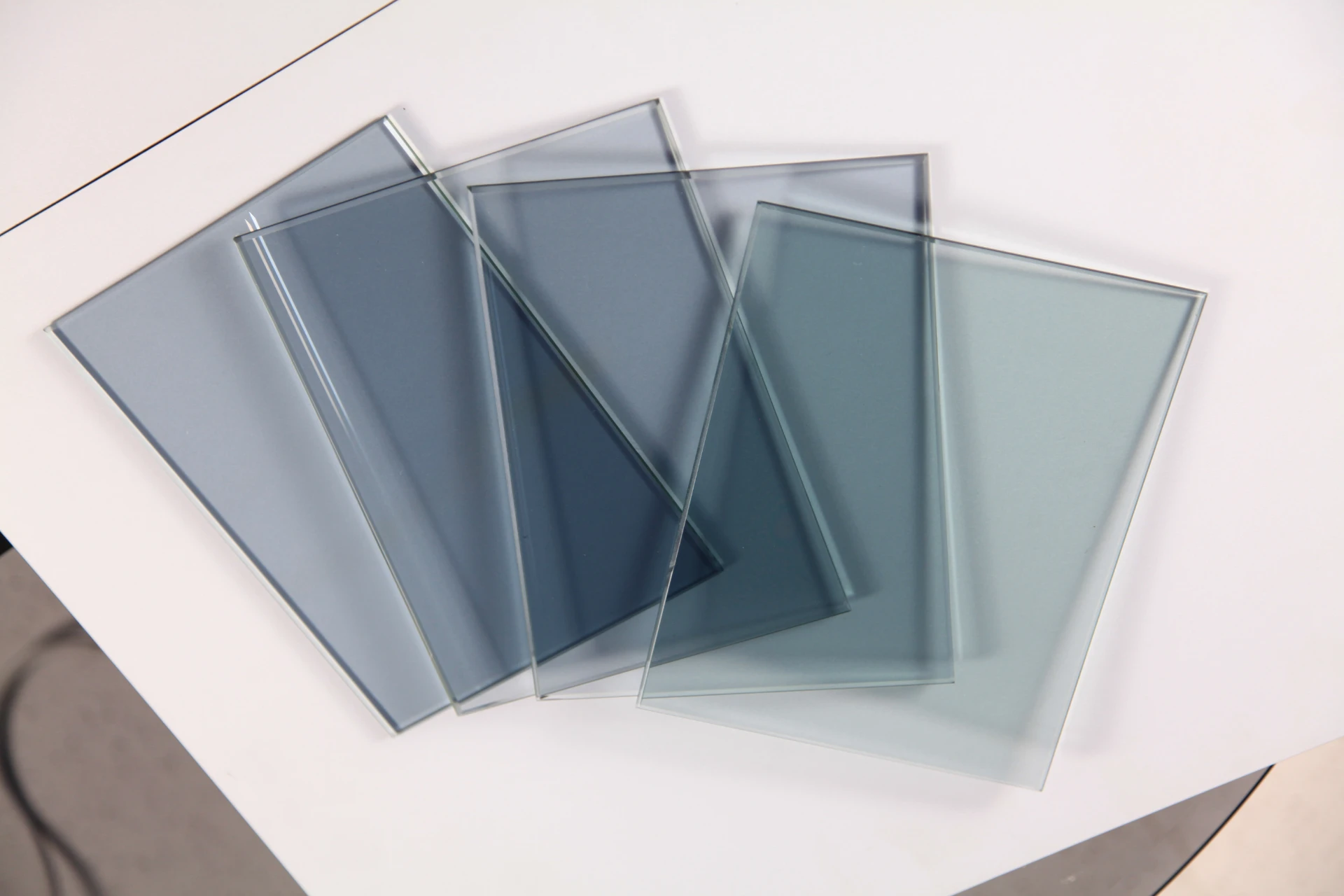
The demand for low iron glass sheet has surged as luxury residential projects in Jerusalem and Haifa prioritize maximum light transmission and color neutrality, eliminating the green tint found in standard glass to highlight natural landscapes.

Furthermore, the adoption of white coated glass has become a strategic choice for commercial facades to reflect heat and reduce the "urban heat island" effect, aligning with Israel's stringent energy efficiency building codes.
Evolution of Glass Technology in Israel

From basic shelter to intelligent thermal envelopes.

Market Development History

In the late 20th century, the Israeli market relied heavily on standard single-pane glass. However, the 2000s marked a shift toward insulated glass units (IGUs) to combat the rising energy costs associated with air conditioning in the summer.

Between 2010 and 2020, the transition toward clear glass low iron became evident in high-end retail and museum architecture, where optical purity was required to showcase exhibits without chromatic distortion.

Currently, the market has evolved into the "Smart Glazing" era, where double and triple silver coatings are standard for government and corporate headquarters seeking LEED certification and carbon neutrality.

Future Development Trends

Dynamic Solar Control

Integration of electrochromic layers to adjust transparency based on the intensity of the Mediterranean sun, reducing HVAC reliance.

Ultra-High Transparency

Increased adoption of low-iron substrates for seamless indoor-outdoor integration in coastal luxury villas.

Advanced Vacuum Insulation

The move toward thinner profiles with higher R-values to meet the 2030 sustainability targets for urban development.

Industry Trends & Future Outlook

Driving energy efficiency through materials science.

Thermal Optimization
Focusing on reducing U-values to mitigate heat transfer in arid regions.
Optical Precision
Scaling the use of ultra-clear substrates for modern architectural aesthetics.
Sustainable Coatings
Developing eco-friendly sputtered coatings for lifelong solar protection.
Urban Integration
Adapting glass specifications to the unique seismic and wind loads of the region.

Industry Outlook

Based on Google search trends in the Mediterranean region, there is a growing emphasis on "Passive House" standards. This shift suggests that the future of the Israeli glass industry will move toward high-performance glazing that virtually eliminates the need for active cooling.

We anticipate a 15% increase in the demand for specialized low-iron and high-selectivity coatings over the next 3-5 years, as architects strive to balance the paradox of massive glass facades and strict energy conservation laws.

Localized Applications in Israel

Practical deployment of advanced glazing across diverse Israeli environments.

01. Tel Aviv Skyscrapers

Utilizing dual-silver coatings to reflect intense coastal sunlight while providing panoramic views of the Mediterranean, significantly reducing cooling loads for commercial towers.

02. Jerusalem Cultural Centers

Implementation of ultra-clear low-iron glass for gallery partitions, ensuring that the historical stone textures and artworks are visible without any tint distortion.

03. Negev Desert Research Hubs

High-performance heat-reflective glass designed to withstand extreme diurnal temperature swings and high UV indices typical of the Southern district.

04. Haifa Coastal Residences

Application of corrosion-resistant coated glass to prevent salt-spray degradation while maintaining high thermal insulation for hillside homes.

05. Dead Sea Hospitality Resorts

Specialized architectural glass that combines high clarity with extreme solar control to protect guests from harsh sunlight in a high-salinity environment.

Brand Story

Global Development Journey of Wangmei Industrial Group Co., Ltd.

Foundational Excellence

Established with a commitment to precision, we began by mastering the core float glass process to serve basic industrial needs.

Technological Leap

Invested in low-iron technology to provide the market with superior clarity and neutrality for high-end architectural projects.

Sustainability Shift

Developed advanced Low-E coating lines to address the global crisis of energy waste in building climate control.

Global Expansion

Extended our reach to the Asia-Israel corridor, tailoring products to the specific thermal and atmospheric needs of the Middle East.

Future Vision

Dedicated to solving the pain points of the glass industry by merging AI-driven manufacturing with eco-friendly materials.

Complete Glass Portfolio for the Israeli Market

From basic substrates to high-tech energy-saving solutions.

Frequently Asked Questions in Israel

Expert answers to common technical queries regarding flat glass.

What is the best float glass for high-temperature areas like the Negev?

For high-temperature regions, we recommend heat-strengthened glass with a high-performance Low-E coating to minimize solar heat gain and prevent thermal fracture.

How does low iron glass sheet improve building aesthetics in Tel Aviv?

Low iron glass removes the natural green tint, providing a crystal-clear view that maximizes natural light and ensures true color rendering of the interior and exterior environment.

Can clear glass low iron be used for double glazing units?

Yes, it is ideally suited for IGUs, allowing for high transparency while adding an insulating layer of argon gas for improved thermal performance.

What are the benefits of white coated glass for commercial facades?

White coated glass offers superior light reflection and heat rejection, keeping interiors cool and reducing the energy load on HVAC systems in hot climates.

Why choose dual low e glass over single Low-E for Israeli luxury homes?

Dual Low-E provides a double layer of protection, reflecting more infrared heat while allowing more visible light, resulting in significantly lower energy bills.

Does low iron glass maintain its clarity over time in coastal humidity?

Yes, as long as it is properly sealed and maintained, low iron glass remains stable and does not degrade due to humidity or salt exposure.

Ready to Upgrade Your Project?

Contact our engineering team today for a custom glass consultation tailored to the architectural needs of Israel.

Contact Us Now

If you are interested in our products, you can choose to leave your information here, and we will be in touch with you shortly.