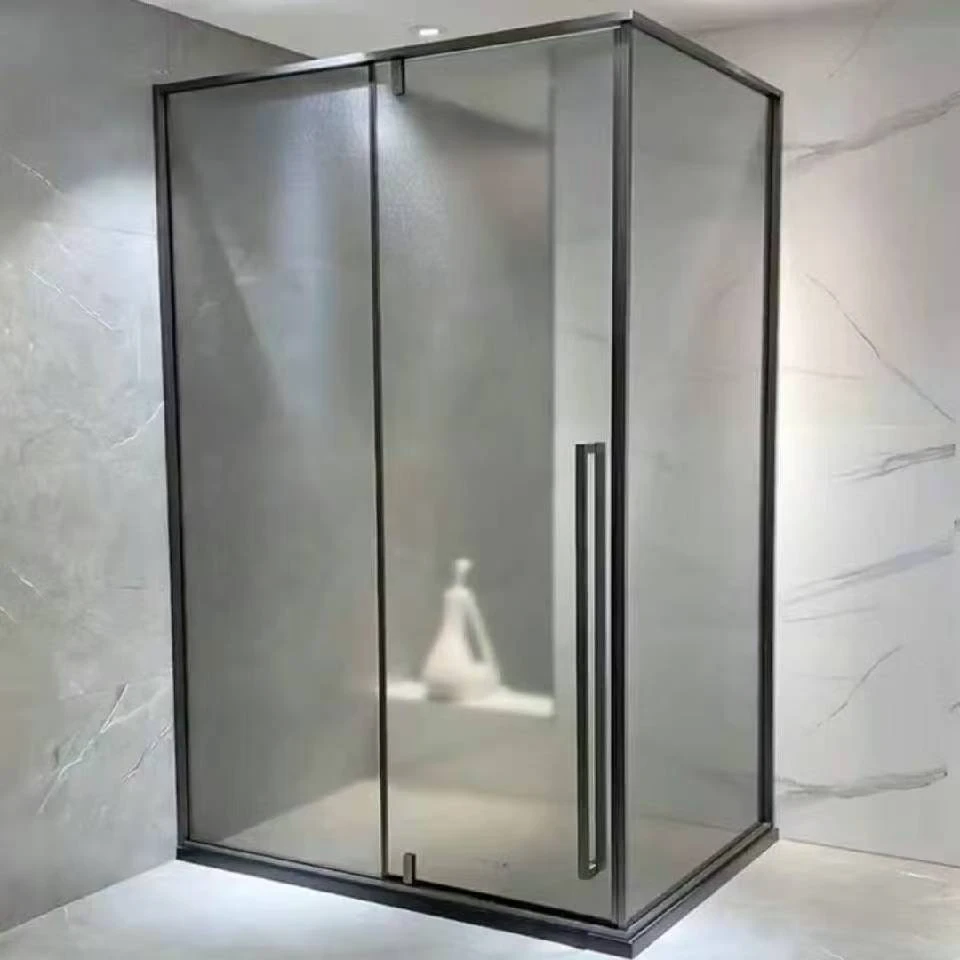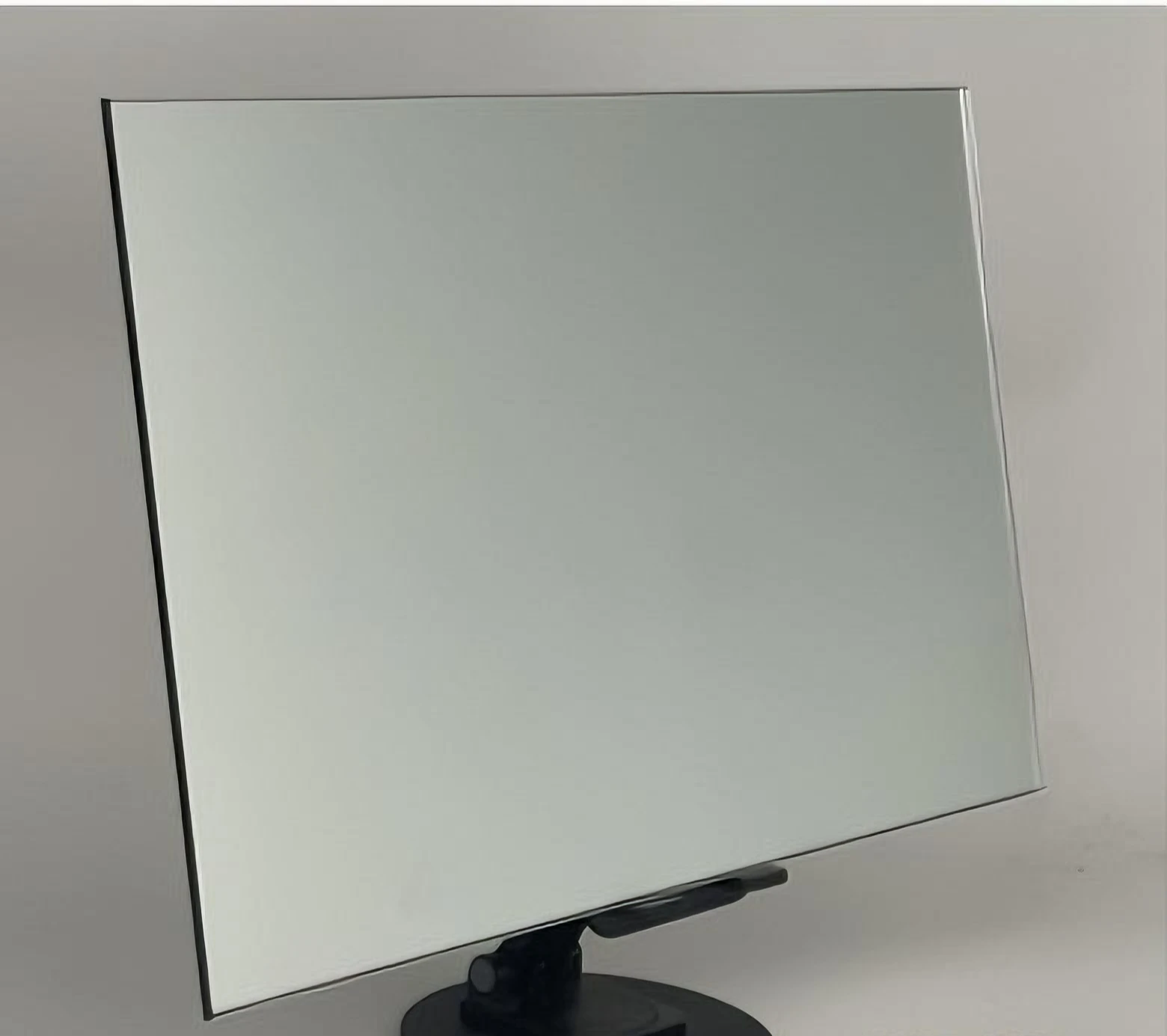
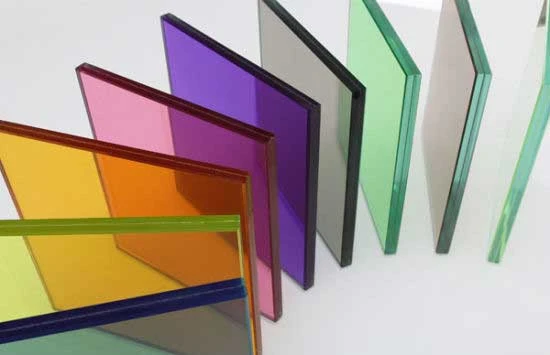
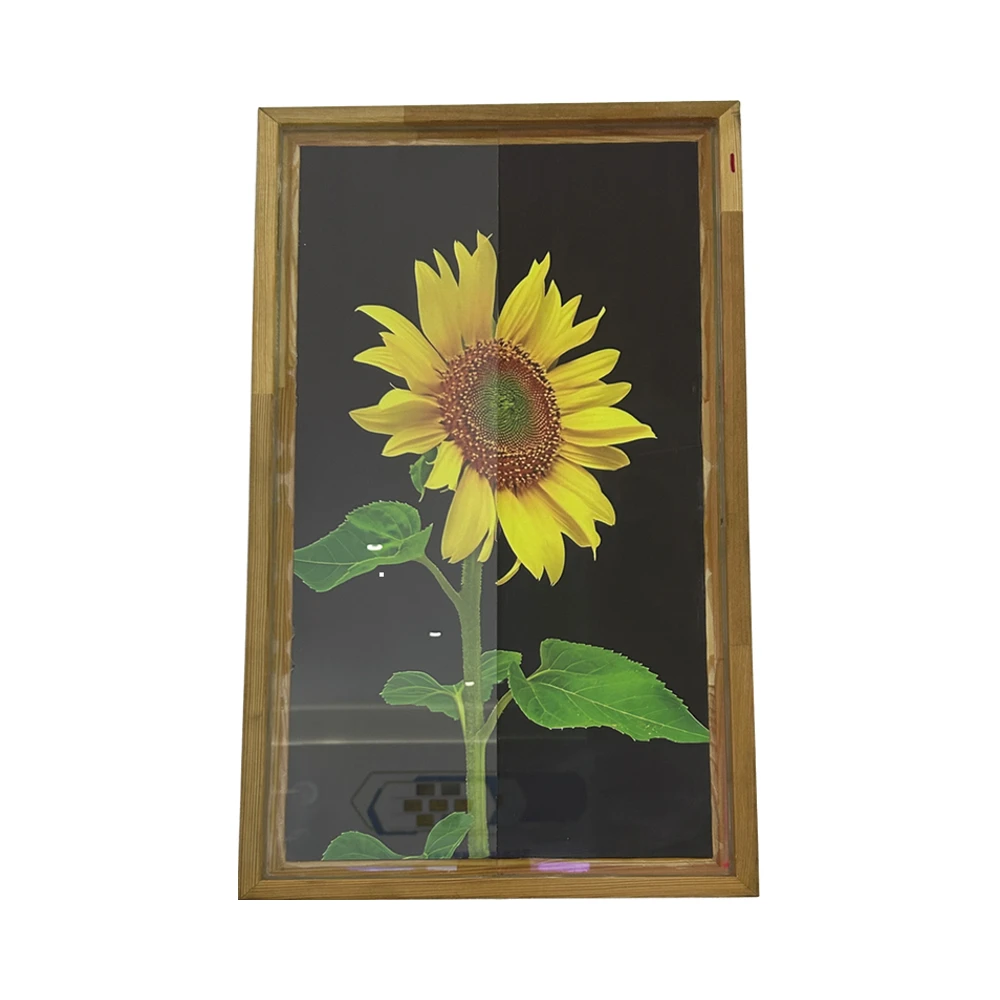
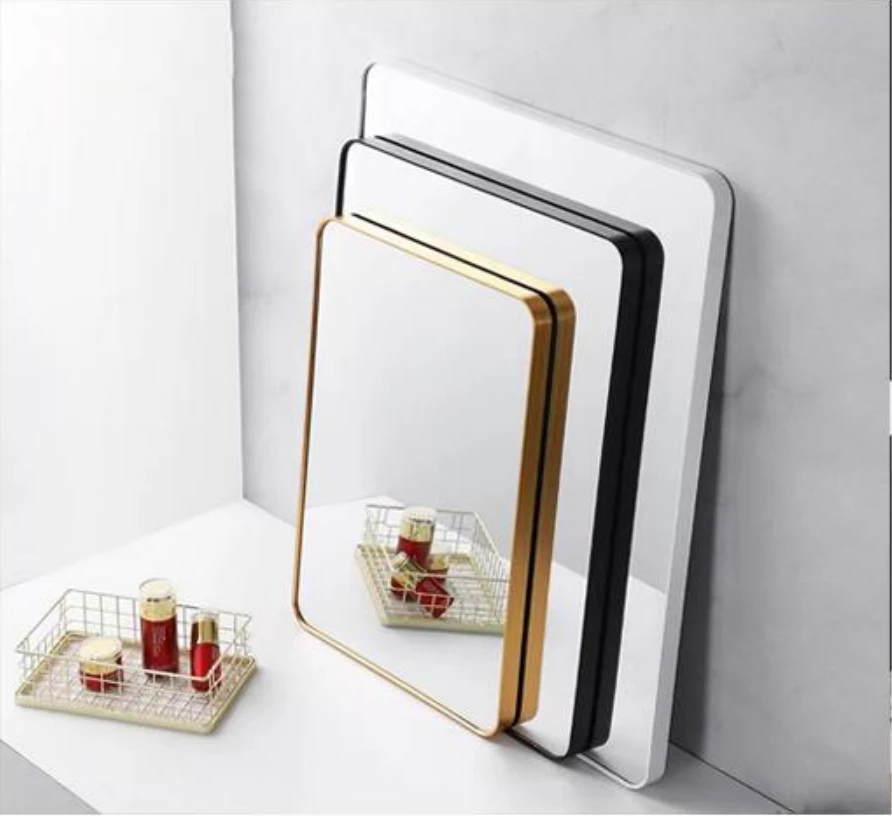
High-Performance dual low e glass Solutions for Kazakhstan

Advanced thermal insulation and optical clarity for the extreme climates of Central Asia, ensuring energy efficiency and architectural excellence.

High-Performance dual low e glass Solutions for Kazakhstan

Providing specialized flat glass engineering that balances Kazakhstan's intense summer heat and freezing winter temperatures through cutting-edge coating technology.

The Current State of Flat Glass Manufacturing in Kazakhstan

Analyzing the intersection of regional climate demands and industrial glass standards.

Kazakhstan's glass market is currently defined by its extreme continental climate, where temperature swings necessitate high-performance materials like float glass that can withstand significant thermal stress. The rapid urbanization of Almaty and Astana has driven a surge in demand for energy-efficient building envelopes.

There is a noticeable shift toward specialty products. Architects are increasingly specifying low iron glass sheet to enhance natural light penetration during the shorter winter days, reducing the reliance on artificial lighting and improving the wellbeing of occupants.

However, the local supply chain often faces a gap between standard commercial glass and high-end technical glass, creating a significant opportunity for integrated solutions that offer both structural integrity and advanced thermal properties tailored for Central Asian geography.
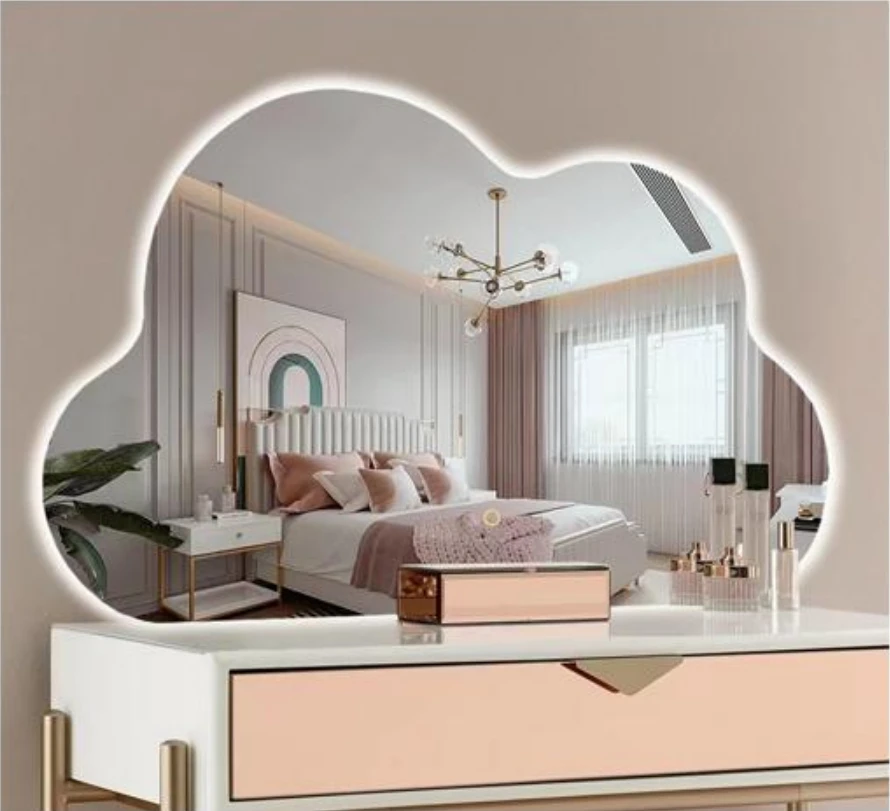
Evolution of Glass Technology in Kazakhstan

From basic glazing to intelligent thermal management.

Market Development History

During the late 20th century, the Kazakhstan market relied heavily on standard single-pane float glass, focusing primarily on basic weather protection rather than thermal efficiency.

Between 2010 and 2020, the transition toward double-glazing became standard. This period saw the introduction of clear glass low iron to meet the aesthetic demands of modern corporate facades and luxury residential projects.

Entering the 2020s, the focus shifted to "Smart Glass" and high-selectivity coatings. The adoption of white coated glass emerged as a way to manage solar heat gain while maintaining a bright, clean interior atmosphere.

Future Development Trends

Dynamic Thermal Adaptation

Moving toward glass that can adjust its transparency and heat reflection based on real-time Kazakhstan weather fluctuations.

Vacuum Insulated Glazing (VIG)

Integrating vacuum technology with Low-E coatings to achieve U-values comparable to solid walls.

Sustainable Circular Manufacturing

Increased focus on cullet recycling and carbon-neutral production processes within the local manufacturing ecosystem.

Industry Trends and Future Outlook

Strategic projections for the non-metallic mineral products sector in Central Asia.

Ultra-Low Emissivity
The transition to triple-silver coatings to combat the extreme cold of northern Kazakhstan.
Optical Purity
Growing demand for low-iron content to maximize visibility and color accuracy in museum and retail.
BIPV Integration
Integration of photovoltaic cells into glass facades for sustainable energy generation.
Carbon Neutrality
Adopting hydrogen-fueled furnaces to reduce the carbon footprint of glass smelting.

Industry Outlook

Based on Google search trends for "energy efficient glazing" in Central Asia, we predict a 15% annual growth in the demand for high-spec technical glass. Kazakhstan's commitment to green building certifications will force a shift from standard float glass to multi-functional coated solutions.

The future will be dominated by a holistic approach where the glass is not just a barrier but an active energy-saving component, reducing HVAC costs by up to 30% in the Almaty region.

Local Application Scenarios in Kazakhstan

Tailored glass applications for regional architectural challenges.

01. High-Rise Office Towers in Astana

Using dual low-e glass to maintain internal temperature against the severe winter frosts of the capital, reducing heating energy consumption.

02. Luxury Retail Storefronts in Almaty

Implementing low iron glass sheet to provide maximum transparency for luxury merchandise, eliminating the greenish tint of standard glass.

03. Industrial Greenhouse Complexes

Utilizing white coated glass to diffuse intense sunlight, preventing crop burn while maintaining optimal light levels for agriculture.

04. Government Institutional Buildings

Applying clear glass low iron for grand atriums to emphasize openness and prestige while ensuring high structural safety standards.

05. Residential Winter Gardens

Combining float glass with thermal breaks to create comfortable year-round leisure spaces regardless of external temperature drops.

Brand Story

Global Development Process of Wangmei Industrial Group Co., Ltd.

Foundational Excellence

Established with a mission to solve the fragility and inefficiency of traditional glass, focusing on core float glass technology.

Technical Breakthroughs

Mastered the production of ultra-clear low-iron glass, removing the barriers between nature and interior spaces.

Global Expansion

Extended operations to Central Asia, bringing high-performance coating solutions to markets like Kazakhstan.

Innovation Leadership

Pioneered dual-coating technologies to address the dual challenge of heat gain and heat loss in extreme climates.

Sustainable Future

Dedicated to creating carbon-neutral glazing solutions that protect both the occupant and the planet.

Complete Product Portfolio for Kazakhstan

A comprehensive range of flat glass products engineered for Central Asian requirements.

Frequently Asked Questions in Kazakhstan

Expert answers to common technical queries regarding flat glass applications.

What is the best float glass for Astana's winter?

For extreme cold, we recommend dual low-e glass combined with argon gas filling to maximize thermal resistance and prevent condensation.

How does low iron glass sheet differ from standard clear glass?

Low iron glass reduces the iron oxide content, eliminating the green tint and providing superior light transmission and color neutrality.

Is clear glass low iron suitable for high-wind areas in the steppes?

Yes, when processed into tempered or laminated safety glass, it provides the necessary structural strength for high-wind environments.

What are the benefits of white coated glass for Almaty sunlight?

White coated glass reflects a significant portion of infrared heat, reducing cooling costs during hot summers while keeping interiors bright.

Can dual low e glass be used in residential renovations?

Absolutely. It is highly effective for upgrading older homes in Kazakhstan to modern energy standards, drastically reducing utility bills.

How is the durability of coated glass in harsh climates?

Our coatings are integrated into the glass structure or sealed within IGUs, ensuring they do not degrade despite extreme UV exposure or temperature swings.

Request Your Technical Consultation

Get expert advice on selecting the right glazing solutions for your project in Kazakhstan.

Contact Us Now

If you are interested in our products, you can choose to leave your information here, and we will be in touch with you shortly.