High-Performance dual low e glass Solutions for Norway's Architecture

Precision-engineered flat glass tailored for the Nordic climate, combining extreme thermal efficiency with crystal-clear aesthetics.

High-Performance dual low e glass Solutions for Norway's Architecture

Integrating advanced thermal coatings and ultra-clear substrates to meet the rigorous energy standards of the Norwegian building code (TEK17).

The Landscape of Glass Manufacturing in Norway

Adapting material science to the challenges of the Arctic and Subarctic regions.

Norway's unique geography, characterized by deep fjords and extreme seasonal light variations, demands high-performance float glass that can withstand significant thermal stress. The local market is heavily driven by sustainability and the "Passive House" standard, pushing manufacturers toward higher insulation values.

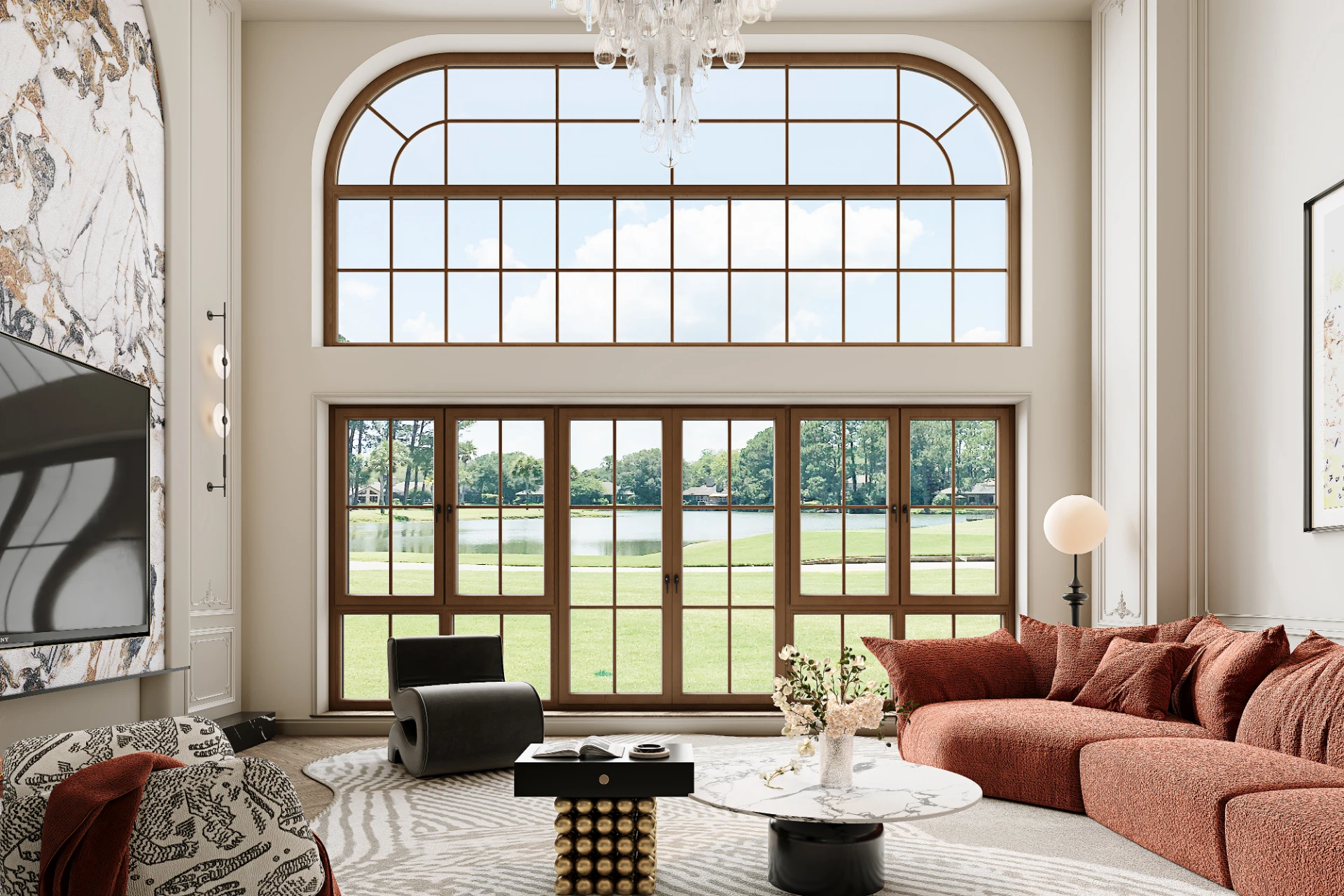
In cities like Oslo and Bergen, there is a surging demand for low iron glass sheet to maximize the limited winter sunlight. The priority has shifted from simple transparency to "intelligent transparency," where glass must allow light in while preventing heat escape during freezing temperatures.

Furthermore, the industrial sector in Norway emphasizes eco-friendly production. The integration of white coated glass in interior design and commercial facades has grown as architects seek to balance minimalist Nordic aesthetics with functional light diffusion.
Evolution of Flat Glass Technology in Northern Europe

From standard glazing to multi-functional thermal barriers.

Market Development History

Until the late 20th century, the Norwegian market relied on standard clear float glass, which offered minimal thermal protection. The primary goal was structural integrity against wind and snow loads rather than energy efficiency.

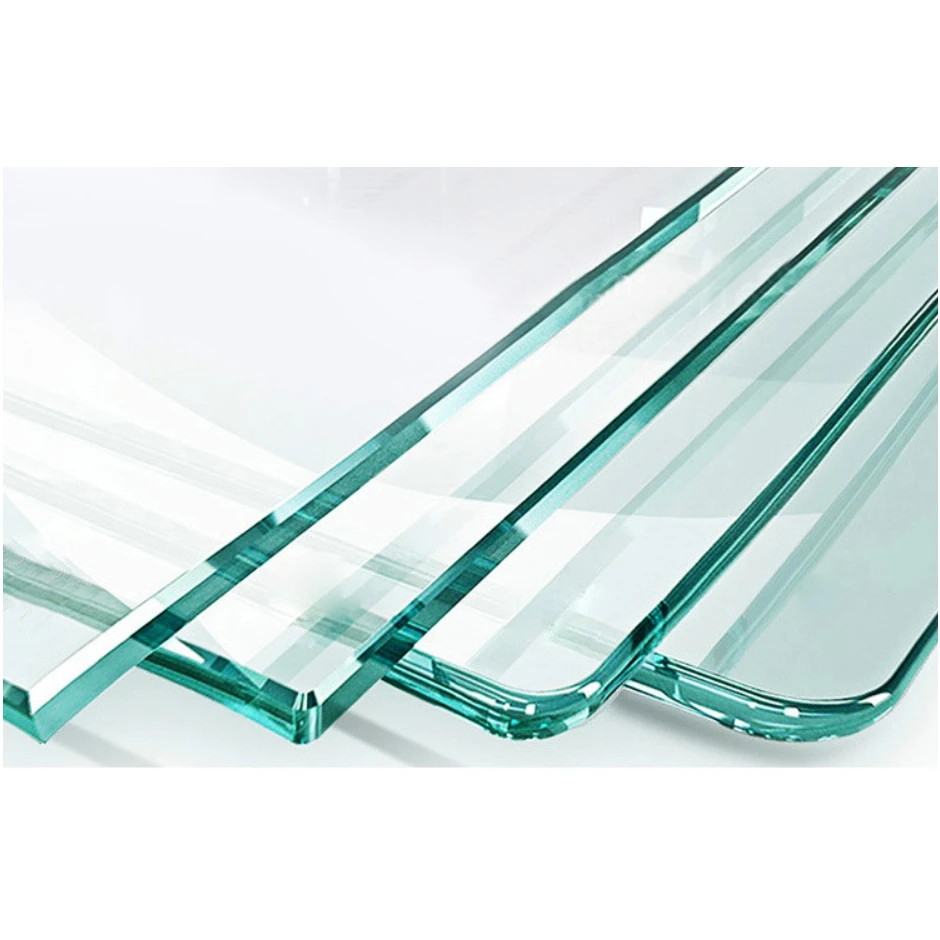
Around 2005-2015, the shift toward clear glass low iron became evident. Architects began demanding a neutral color palette without the green tint of standard glass, enabling better natural light penetration in high-latitude residential projects.

From 2018 to the present, the focus has evolved into advanced spectral control. The adoption of dual-silver and triple-silver coatings represents the current peak of the industry, ensuring that buildings remain warm without relying solely on mechanical heating.

Future Development Trends

Dynamic Solar Control

Integration of electrochromic layers into float glass to adjust transparency based on the intensity of the Midnight Sun.

Vacuum-Insulated Glazing (VIG)

Moving beyond traditional gas-filled units to vacuum layers that provide R-values comparable to solid walls.

Circular Economy Integration

A transition toward 100% closed-loop recycling for low-iron glass to meet Norway's strict 2030 carbon-neutral goals.

Industry Trends and Future Outlook

Predicting the trajectory of the non-metallic mineral products sector in Norway.

Ultra-Low Emissivity
The shift toward multi-layer Low-E coatings to minimize radiative heat loss in Arctic climates.
High Optical Clarity
Increasing demand for low-iron substrates to maximize natural luminosity in dark winters.
BIPV Integration
Merging photovoltaic cells into float glass for energy-generating building envelopes.
Smart Coating Tech
Development of self-cleaning and anti-condensation surfaces for humid coastal regions.

Industry Outlook

Based on Google search trends for "energy efficient glazing" in Northern Europe, we anticipate a 15% annual growth in the adoption of multi-pane vacuum glass. The synergy between Norwegian architectural minimalism and advanced glass chemistry is creating a new standard for sustainable luxury.

As the industry moves toward 2030, the focus will be on reducing the embodied carbon of the glass manufacturing process itself, utilizing hydrogen-powered furnaces to produce the next generation of high-performance glass.

Localized Application Scenarios in Norway

Real-world implementation of premium glass solutions in Nordic environments.

01. Coastal Villa Glazing in Lofoten

Utilizing low iron glass sheet to ensure that the stunning natural landscapes are visible without any color distortion, while providing extreme wind resistance.

02. Oslo Commercial Office Complexes

Implementation of dual low e glass in curtain walls to reduce heating costs by up to 40% during the winter months while maintaining a modern aesthetic.

03. High-End Interior Partitions in Bergen

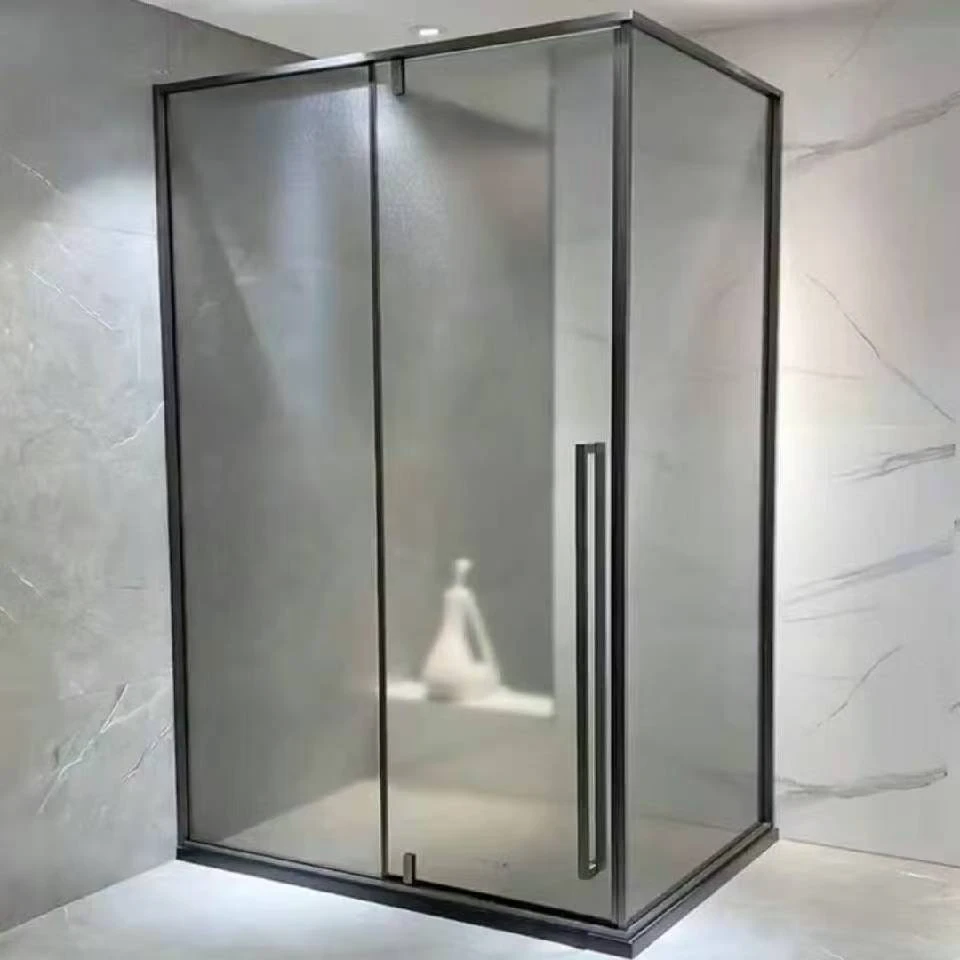
Using white coated glass for privacy screens and decorative walls in luxury hotels, providing a soft, diffused light that complements the rainy climate.

04. Arctic Research Station Facades

Deployment of heavy-duty, multi-layered clear glass with advanced thermal breaks to prevent frost accumulation on interior surfaces.

05. Luxury Residential Sunrooms

Combining clear glass low iron with solar-control coatings to create bright, warm living spaces that capture every minute of the polar sun.

Brand Story

Global Development Journey of Wangmei Industrial Group Co., Ltd.

Foundational Excellence

Established with a mission to redefine transparency, we began by mastering the core physics of float glass production.

Technological Breakthrough

Invested in high-purity raw materials to develop ultra-clear low-iron glass, solving the "green tint" pain point for global architects.

Global Expansion

Expanded operations into the European market, adapting our thermal coatings to meet the rigorous standards of Northern Europe.

Sustainable Innovation

Launched a series of eco-friendly coated glasses that prioritize both human comfort and planetary health.

The Vision for Tomorrow

Continuing to push the boundaries of glass science to create the most energy-efficient building envelopes in the world.

Comprehensive Glass Portfolio for Norway

A curated selection of high-performance glass products designed for the Norwegian market.

Common Questions Regarding Glass Solutions in Norway

Expert answers to technical queries about flat glass performance in cold climates.

How does dual low e glass improve energy efficiency in Norwegian winters?

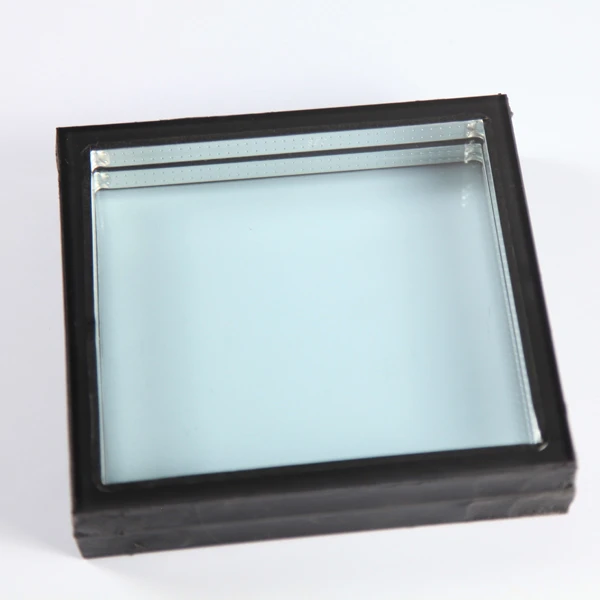
Dual Low-E glass utilizes two layers of silver coating to reflect heat back into the room, significantly reducing the U-value and preventing the cold from penetrating the interior.

What are the advantages of low iron glass sheet for residential projects in the North?

Low iron glass removes the typical green tint, allowing more natural light to enter the home, which is crucial for combating Seasonal Affective Disorder (SAD) during dark winters.

Can white coated glass be used for external facades in rainy climates like Bergen?

Yes, when properly tempered and laminated, white coated glass provides an elegant, matte finish that is highly durable and resistant to environmental weathering.

Is clear glass low iron more durable than standard float glass?

In terms of structural strength, they are similar; however, low iron glass provides superior optical performance and is often used as the base for high-end tempered products.

What is the recommended thickness for float glass in high-wind coastal areas of Norway?

Depending on the wind load calculations, we typically recommend laminated safety glass with a minimum thickness of 8mm to 12mm for coastal exposures.

How do I maintain the coatings on dual low e glass?

The coatings are located within the glass unit or on the surface; we recommend using non-abrasive cleaners and soft cloths to avoid scratching the high-performance layers.

Consult Our Glass Engineering Experts

Ready to upgrade your architectural project with high-performance glazing? Contact our specialists for customized solutions in Norway.

Contact Us Now

If you are interested in our products, you can choose to leave your information here, and we will be in touch with you shortly.