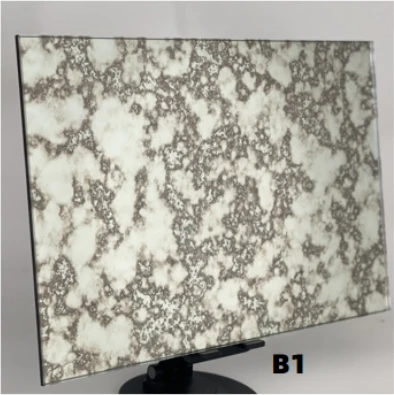
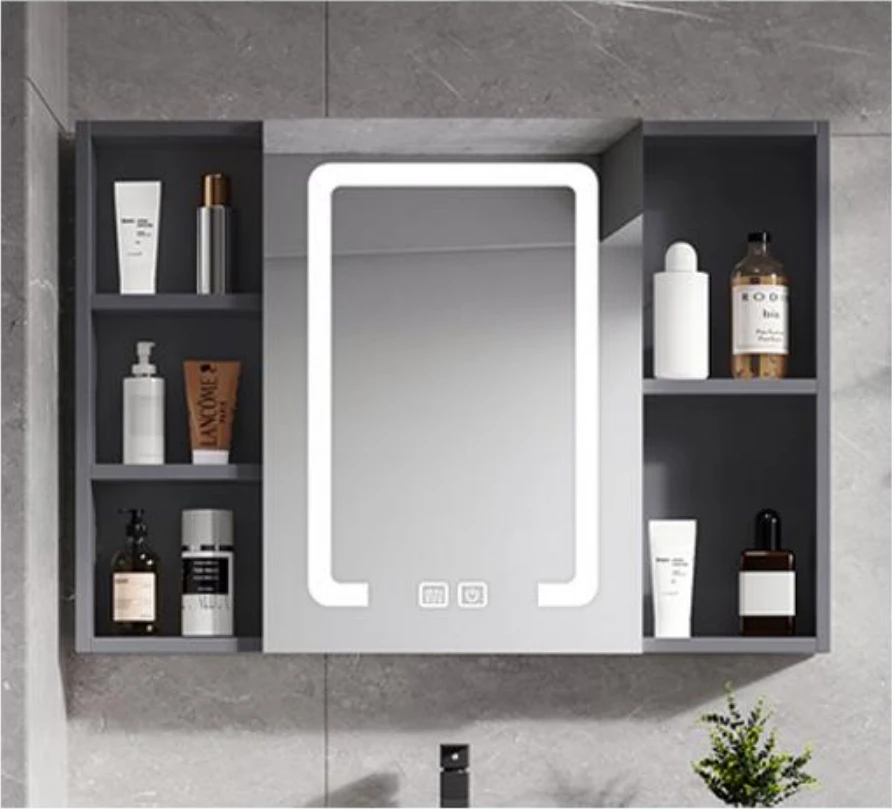
High-Performance low iron glass sheet Solutions for Myanmar

Premium architectural glass engineered to withstand Southeast Asia's tropical climate while maximizing natural luminosity and energy efficiency.

High-Performance low iron glass sheet Solutions for Myanmar

Providing Myanmar's construction sector with advanced glazing technologies, from crystal-clear clarity to high-thermal insulation, ensuring sustainable urban growth in Yangon and Mandalay.

The Glazing Landscape in Myanmar

Analyzing the intersection of tropical climate challenges and modern architectural demands.

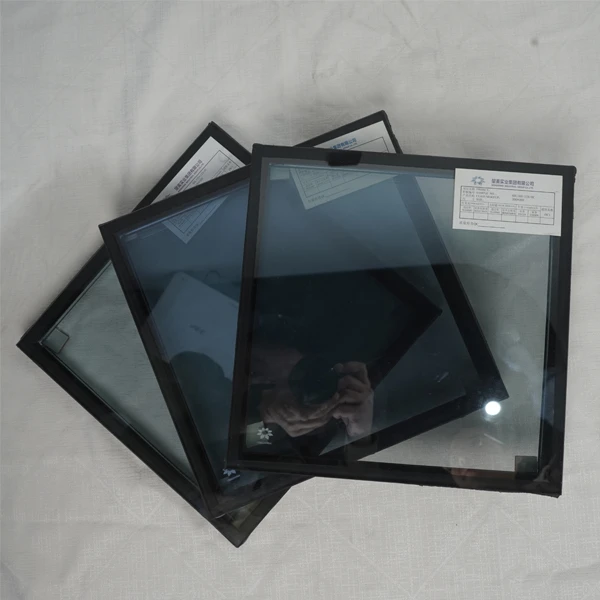
Myanmar's glass market is currently undergoing a transition from basic residential glazing to high-specification commercial facades. With the intense solar radiation characteristic of the region, there is a critical demand for dual low e glass to reduce cooling loads and mitigate the "urban heat island" effect in rapidly developing cities.

The prevalence of high humidity and coastal salinity in areas like Yangon requires materials with superior chemical stability. Standard float glass is increasingly being replaced by specialized coatings to prevent corrosion and maintain transparency over long lifecycles.

Economically, the shift toward luxury real estate and international hotel projects has spiked the demand for clear glass low iron, as architects prioritize maximum light transmission and a neutral color palette to enhance the aesthetics of modern interiors.
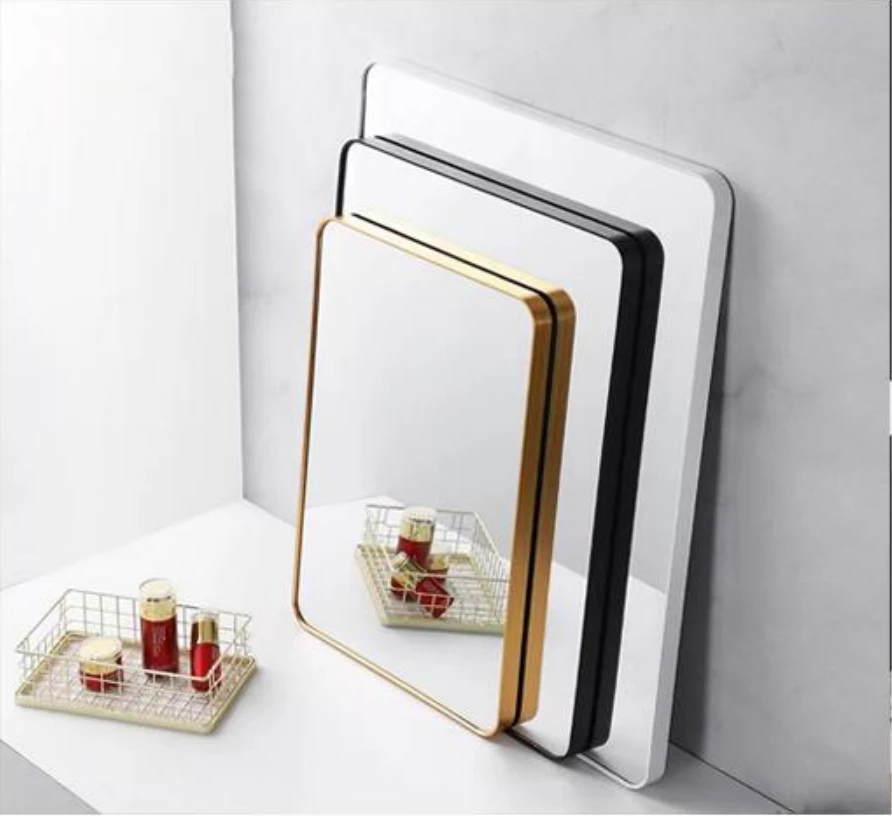
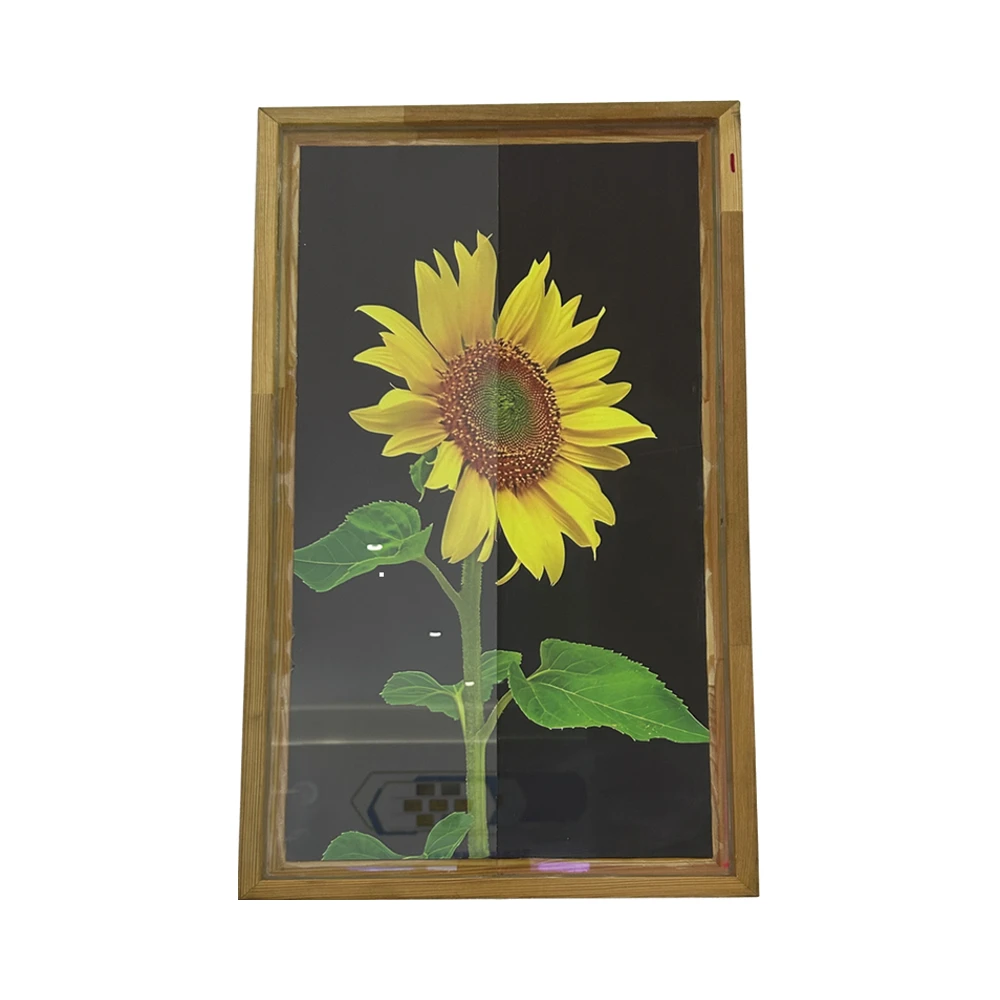
Evolution of Flat Glass Technology in Myanmar

From basic structural transparency to intelligent thermal management.

Market Development History

In the early 2000s, the Myanmar market was dominated by standard annealed glass, primarily used for basic windows. The priority was affordability and basic protection from monsoon rains, with little emphasis on thermal performance.

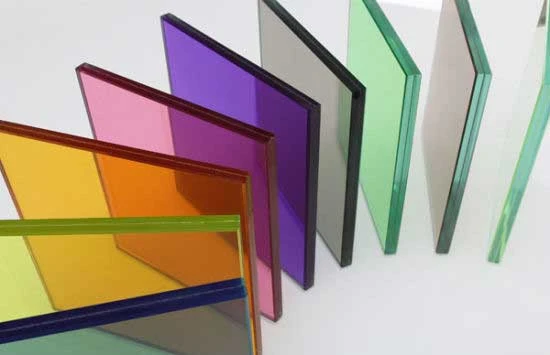
Between 2010 and 2018, a surge in foreign investment led to the introduction of tempered and laminated safety glasses. During this period, the industry began adopting white coated glass to provide basic solar control and privacy for corporate headquarters.

From 2019 to the present, the focus has shifted toward "Green Building" standards. This era marks the widespread adoption of high-transmittance low-iron series and complex double-silver coatings to meet global energy-saving certifications.

Future Development Trends

Integration of Smart Glazing

We anticipate a rise in electrochromic and photochromic glass that can adapt to Myanmar's fluctuating sunlight levels in real-time.

Ultra-High Thermal Insulation

The evolution of triple-silver Low-E coatings will become standard to further decrease dependence on energy-intensive HVAC systems.

Sustainable Raw Material Sourcing

A move toward recycled cullet and carbon-neutral manufacturing processes to align with global ESG goals in the manufacturing sector.

Industry Trends and Future Outlook

Strategic forecasting for the non-metallic mineral products sector in Myanmar.

Thermal Efficiency Optimization
Increasing adoption of multi-layered coatings to combat extreme heat in tropical zones.
High-Clarity Aesthetics
Preference for ultra-clear glass in high-end retail and museum displays.
Sustainable Fabrication
Transition to low-carbon melting processes and energy-efficient kilns.
Urbanization Scaling
Increased demand for large-format sheets for skyscraper curtains.

Industry Outlook

Based on regional search trends, there is a growing interest in "Energy-Efficient Glazing" within the Myanmar construction sector. As energy costs fluctuate, the industry is pivoting toward passive cooling strategies, making high-performance coatings a necessity rather than a luxury.

Over the next 3-5 years, the integration of BIPV (Building Integrated Photovoltaics) into flat glass manufacturing is expected to emerge as the next frontier, allowing buildings in sunny Myanmar to generate power through their windows.

Localized Application Scenarios in Myanmar

Practical implementations of advanced glass technology in diverse regional environments.

1. Yangon Luxury High-Rise Facades

Utilizing dual low e glass to maintain interior cool temperatures while offering panoramic views of the city skyline, reducing the carbon footprint of large-scale commercial buildings.

2. Mandalay Retail Showrooms

Implementation of clear glass low iron for jewelry and high-end electronics stores to ensure absolute color accuracy and maximum transparency under bright sunlight.

3. Coastal Resort Greenhouses

Application of specialized float glass with anti-corrosive treatments to withstand the salty air of Ngapali beach while providing optimal light for tropical plants.

4. Government Office Privacy Screens

Integrating white coated glass for interior partitions, balancing the need for diffused natural light with the requirement for professional confidentiality.

5. Modern Residential Sunrooms

Using high-strength low-iron sheets to create seamless, airy living spaces that blend the interior with Myanmar's lush natural surroundings without the green tint of standard glass.

Brand Story

Global Development Journey of Wangmei Industrial Group Co., Ltd.

Foundational Excellence

Established with a mission to redefine transparency, we began by optimizing the basic chemical composition of float glass for global industrial use.

Technological Breakthroughs

We pioneered the integration of low-iron raw materials, solving the "green tint" problem for architects worldwide.

Global Expansion

Expanding our reach into Southeast Asia, we customized our product lines to meet the specific humidity and heat challenges of the tropics.

Sustainable Innovation

Investing in Low-E coating technology to help our clients reduce energy consumption and achieve LEED certifications.

Future Vision

Our current goal is to lead the transition toward smart, energy-generating glass surfaces for the next generation of urban living.

Complete Glass Product Portfolio for Myanmar

A comprehensive range of architectural and industrial glass tailored for Myanmar's environmental requirements.

Common Questions in Myanmar Glass Market

Expert answers to technical and logistical queries regarding flat glass procurement.

What is the main advantage of low iron glass sheet over standard float glass in tropical climates?

Low iron glass removes the greenish tint of standard glass, providing higher light transmission and better color rendering, which is ideal for high-end architectural projects in Myanmar.

How does dual low e glass help in reducing electricity bills for Yangon offices?

Dual Low-E glass reflects a significant portion of infrared heat while allowing visible light to pass through, drastically reducing the load on air conditioning systems.

Can white coated glass be used for exterior facades in Mandalay?

Yes, white coated glass is excellent for diffusing sunlight and providing privacy, making it a great choice for the intense sunlight conditions in Upper Myanmar.

What is the durability of clear glass low iron in humid coastal regions?

When properly tempered or laminated, low iron glass is highly durable. We recommend specific edge treatments to prevent moisture ingress in coastal areas.

How is the shipping of large float glass sheets handled to Myanmar ports?

We utilize specialized A-frame seaworthy packing and moisture-proof wrapping to ensure that all sheets arrive at Yangon or Thilawa ports without breakage.

Which glass thickness is recommended for high-rise curtain walls in Myanmar?

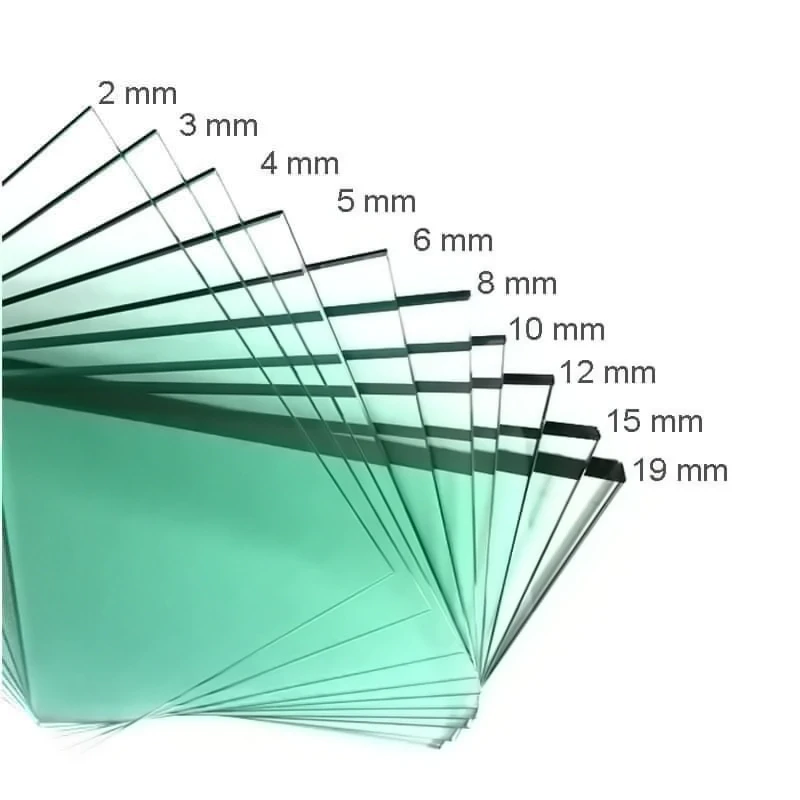
Depending on wind load calculations, we typically recommend 6mm to 12mm tempered low-iron glass as part of a Double Glazed Unit (DGU) for maximum safety and efficiency.

Ready to Upgrade Your Glazing?

Our technical experts are ready to provide customized flat glass solutions for your next project in Myanmar.

Contact Us Now

If you are interested in our products, you can choose to leave your information here, and we will be in touch with you shortly.