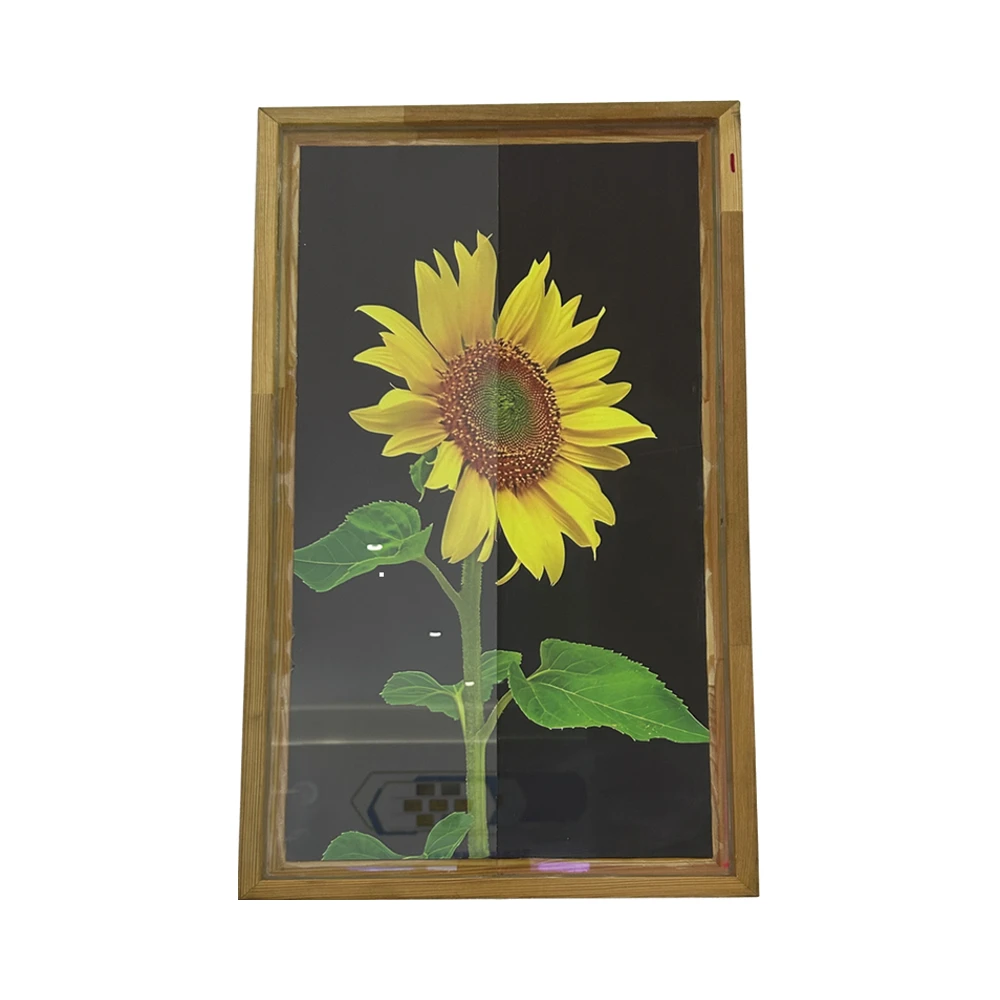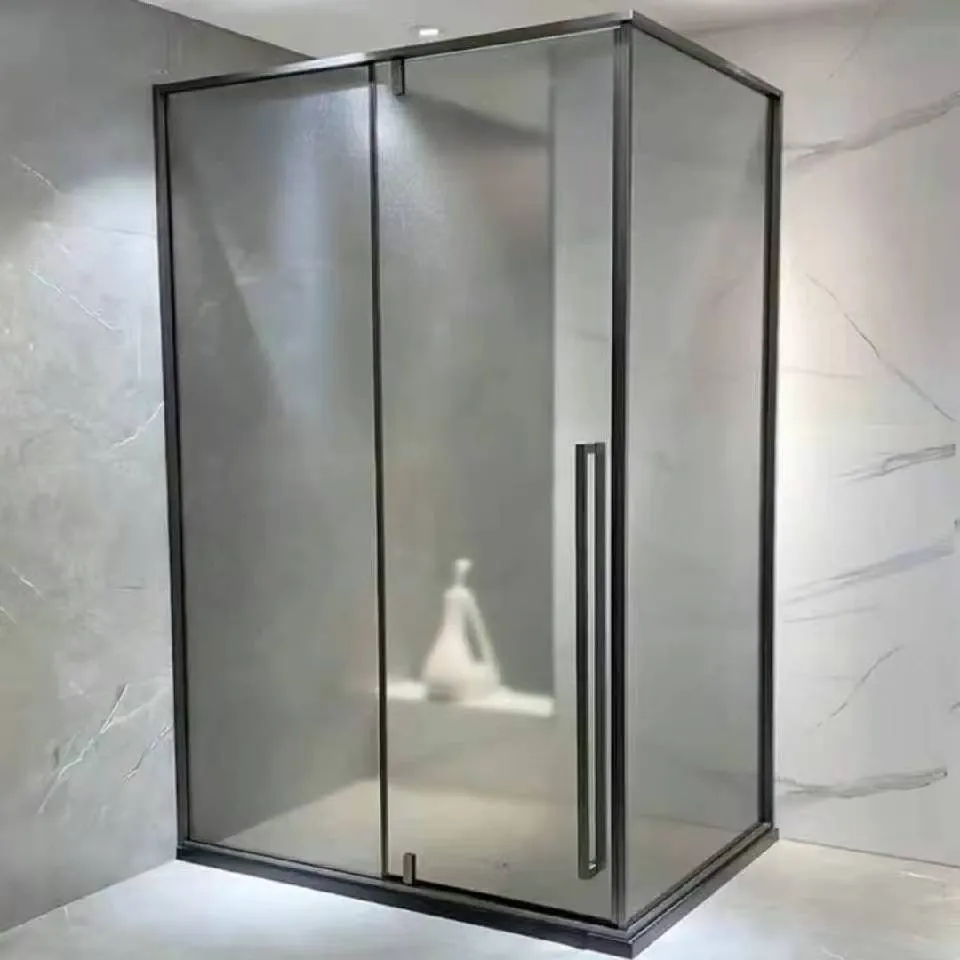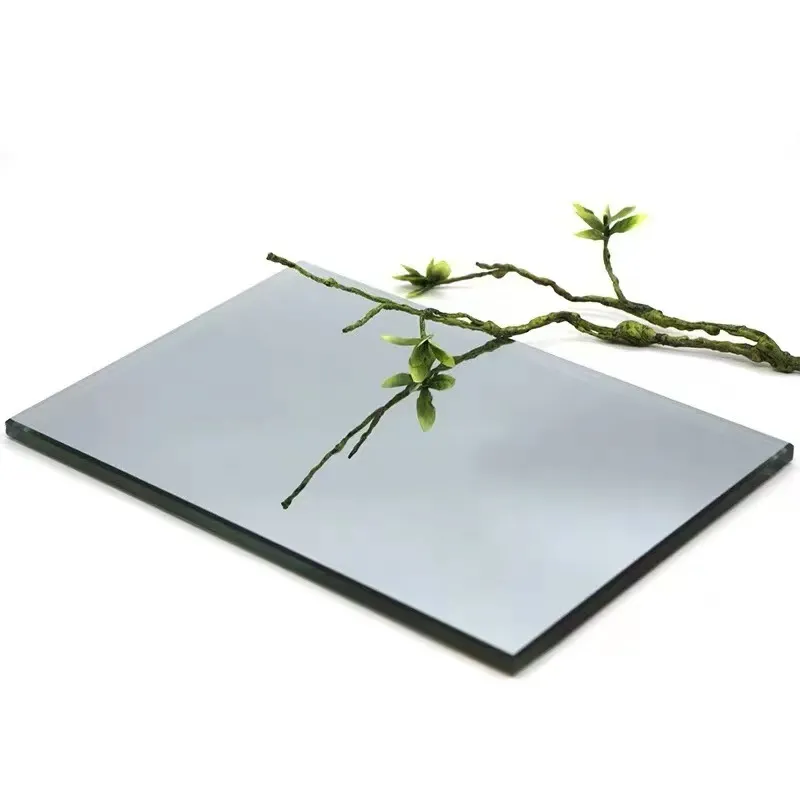
Glass has quietly transformed from a simple transparent material into a versatile tech component, remarkably so when it’s dipped into coated glass. This deceptively simple-sounding process—coating glass for enhanced properties—matters on multiple fronts. Globally, industries ranging from construction to renewable energy rely on coated glass for better thermal control, durability, and aesthetics. Knowing how and why into coated glass matters will help engineers, architects, and supply chain managers sharpen their choices in a rapidly evolving market.
Did you know that the global architectural glass market size surpassed USD 150 billion in 2023, with coated glass capturing a significant share? According to recent ISO standards (ISO 12543 series), coated glass improves energy efficiency—a pressing challenge given climate change goals set by the UN.
Energy inefficiency in buildings accounts for roughly 28% of global carbon emissions, so innovations like low-emissivity coatings directly address this massive problem. Industry experts estimate that buildings fitted with coated glass reduce heat loss by up to 40%, which not only lowers energy costs but helps nations inch toward their green targets. So, while coated glass might seem niche, its impact cascades from skyscrapers in New York to solar farms in India.
Into coated glass isn’t just a fancy architectural gimmick—it's a frontline solution for energy sustainability worldwide.
Put simply, “into coated glass” refers to the process of applying thin functional layers—metallic, dielectric, or polymer-based—onto glass surfaces to bestow them with new features. Think of it as high-tech armor for your windows. This glazing technology can make glass reflective, anti-reflective, self-cleaning, or heat-controlling.
This tech is intertwined with modern needs: conservation of energy in buildings, improving solar panel efficiency, or even enhancing the safety glass in cars and airplanes. So, “into coated glass” isn’t just jargon; it’s a crucial link between raw material and a smarter, more adaptive product.
Coatings must withstand UV exposure, humidity, and temperature swings without peeling or discoloring. In coastal environments, for example, salt spray can hamper performance; advanced coatings are designed precisely to resist that.
Low-E (low emissivity) coatings reflect infrared energy, keeping interiors cooler in summer and warmer in winter. This reduces reliance on HVAC systems, saving money and carbon emissions.
Nobody wants foggy or tinted windows unless intended. Quality coatings maintain transparency and can add subtle color effects for design flair.
Mass production of coated glass needs consistency, but many manufacturers offer bespoke coatings tailored to climates, building codes, or client specifications.
How eco-friendly the coating materials are—solvent use, recyclability, and production energy—plays a growing role in vendor selection and project approval.
If you’re buying into coated glass, look beyond price. Durability and energy functions are worth every penny.
From the glass facades of smart skyscrapers in Dubai to photovoltaic panels powering rural clinics in sub-Saharan Africa, coated glass turns up in surprising places. Here’s a quick snapshot:
Oddly enough, even art museums use coated glass to protect priceless artifacts from UV damage while keeping displays crystal clear.
Into coated glass adapts across climates and sectors, proving its versatility beyond your average window pane.
| Specification | Typical Value | Unit |
|---|---|---|
| Thickness of Glass | 4–12 | mm |
| Coating Thickness | 40–200 | nm (nanometers) |
| Visible Light Transmission (VLT) | 70–90 | % |
| U-Value (Thermal Conductivity) | 1.1–2.5 | W/m²·K |
| Emissivity | 0.02–0.15 | Coefficient |
| Vendor | Primary Coating Type | Customization | Sustainability Focus | Lead Time (Standard Order) |
|---|---|---|---|---|
| WangMei Glass | Low-E into coated glass | High (tailored specs) | Eco-certified manufacturing | 3 weeks |
| NovaGlass Tech | Solar control | Medium | Partial recycling focus | 4 weeks |
| ClearCoat LLC | Anti-reflective | Low | Minimal green certifications | 2 weeks |
Choosing coated glass feels like investing in a smarter future. It delivers real-world energy savings that stack up over time. Safety features reduce accident risks. Aesthetics uplift property value. I even heard a building manager in Berlin say their coated-glass windows “pay themselves off within five years through energy bills alone.” Add to this, the peace of mind from environmental responsibility — it’s a rare win-win.
We’re on the edge of some pretty exciting breakthroughs. Roll-to-roll coating methods promise cheaper, faster production. Advances in nanotechnology might give coatings self-healing properties — yes, microscopic “repairs” that keep glass pristine for decades.
Integration with digital tech means adaptive coatings that react dynamically to sunlight or temperature — smart windows that optimize themselves in real time. And of course, green chemistry initiatives aim to reduce hazardous waste from coating processes.
Of course, not every project goes perfectly. Sometimes coatings degrade prematurely due to poor installation or harsh environments. High upfront costs can deter some buyers. Yet, many companies offer warranty-backed products and provide detailed training to installers.
Innovations in coating materials (like plasma-enhanced chemical vapor deposition) make coatings more durable without driving up prices. Plus, supporting policies and subsidies for energy-efficient buildings are making it easier for buyers to choose coated glass.
In real terms, investing in into coated glass isn’t just about a better window or solar panel — it’s about joining a smarter, more sustainable movement. The technology offers tangible financial savings, supports global climate goals, and even enhances human comfort and safety. If you’re on the fence, consider how this seemingly simple innovation fits into your bigger picture.
Still curious? Visit our website to explore more specifications, custom solutions, and success stories.


If you are interested in our products, you can choose to leave your information here, and we will be in touch with you shortly.