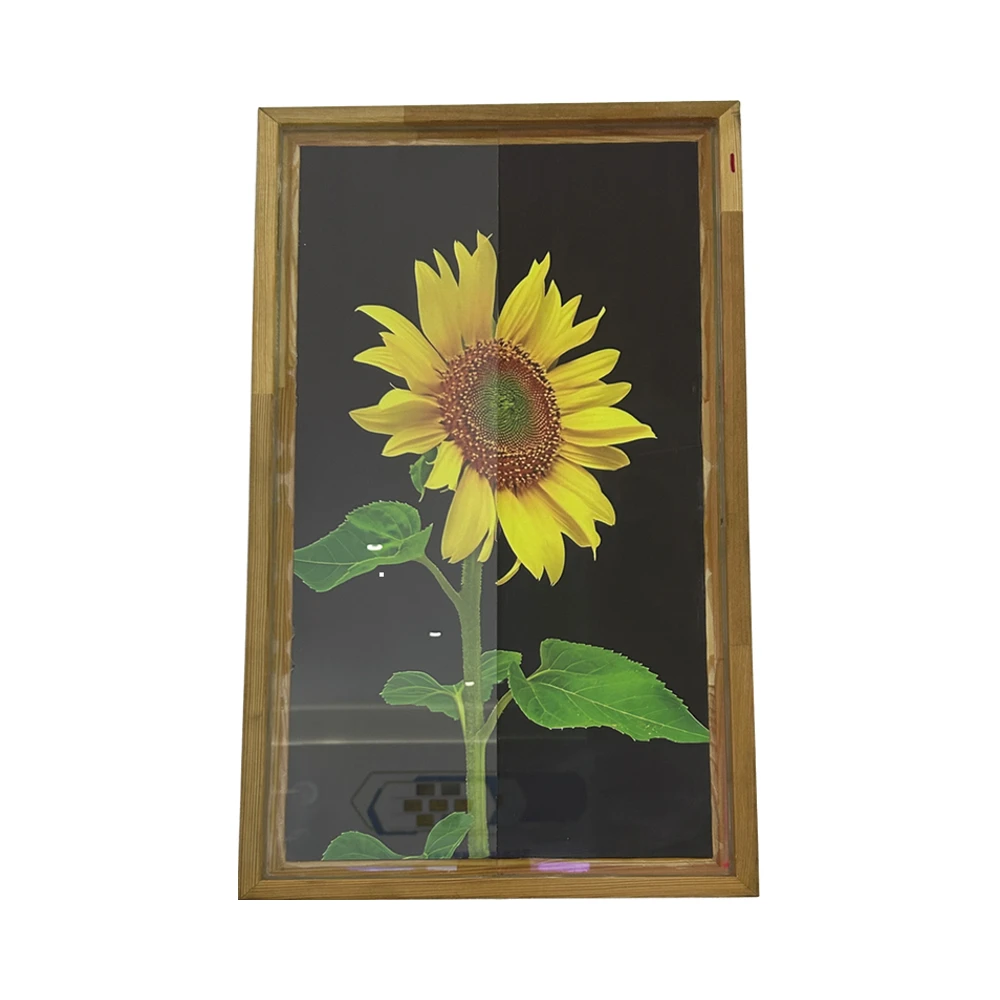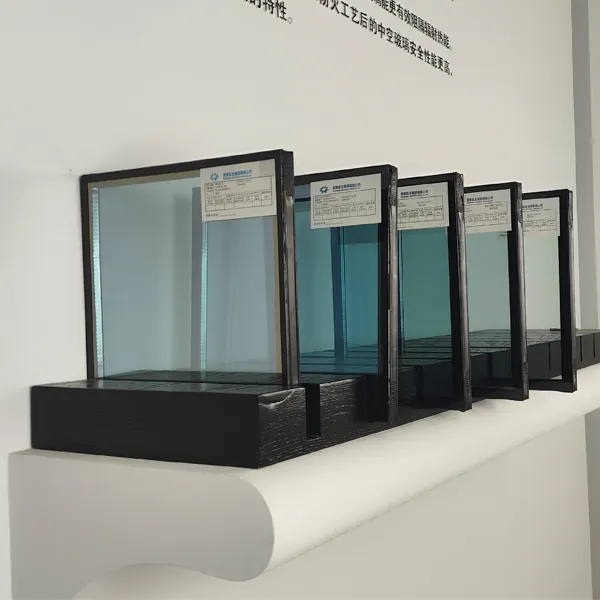
Coated glass might seem like a small detail in the sprawling world of modern materials, but it quietly underpins some of the most vital industries today — from energy-efficient architecture to cutting-edge automotive designs. Understanding coated glass manufacturers is more than a nod to industry insiders; it's about appreciating how innovation in glass coating drives sustainability, performance, and even humanitarian progress worldwide.
Globally, the demand for smarter building materials is swelling. According to the International Energy Agency (IEA), buildings account for nearly 40% of global energy consumption, and glazing innovations play a major role in reducing that footprint. Coated glass manufacturers supply the customized panels and films that enable windows to block harmful UV rays, increase insulation, and even generate solar power.
However, the challenge lies in balancing cost, performance, and scalability. Emerging economies are quick to adopt energy-efficient glass, but production bottlenecks or lack of local suppliers can hinder progress. This is where coated glass manufacturers worldwide step in — supplying products that harmonize performance with affordability.
Simply put, coated glass manufacturers produce glass panels layered with ultra-thin materials that alter light and heat transfer properties. These coatings can be metallic, ceramic, or polymer-based, each tailored to specific applications. Think: thermal insulation coatings for skyscrapers, anti-reflective coatings for solar panels, or mirror-like coatings for aesthetic façades.
This field merges industrial chemistry, material science, and precision engineering — all crucial to modern construction, automotive, and tech industries. In humanitarian terms, coated glass can enhance shelters or hospitals in extreme climates, improving comfort without high energy costs.
Coated glass layers must withstand harsh weather, abrasion, and time without degrading optical or thermal properties. Many manufacturers innovate with nano-coatings or multi-layer films that boost lifespan without sacrificing performance.
Meeting the growing demand globally means producing consistently high-quality coated glass at scale. Production lines vary in throughput, from modest batches for boutique projects to massive runs for skyscraper cladding.
Cost remains critical, especially for affordable housing or emerging markets. Leading manufacturers optimize material use and energy inputs, passing savings to customers without shortcuts on quality.
Today’s market craves tailored solutions — low-emissivity (Low-E) coatings, solar control films, decorative patterns — that fit diverse design needs. Agile manufacturers invest in research to adapt coatings for unique climates and architectural styles.
Low-VOC coatings, recyclable substrates, and energy-saving manufacturing practices are increasingly standard. This greening of production aligns with stricter global regulations and consumer demand.
Applications span far and wide. In architecture, energy-efficient glass coated with heat-reflective layers helps cut heating and cooling bills dramatically across cold or hot climates. Solar farms rely on anti-reflective glass coatings to boost light penetration and efficiency. Even in automotive, coated glass reduces glare and UV exposure, extending passenger comfort and dashboard longevity.
Notably, humanitarian organizations deploy coated glass in emergency shelters in disaster zones: coatings lessen thermal extremes, enhancing occupant wellbeing where power access is scarce.
Regions such as Europe and East Asia lead in high-tech products, but South Asia and Africa are rapidly expanding as coated glass manufacturers set up localized production hubs.
In Nepal’s earthquake relief effort of 2015, rapid-deployment shelters with coated glass panels provided thermal protection, enabling families to stay warm without fuel-heavy heating. That small detail made a huge difference in recovery comfort.
Emotionally, choosing the right coated glass tells a story of caring for the environment and community, not just ticking technical specs.
| Specification | Typical Range | Application |
|---|---|---|
| Thickness | 4 mm – 12 mm | Windows, Façade |
| Solar Control Factor | 0.2 – 0.6 (varies) | Energy efficiency |
| Light Transmission | 50% – 80% | Daylighting, clarity |
| Emissivity | 0.03 – 0.2 | Thermal retention |
| Coating Type | Low-E, Anti-reflective, Hard coat | Varies by application |
| Manufacturer | Production Scale | Specialties | Sustainability Initiatives | Typical Lead Times |
|---|---|---|---|---|
| Wangmei Glass Co. | High (100,000 m²/month) | Low-E & solar control | Energy-efficient production | 4-6 weeks |
| GlobalGlass Inc. | Medium (50,000 m²/month) | Decorative & anti-reflective | Waste recycling programs | 6-8 weeks |
| EcoPane | Small (20,000 m²/month) | Green coatings & recycled glass | Fully sustainable supply chain | 8-10 weeks |
Advances in nanotechnology will deepen coating functionality — imagine glass that cleans itself or dynamically adapts to light levels. Digital manufacturing and AI-driven quality control will boost consistency and reduce waste. Green energy use in plants and circular economy approaches (like reclaiming used glass coatings) are rapidly gaining ground.
Policymakers tightening building codes globally will only increase demand for advanced coated glass solutions. Manufacturers who innovate sustainably will lead tomorrow’s market.
Of course, setbacks exist. Scaling production without defects, controlling costs while adopting new technologies, and ensuring coatings don’t impact recyclability are ongoing puzzles. I’ve noticed some companies are solving these by modularizing production lines, adopting hybrid coating materials, or partnering with recycling facilities.
Plus, connecting with developers to co-create products ensures coatings meet real needs, not just theoretical specs.
A: They use advanced multi-layer coatings tested rigorously against UV, moisture, and abrasion. Many simulate years of weathering to guarantee product lifespan.
A: Architecture, automotive, solar energy, and even aerospace rely heavily on coated glass for performance, safety, and efficiency.
A: Absolutely. Manufacturers typically offer tailored coatings with variable thickness, color tint, and performance specs.
A: Depending on scale and complexity, lead times usually range from 4 to 10 weeks, with an option for faster delivery on standard products.
A: Yes, many coated glass products contribute to LEED and BREEAM credits by improving energy efficiency and indoor environmental quality.
Whether you're an architect, a project manager, or just someone passionate about sustainability, recognizing the role of coated glass manufacturers feels like uncovering a layer of the modern world often overlooked. They bring together science, design, and responsibility — shaping the way we build, drive, and even live.
If this caught your interest, good news — coated glass manufacturers like Wangmei Glass Co. are leading this evolution. Check out their product range, latest innovations, and how they can fit your next project.
Stay curious — the future shines bright through coated glass.
2026-04-07
Enhance Your Home Decor with an Ornate Silver Full Length Mirror


If you are interested in our products, you can choose to leave your information here, and we will be in touch with you shortly.