In a world increasingly focused on energy efficiency and sustainability, low e 340 glass quietly plays a surprisingly pivotal role. But what is this glass exactly, and why does it matter so much globally? Simply put, low e 340 glass refers to a type of specialized “low emissivity” glass treated to reflect infrared energy while maximizing natural light. The “340” descriptor generally relates to specific performance metrics, often indicating a balance between light transmission and heat reflection suitable for advanced architectural applications.
Understanding this glass is not just a matter of technical specs but ties directly into reducing global energy consumption for heating and cooling — which accounts for roughly 40% of worldwide energy use according to the International Energy Agency (IEA). Efficient glass like low e 340 significantly cuts building energy demands, improving occupant comfort and cutting emissions. It’s a fascinating slice of the sustainability puzzle.
Buildings worldwide contribute an estimated 30% of all greenhouse gas emissions, mainly due to heating and cooling inefficiencies (UN Environment Programme, 2022). In this context, window technology — especially energy-efficient glazing — is a global game changer.
Low e 340 glass stands out because it strikes a balance between allowing daylight and blocking unwanted heat transfer. This makes it not only a feature of upscale green architecture but increasingly essential in emerging markets where energy costs and climate control are critical challenges.
What problems does it tackle? Excess solar heat in summer, heat loss in winter, glare, and even UV damage to interiors. It’s quite clever, frankly.
Mini takeaway: Low e 340 glass is a technology at the intersection of global sustainability goals and practical building needs, crucial for reducing energy footprint.
The term “Low E” means “low emissivity,” referencing coatings that minimize the amount of infrared and ultraviolet light passing through the glass without compromising visible light transmission.
The “340” typically references a specific solar heat gain coefficient or performance standard, signaling a moderate solar reflectance value. This type of glass commonly uses sputtered coatings that combine metal oxides to achieve its desirable properties.
In essence, low e 340 glass helps keep interiors comfortable by letting natural sunlight in while reducing heat exchange, which appeals both to homeowners and large-scale commercial developers. It also supports humanitarian efforts in extreme climates, where regulating indoor temperature with minimal power use can be a matter of safety and dignity.
Mini takeaway: Low e 340 glass is coated window glass designed to keep buildings energy-efficient and comfortable by managing light and heat transfer intelligently.
This glass is engineered to withstand environmental stress such as weathering and cleaning chemicals, often certified to standards like ASTM E2190 for laminated glass to ensure longevity. In practical terms, it needs to last decades without degrading its performance.
Low e 340 glass permits roughly 60-70% of visible light, striking a balance that avoids interiors feeling gloomy while managing heat load. Strange how more glass doesn't always mean more daylight, right?
The low emissivity coating reduces heat transfer to keep interiors cooler in summer and warmer in winter. This is the bread and butter of energy savings.
While pricier than standard glass, the energy savings often offset the initial investment within a few years, especially in climates with significant temperature variation.
Made to improve building sustainability, it supports green building certifications such as LEED and BREEAM, contributing directly to lower carbon footprints.
| Characteristic | Typical Value/Range | Notes |
|---|---|---|
| Visible Light Transmission (VLT) | 60-70% | Balancing daylight & glare |
| Solar Heat Gain Coefficient (SHGC) | ~0.34 | Indicative of "340" designation |
| U-Value (thermal transmittance) | 1.1-1.3 W/m²·K | Lower values = better insulation |
| Coating Type | Sputtered metal oxide | Durable, optical clarity |
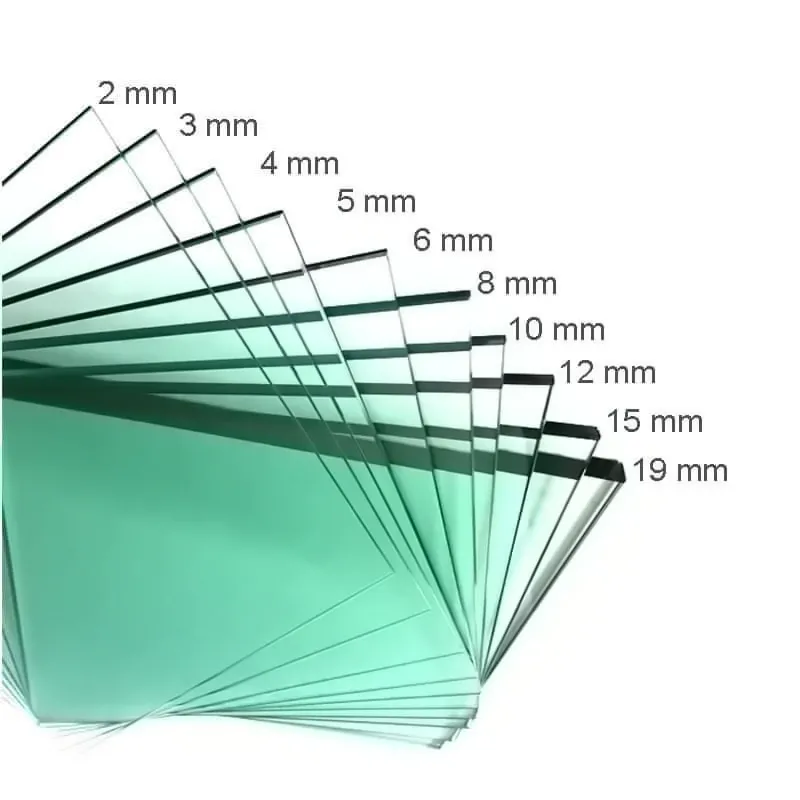
| Normal Application Thickness | 4-6 mm | Often laminated or insulated glass units |
Mini takeaway: These key specs determine how well low e 340 glass optimizes light, heat, durability, and cost-performance.
Low e 340 glass finds diverse applications worldwide. In cold regions like northern Europe and Canada, it helps retain interior heat without sacrificing daylight — crucial during long winters. Meanwhile, in hot climates across parts of the Middle East or Southeast Asia, it limits solar heat gain, reducing cooling demands.
Commercial office buildings, hospitals, and educational campuses often use this glass to meet strict energy codes. Oddly enough, NGOs working in remote or post-disaster zones have also started using it for temporary shelters and modular units — cutting cooling costs where electricity is scarce or unreliable.
You’ll find governments and corporations alike turning to low e 340 glass when the goal is to hit both economic and sustainability targets.
Mini takeaway: Its balance of performance makes low e 340 glass versatile for climates and construction types, from permanent architecture to humanitarian solutions.
Emotionally, investing in such technology feels like committing to something better for the future — safer, smarter, more dignified living and working spaces.
Mini takeaway: Low e 340 glass is a long-term investment with multifaceted benefits — money, environment, and quality of life.
The future of low e glass points toward smarter, adaptive coatings that respond dynamically to temperature and light changes, often called “switchable” or electrochromic glass. You might soon see low e 340 variants integrated with digital sensors and automation systems that tint or clear based on conditions.
Materials science is also pushing coatings that are even more durable and environmentally friendly, reducing hazardous chemicals and energy during manufacture. And as green building standards tighten worldwide, demand for smarter low e solutions will inevitably skyrocket.
Low e 340 glass manufacturers are investing heavily in research to meet these future demands.
Mini takeaway: The horizon holds adaptive, smarter low e 340 glass technology that further revolutionizes sustainable building.
Despite benefits, challenges remain. Cost can be prohibitive for smaller developers or in lower-income countries. Also, performance depends heavily on correct installation and pairings with frames and insulation.
Experts recommend:
Some manufacturers now offer modular window units pre-fabricated to reduce onsite error — kind of handy.
Mini takeaway: Overcoming cost and installation barriers is key to unlocking full potential of low e 340 glass worldwide.
A1: Unlike tinted glass that mainly reduces visible light and heat by absorption, low e 340 glass uses coatings to reflect infrared energy, optimizing both heat retention and light transmission. This leads to better energy efficiency and less color distortion.
A2: Absolutely. It is commonly laminated or sealed within double or triple-pane insulated glass units to maximize thermal performance and reduce condensation.
A3: Yes, the coatings drastically reduce ultraviolet (UV) light transmission, protecting furniture and fabrics from fading without compromising daylight.
A4: Yes, by limiting solar heat gain, it reduces air conditioning loads — making it ideal for warm and humid environments.
A5: It requires the same routine cleaning as normal glass but avoid harsh abrasives or chemicals that could damage the coatings. Manufacturers often provide specific cleaning guidelines.
| Vendor | Coating Type | Typical Price Range (USD/m²) | Strengths | Limitations |
|---|---|---|---|---|
| Wangmei Glass | Sputtered multi-layer metal oxide | $28 - $35 | High durability, customizable sizes, strong global distribution | Lead times vary with volume |
| Guardian Industries | Sputtered silver-based low e | $30 - $37 | Innovative coatings, strong in NA market | Premium pricing |
| NSG Group (Pilkington) | Sputtered oxide layer | $27 - $34 | Good availability in Asia-Pacific, eco-certifications | Less customizable thickness |
Low e 340 glass represents the sweet spot in modern glazing technology — offering an effective way to save energy, improve comfort, and progress on sustainability goals globally. Whether you’re in a high-rise office in New York or building modular homes in tropical regions, this glass enhances building performance while protecting the planet.
Interested in exploring more or need tailored solutions? Visit Wangmei Glass to discover how low e 340 glass can be integrated into your next project.
Final reflection: It feels like every new building incorporating smarter glass technologies writes a little better story of how humanity lives with its environment — balancing comfort, efficiency, and care.
References:
2025-12-07
High-Quality Freestanding Mirror Silver for Industrial Use | Wangmei Glass
2025-12-11
Glass Mirror Silver: High-Performance Reflective Solutions for B2B Applications


If you are interested in our products, you can choose to leave your information here, and we will be in touch with you shortly.