03 Dec 2025
Low E Glass Types is a key solution in the Manufacturing industry, specifically within Building Materials Manufacturing and Architectural Glass Manufacturing. This article explores how Wangmei Industrial Group Co.,Ltd. supports professionals with durable, high-performance products, and explains why this product is an ideal choice for businesses in these sectors.
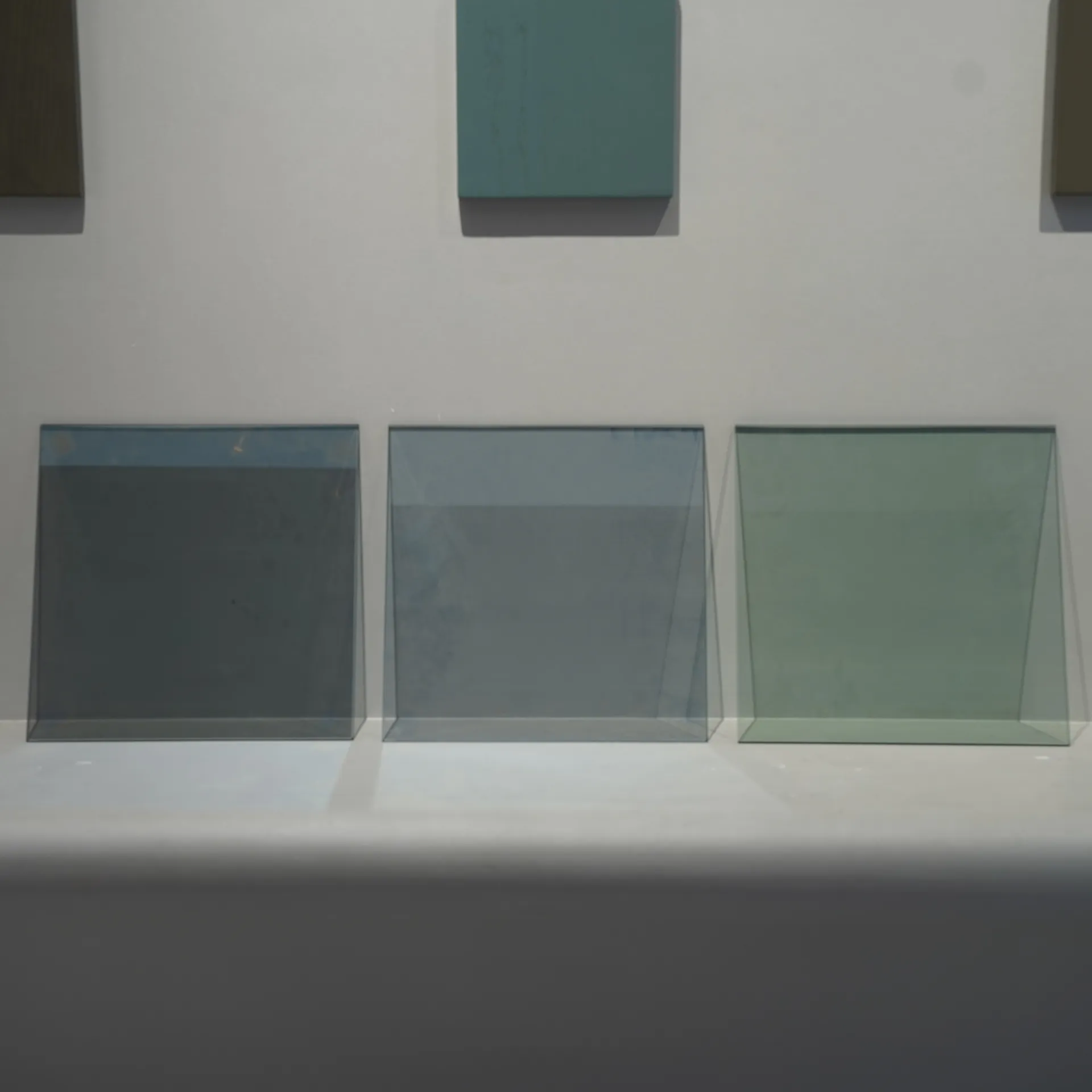
Low emissivity (Low‑E) glass is engineered to control heat flow and solar gain without sacrificing daylight. In Architectural Glass Manufacturing, Low E Glass Types typically include two families: pyrolytic (hard‑coat) and magnetron sputtered (soft‑coat) low e glass coating systems. Pyrolytic coatings are fused to the substrate during the float process, offering robust handling and suitability for single glazing. Sputtered coatings deliver the highest selectivity and are used inside insulated glass units (IGUs) as single‑silver, double‑silver, or triple‑silver stacks to fine‑tune U‑value, SHGC, and visible light transmittance. Typical performance ranges include emissivity ≈ 0.02–0.20, U‑values in high‑performance IGUs near 1.0–1.8 W/m²·K, and SHGC options from low‑solar to high‑daylight formulations.
Architects and fabricators deploy Low E Glass Types across commercial towers, healthcare facilities, education buildings, hospitality, and high‑end residential. In cooling‑dominated climates, double‑ or triple‑silver solar‑control coatings on #2 or #3 surfaces limit unwanted heat gain while maintaining neutral color and clear views. In heating‑dominated regions, passive low‑E formulations allow beneficial winter solar gain with superior insulation. These coatings integrate seamlessly into unitized curtain walls, stick systems, punched openings, and skylights. Paired with warm‑edge spacers, argon fill, and laminated interlayers, low‑E IGUs deliver comfort, glare control, and fade resistance for interior finishes.
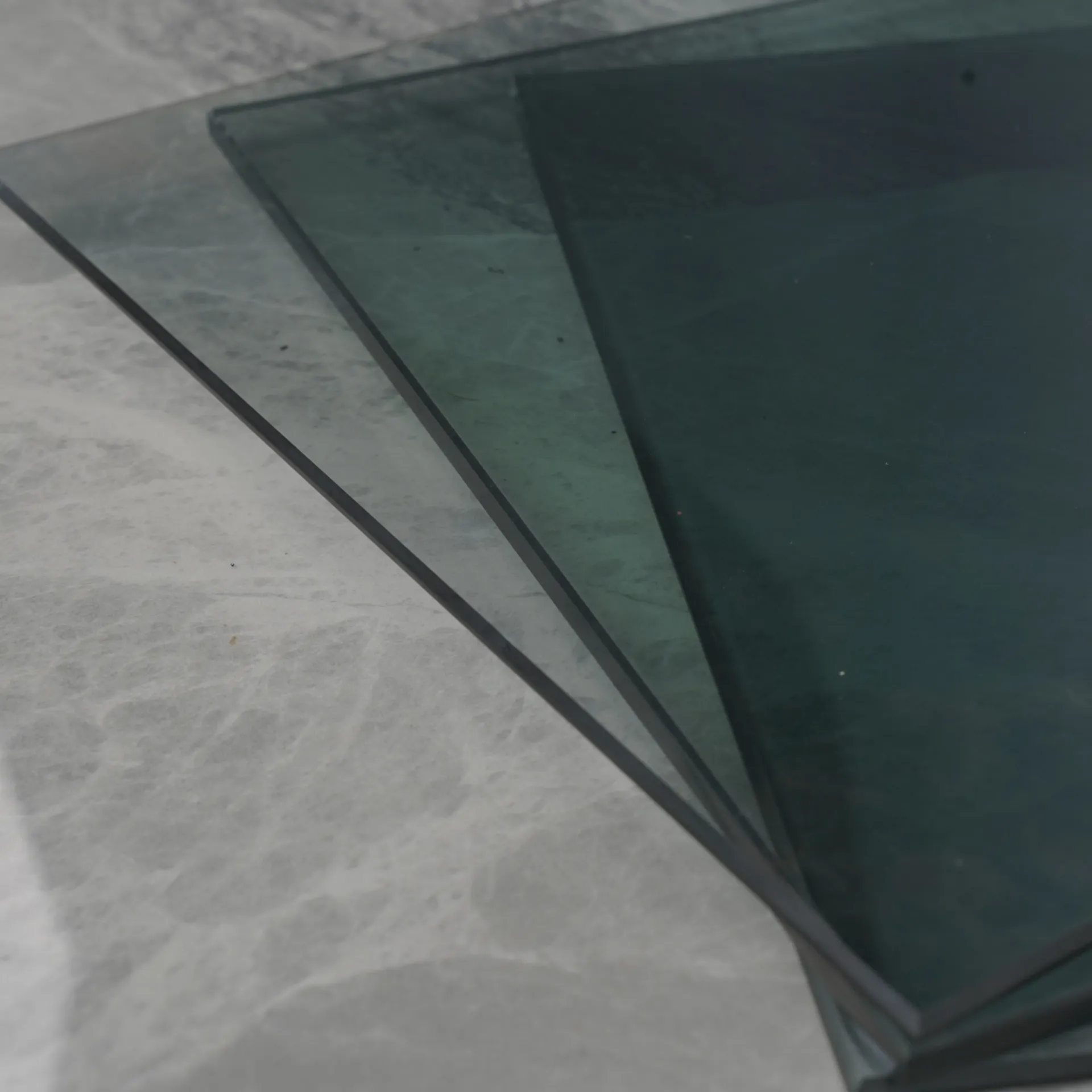
Total cost of ownership for Low E Glass Types is driven by energy savings, lifespan, and risk control. Although unit pricing is higher than clear glass, payback often arrives within a few years on mid‑ to large‑scale buildings due to HVAC downsizing and operational savings. Durable soft‑coat stacks enclosed within IGUs and robust pyrolytic options both support long service life when properly specified. Wangmei’s process controls minimize defects and yield losses, protecting budgets for OEMs, glaziers, and façade contractors. For maintenance, standard IGU cleaning procedures apply—use pH‑neutral solutions, soft pads, and avoid abrasive tools. For soft‑coat products, ensure the coating is located within the sealed cavity; site handling should prevent contact with the coated surface. Wangmei provides installation guidance for edge deletion, sealant compatibility, and spacer selection to maximize IGU durability and ROI.
Global energy codes and certifications (e.g., ASHRAE, IECC, EN standards, LEED, BREEAM) increasingly favor façade systems with lower U‑factors and tuned SHGC. Low E Glass Types directly support decarbonization goals by reducing operational energy and enabling right‑sized HVAC systems. Market trends point to neutral‑tone triple‑silver solar‑control coatings, low‑iron substrates for high CRI daylighting, warm‑edge technology, larger jumbo sizes, and advanced IGU configurations (double/triple glazing) that elevate performance without compromising design intent. Demand is also rising for transparency in embodied carbon and product environmental data.
Low E Glass Types are a proven lever for energy performance, comfort, and aesthetics in Manufacturing, Building Materials Manufacturing, and Architectural Glass Manufacturing. With hard‑coat and soft‑coat options, tuned silver stacks, and robust processing, Wangmei Industrial Group Co.,Ltd. delivers dependable low e glass that helps teams meet performance targets on schedule. From façade OEMs to glazing contractors, customers benefit from consistent optical quality, strong technical support, and competitive lead times. Explore Wangmei’s low e glass coating portfolio and find the right specification for your next project.