Metal coated glass might sound like something out of a sci-fi movie, but it’s very much part of our living world today — quietly shaping industries, architecture, and even humanitarian efforts. On a global level, its significance has been steadily rising as engineers, designers, and manufacturers acknowledge its unique blend of durability, energy efficiency, and aesthetic versatility.
So why should you care? Well, whether you’re in the construction business, energy sector, or even urban planning, understanding metal coated glass can unlock new possibilities for sustainability and performance. Plus, it’s helping reduce energy loads, improve structural integrity, and offer a modern flair that few traditional materials match.
The global glass coatings market continues to expand rapidly—an expected CAGR of over 7% through 2030 (credited by industry reports citing ISO standards). This growth is largely driven by metal coated glass, prized for its reflective and conductive properties that align perfectly with global sustainability goals.
Cities worldwide consume roughly 30% of energy for heating, cooling, and lighting in buildings — and guess what? Metal coated glass is proving an effective answer to this energy bloat. By reflecting infrared light and controlling solar heat gain, it reduces dependency on HVAC systems, lowering emissions.
From the soaring skyscrapers of Asia’s mega cities to solar panels in Mediterranean regions, metal coated glass is tackling issues like climate change adaptation, energy savings, and material longevity. It’s no wonder UN environmental targets encourage using such innovative materials to meet carbon-neutrality ambitions.
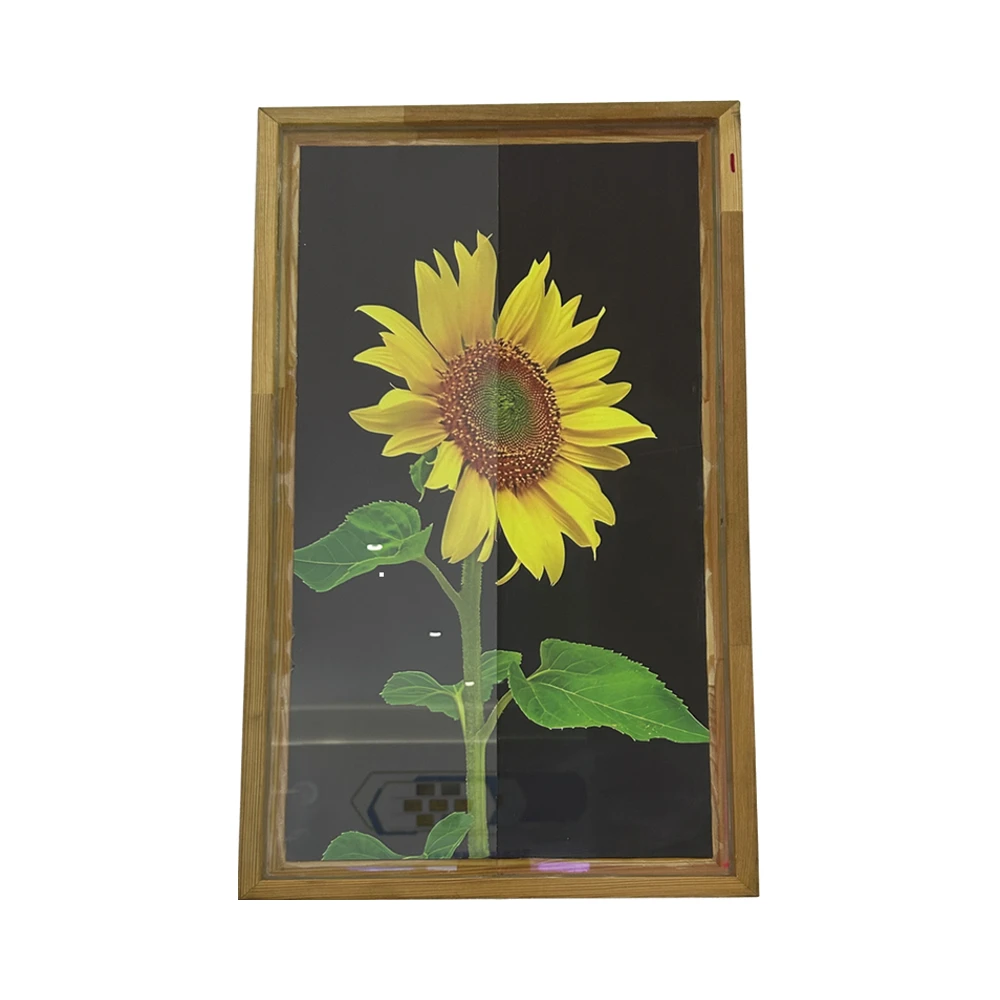
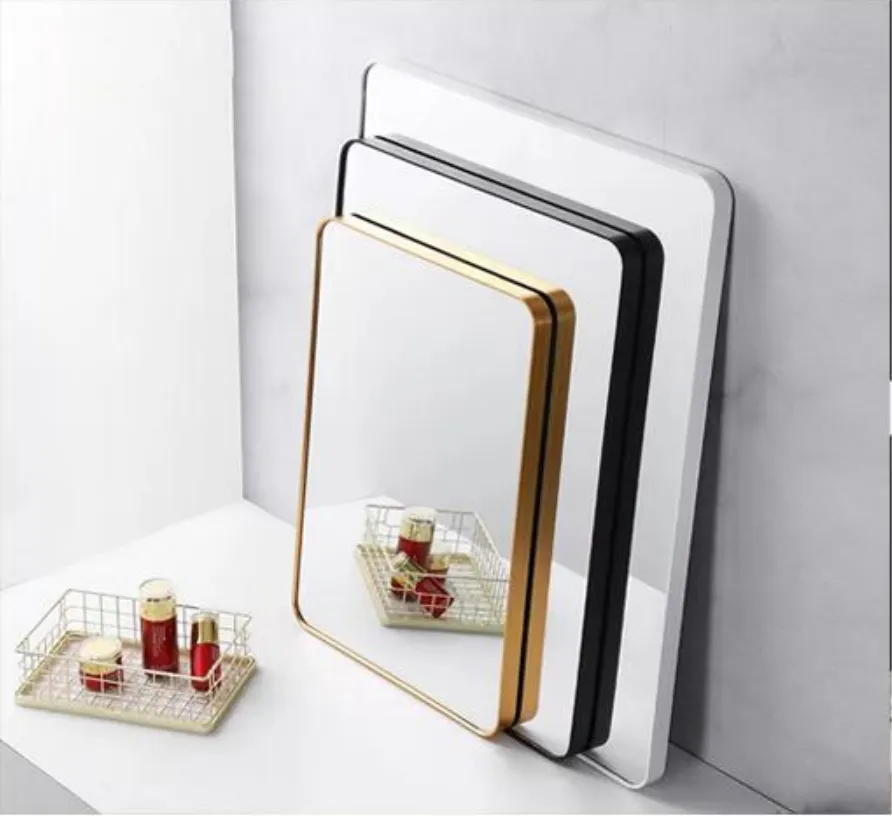
Simply put, metal coated glass is a glass pane — often clear or tempered — that has been treated by depositing a thin metal layer on one or both sides. This coating can consist of metals like silver, titanium, or chromium, chosen for their reflective, conductive, or protective qualities.
This process, called sputtering or vacuum coating, creates a film only nanometers thick but enough to radically change the glass’s behavior. It can reflect infrared radiation, provide UV filtering, enhance strength, or even support photovoltaic functions.
In practical terms, metal coated glass is vital in modern architecture (think energy-efficient windows), electronics (touch screens and solar cells), and transportation (automotive windshields with anti-glare properties). It’s kind of the secret ingredient making everyday glass smarter and more adaptable.
The metal layer adds a protective barrier against scratches, abrasion, and environmental wear. Depending on the metal and coating method, it can resist corrosion or chemical degradation, making it ideal for harsh climates.
Its ability to reflect infrared and UV rays means buildings stay cooler in summer and warmer in winter, directly cutting energy consumption. This property also helps meet stringent building codes aimed at sustainability.
Unlike tinted or laminated glass, coatings can be nearly invisible, preserving natural light and views but still offering benefits like glare reduction or privacy.
Some metal coatings turn glass into a functional electrode, powering touchscreens, defrosting windows, or integrating with smart building systems.
While production costs are higher than regular glass, the long-term savings in energy bills and building maintenance often justify the investment.
Mini takeaway: Metal coated glass brings a blend of strength, efficiency, and versatility that outstrips traditional glass, making it a cornerstone of smart construction.
In rapidly urbanizing regions like Southeast Asia, metal coated glass is a staple in curtain walls for office towers, harmonizing energy codes with futuristic design. European countries, including Germany and the Netherlands, extensively use it in solar thermal panels for clean energy production.
Post-disaster rebuilding projects, such as those after typhoons in the Philippines, benefit from metal coated glass panels because they improve shelter durability and comfort without excessive costs. Similarly, remote industrial zones deploy metal coated glass in control rooms and machinery enclosures to protect sensitive equipment against sun damage.
Manufacturers also offer custom coatings tailored for specific climates — for example, high-reflectance coatings for desert environments or anti-fog variants for tropical areas.
| Specification | Typical Range | Notes |
|---|---|---|
| Coating Material | Silver, Titanium, Chromium | Depends on application needs |
| Thickness of Metal Layer | 5–20 nm | Ultra-thin for transparency |
| Solar Heat Gain Coefficient (SHGC) | 0.25–0.45 | Improves energy performance |
| Visible Light Transmission (VLT) | 60–85% | Maintains natural lighting indoors |
| Thermal Resistance (R-Value) | 0.25–0.5 | Higher than uncoated glass |
Frankly, it’s a win-win. Building owners get better long-term returns, occupants enjoy superior comfort, and the planet benefits from less waste and energy consumption — in real terms, that’s pretty cool.
From my conversations with industry insiders, the future of metal coated glass feels intertwined with green technology. Expect to see coatings that integrate solar cells even more seamlessly — generating energy AND controlling light.
The rise of smart building systems is pushing automated tinting and self-cleaning coatings, made possible by advances in nanotechnology. These enhancements aim not just for efficiency but also for user interaction and maintenance ease.
Meanwhile, regulatory shifts in Europe and Asia encourage recycled metal sources and environmentally friendly production processes. So, in a way, metal coated glass will become even greener — a circular economy champion of sorts.
Of course, it’s not all roses. Metal coatings can delaminate under poor manufacturing or stress conditions, and initial costs put some builders off. Also, applying coatings evenly across large surfaces remains tricky.
Yet, manufacturers are investing in better sputtering techniques—like magnetron sputtering—to push quality higher. Plus, modular coating systems allow batch testing before full production, reducing defects.
On the cost side, long-term energy savings, coupled with incentives like tax credits and subsidies, help offset upfront expenses — especially in commercial projects.
A: By reflecting infrared and ultraviolet light, metal coatings reduce heat transfer, keeping interiors cooler in summer and warmer in winter. This lowers reliance on air conditioning and heating systems, cutting energy use and bills.
A: Absolutely, many residential projects now incorporate metal coated glass windows and skylights thanks to their ability to balance natural lighting with heat control, improving overall home comfort.
A: When manufactured with quality materials and processes, metal coated glass offers good resistance to corrosion, abrasion, and environmental stresses. Protective top layers further enhance their longevity.
A: By varying the type and thickness of metal layers, manufacturers tailor the glass’s reflective and thermal characteristics to suit local weather — more reflective coatings for sunny regions, enhanced durability for humid zones.
A: Established vendors with ISO certification and a track record in both industrial and architectural sectors are ideal. Check product warranties, sampling programs, and customer testimonials before choosing.
| Vendor | Product Range | Lead Time | Certifications | Pricing Tier |
|---|---|---|---|---|
| Wangmei Glass | High-performance metal coatings, reflective, conductive | 3-6 weeks | ISO 9001, LEED compliant | Mid |
| SolarTech Coatings | Specialized in photovoltaic glass coatings | 4-8 weeks | ISO 14001, Energy Star | High |
| ClearCoat Industries | General purpose coatings, automotive and architectural | 2-4 weeks | ISO 9001 | Low |
In a world rushing toward smarter, greener materials, metal coated glass stands out as a quietly revolutionary choice. Its blend of durability, energy efficiency, and aesthetic subtlety adapts well to both grand skyscrapers and humble dwellings.
If you want to dive deeper into how these solutions could transform your next project, or just explore the specs and customization options, do check out metal coated glass specialists like Wangmei Glass. Honestly, it’s worth a look.
Mini takeaway: Metal coated glass isn’t just a material—it’s a long-term investment in sustainability, innovation, and comfort.


If you are interested in our products, you can choose to leave your information here, and we will be in touch with you shortly.