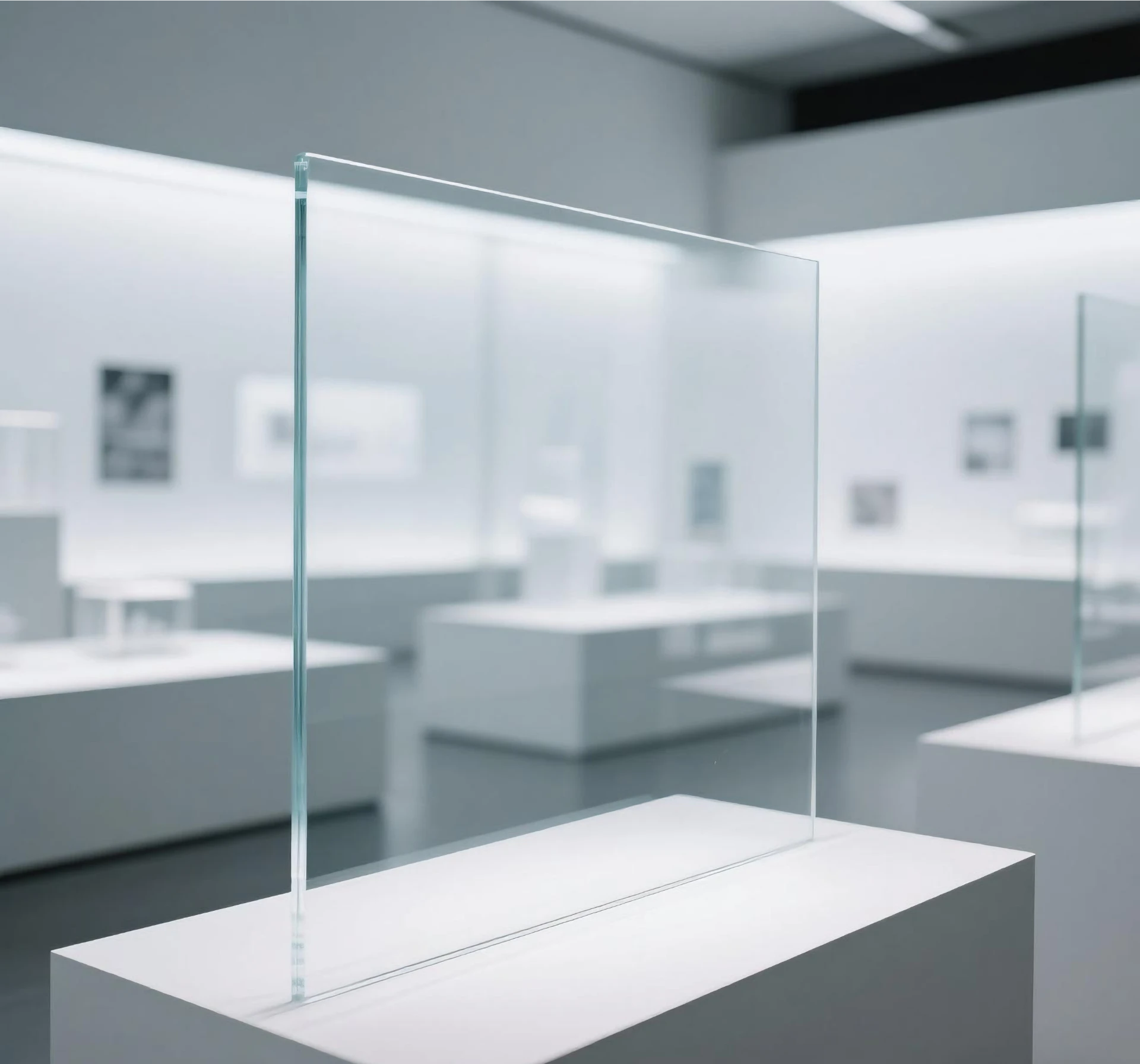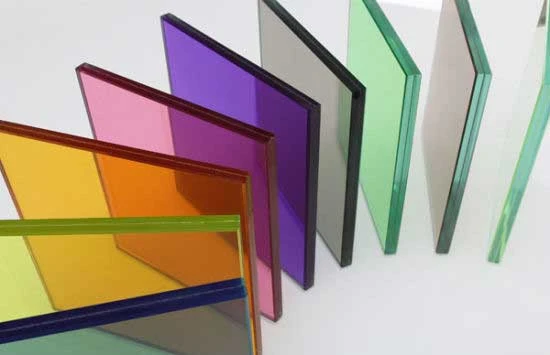
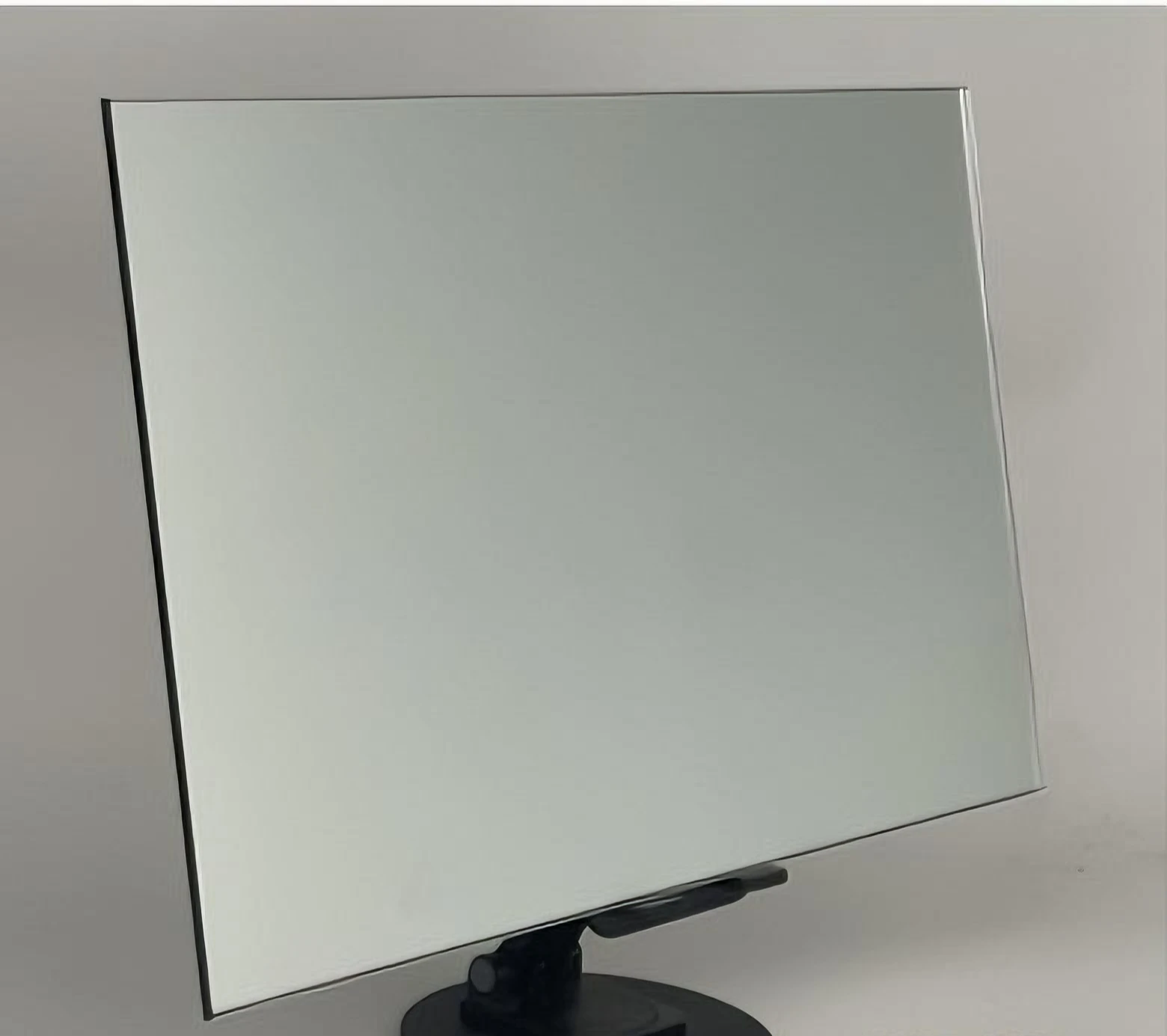
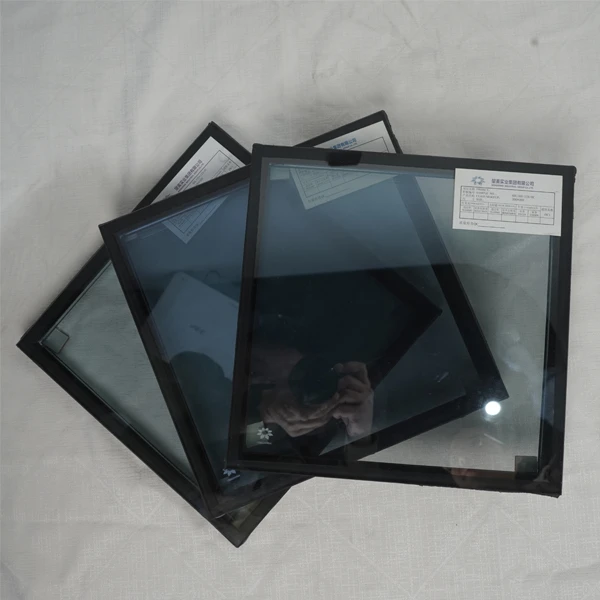
Premium Glass Solutions for Argentina: High-Performance low iron glass sheet

Elevating Argentine architectural standards with advanced float glass technology, combining thermal efficiency and crystal-clear aesthetics for sustainable urban development.

Premium Glass Solutions for Argentina: High-Performance low iron glass sheet

We provide the Argentine market with cutting-edge glazing options, specializing in high-transparency and energy-saving glass tailored for South America's diverse climatic zones.

The State of Glass Manufacturing in Argentina

Analyzing the integration of high-performance glazing in the Southern Cone's economic landscape.

Argentina's construction sector currently faces a dual challenge: the need for modernization in Buenos Aires' urban centers and the demand for energy efficiency in Patagonia's cold regions. The reliance on standard float glass is shifting toward specialized products that can withstand extreme temperature fluctuations while maintaining structural integrity.

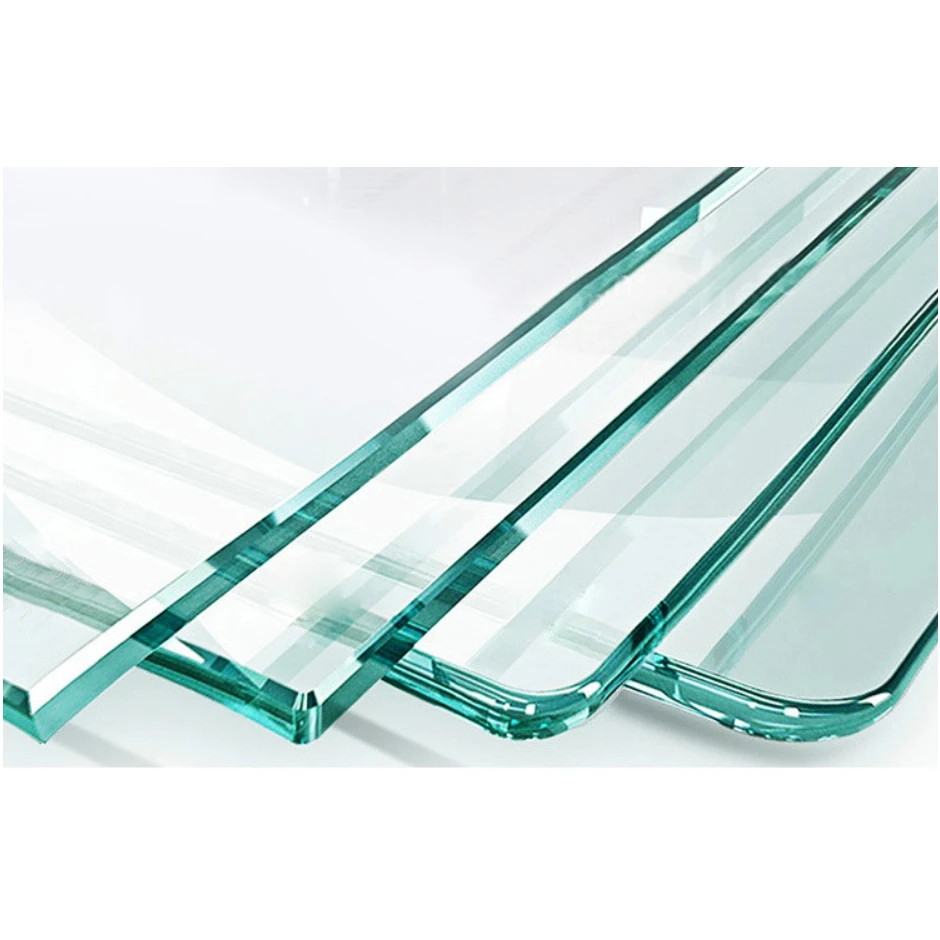
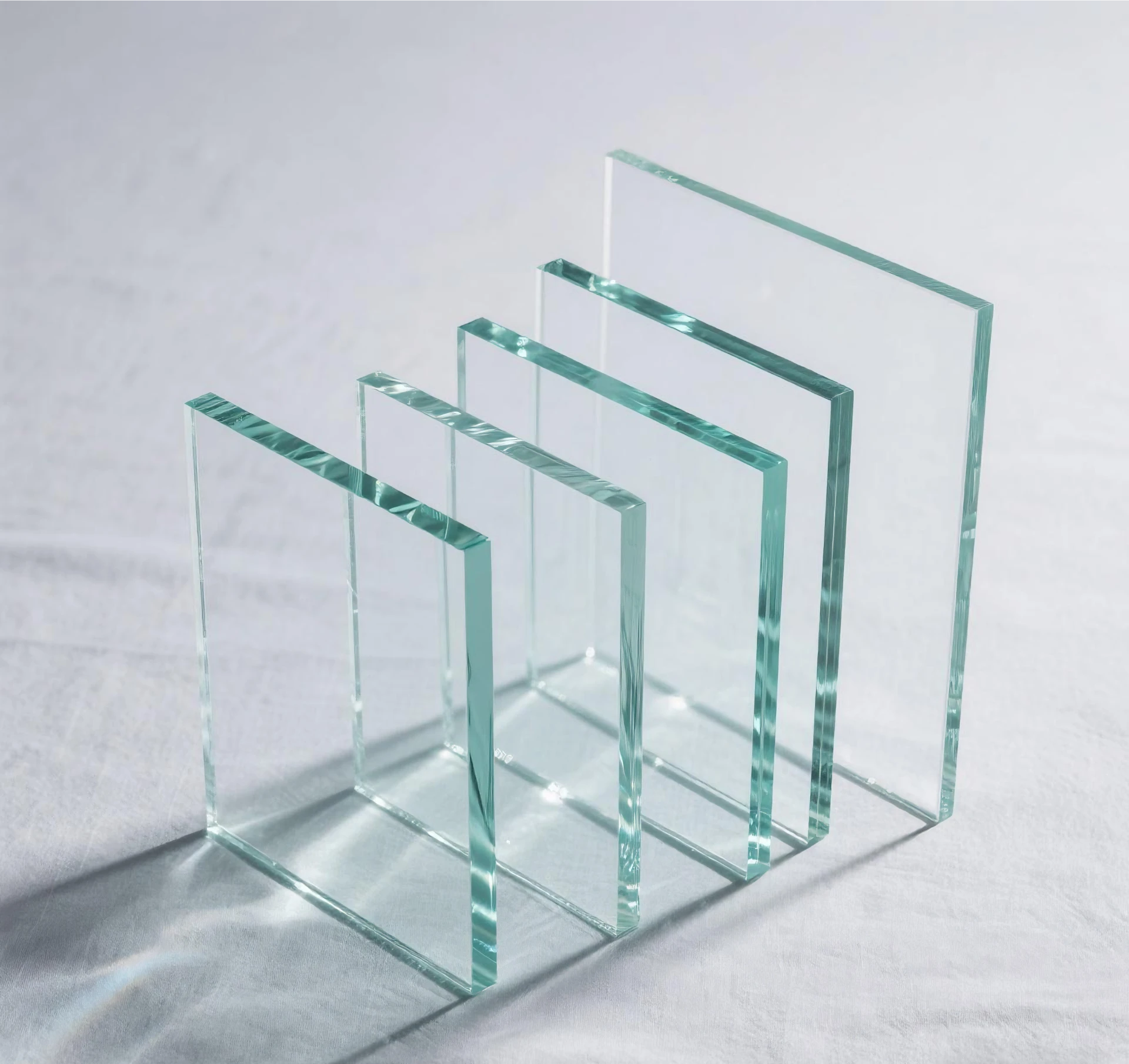
There is a growing trend among Argentine architects to replace traditional green-tinted glass with clear glass low iron to maximize natural light penetration, reducing electricity costs and improving the well-being of occupants in commercial high-rises.

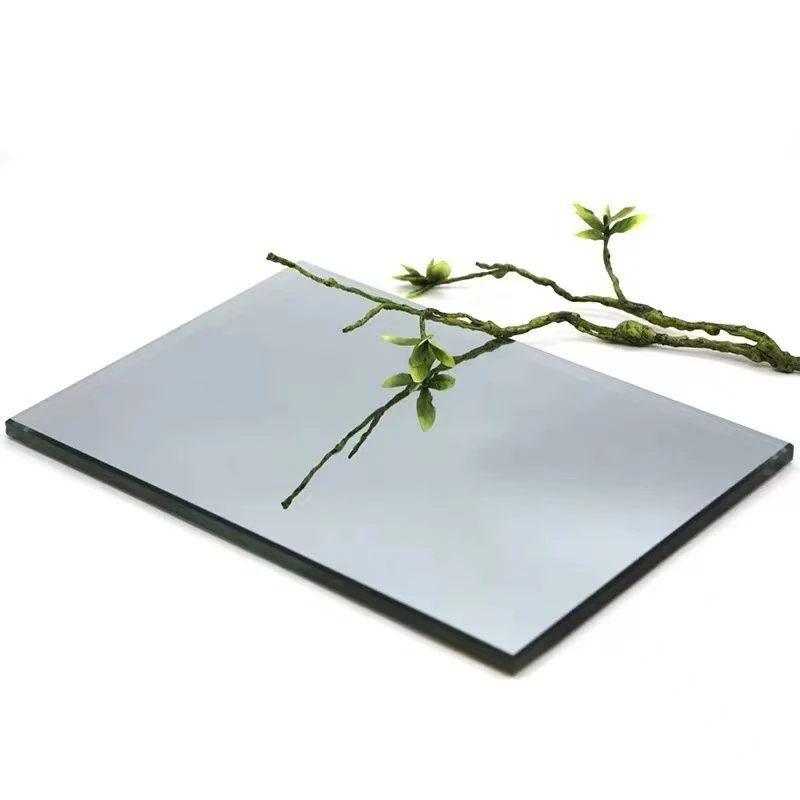
Furthermore, the volatility of the local economy has pushed developers toward materials that offer longer lifecycles and lower maintenance, making advanced coatings like white coated glass increasingly popular for exterior cladding in coastal cities.
Evolution and Trajectory of the Glazing Industry

From basic transparency to intelligent thermal management.

Market Development History

Between 1990 and 2010, the Argentine market was dominated by basic float glass production, focusing primarily on residential windows and simple commercial storefronts with limited thermal considerations.

From 2011 to 2020, a technical pivot occurred as "Green Building" certifications (LEED) gained traction in South America. This era saw the introduction of Low-E coatings to combat the intense solar radiation found in northern Argentine provinces.

Since 2021, the industry has entered the "Ultra-Clear" era, where the demand for dual low e glass has spiked, driven by the need for superior insulation in luxury residential projects and sustainable corporate headquarters.

Future Development Trends

Integration of Smart Coatings

Expect a surge in electrochromic and photochromic glass that adapts to Argentina's high UV index, reducing HVAC loads automatically.

Circular Economy in Glass

A shift toward 100% recyclable cullet integration in the manufacturing process to meet new environmental regulations in the MERCOSUR region.

Vacuum Insulated Glazing

Moving beyond standard double glazing to vacuum technology to provide extreme thermal barriers for the Andean regions.

Industry Trends and Future Outlook

Strategic forecasting for the Argentine non-metallic mineral products sector.

Energy Efficiency Push
Increased adoption of dual low e glass to lower carbon footprints in Buenos Aires urban developments.
Ultra-Clear Aesthetics
Shift toward low-iron series for luxury retail and museum-grade installations across Argentina.
Sustainable Sourcing
Implementing lean manufacturing to reduce raw material waste in the non-metallic mineral process.
Adaptive Facades
Developing dynamic glazing that responds to the variable weather patterns of the Pampas region.

Industry Outlook

Over the next 3-5 years, Google search trends in the region indicate a significant increase in queries related to "sustainable architecture" and "thermal glass Argentina." This suggests a market shift toward high-value, engineered glass rather than commodity float glass.

The convergence of BIM (Building Information Modeling) and high-performance materials will allow Argentine engineers to specify white coated glass and other specialized sheets with precision, optimizing light and heat transfer for specific geographical coordinates.

Localized Application Scenarios in Argentina

Tailored glazing solutions for Argentina's unique architectural and climatic needs.

01. Buenos Aires Corporate Skyscrapers

Implementation of dual low e glass in the Puerto Madero district to maintain interior coolness during humid summers while reducing air conditioning costs.

02. Patagonian Eco-Lodges

Utilizing thick, high-performance low iron glass sheet to provide panoramic views of the Andes while ensuring maximum heat retention against sub-zero temperatures.

03. Mendoza Vineyards & Tasting Rooms

Installation of clear glass low iron in winery showrooms to allow natural sunlight to illuminate the product without the typical green tint of standard glass.

04. Cordoba Industrial Facades

Using white coated glass for reflective exterior walls in industrial parks to reduce urban heat island effects and improve energy efficiency.

05. Rosario Waterfront Residential

Application of tempered float glass for balcony railings and glass walls that offer safety and durability against river moisture and wind.

Brand Story

Global Development Journey of Wangmei Industrial Group Co., Ltd.

Industrial Foundation

Founded with a vision to revolutionize non-metallic mineral products, we began by mastering the core chemistry of high-purity silica.

Technological Breakthrough

Developed advanced Low-E coating processes that solved the industry pain point of balancing light transmission with thermal insulation.

Global Expansion

Expanded our supply chain to South America, ensuring Argentine architects have access to world-class clear and coated glass.

Sustainability Commitment

Implemented green manufacturing protocols to reduce the carbon footprint of every glass sheet produced.

Future Vision

Leading the way toward "Intelligent Glass" that integrates seamlessly with smart city infrastructures worldwide.

Comprehensive Glass Product Portfolio for Argentina

A full spectrum of high-performance glazing solutions designed for the Argentine climate.

Frequently Asked Questions - Argentina Market

Expert answers to common technical queries regarding float and coated glass.

What are the advantages of using dual low e glass in Buenos Aires?

Dual Low-E glass provides two layers of silver coating, significantly reducing solar heat gain during hot summers while preventing heat loss during winter, making it ideal for the temperate climate of Buenos Aires.

How does low iron glass sheet differ from standard float glass?

Standard float glass has a slight green tint due to iron oxide. Low iron glass removes these impurities, resulting in higher light transmission and a neutral color, which is essential for high-end architectural displays.

Is white coated glass suitable for coastal regions like Mar del Plata?

Yes, white coated glass is highly effective for coastal areas as it reflects a large portion of solar radiation and is designed to withstand corrosive salty air environments.

Can clear glass low iron be used for structural applications?

Absolutely. When processed into tempered or laminated forms, our low-iron glass maintains its superior clarity while meeting all safety and structural load requirements for Argentine building codes.

What is the typical lead time for importing specialized glass to Argentina?

Depending on the specifications and volume, lead times typically range from 4 to 8 weeks, including manufacturing and maritime shipping to the ports of Buenos Aires or Rosario.

How do I maintain the performance of my Low-E coatings?

Avoid abrasive cleaners and harsh chemicals. We recommend using a soft cloth with mild soap and water to prevent scratching the microscopic coating layers.

Request a Professional Quote

Our technical team is ready to help you select the perfect glazing solution for your project in Argentina.

Contact Us Now

If you are interested in our products, you can choose to leave your information here, and we will be in touch with you shortly.