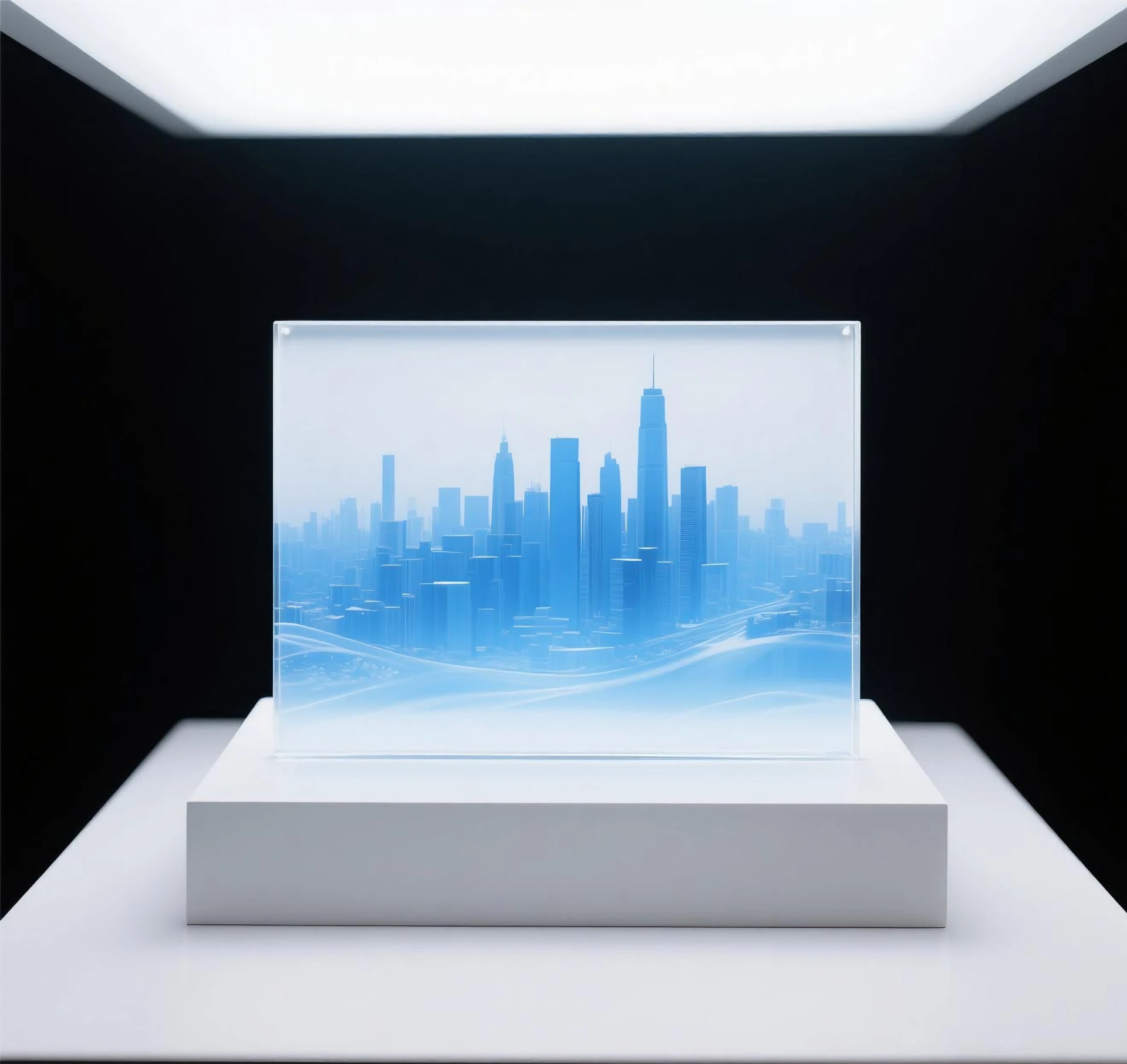
Premium low iron glass sheet Solutions for Zimbabwe Architecture

Engineered for the African climate, delivering unmatched clarity and thermal efficiency for modern Zimbabwean infrastructure.

Premium low iron glass sheet Solutions for Zimbabwe Architecture

Integrating high-performance glazing technologies to meet the rigorous demands of Zimbabwe's commercial and residential construction sectors, ensuring durability and aesthetic brilliance.

Current State of Glass Manufacturing in Zimbabwe

Analyzing the intersection of local demand and specialized glass imports.

The Zimbabwean construction market is currently transitioning from traditional building materials to high-efficiency glazing. Due to the intense solar radiation in the region, there is a growing necessity for float glass that can withstand thermal stress while maintaining structural integrity in urban centers like Harare and Bulawayo.

Economic shifts have led to an increase in luxury residential and commercial projects that demand higher transparency. This has spiked the demand for clear glass low iron, as standard glass often exhibits a green tint that interferes with the architectural vision of modern Zimbabwean landmarks.

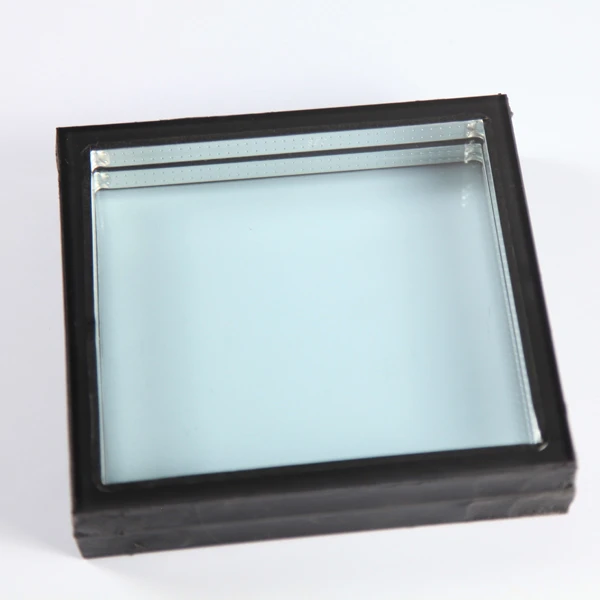
Furthermore, energy costs in Zimbabwe are driving architects toward sustainable solutions. The adoption of dual low e glass is becoming a critical strategy to reduce indoor temperatures and lower the reliance on mechanical cooling systems during the hot summer months.
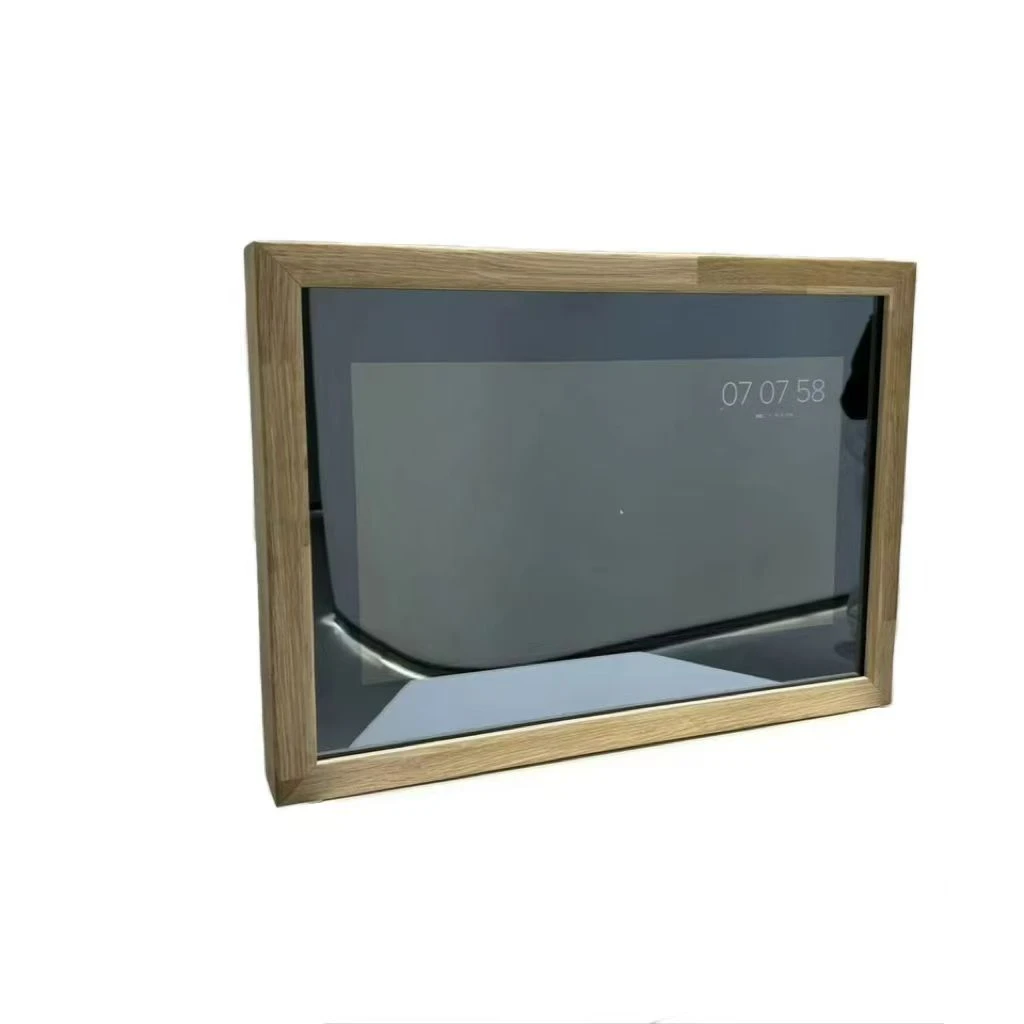
Evolution and Trajectory of Zimbabwe's Glazing Industry

From basic utility to advanced thermal management.

Market Development History

In the late 20th century, the Zimbabwean market relied almost exclusively on basic float glass, focusing on simple weather protection and basic visibility for residential windowing.

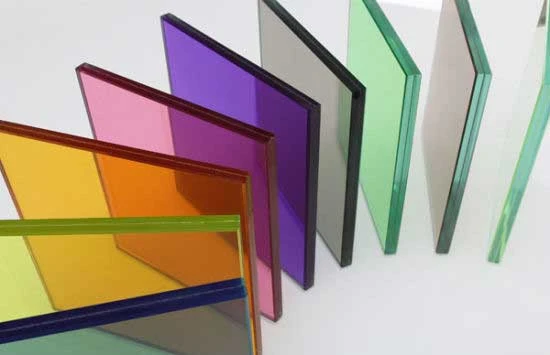
Between 2010 and 2020, the industry saw a shift toward aesthetic enhancements. The introduction of white coated glass allowed developers to achieve a sleek, modern look while providing a basic level of solar reflection.

Since 2021, the trajectory has moved toward "Active Glazing." The focus is no longer just on visibility but on energy performance, leading to the widespread integration of Low-E coatings and ultra-clear substrates to meet international green building standards.

Future Development Trends

Integration of Smart Coatings

We predict a surge in electrochromic and dynamic coatings that adapt to Zimbabwe's fluctuating daily temperatures, optimizing natural light without heat gain.

Ultra-Clear Aesthetic Standards

The shift toward clear glass low iron will accelerate as high-end retail and gallery spaces in Harare seek to eliminate color distortion entirely.

Net-Zero Building Compliance

Driven by global trends, the next 3-5 years will see a mandate for high-performance insulating glass units (IGUs) to reduce the carbon footprint of the local building stock.

Future Trends and Strategic Outlook

Forecasting the next generation of glass technology for the Southern African region.

Thermal Efficiency Optimization
Increasing adoption of advanced coatings to combat extreme heat in Zimbabwean summers.
Ultra-Clear Specification
Standardization of low-iron content for high-transparency commercial facades.
Sustainable Sourcing
Implementation of circular economy principles in glass recycling and production.
Architectural Integration
Seamless merging of structural glass with BIM (Building Information Modeling).

Industry Outlook

Google search trends indicate a significant increase in queries related to "energy efficient windows" and "Low-E glass" within the Southern African region. This suggests a market shift where consumers are prioritizing long-term utility savings over initial material costs.

As Zimbabwe continues to modernize its urban landscape, the demand for specialized glass products that combine safety, clarity, and thermal insulation will grow exponentially, favoring suppliers who can offer certified, high-performance materials.

Localized Application Scenarios in Zimbabwe

Real-world implementations of advanced glass technology in the Zimbabwean environment.

01. High-Rise Commercial Centers in Harare

Utilization of dual low e glass to maintain internal climate control for corporate headquarters, drastically reducing HVAC costs during peak summer.

02. Luxury Residential Villas in Borrowdale

Installation of low iron glass sheet for expansive floor-to-ceiling windows, ensuring an unobstructed and crystal-clear view of the natural landscape.

03. Modern Retail Storefronts

Application of clear glass low iron to eliminate the green tint, allowing merchandise colors to be displayed accurately under natural sunlight.

04. Industrial Warehouse Skylights

Using heavy-duty float glass for overhead lighting, providing durable, weather-resistant natural illumination for manufacturing plants.

05. Solar-Integrated Facades

Combining white coated glass with photovoltaic elements to create energy-generating building envelopes that reflect heat while capturing power.

Brand Story

Global Development Journey of Wangmei Industrial Group Co., Ltd.

Industrial Foundations

Started with a mission to solve the transparency and durability gaps in industrial glass, establishing a core focus on precision manufacturing.

Technological Breakthroughs

Pioneered the integration of advanced coating technologies, solving the critical pain point of heat gain in tropical and subtropical climates.

Global Expansion

Expanded operations across Africa and Asia, adapting manufacturing processes to meet regional building codes and environmental challenges.

Sustainability Commitment

Invested in green production lines to reduce carbon emissions, ensuring that every sheet of glass contributes to a sustainable future.

Industry Leadership

Today, we stand as a leading provider of architectural glass, bridging the gap between aesthetic luxury and technical performance.

Complete Glass Portfolio for Zimbabwe

A comprehensive range of high-performance glazing solutions tailored for African environments.

Frequently Asked Questions for Zimbabwe Market

Expert answers to common technical and logistical queries.

What is the benefit of using float glass in Zimbabwe's climate?

Float glass provides a consistent thickness and high structural stability, which is essential for resisting the thermal expansion caused by extreme temperature shifts in Zimbabwe.

How does low iron glass sheet differ from standard clear glass?

Low iron glass removes the iron oxide impurities that cause the green tint in standard glass, offering superior light transmission and color neutrality.

Is dual low e glass effective for energy saving in Harare?

Yes, it is highly effective. By reflecting infrared light while allowing visible light to pass, it reduces the cooling load and lowers electricity bills significantly.

Can white coated glass be used for external facades in Zimbabwe?

Absolutely. White coated glass provides an excellent balance of aesthetic brightness and solar heat reflection, making it ideal for external building envelopes.

What is the lifespan of clear glass low iron in high-UV environments?

When properly installed, low-iron glass maintains its clarity indefinitely, as it is an inorganic material that does not degrade under UV exposure.

How to choose between float glass and specialized coated glass?

The choice depends on your priority: use float glass for basic structural needs, and coated or Low-E glass when energy efficiency and thermal control are primary goals.

Get Your Customized Glass Solution

Our technical team is ready to support your next architectural project in Zimbabwe with world-class glazing materials.

Contact Us Now

If you are interested in our products, you can choose to leave your information here, and we will be in touch with you shortly.