10 Nov 2025
If you work around façades or retail interiors long enough, you notice the same spec creeping into drawings: mirror finishes that must still pass safety glazing. That’s where Tempered Mirror Glass earns its keep—mirror aesthetics, safety compliance, and fewer headaches on site. In fact, many customers say they switched after one too many cracked standard mirrors at install, and never looked back.
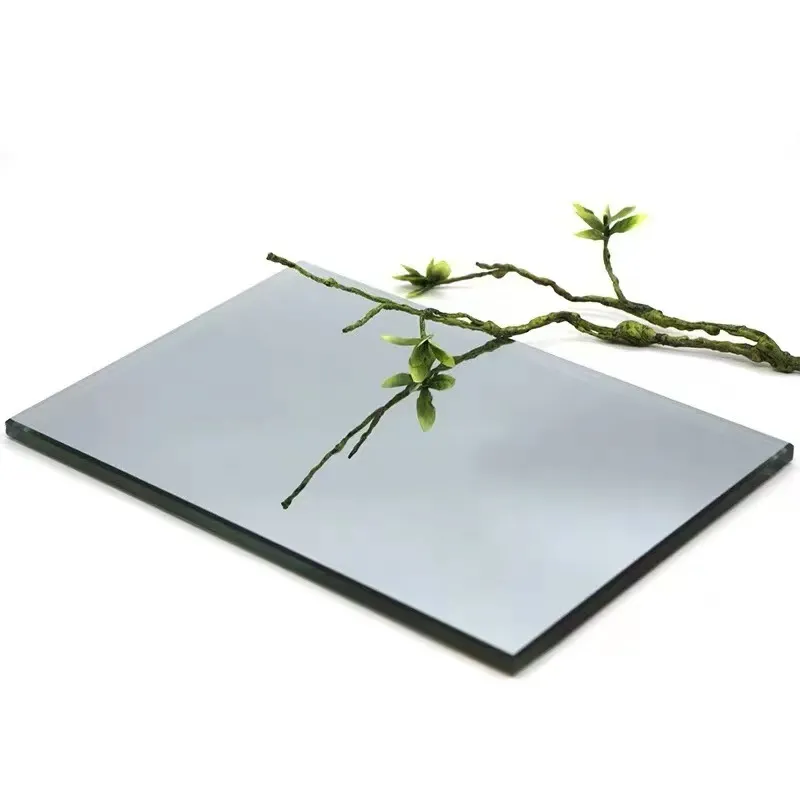
Three converging trends: safety codes tightening, hospitality wanting immersive “infinity” visuals, and retail/light commercial chasing durable reflective cladding. Surprisingly, we’re also seeing workstation partitions and smart-fitting rooms specify Tempered Mirror Glass because it holds up to daily abuse and cleans easily.
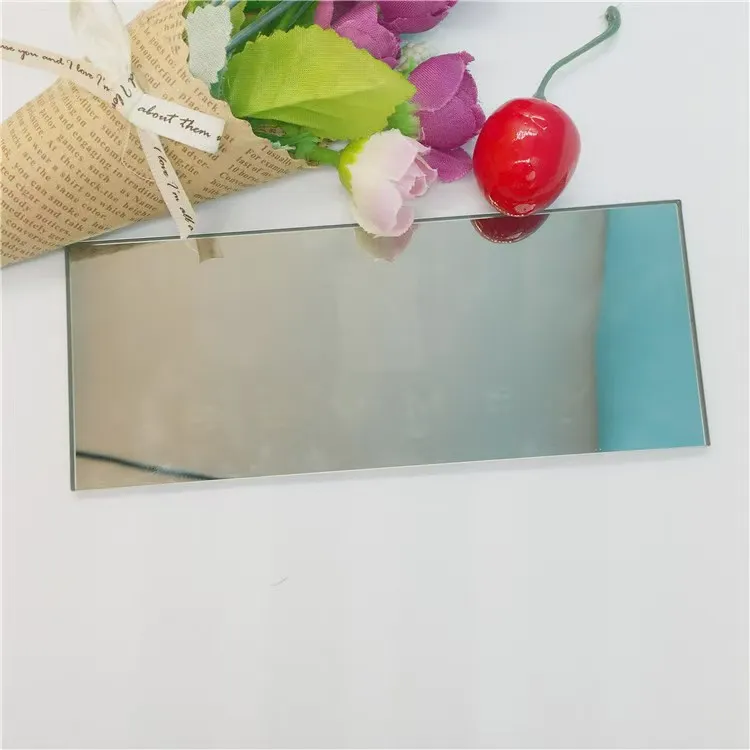
Service life? Indoors ≈20–30 years with proper edge sealing; outdoors depends on framing and sealant chemistry—real-world use may vary.
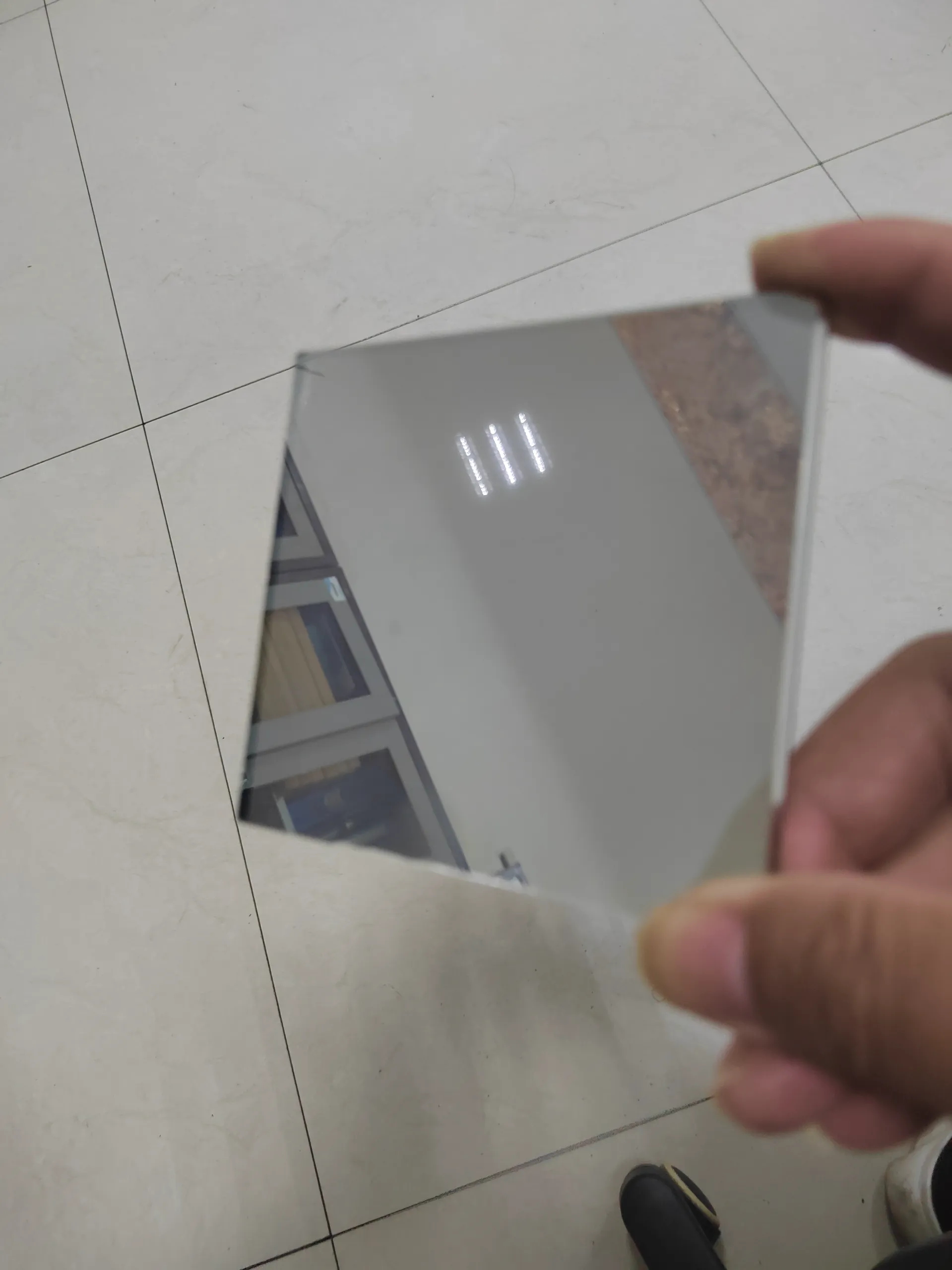
| Parameter | Typical Value |
|---|---|
| Thickness | 3–12 mm |
| Hot sizes | 2140×3660, 2140×3300, 2440×3660, 2440×3300, 1830×2440 mm; customized |
| Reflectivity (visible) | ≈85–90% (coating dependent) |
| Fragmentation (EN 12150) | ≥40 particles per 50×50 mm |
| Flatness/Bow | ≤3 mm/m (post-temper, typical) |
| Edge options | Seamed, flat-polished, arrised; CNC shapes/holes |
| Certifications | CE, ISO 9001; tests to EN 12150 / ANSI Z97.1 / CPSC 16 CFR 1201 |
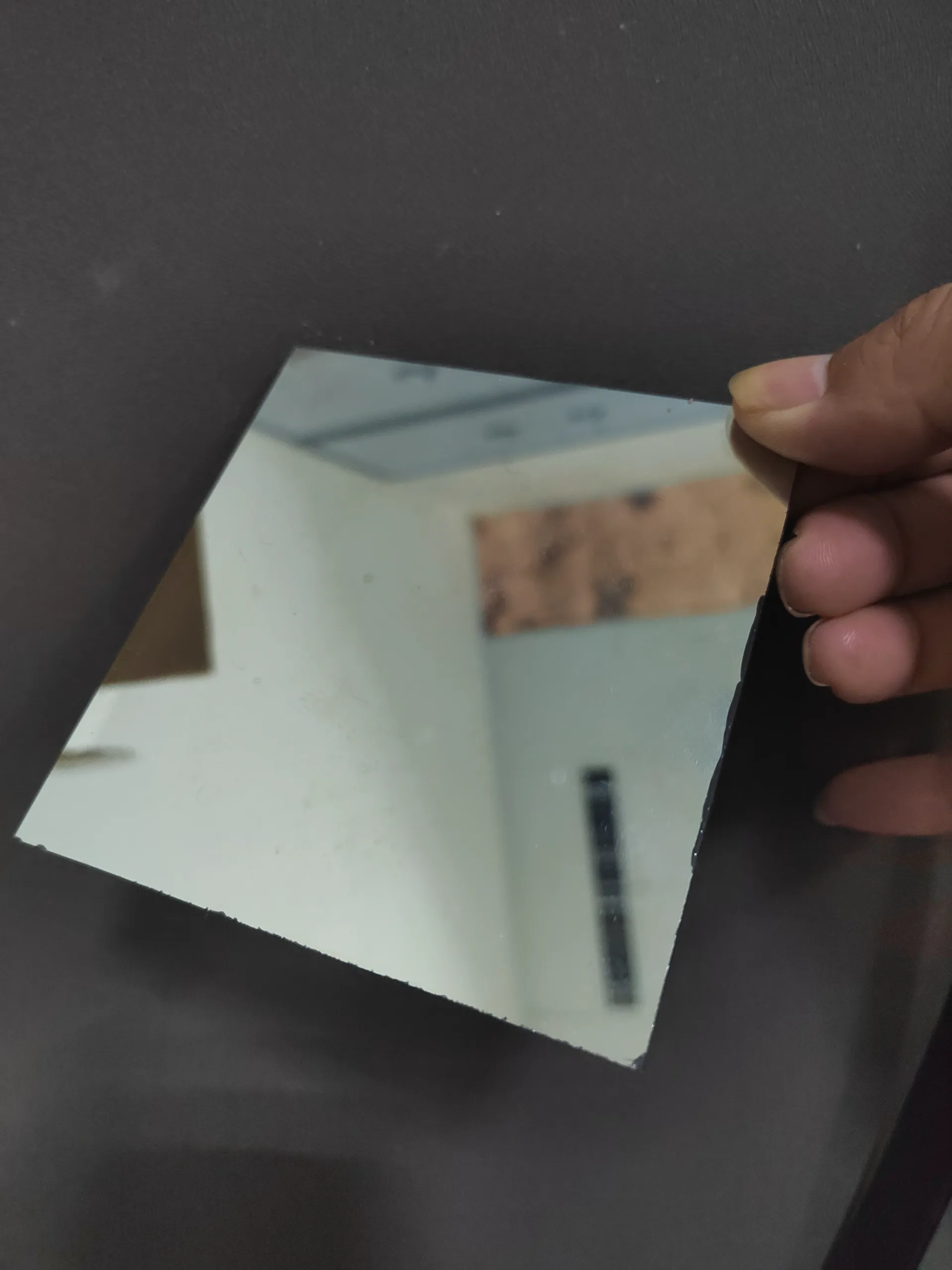
Advantages include shatter safety, thermal durability, and consistent color. Actually, installers love that factory sizing reduces on-site risk.
| Vendor | Strengths | Watch-outs |
|---|---|---|
| Wangmei (origin: Hebei, China) | Large hot sizes; stable supply; customization | Lead time spikes near holidays |
| Regional Processor B | Fast local delivery | Limited jumbo sizes; price ≈10–15% higher |
| Trader A | Broad catalog | Variable coating sources; QC consistency varies |
Options: tint levels, anti-fingerprint top coat, safety film backers, notches/hinges, and CNC logos. Recent lot data (sample 6 mm): reflectance 88%, haze ≤0.3%, fragmentation avg. 56 pcs/50×50 mm, surface compression ≈100 MPa. To be honest, numbers vary slightly by furnace load.
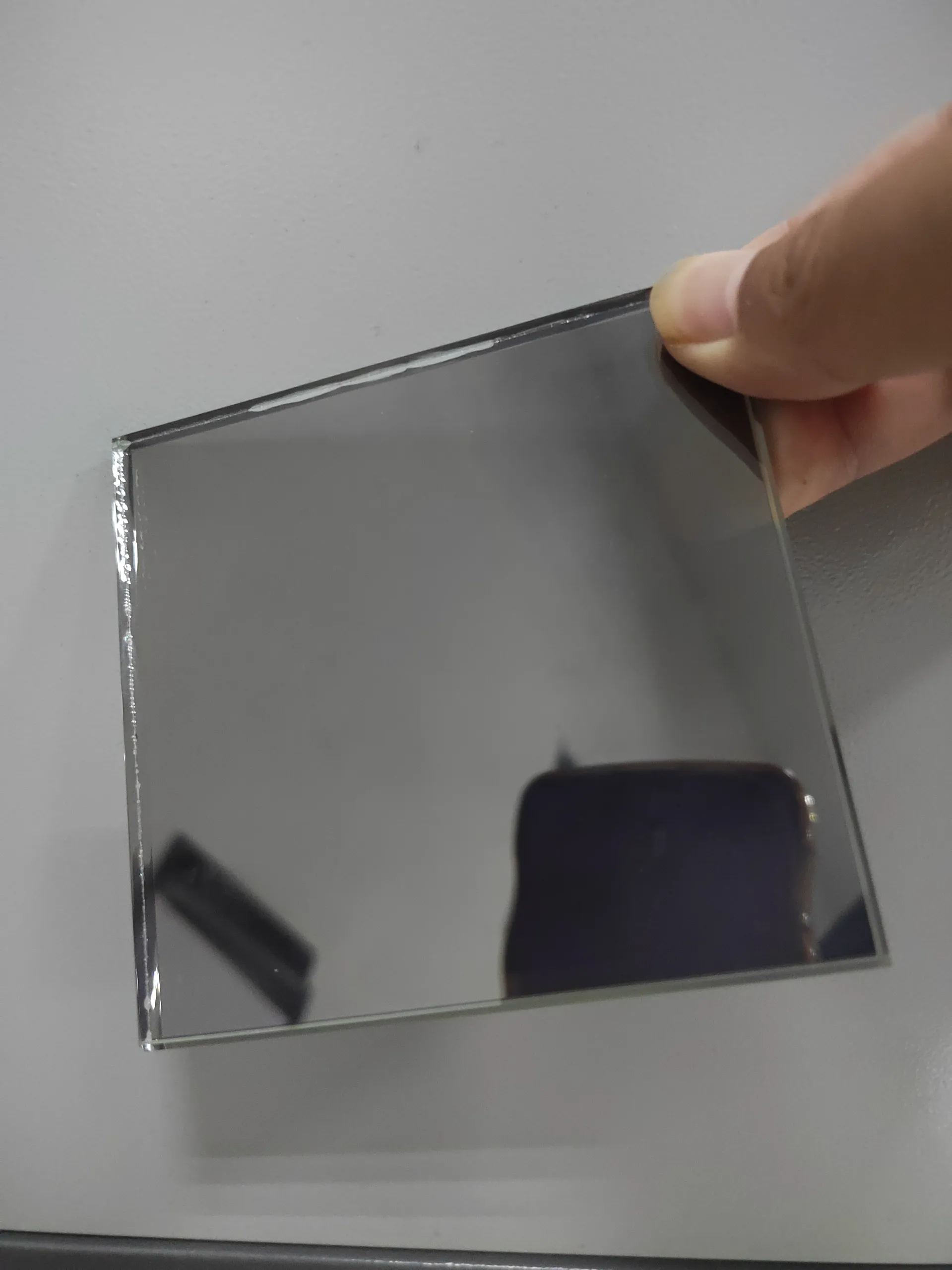
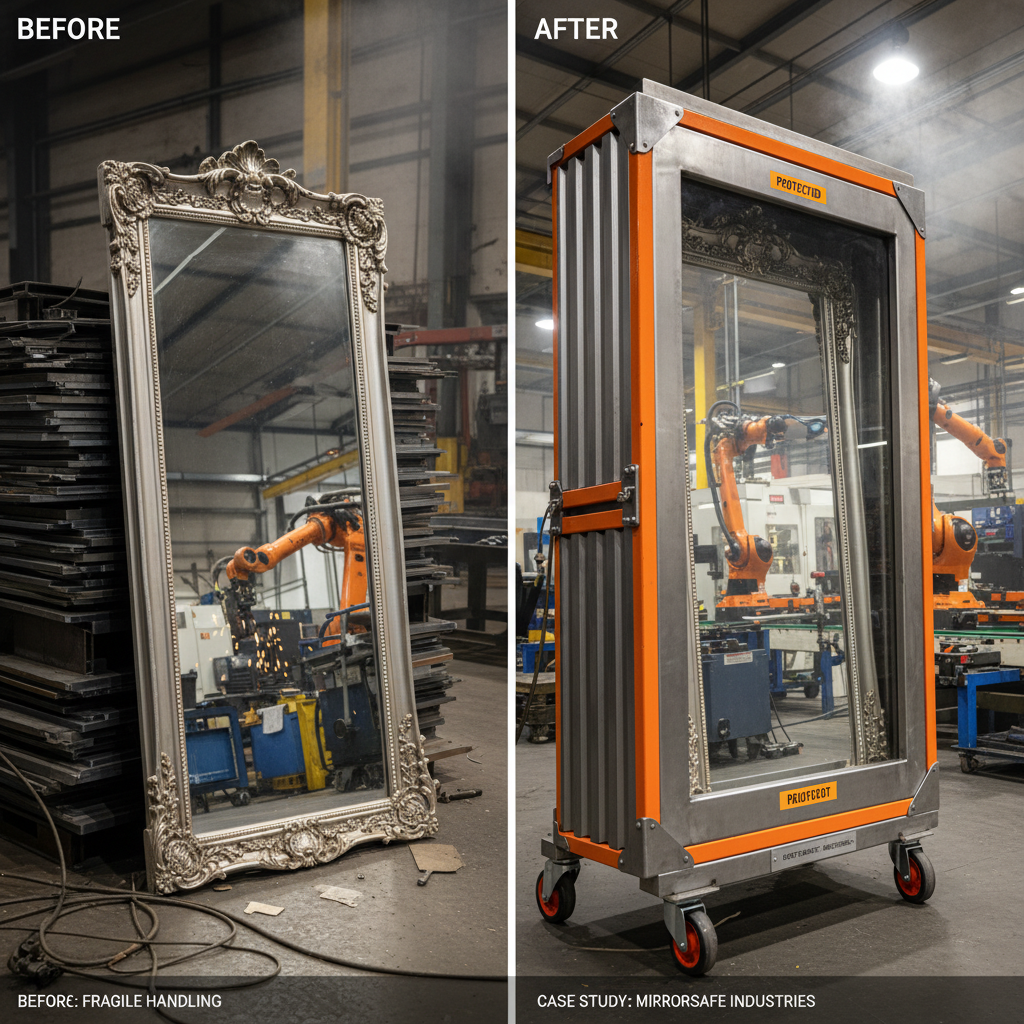
A boutique gym chain swapped standard mirrors for Tempered Mirror Glass across six sites. Result: zero breakage claims in 12 months, install speed up ≈18% (fewer panel replacements), and noticeably cleaner edges around socket cut-outs. Their PM told me, “It just survives members’ enthusiasm.” Fair point.
Manufacture and testing align with EN 12150, ANSI Z97.1, CPSC 16 CFR 1201, ASTM C1048 guidelines; facilities commonly run ISO 9001 QMS and can support CE/SGCC labeling on request.