If you’ve ever stood near a window on a brisk fall morning and felt that odd mix of chill and warmth, you’ve experienced firsthand the kind of impact window glass has on indoor comfort. Now, imagine a type of glass that not only lets in the natural light and warmth of the sun but also helps in reducing energy consumption and carbon footprint. That’s essentially where high solar gain low e glass comes into play — a smart building material with quietly growing global relevance.
Why does this matter beyond a single building or city? Globally, buildings account for almost 40% of energy use and carbon emissions, according to the International Energy Agency (IEA). Technologies that enhance energy efficiency, like high solar gain low e glass, help reduce that massive footprint, fostering sustainable urban growth and better comfort for millions. More than just an industrial innovation, it’s part of a broader push towards green building standards (ISO 52022-3) and climate-conscious infrastructure.
Mini takeaway: High solar gain low e glass is more than a fancy window—it's a frontline solution in the global energy efficiency battle.
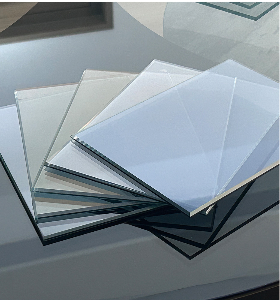
At its core, high solar gain low e glass is a type of coated glass designed to allow maximum solar heat through while minimizing heat loss from inside. “Low E” stands for low emissivity, a microscopic metallic coating that reflects infrared energy. The "high solar gain" means it efficiently admits solar energy, warming interiors during colder months without overheating.
This makes it invaluable in climates where winter heating drives energy consumption but natural sunlight remains plentiful. Its use isn’t just a boon for residential buildings; commercial, agricultural, and humanitarian projects benefit too, especially in regions where heating fuel is scarce or costly.
Mini takeaway: Think of it as glass with a science-backed superhero cape—letting light in while keeping warmth where it belongs.
In practice, you’ll want to balance these factors based on location, usage, and budget. For example, in northern Europe, heating efficiency is paramount, whereas sunny southern regions might prioritize UV protection without overheating.
Mini takeaway: The magic lies in the coating technology—a tiny tweak in how glass behaves with light and heat but with big consequences.
It’s fascinating to see how widespread this technology has become. In Scandinavia and Canada, high solar gain low e glass is a staple in energy-efficient homes and offices, significantly cutting heating bills. Australia utilizes it to moderate temperature extremes in commercial complexes. Even humanitarian shelters in colder or mountainous disaster zones find this glass critical—allowing sunlight's warmth without letting the bitter cold in.
Industries like agriculture also exploit it for greenhouses, leveraging solar gain to sustain plant growth with less external heating. Major manufacturers now tailor products for distinct regions; consider how Japan’s building codes encourage its extensive adoption for earthquake-resistant, energy-saving housing.
Mini takeaway: From urban skyscrapers to remote relief facilities, high solar gain low e glass fits a surprising range of environments and challenges.
Why should building managers and architects care? Energy savings are the headline benefit — many buildings see a 10–20% drop in heating costs after upgrading to high solar gain low e glass windows. Beyond that, occupants enjoy better indoor comfort and reduced glare.
On a societal level, these gains translate to fewer fossil fuels burned, supporting climate goals. Another big plus is preserving interior furnishings by filtering UV light. If you’ve ever noticed how sunlight dulls your upholstery, this glass quietly protects.
Frankly, there’s a psychological comfort knowing your building materials contribute to a greener planet. Many professionals—and homeowners—express a sense of pride investing in innovative materials that combine sustainability with function.
Mini takeaway: High solar gain low e glass pays dividends over time—in dollars, comfort, and environmental impact.
Looking ahead, several exciting trends shape the next chapter in glazing technology. Smart glass, which can dynamically change properties under electrical or solar triggers, is a natural extension of low e coatings. Imagine windows that adjust solar gain on demand, reducing the need for HVAC in real-time.
There’s also growing interest in integrating photovoltaic materials directly into glazing—essentially turning glass into solar panels, marrying generation and insulation. Digital design tools help optimize glass layers for bespoke climates and building types, reflecting broader digital transformation sweeping construction industries.
Governments worldwide are tightening energy efficiency codes (e.g., the EU’s Nearly Zero-Energy Buildings directive), pushing demand for advanced glazing solutions. Sustainability certifications like LEED and BREEAM also increasingly reward use of high-performance glass.
Mini takeaway: The future glass is not only static protection but dynamic, adaptive, and integral to green power generation.
Despite the advantages, challenges remain. One is balancing heating and cooling needs in mixed climates—sometimes “too much” solar gain causes overheating during summer. The cost of premium coatings can also be a barrier, especially in developing markets.
Innovations like double- and triple-glazing with variable coatings, careful shading design, and integration with smart building controls help overcome these drawbacks. Research into durable, low-cost coatings aims to make the technology more accessible globally.
Importantly, ensuring installation quality is essential—poor installs can negate performance gains, a common but underappreciated problem.
Mini takeaway: Every technology has quirks; knowing them lets engineers and builders craft smarter, more resilient solutions.
| Parameter | Typical Value | Notes |
|---|---|---|
| Solar Heat Gain Coefficient (SHGC) | 0.60 – 0.70 | High solar gain range |
| Visible Light Transmittance (VLT) | 0.70 – 0.80 | Keeps interiors bright |
| U-Value (Insulation) | 1.0 – 1.6 W/m²K | Lower is better |
| UV Rejection | >99% | Protects interiors |
| Coating Type | Hard coat / Soft coat | Depends on use case |
| Vendor | Coating Technology | SHGC Range | Lead Time | Price Level |
|---|---|---|---|---|
| Wangmei Glass | Hard coated pyrolytic | 0.65 – 0.70 | 2–3 weeks | Moderate |
| SolarTech Industries | Soft coated sputtered | 0.60 – 0.68 | 3–5 weeks | High |
| ClearView Glass | Hybrid coatings | 0.62 – 0.69 | 1–2 weeks | Moderate |
In real terms, high solar gain low e glass represents more than just a technical upgrade in building materials—it’s an essential tool for architects, engineers, and policymakers looking to create energy-efficient, comfortable, and sustainable spaces worldwide. Whether for a chilly northern residence, a sunny commercial complex, or even a humanitarian shelter, its benefits touch on cost savings, environmental responsibility, and occupant well-being.
As the building sector moves toward smarter, greener solutions, embracing advanced glazing technologies becomes less of a luxury and more of a necessity. Curious how you might integrate high solar gain low e glass into your next project? Visit Wangmei Glass and discover tailored options to fit your vision and climate.
It feels like we’re only scratching the surface of what smart glass can do — and the journey ahead is quite thrilling.
Final takeaway: The windows of tomorrow are not just clear—they’re smart, sustainable, and instrumental in crafting a cooler planet.
References:
1. International Energy Agency (IEA), “Energy Efficiency in Buildings,” 2023.
2. ISO 52022-3:2021, “Building Environment Design — Solar Energy — Part 3: Physical Quantities,” International Organization for Standardization.
3. US Department of Energy, “Energy Saver Guide: Windows, Doors, and Skylights,” 2022.


If you are interested in our products, you can choose to leave your information here, and we will be in touch with you shortly.