If you’re in construction, architecture, or simply passionate about innovative materials, you might’ve come across tinted laminated glass. But why is it something everyone’s suddenly talking about? Well, this specialized glass isn't just about aesthetics; it’s a global player in energy conservation, safety, and sustainability. As more urban spaces aim to blend natural light with heat control, understanding this material’s benefits can honestly transform how you approach building projects — and even deeper, how societies adapt to climate realities worldwide.
For starters, tinted laminated glass reduces glare, blocks harmful UV rays, and provides a level of security traditional glass can’t. It’s in offices, skyscrapers, and even cars, but its impact extends far beyond that — touching everything from energy bills to disaster resilience.
Mini takeaway: Tinted laminated glass is a simple yet powerful example of how modern materials solve age-old problems with smarter design.
From bustling metropolises to remote industrial sites, the need for efficient building materials is soaring. According to the International Energy Agency (IEA), buildings consume about 30% of global energy — with windows accounting for a significant chunk of heat gain and loss. This thermal imbalance pushes up air conditioning and heating needs, creating unsustainable energy consumption patterns.
Enter tinted laminated glass. With its layered structure and light-filtering properties, it’s estimated to reduce energy use in buildings by up to 25% (International Organization for Standardization - ISO 9050). Governments worldwide, especially in Europe and Asia, are mandating low-emissivity and tinted glazing to meet green building certifications like LEED or BREEAM.
On a more human note, many disaster-prone areas also benefit from its ability to withstand impacts, offering communities safer environments. These dual industry and humanitarian imperatives make tinted laminated glass more than a trend; it’s a key solution to pressing 21st-century challenges.
Mini takeaway: Reducing energy consumption and enhancing safety is a global challenge, and tinted laminated glass stands at this intersection.
Simply put, tinted laminated glass is two or more sheets of glass fused together with an interlayer of colored PVB (polyvinyl butyral). This interlayer not only gives the glass its distinctive tint but acts as a barrier against UV rays and holds the glass together in case of breakage.
Think of it as a sandwich — glass on either side, with a colored, flexible core. Beyond just cutting down sun glare, this combo improves durability and security, making it a staple in modern infrastructure. It’s widely used in everything from corporate offices to specialty vehicles.
Its rise is fueled by the need to balance light transmission, energy savings, and occupant comfort. As industries go green and prioritize human-centric design, tinted laminated glass fits neatly into that bigger picture.
Mini takeaway: Tinted laminated glass isn’t complicated—it’s a clever layering, designed for strength and smarter light management.
The layered PVB interlayer resists shattering, keeping broken shards bonded. This means improved impact resistance and less injury risk. For high-rise applications or automotive use, this durability is non-negotiable.
The tint reduces solar heat gain dramatically, which cuts cooling costs. Many architects cite tinted laminated glass as a tool to meet strict energy codes without sacrificing natural daylight.
UV rays cause fading in furniture, fabrics, and artworks. The tinted interlayer blocks roughly 99% of harmful UV radiation — a boon for museums, retail, and homes alike.
Because laminated glass absorbs sound vibrations, it’s a quieter alternative to standard glass panels. Especially in noisy urban settings, its soundproofing is a subtle yet valuable benefit.
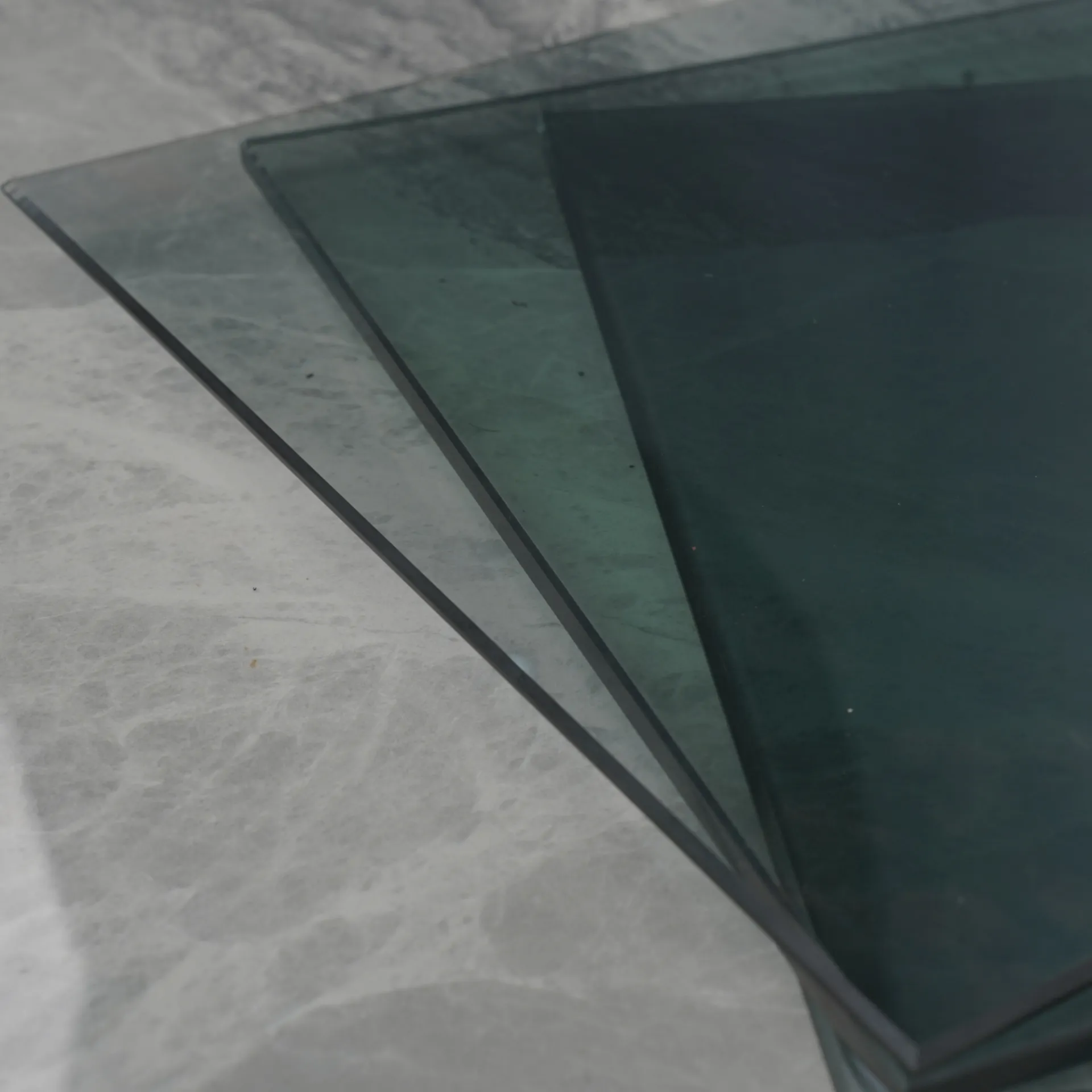
Manufacturers offer tints in various shades—from smoke gray to bronze—which allows designers to play with color and mood, all while preserving transparency.
While tinted laminated glass might come with a higher upfront price than single pane glass, the energy savings, enhanced durability, and reduced maintenance costs often offset the initial investment within a few years.
Mini takeaway: These core aspects make tinted laminated glass a versatile, long-lasting choice suited for many needs.
Mini takeaway: Wherever safety, sustainability, and energy efficiency matter, tinted laminated glass is quietly playing a starring role.
Many engineers say the best part about tinted laminated glass isn’t just its mechanics, but what it means long term: sustainability paired with human comfort and safety.
Mini takeaway: The blend of logical savings and emotional security makes tinted laminated glass a solid investment.
Industry insiders are excited by upcoming innovations marrying tinted laminated glass with smart technology. Imagine glass panels with dynamic tinting controlled via smartphone, adapting instantly to sunlight conditions to maximize efficiency.
Moreover, greener manufacturing processes using recycled materials and less energy-intensive lamination will become industry standards. Regulations pushing for near-zero energy buildings are driving demand for glass that balances transparency, insulation, and environmental impact.
Digitally printed patterns on laminated layers might soon combine solar energy capture and privacy functions — architecturally elegant and functional at once.
Mini takeaway: Tinted laminated glass isn’t static; it’s evolving with technology and sustainability front and center.
Of course, no material is perfect. Some challenges with tinted laminated glass include:
Innovative manufacturers are tackling these by improving lamination adhesives to reduce weight, offering financing options, and expanding tint palettes through advanced materials science. Collaboration with architects early in project design often helps integrate the glass efficiently.
Mini takeaway: While there are hurdles, expert approaches and R&D continue to push boundaries.
Q1: How does tinted laminated glass improve energy efficiency?
A1: Its colored interlayer absorbs and reflects solar radiation, reducing heat transmission through windows. This decreases reliance on air conditioning, leading to lower energy use and costs.
Q2: Can tinted laminated glass withstand severe weather?
A2: Yes. The PVB interlayer holds shattered glass together, increasing resistance against impacts from storms or hurricanes, making it safer than regular glass.
Q3: Is it possible to customize the tint color and shade?
A3: Absolutely. Suppliers offer various colors like gray, green, bronze, or blue, allowing designers to select tints based on aesthetics and performance needs.
Q4: How long does tinted laminated glass last?
A4: With proper installation and maintenance, it can last 20+ years, maintaining its structural and optical qualities over time.
Q5: Can I use tinted laminated glass for residential projects?
A5: Definitely. Many homeowners opt for tinted laminated glass to boost privacy, improve comfort, and protect interiors from UV damage.
| Parameter | Typical Value | Notes |
|---|---|---|
| Glass Thickness | 5mm - 12mm | Common architectural range |
| Interlayer Thickness | 0.38mm - 1.52mm | Varies with laminate type |
| Visible Light Transmission | 30% - 70% | Depends on tint strength |
| Solar Heat Gain Coefficient | 0.22 - 0.45 | Lower values mean better heat rejection |
| UV Rejection | >99% | Protects interior materials |
| Sound Reduction | Up to 35 dB | Varies with thickness and lamination |
| Vendor | Tint Color Options | Typical Lead Time | Custom Sizes | Global Shipping |
|---|---|---|---|---|
| Wangmei Glass | Gray, Bronze, Green, Blue | 2-3 weeks | Yes | Yes |
| Guardian Glass | Limited; mostly gray & bronze | 3-4 weeks | Restricted | Mainly USA, Europe |
| Saint-Gobain | Wide palette, custom tints | 4-5 weeks | Yes | Global coverage |
For sourcing high-quality tinted laminated glass, consider your project’s size, location, and tint preferences. Specialists like Wangmei Glass offer excellent customization and relatively fast turnaround, making them a solid choice for many projects.
As buildings and vehicles become smarter and greener, materials like tinted laminated glass will silently underpin these advances. They reduce energy demand, enhance occupant safety and comfort, and add aesthetic flexibility—all crucial for thriving in a warming world.
Whether you’re designing a high-rise or upgrading existing structures, investing in this technology is more than a fashion statement. It’s a practical, future-facing decision grounded in hard data and real-world experience.
Ready to explore options and reclaim comfort and efficiency? Visit https://www.wangmeiglass.com and discover how tinted laminated glass can upgrade your next project.
References:
1. International Energy Agency (IEA) – Global Energy Use in Buildings, 2022
2. ISO 9050: Solar and daylight properties of glazing materials, 2021
3. U.S. Department of Energy – Building Technologies Office, 2023

2026-03-24
The Elegance and Versatility of a Narrow Silver Mirror Design


If you are interested in our products, you can choose to leave your information here, and we will be in touch with you shortly.