04 Mar 2026
The phenomenon of mirror losing silver, also known as mirror degradation, is a common issue affecting bathroom and decorative mirrors. This results in dark spots or a cloudy appearance as the reflective coating deteriorates. It’s crucial to understand the causes to effectively prevent and address this problem, ensuring the longevity and aesthetic appeal of your mirrors. This article will delve into the reasons why mirrors lose their silvering, preventative measures, and potential restoration options. Protecting your investment in high-quality mirrors is important, and knowledge is the first step.
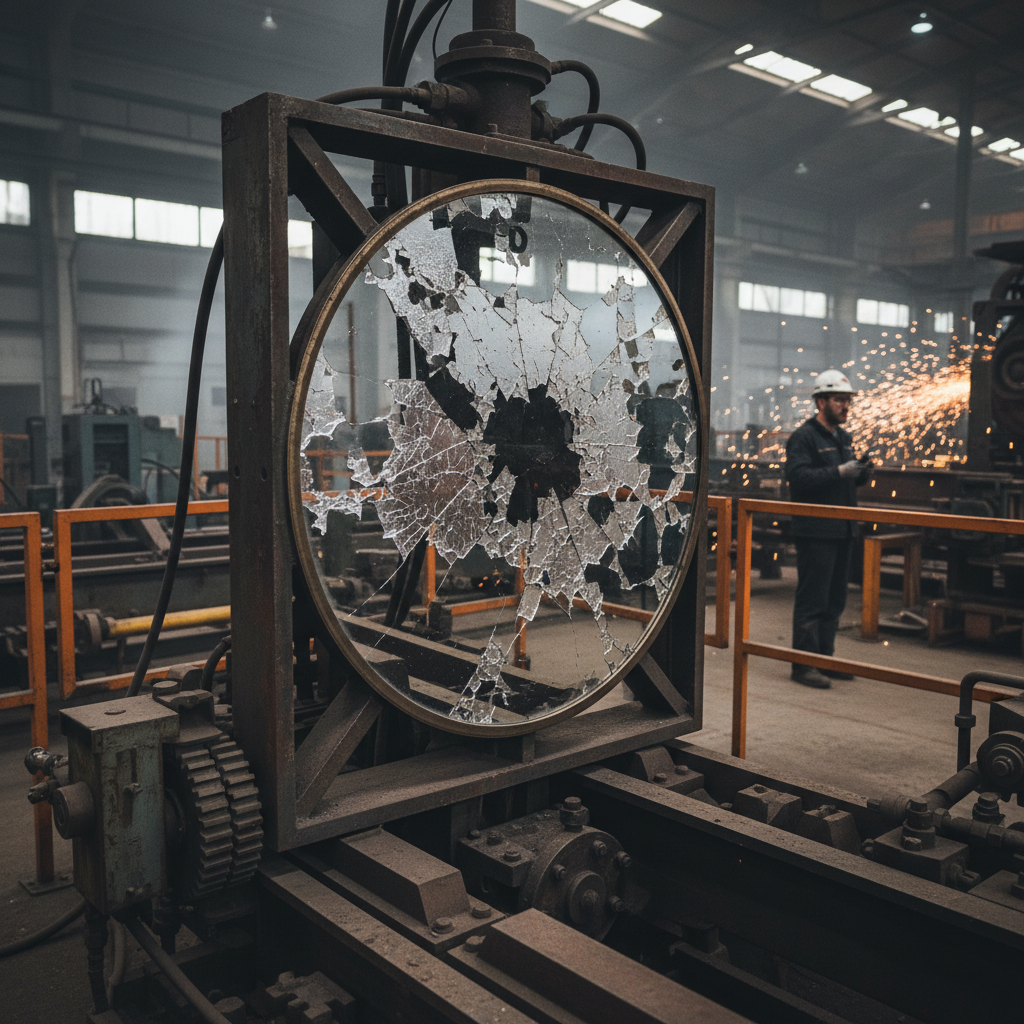
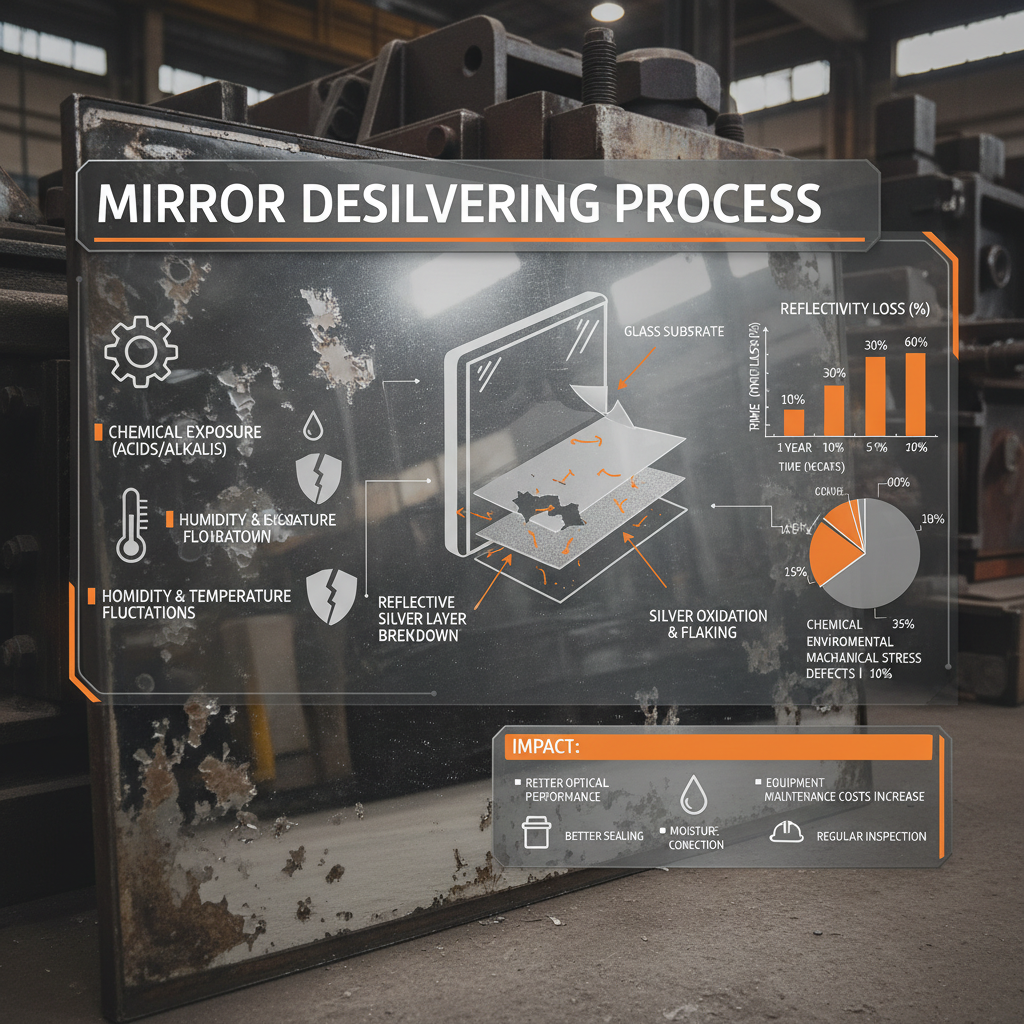
Mirrors aren't made with actual silver sheets. Instead, a thin layer of metallic silver is applied to the back of the glass through a chemical process called silvering. This silver layer is what provides the reflective surface. However, this silver is highly reactive. Modern mirrors typically have protective layers applied over the silver to shield it from environmental factors, but these layers aren’t impenetrable. Over time, exposure to moisture, air, and certain cleaning agents can cause corrosion and degradation of the silver layer, leading to the appearance of mirror losing silver. The process often starts with small imperfections in the protective coating.
Key Highlights: The silvering process relies on a delicate chemical reaction, and the resulting silver layer is susceptible to corrosion from environmental factors. Protective layers are essential, but not foolproof.
Several factors contribute to mirror losing silver. High humidity, particularly in bathrooms, is a significant culprit. The constant exposure to moisture accelerates the corrosion process. Acidic cleaning products, like those containing ammonia or bleach, can also eat away at the protective layers and the silver itself. Poor quality mirrors, those with thinner silver layers or inadequate protective coatings, are more prone to degradation. Lastly, proximity to corrosive materials, like hairsprays or perfumes, can contribute to the problem. Even temperature fluctuations can play a role, causing expansion and contraction of the glass and silver layer.
Key Contributing Factors:
• High Humidity
• Acidic Cleaning Products
• Low-Quality Mirrors
• Corrosive Materials
Preventing mirror losing silver is far more cost-effective than attempting restoration. Prioritize proper ventilation in bathrooms to reduce humidity. Use only pH-neutral cleaning products specifically designed for mirrors. Avoid harsh chemicals like ammonia and bleach. Wipe down the mirror after each shower or bath to remove moisture. Consider using a mirror defogger to minimize condensation. When purchasing a mirror, opt for high-quality options with thicker silver layers and robust protective coatings – Wangmei Glass offers a range of premium mirrors designed for longevity.
The quality of the mirror significantly impacts its resistance to silver loss. Here's a comparison between standard and premium mirrors:
If your mirror has already started losing its silvering, restoration is an option, although often costly. DIY kits are available, but results can be inconsistent and the process requires caution. Professional mirror re-silvering services involve removing the old silver layer and applying a new one. This is the most reliable solution but can be expensive, sometimes approaching the cost of a new mirror. Wangmei Glass offers consultation services to help you determine if restoration is feasible or if replacement is the more practical choice.
While DIY repair kits exist, they often provide temporary fixes and can be difficult to apply correctly, potentially worsening the issue. These kits typically involve applying a new reflective coating, which requires precise surface preparation and application techniques. The results are often patchy or uneven. Professional re-silvering offers a much more durable and aesthetically pleasing solution. It's usually more cost-effective in the long run to have it professionally done, especially for valuable or large mirrors. Avoid using abrasive cleaners or harsh chemicals during the process, as these can further damage the remaining silver layer.
The safest cleaning products for mirrors are pH-neutral solutions specifically designed for glass. Distilled water and a small amount of white vinegar (diluted) can also be used. Avoid any cleaners containing ammonia, bleach, or abrasive particles, as these can damage the silver backing. Microfiber cloths are ideal for cleaning mirrors, as they are soft and won't scratch the surface. Always spray the cleaner onto the cloth, not directly onto the mirror, to prevent excess moisture from seeping behind the glass.
The bathroom is the most challenging environment for mirrors due to the high humidity. Ensure proper ventilation by using an exhaust fan during and after showers or baths. Wipe down the mirror with a dry cloth after each use to remove condensation. Avoid spraying cleaning products or hairsprays near the mirror. Consider using a mirror defogger to minimize condensation build-up. Choosing a high-quality mirror with a robust protective coating is also crucial for long-term durability. Wangmei Glass offers bathroom mirrors specifically designed to withstand humid environments.
The lifespan of a well-maintained mirror can range from 10 to 20 years, or even longer, depending on the quality of the mirror and the environmental conditions. High-quality mirrors with thicker silver layers and robust protective coatings will naturally last longer. Regular cleaning with appropriate products and preventative measures to minimize exposure to moisture and corrosive materials will also significantly extend the mirror's lifespan. Regular inspection for early signs of silver loss can allow for timely intervention, potentially preventing extensive damage.