05 Mar 2026
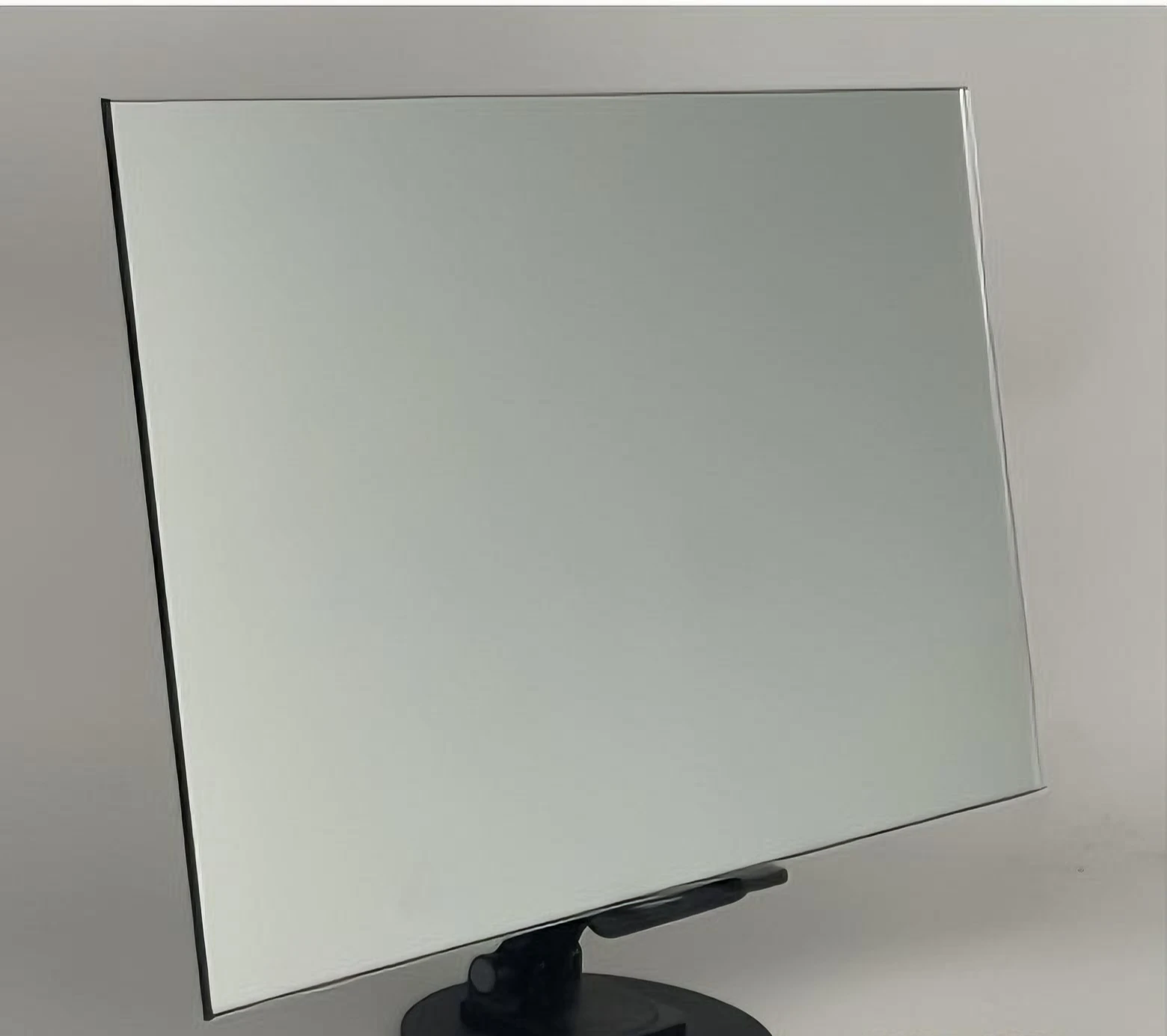
A mirror made of silver evokes an immediate sense of luxury, history, and a touch of magic. Beyond their aesthetic appeal, silvered mirrors boast unique qualities that set them apart from their modern counterparts. This article delves into the fascinating world of silver mirrors, exploring their history, manufacturing process, benefits, applications, and care. We'll uncover why a genuine silver mirror remains a prized possession for discerning individuals and businesses alike. Discover the lasting beauty and enduring value a silver mirror can bring to your space.
The creation of mirrors dates back millennia, starting with polished obsidian and then bronze. However, the technique of applying a silver coating to glass – the precursor to the modern mirror made of silver – originated in the 16th century in Venice. Venetian artisans perfected a process of applying a thin layer of tin to glass, creating the first truly reflective surfaces. By the 19th century, tin was largely replaced by silver, due to its superior reflectivity and durability. This innovation solidified the silver mirror’s reputation as a symbol of quality and craftsmanship.
Key Historical Highlights: The silvering process revolutionized mirror-making, offering unparalleled reflectivity and laying the foundation for the high-quality mirrors we appreciate today.
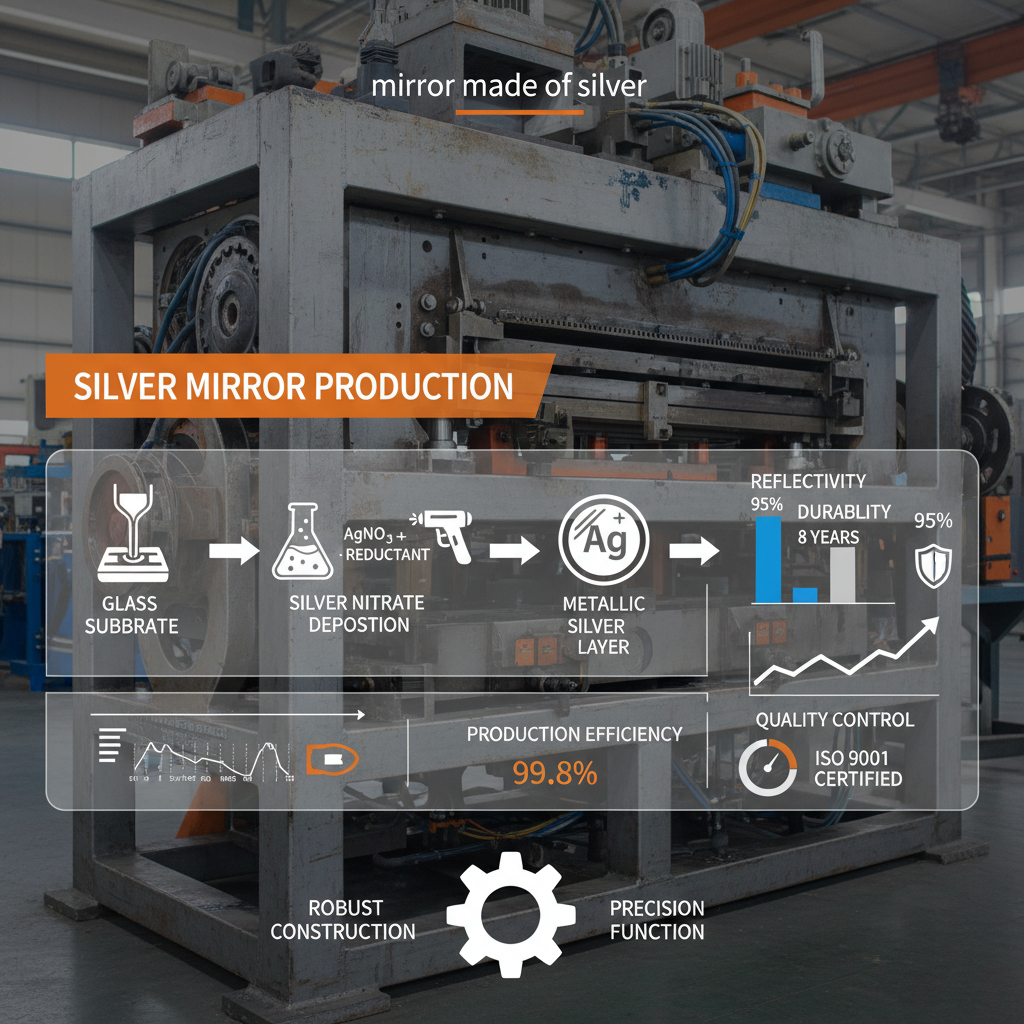
Creating a true mirror made of silver is a meticulous process. It begins with high-quality float glass, which is thoroughly cleaned and prepared. A solution of silver nitrate is then chemically deposited onto the glass surface, creating a thin, reflective layer of pure silver. This layer is protected by multiple coats of paint, providing durability and preventing tarnishing. The result is a mirror that offers exceptional clarity and a warm, flattering reflection. Wangmei Glass employs this traditional technique with modern precision.
Silvering Process Steps:
• Glass Cleaning & Preparation
• Silver Nitrate Deposition
• Protective Paint Layers
• Quality Control
Today, many mass-produced mirrors utilize aluminum instead of silver due to its lower cost. However, there are significant differences between the two. Silver mirrors offer superior reflectivity (up to 99%), resulting in a brighter, clearer image. Aluminum mirrors, while still reflective, typically have a reflectivity of around 93-95%. Furthermore, silver mirrors exhibit less distortion and a warmer, more accurate color rendering. The longevity of a silver mirror, when properly cared for, surpasses that of aluminum.
The applications of a mirror made of silver are diverse. They are highly sought after in interior design for their aesthetic quality, adding depth and light to any space. Beyond décor, they are crucial in specialized instruments such as telescopes and optical equipment, where precision and clarity are paramount. Their use extends to dental mirrors and other medical devices where accurate reflection is vital. Wangmei Glass offers silvered mirrors for a variety of needs.
While durable, a silver mirror requires gentle care. Avoid abrasive cleaners, which can damage the protective coating. Use a soft cloth and mild glass cleaner for regular cleaning. Avoid direct contact with ammonia-based products. Protect the mirror from excessive moisture and humidity. With proper care, your silver mirror will retain its brilliance for generations.
A mirror made of silver is more than just a reflective surface; it's a piece of history, a testament to craftsmanship, and an investment in enduring beauty. From its origins in Venice to its continued use in modern applications, the silver mirror remains a symbol of quality and elegance. Choose Wangmei Glass for a silver mirror that will illuminate your space for years to come.
While the silver layer itself doesn't tarnish, the protective paint coatings can degrade over time, leading to a cloudy appearance. This is especially true in humid environments. Regular cleaning with a gentle glass cleaner and avoiding harsh chemicals will help maintain its clarity. If tarnishing occurs, professional cleaning and re-coating may be necessary. Properly cared for, a quality silver mirror from Wangmei Glass is designed to resist tarnishing for an extended period.
Yes, generally, silver mirrors are more expensive than aluminum mirrors. This is due to the higher cost of silver and the more complex manufacturing process required to create a high-quality silvered surface. However, the superior reflectivity, clarity, and longevity of a silver mirror often justify the investment for those seeking a premium product.
Silver mirrors can be used in bathrooms, but they require extra care. The humidity and frequent temperature changes in a bathroom can accelerate the degradation of the protective coatings. Choose mirrors specifically designed for bathroom use, with enhanced moisture resistance. Regular cleaning and proper ventilation in the bathroom will also help prolong the mirror's life. Wangmei Glass offers bathroom-specific silvered mirror options.
The ideal size of a silver mirror depends on the size of the room and the desired effect. Larger mirrors can create the illusion of more space and reflect more light, making a room feel brighter and more open. Smaller mirrors can be used as decorative accents. Consider the height of the ceiling and the placement of other furniture when choosing a size. It's often helpful to measure the space and visualize the mirror before making a purchase. Wangmei Glass offers custom sizes to perfectly fit your needs.