Advanced dual low e glass Solutions for Bolivia's Modern Architecture

Providing high-performance glass engineering to combat high-altitude UV radiation and optimize thermal efficiency across the Bolivian highlands and lowlands.

Advanced dual low e glass Solutions for Bolivia's Modern Architecture

Integrating cutting-edge spectral control and thermal insulation to meet the diverse climatic challenges of Bolivia, from the Altiplano to the Amazonian basin.

Current Glass Industry Landscape in Bolivia

Analyzing the shift toward high-efficiency glazing in South America's heartland.

Bolivia's glass market is currently defined by extreme geographical contrast. In high-altitude cities like La Paz and El Alto, the primary challenge is intense UV exposure and rapid heat loss, driving a demand for high-quality float glass that can be further processed into insulating units.

In the tropical lowlands of Santa Cruz, the focus shifts toward heat rejection. There is a growing transition from standard clear glass to low iron glass sheet to maximize natural light while reducing the greenhouse effect within commercial buildings.

The local supply chain is increasingly relying on specialized imports to meet LEED certification standards, as the construction sector evolves from basic residential builds to complex, energy-efficient corporate facades requiring advanced coatings.
Evolution and Trajectory of Glazing Technology

From basic transparency to intelligent thermal management.

Market Development History

Prior to 2010, the Bolivian market was dominated by standard single-pane float glass, focusing primarily on structural integrity and basic transparency for residential use.

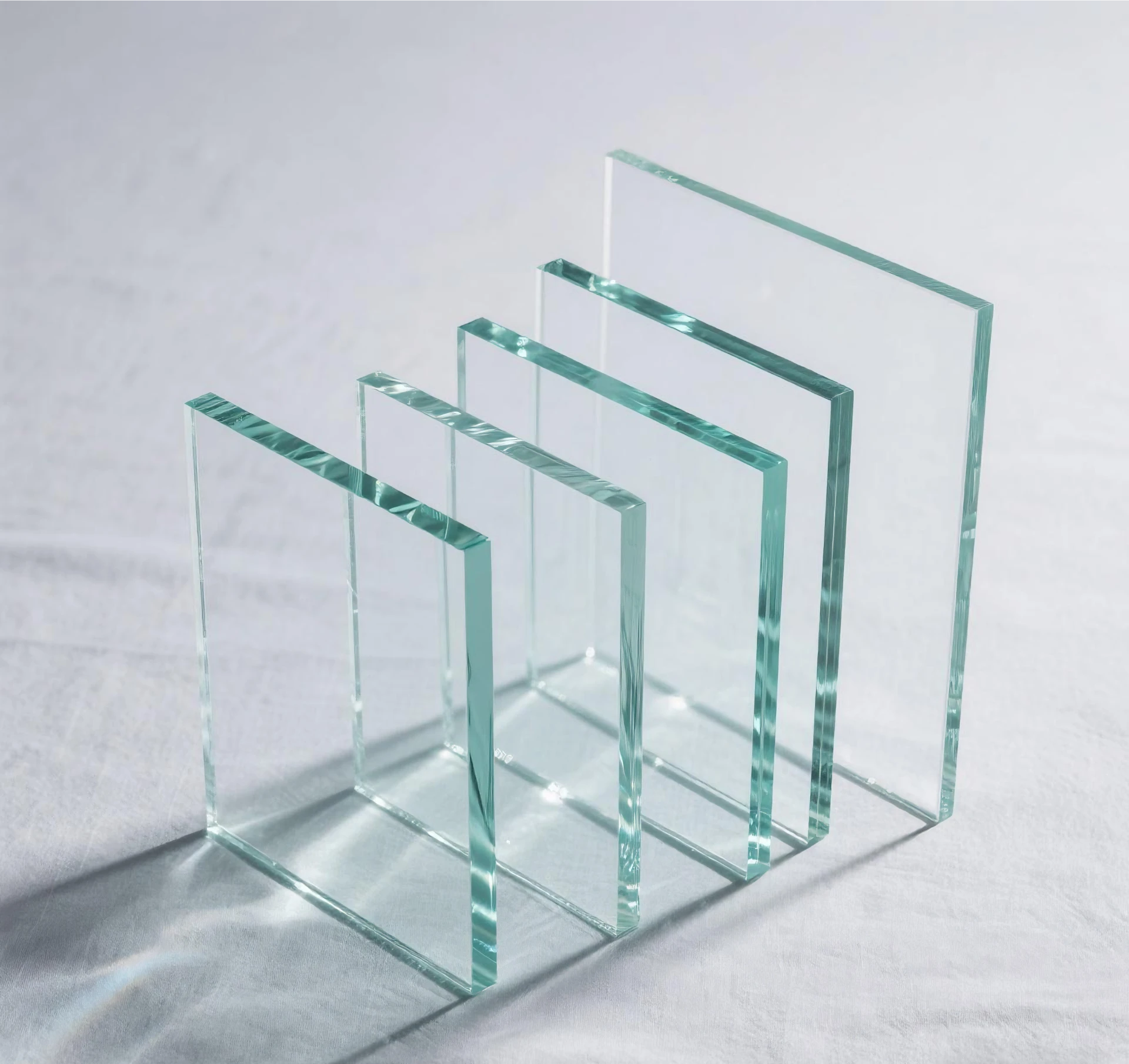
Between 2010 and 2020, the introduction of tempered and laminated safety glass became the norm. Architects began requesting clear glass low iron to eliminate the greenish tint, enhancing the aesthetic value of luxury hotels and showrooms.

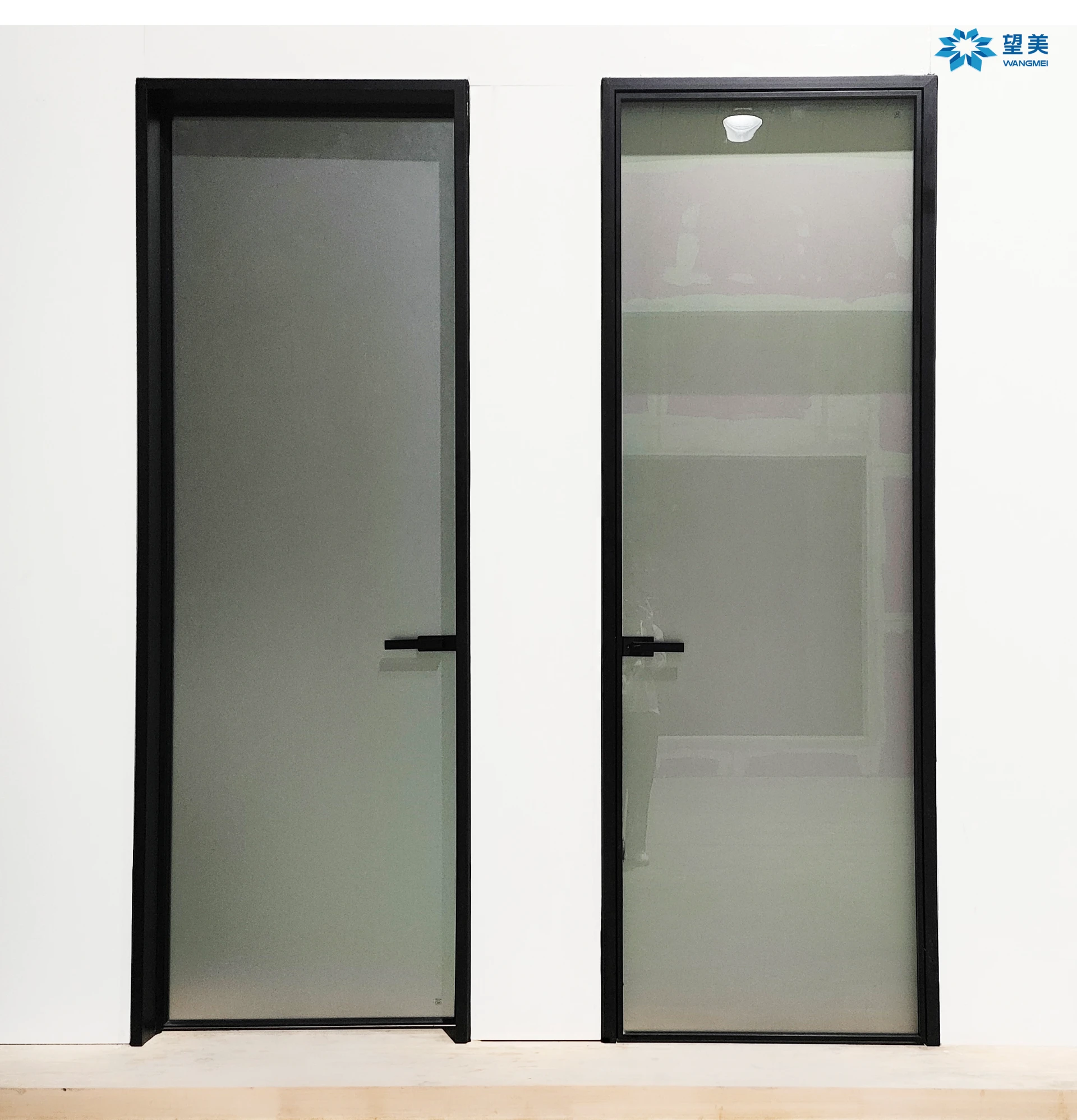
From 2021 onwards, the focus has shifted toward "Smart Glass" and high-performance coatings. The adoption of white coated glass has increased for interior partitions and energy-saving facades to control solar gain.

Future Development Trends

Ultra-Clear Aesthetic Integration

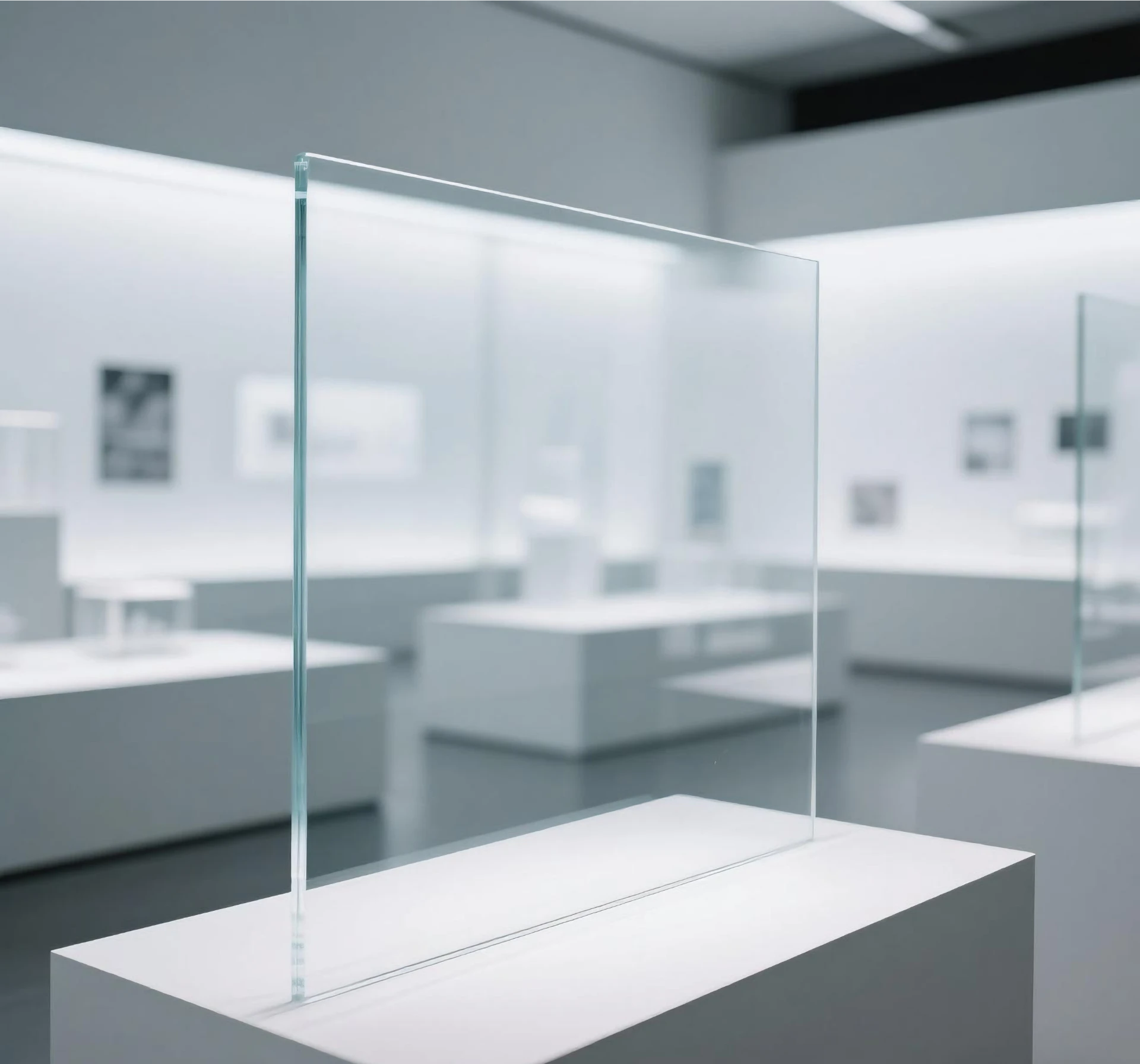
Increased demand for museum-grade transparency in urban development projects, favoring high-purity low-iron substrates.

Dynamic Thermal Control

The rise of multi-layered coatings to handle the temperature swings between day and night in the Andean region.

Sustainability-Driven Specifications

A shift toward recyclable glass components and coatings that reduce HVAC energy consumption by up to 40%.

Industry Trends and Future Outlook

Strategic projections for the glass manufacturing sector in Bolivia.

Solar Radiation Control
Implementation of advanced spectral filters to block harmful UV rays common in high-altitude Bolivian regions.
Energy-Efficient Glazing
Scaling the use of double-silver coatings to reduce heat transfer in extreme climates.
Architectural Transparency
Shift toward ultra-clear substrates to enhance the visual connectivity of urban spaces.
Sustainable Sourcing
Integrating Low-E technologies to align with global green building certifications.

Industry Outlook

Over the next 3-5 years, we expect a surge in the adoption of high-performance glass driven by Bolivia's urban expansion. Google search trends indicate an increasing interest in energy-efficient building materials, particularly in rapidly growing cities like Santa Cruz de la Sierra.

The market will move away from generic glazing toward engineered solutions that provide specific U-values and SHGC (Solar Heat Gain Coefficient) ratings to optimize indoor comfort without increasing carbon emissions.

Localized Application Scenarios in Bolivia

Tailored glass engineering for specific regional environments.

01. High-Altitude Corporate Towers in La Paz

Using dual-silver coatings to retain internal heat during freezing nights while blocking extreme daytime UV radiation.

02. Luxury Retail Showcases in Santa Cruz

Application of ultra-clear low iron glass sheet to ensure product colors are represented accurately without the green tint.

03. Modern Residential Villas in Cochabamba

Installation of thermal-break glazing systems combining clear float glass with Low-E layers for balanced year-round temperatures.

04. Government Infrastructure Projects

Implementation of high-strength, tempered float glass for public safety and long-term durability in high-traffic areas.

05. Interior Design & Office Partitions

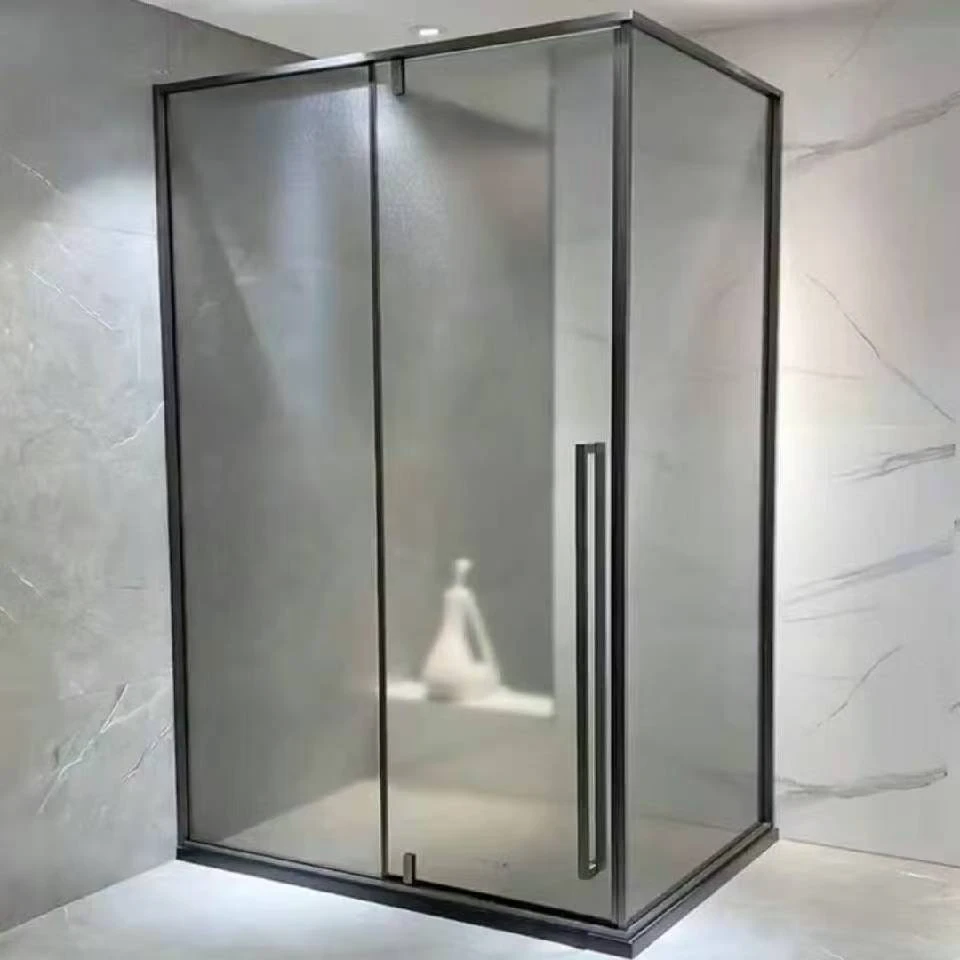
Utilization of white coated glass for minimalist, light-diffusing interior walls that maintain privacy and brightness.

Brand Story

Global Development Journey of Wangmei Industrial Group Co., Ltd.

Foundational Excellence

Established with a mission to redefine transparency, we began by mastering the core chemistry of high-quality float glass production.

Technological Leap

We invested in Low-E coating technology to solve the global pain point of energy loss in modern glass architecture.

Global Expansion

Expanding our footprint to South America, adapting our product lines to meet the specific climatic needs of the Andean region.

Quality Certification

Achieving international standards for low-iron purity and coating durability, ensuring reliability for large-scale infrastructure.

Sustainable Future

Leading the industry toward carbon-neutral manufacturing and intelligent glazing solutions for the next generation.

Comprehensive Glass Portfolio for Bolivia

High-performance solutions engineered for the Bolivian climate.

Bolivia Glass Industry FAQ

Expert answers to common technical and logistical questions.

How does dual low e glass perform in high-altitude regions like La Paz?

Dual Low-E coatings are ideal for high altitudes as they reflect infrared heat back into the building during cold nights while filtering intense solar radiation during the day.

What is the main benefit of low iron glass sheet for Santa Cruz architecture?

It removes the greenish tint found in standard glass, providing maximum light transmission and color neutrality, which is essential for modern tropical aesthetics.

Is white coated glass suitable for interior office partitions?

Yes, it provides an elegant, diffused lighting effect that enhances privacy while maintaining a bright, open feel in commercial workspaces.

How to choose between float glass and clear glass low iron for facades?

Choose standard float glass for cost-effective structural needs; select low-iron versions for high-end projects where visual clarity and color accuracy are critical.

Can Low-E glass be integrated into existing Bolivian building renovations?

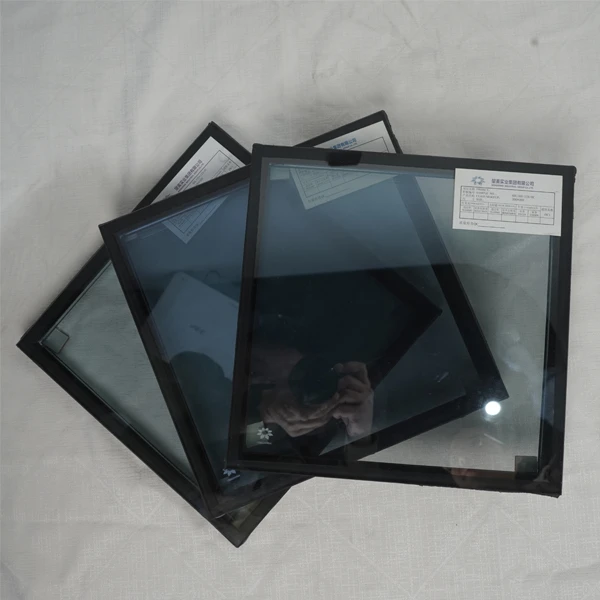
Absolutely. Replacing single-pane glass with Low-E IGU (Insulated Glass Units) is one of the most effective ways to upgrade energy efficiency in older buildings.

What certifications should I look for when importing glass to Bolivia?

Ensure the glass meets ISO quality standards and has specific certifications for thermal transmittance and safety tempering to comply with local construction codes.

Ready to Upgrade Your Glazing?

Contact our engineering team for customized glass solutions tailored specifically for the climate and architectural demands of Bolivia.

Contact Us Now

If you are interested in our products, you can choose to leave your information here, and we will be in touch with you shortly.