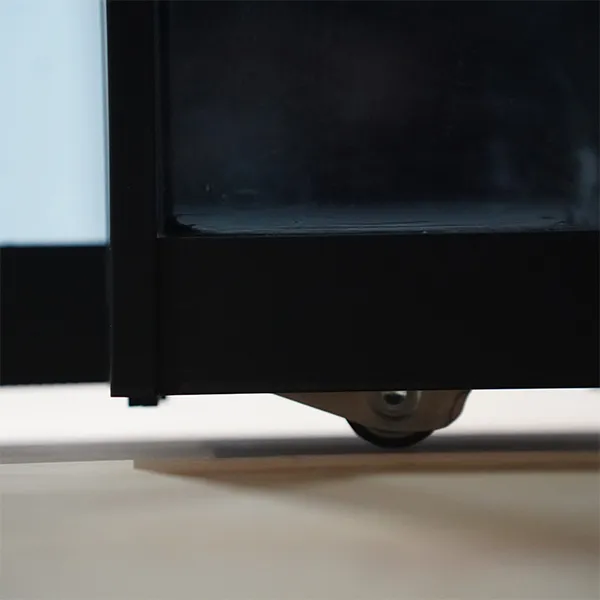
Product Description
Introduction and Applications of Glass Swing Doors
Introduction
Glass swing doors are door types primarily made of glass for the door leaf, connected to the door frame via hinges (butts) and opened by horizontal rotation. Their core advantage lies in the combination of light transmittance and decorativeness, enabling both spatial division and the creation of transparent, modern visual effects through glass materials (such as tempered glass, frosted glass, rolled glass, etc.) and structural designs. They are a common choice in indoor and outdoor decoration that balances functionality and aesthetics.
Core Processes
1. Material Classification:
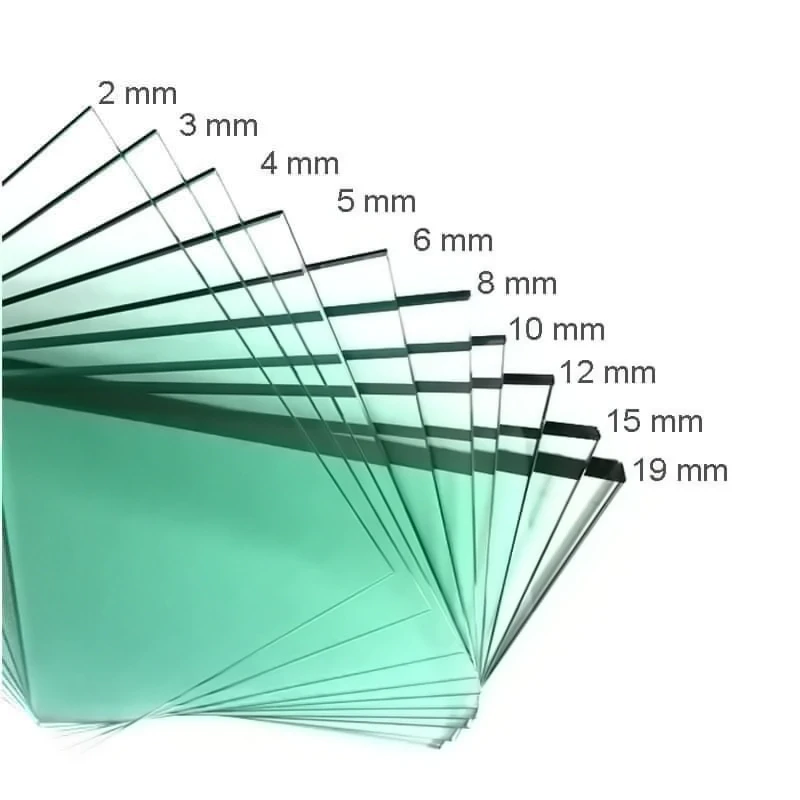
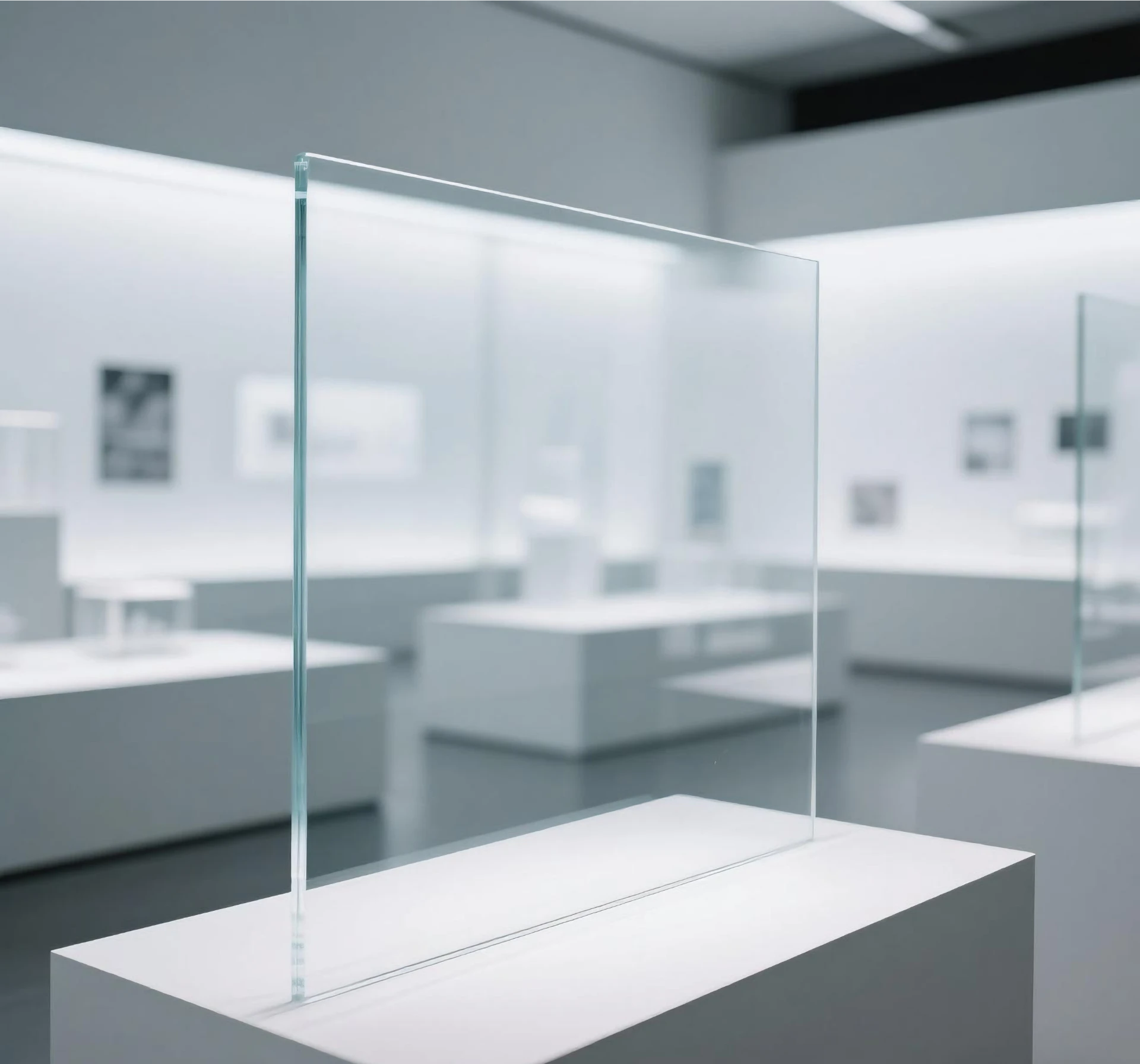
- Tempered Glass Swing Doors: High strength (impact resistance 5 times that of ordinary glass), breaking into obtuse particles for high safety, suitable for high-frequency use scenarios (e.g., balconies, kitchens).
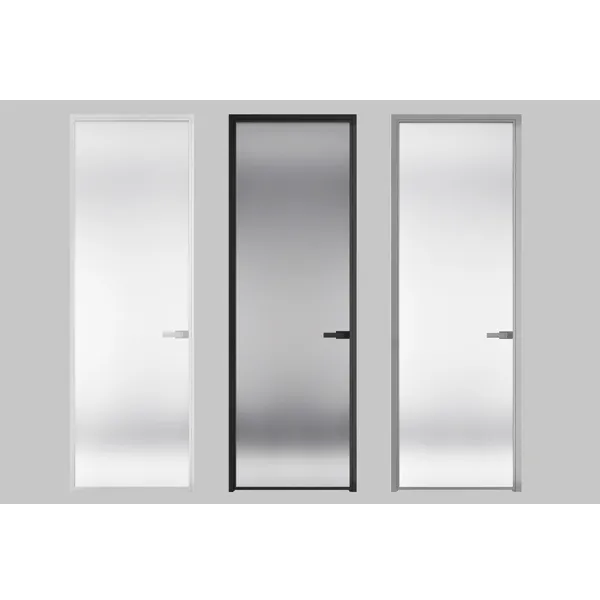
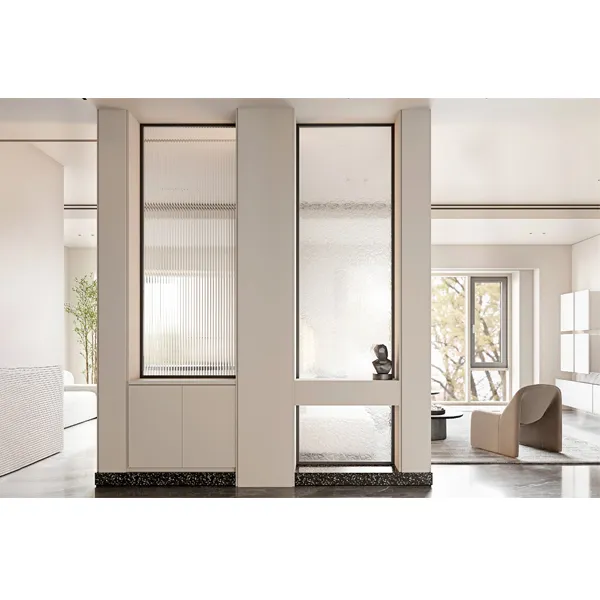
- Frosted/patterned Glass Swing Doors: Surface atomization or vertical texture treatment blurs the line of sight while retaining light transmittance, balancing privacy and lighting (commonly used for bathroom and office partitions).
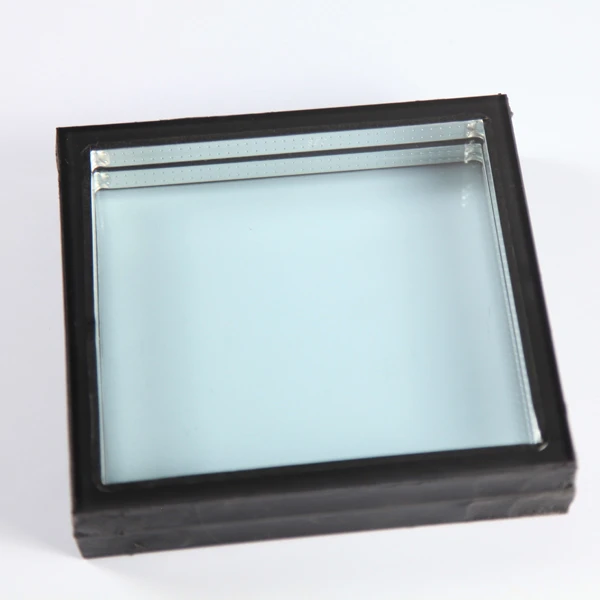
- Insulated Glass Swing Doors: Two glass layers filled with air or inert gases enhance sound and heat insulation, often used for balcony doors or spaces facing streets.
2. Frame Types:
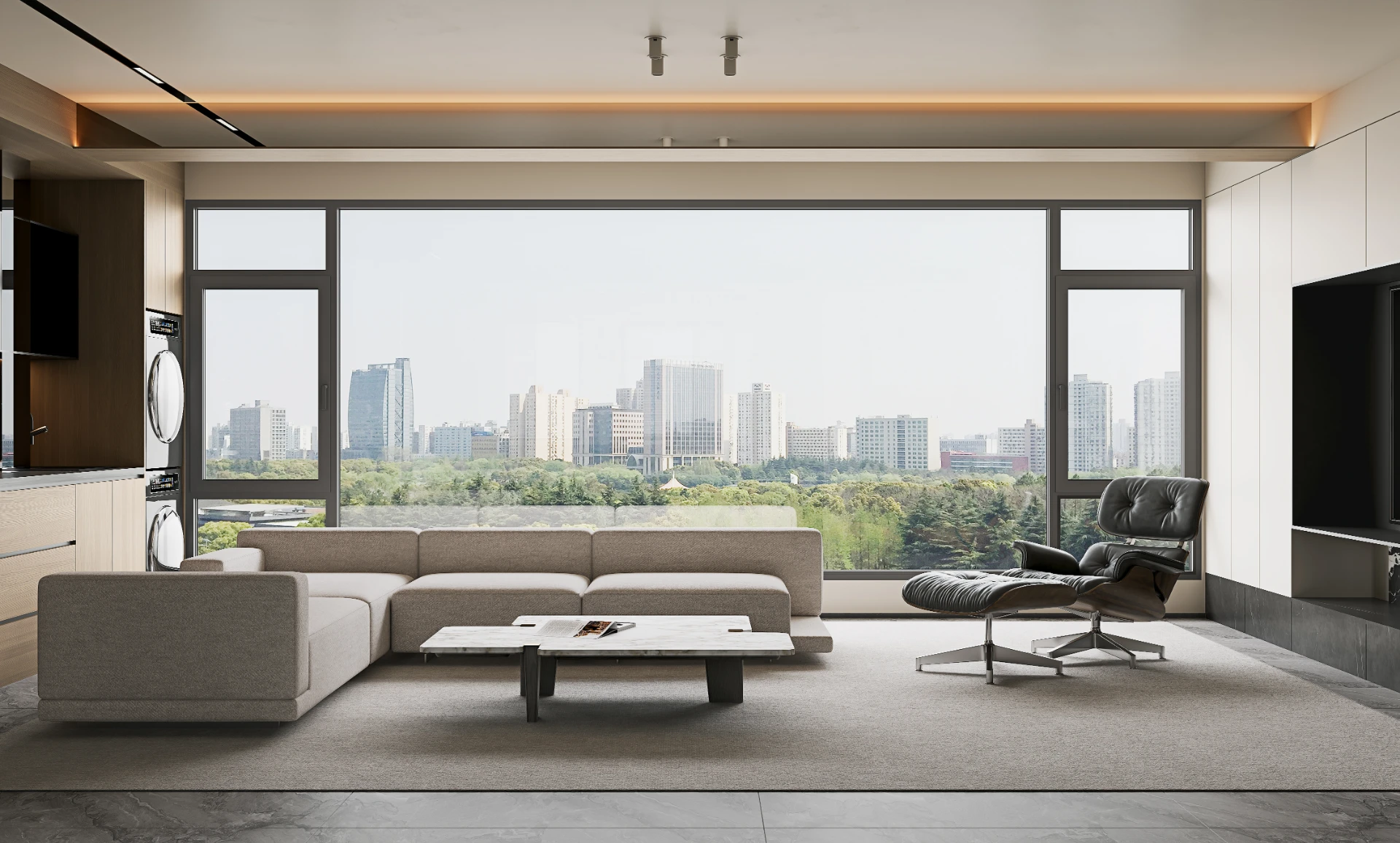
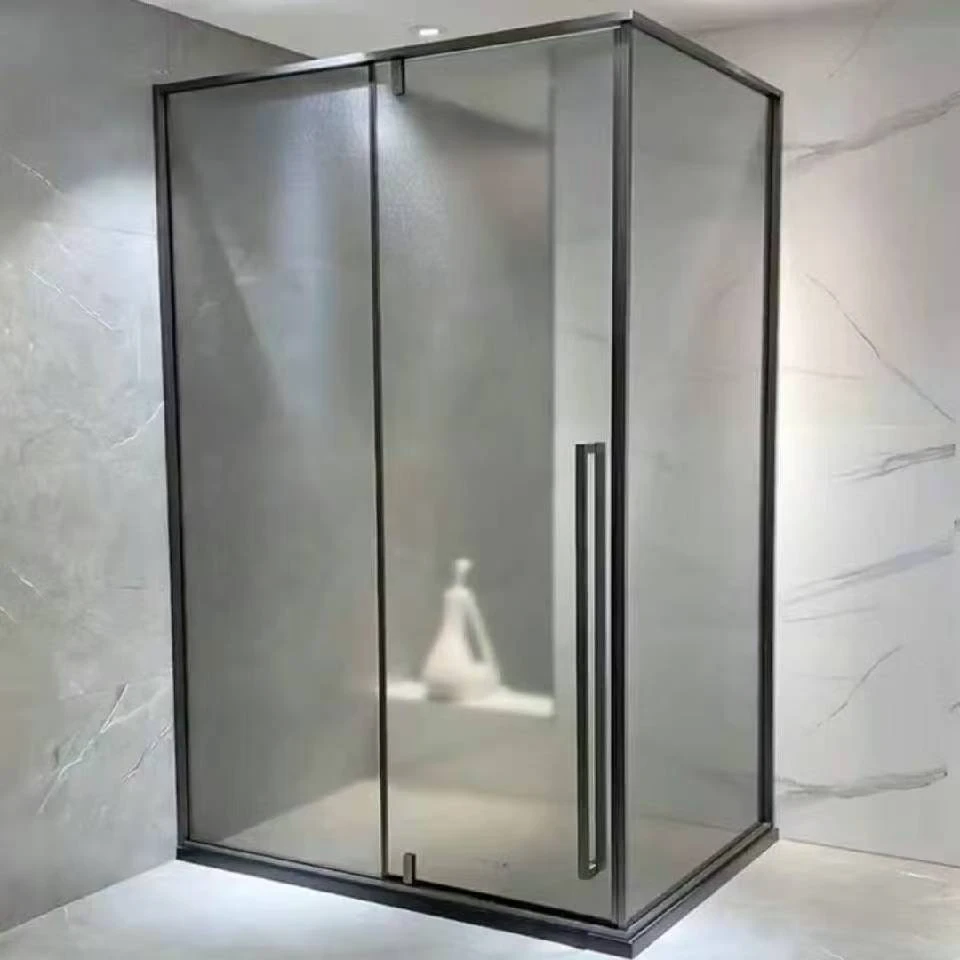
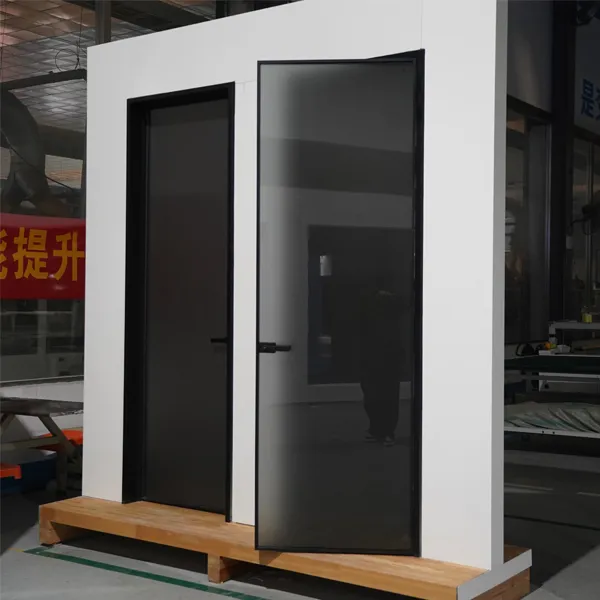
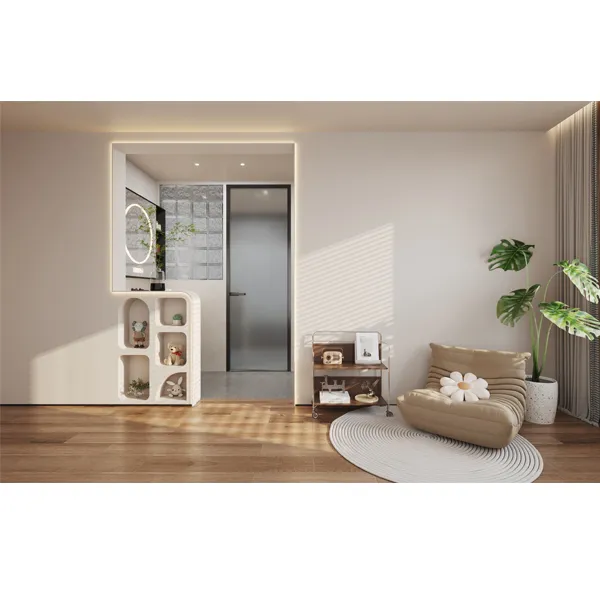
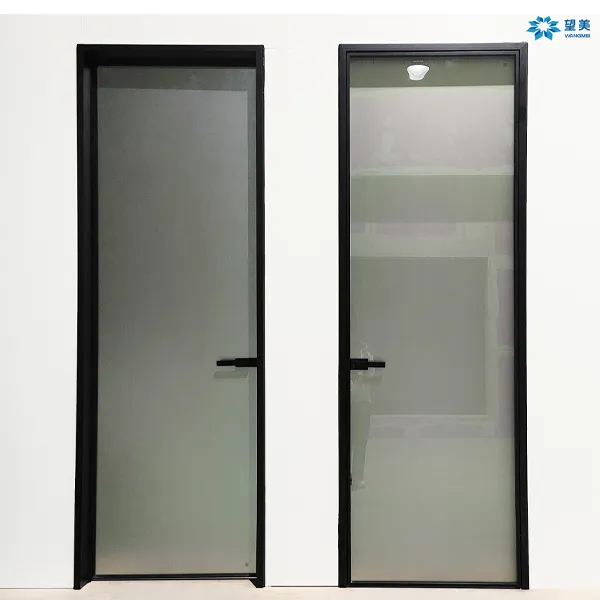
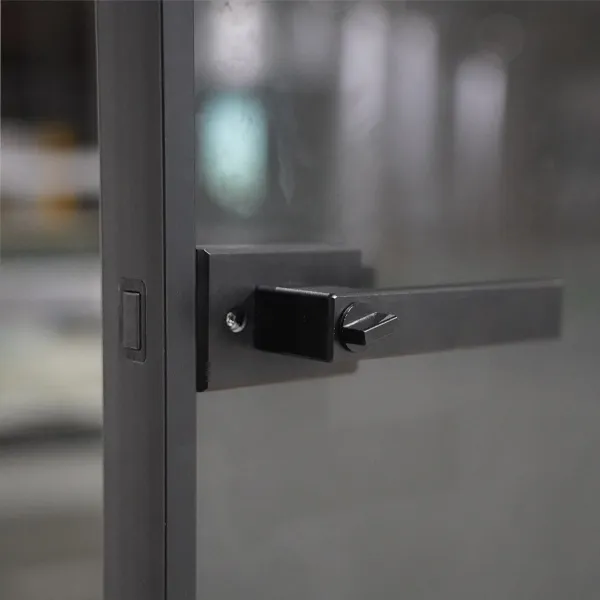
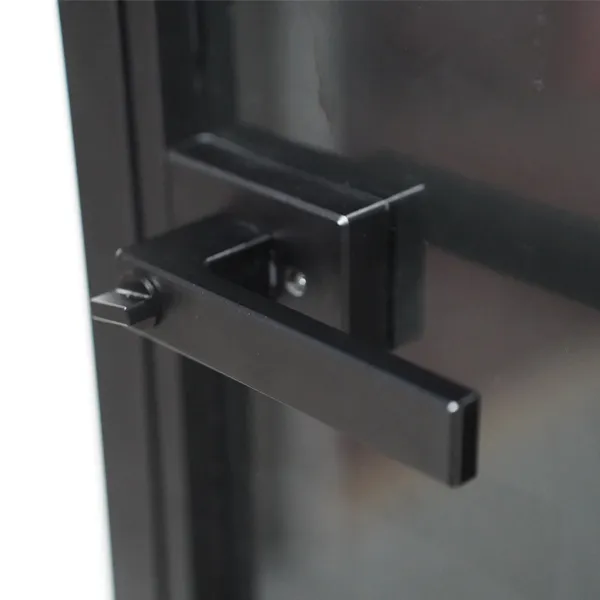
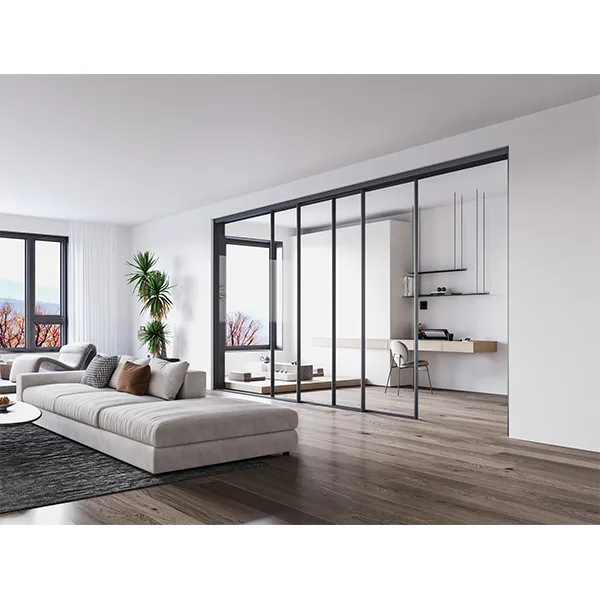
- Aluminum Alloy Frames: Lightweight and corrosion-resistant, commonly used in kitchens, bathrooms, and balconies. Paired with narrow-edge designs, they exude minimalism (e.g., ultra-narrow black-framed glass doors).
Application Scenarios
Residential Spaces:
- Kitchen & Bathroom Doors: Frosted glass swing doors with aluminum alloy frames are waterproof, moisture-proof, and easy to clean, blocking cooking fumes while maintaining light transparency (e.g., patterned glass doors for kitchens, allowing light without transparency).
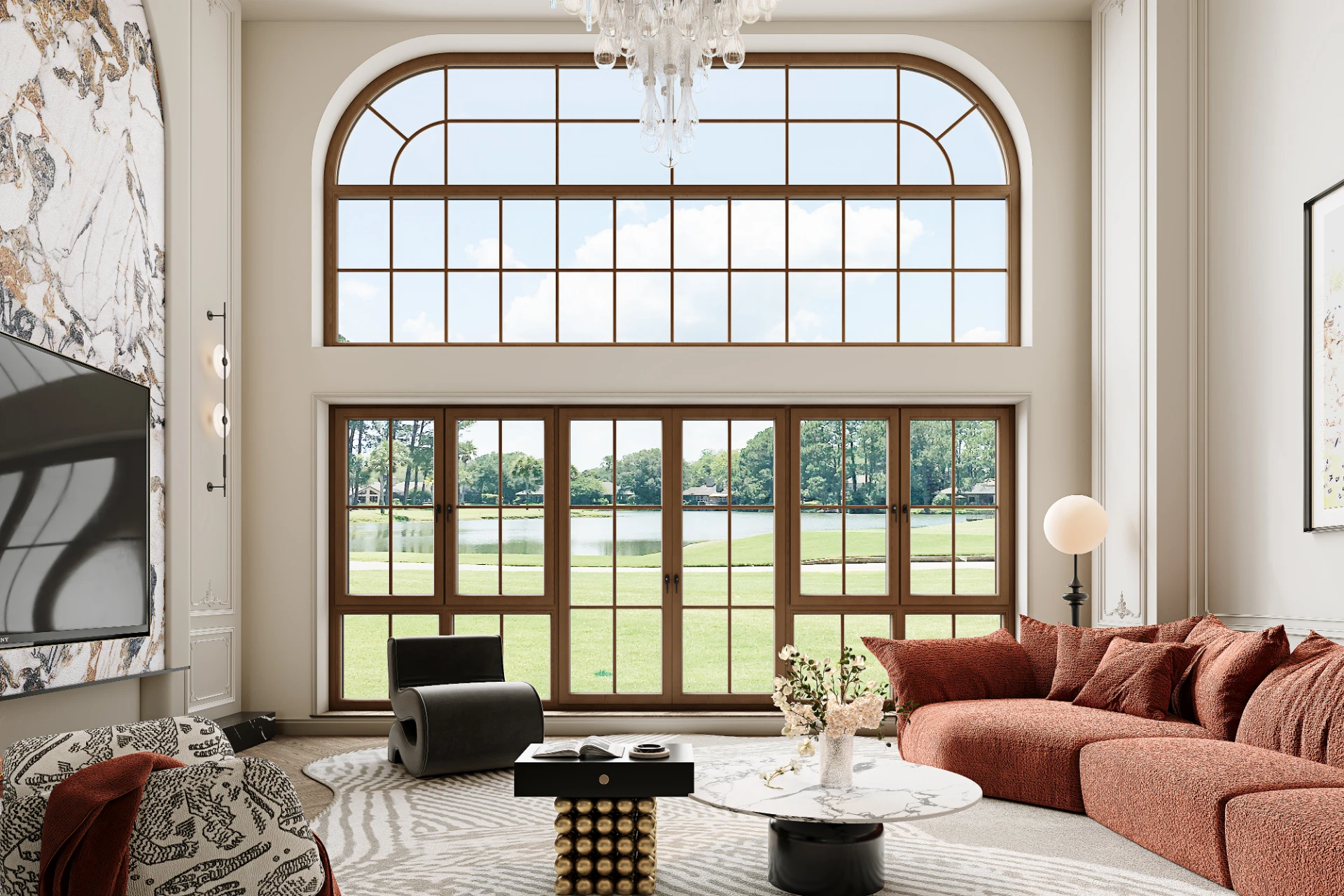
- Balcony Doors: Tempered insulated glass swing doors offer sound and heat insulation, blocking outdoor noise and temperature differences. Paired with floor-to-ceiling windows, they enhance spatial( ductility).
- Bedroom/Study Partitions: Laminated or glazed glass swing doors enhance decorativeness through pattern designs (such as geometric textures, gradient colors) while dividing functional areas.
Glass swing doors, centered on "light transmittance" and "design sense", meet practical needs for spatial division through material innovation and process upgrades, while infusing modern aesthetics into spaces via light and shadow changes. They are particularly suitable for residential and commercial scenarios pursuing transparency and personalized design.
Introduction and Applications of Glass Sliding Doors
Introduction
Glass sliding doors are door types that open horizontally via a rail and pulley system, using glass as the main door leaf material. They combine the advantages of light transmittance and space-saving. Composed of a door frame, glass door leaf, rails, and pulley components, the door leaf slides left and right along the track when opened, occupying no extra space. This makes them an ideal choice for dividing small spaces in modern decoration. Classified by glass processes, they include tempered glass, frosted glass,patterned glass, etc., and can be paired with aluminum alloy, wooden, or frameless designs to suit various scenario needs.
Core Types and Processes
1. Glass Material Classification:
- Tempered Glass Sliding Doors: High strength and impact resistance, breaking into obtuse particles for high safety. Commonly used in high-frequency areas like balconies and living rooms.
- Frosted/Patterned Glass Sliding Doors: Surface atomization or vertical texture treatment allows light transmission without transparency, balancing privacy and lighting. Suitable for bathroom and office partitions.
2. Frame and Structural Design:
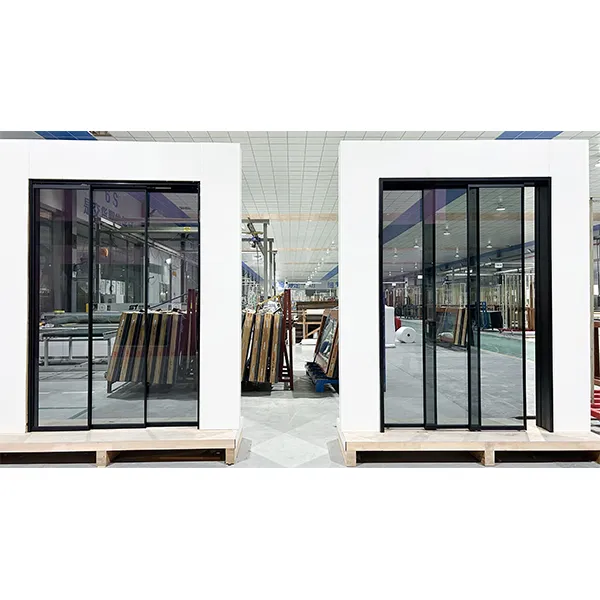
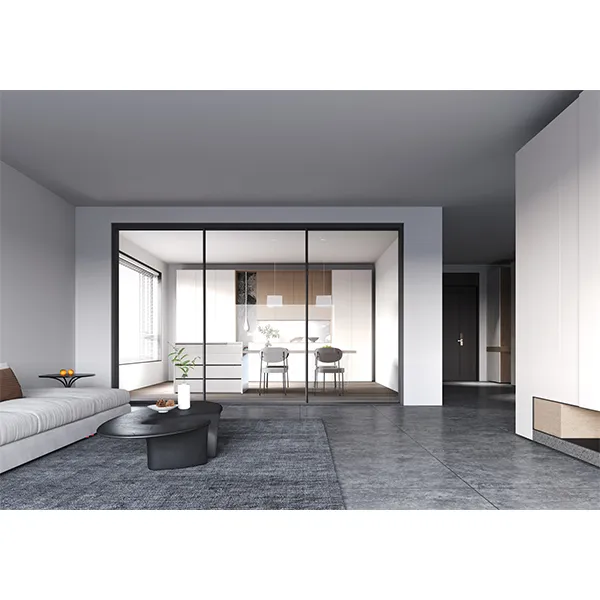
- Aluminum Alloy Frame Sliding Doors: Lightweight, corrosion-resistant, and paired with narrow-edge designs (such as ultra-narrow black frames) to enhance a modern feel. Commonly seen in kitchens, bathrooms, and balconies.
Application Scenarios
Residential Spaces:
- Balcony Partitions: Tempered insulated glass sliding doors block noise and temperature differences while enhancing indoor lighting through large-area light transmittance.
- Kitchen Doors: Frosted or embossed glass sliding doors isolate cooking fumes without blocking light. Paired with aluminum alloy frames for water and moisture resistance, they suit small-space open kitchens.
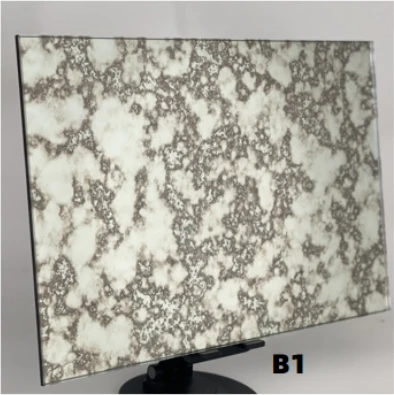
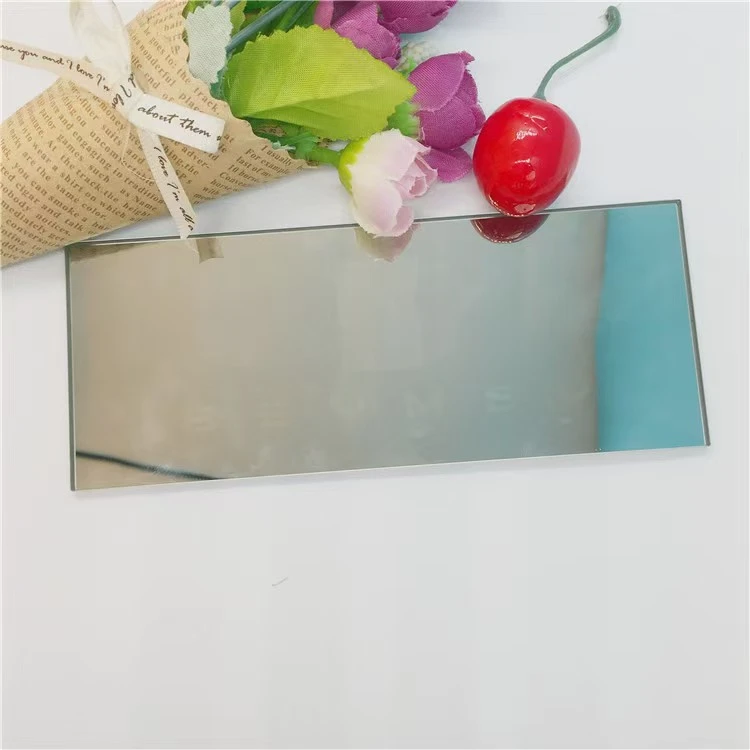
- Wardrobe Doors: Mirrored or glazed glass sliding doors integrate storage and decoration, with mirrored glass extending the visual space effect.
- Bathroom Partitions: Frosted glass sliding doors ensure bathroom lighting through light transmittance while protecting privacy. Explosion-proof films can be added to enhance safety.
Focused on "spatial efficiency" and "light-transmitting design", glass sliding doors address the space occupation issue of traditional door types through material innovation and hardware upgrades. They infuse modern aesthetic appeal into spaces with light and shadow changes, making them particularly suitable for residential and commercial scenarios that pursue a balance between practicality and aesthetics.
Frosted Glass Swing Door – Privacy Meets Modern Elegance
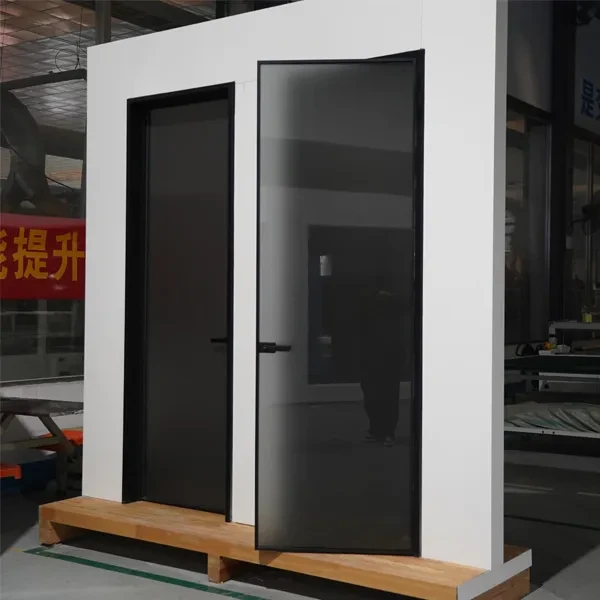
Single Swing Glass Door
A single swing glass door is a versatile and elegant entry solution for homes and commercial spaces. Its clean, minimalist design allows abundant natural light to flow through while creating a welcoming entrance. Available in various styles—from frameless to steel-framed—it complements both contemporary and traditional architecture. The smooth swinging mechanism ensures easy operation, making it ideal for front entries, patios, or interior room separations. Tempered or laminated glass options enhance safety and durability, while energy-efficient glazing helps maintain indoor comfort. Whether used as a main door or an interior partition, a single swing glass door combines functionality with striking visual appeal, enhancing any space with an open, airy feel.
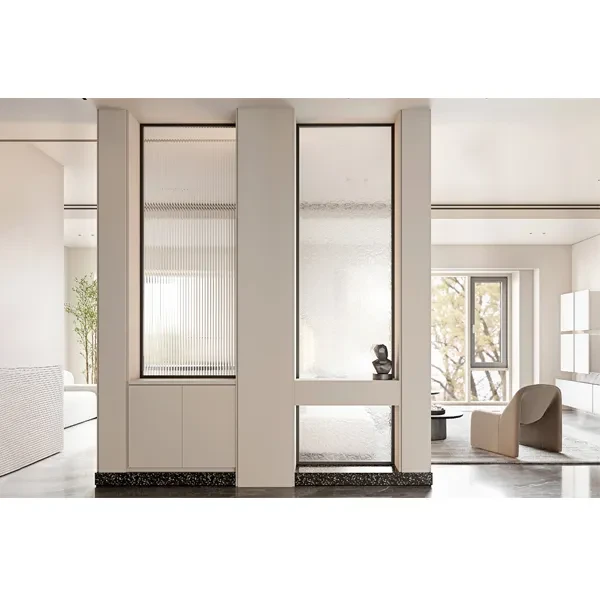
Double Aluminium and Glass Swing Doors
Double aluminium and glass swing doors make a dramatic architectural statement while providing practical functionality for high-traffic entrances. These elegant door systems feature two aluminum-framed glass panels that swing open from the center, creating a grand welcoming gesture for commercial spaces, upscale residences, and hospitality venues. The combination of sleek aluminum profiles and clear or tinted glass offers modern sophistication and abundant natural light transmission. Engineered for smooth operation with premium hinges and closing mechanisms, they're available in various configurations including full-glass designs or options with aluminum kick plates. Many models incorporate thermal breaks for energy efficiency, and can be customized with different glass types, frame finishes, and hardware selections to match any architectural style from minimalist contemporary to industrial chic.