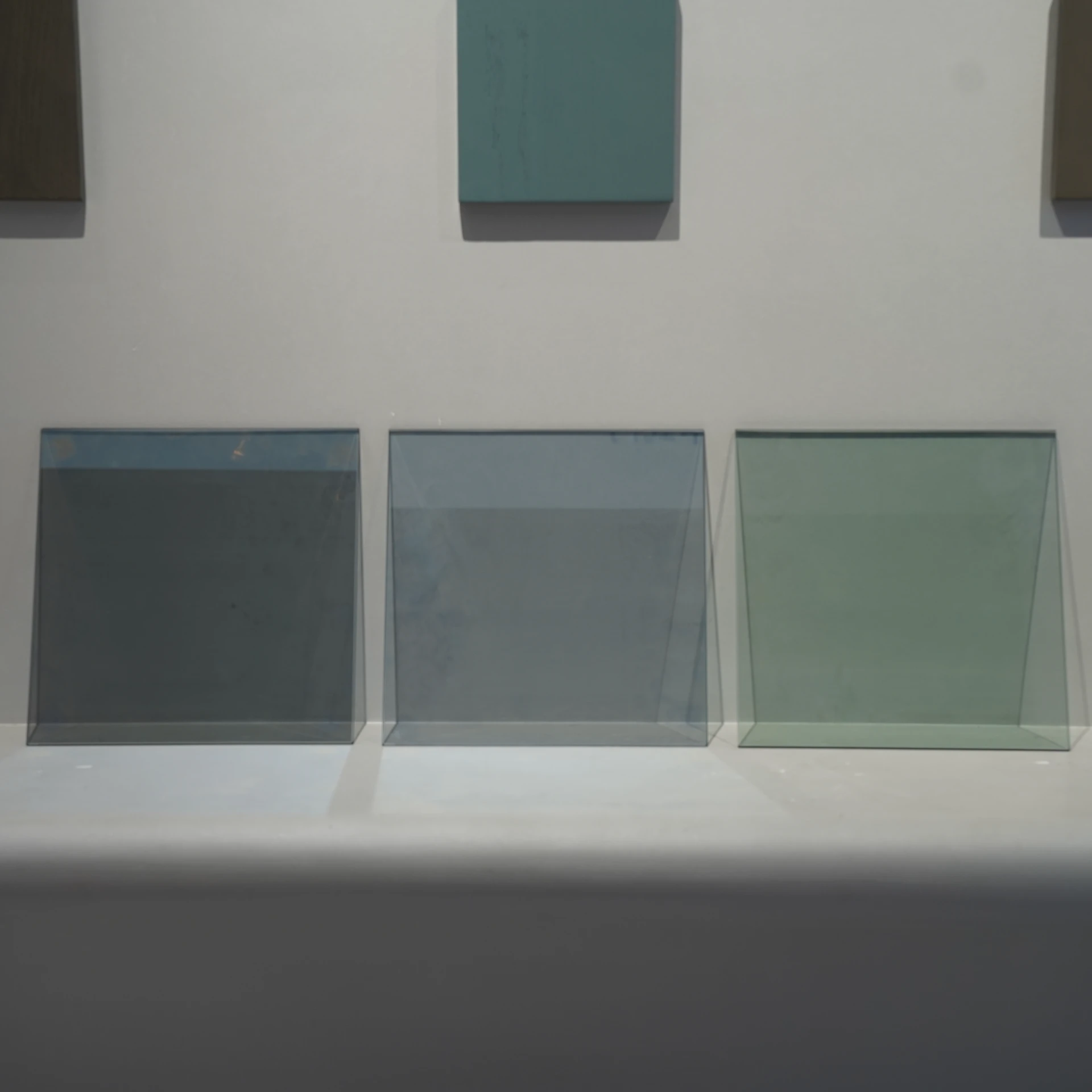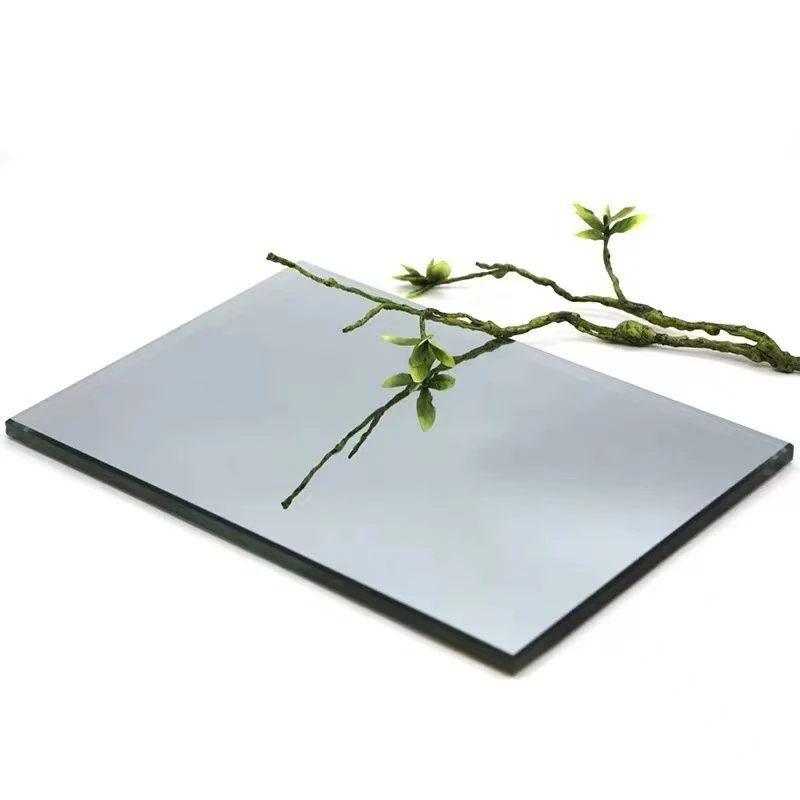

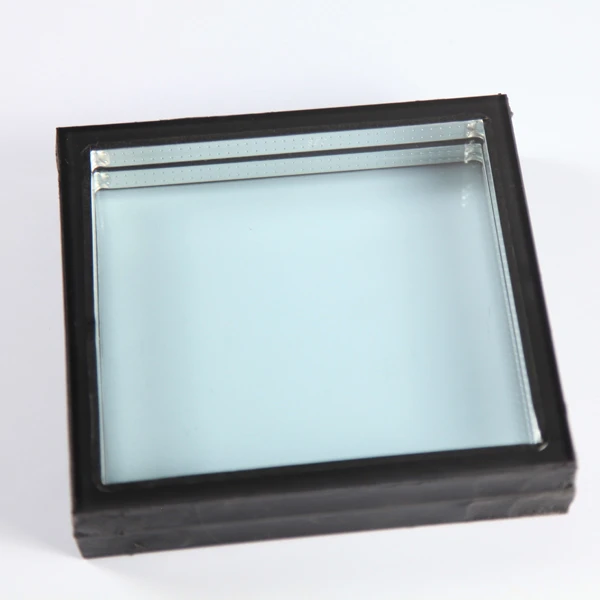
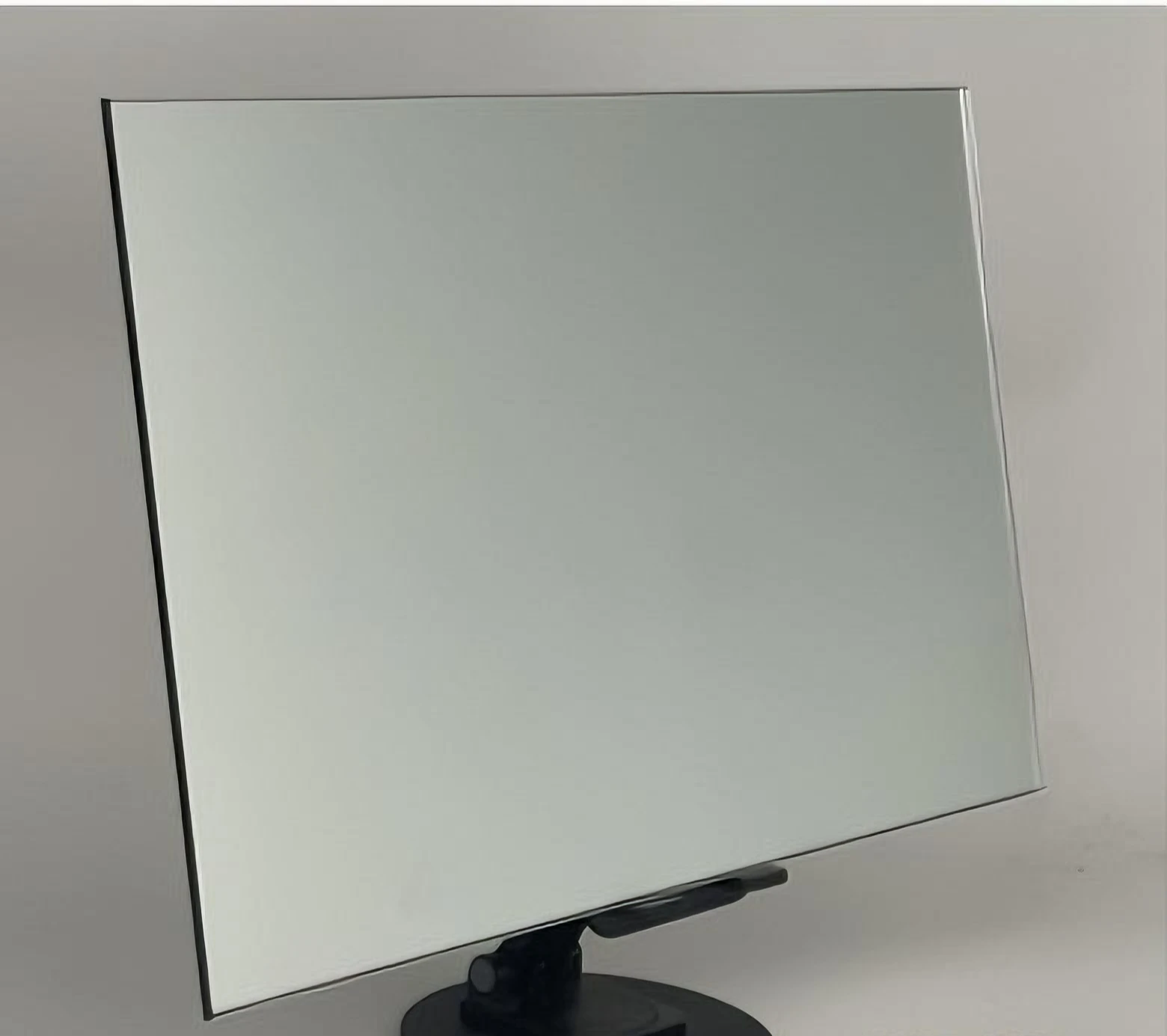
Advanced dual low e glass Solutions for Canada's Architecture

High-performance architectural glass engineered for the extreme Canadian climate, blending thermal efficiency with crystalline clarity.

Advanced dual low e glass Solutions for Canada's Architecture

We provide the Canadian construction sector with premium grade float glass and specialized coatings designed to withstand drastic temperature fluctuations while optimizing energy consumption.

The Landscape of Glass Manufacturing in Canada

Navigating the demands of Northern climates and sustainable building codes.

The Canadian glass market is heavily influenced by the country's extreme seasonal temperature variances. In regions like Ontario and Quebec, there is a massive demand for float glass that can serve as a stable base for multi-layered insulating units. The focus has shifted from simple transparency to high-thermal-resistance substrates.

With the push toward "Net Zero" emissions in Canadian urban centers like Vancouver and Toronto, the adoption of low iron glass sheet has grown. This is driven by the need for maximum natural light penetration during short winter days, reducing the reliance on artificial lighting in commercial office spaces.

Economic pressure and strict energy codes (NECB) have forced manufacturers to move beyond standard clear glass. The integration of white coated glass is becoming common in interior partitions to maintain privacy without sacrificing the luminosity required in Northern latitudes.

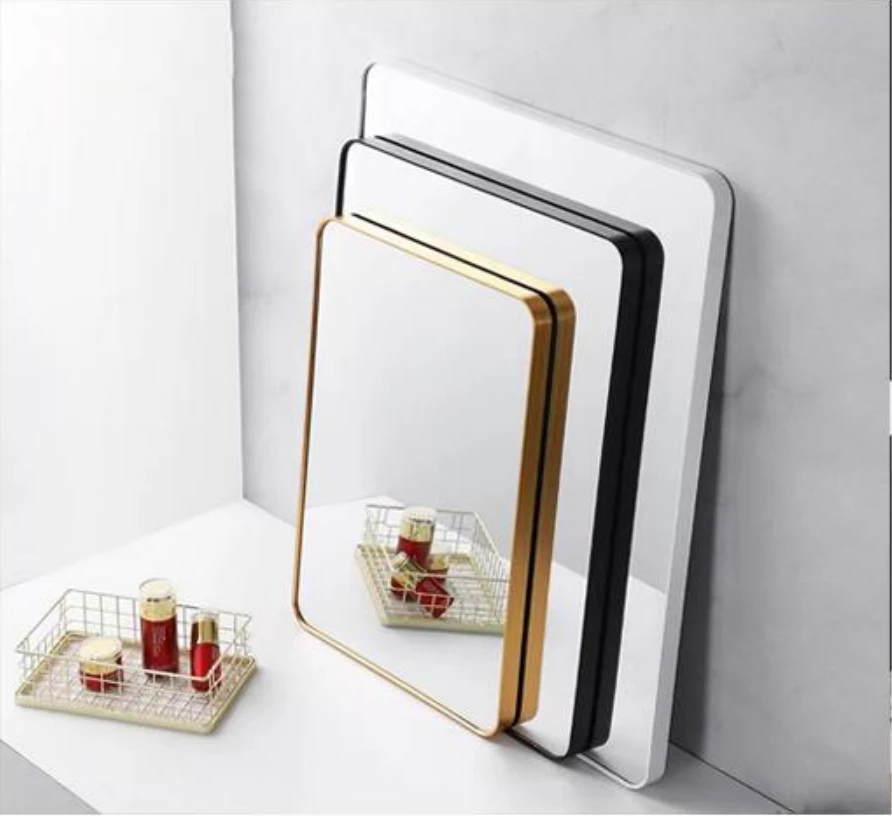
Evolution of Flat Glass Technology in Canada

From basic transparency to intelligent thermal regulation.

Market Development History

In the early 2000s, the Canadian market relied heavily on standard clear float glass, which offered minimal thermal protection, leading to significant heat loss during winter months.

By 2010, the industry saw a transition toward Single Low-E coatings. However, the demand for clear glass low iron surged as architects demanded higher aesthetic purity for luxury residential projects in the Rockies and Coastal regions.

From 2018 to the present, the evolution culminated in the widespread adoption of dual-silver and triple-silver coatings, enabling the creation of high-performance units that meet the rigorous Canadian energy efficiency standards.

Future Development Trends

Vacuum Insulated Glazing (VIG)

Integrating VIG with low-iron substrates to achieve R-values comparable to solid walls without the bulk of traditional triple glazing.

Dynamic Electrochromic Coatings

Glass that changes opacity based on sunlight intensity, specifically designed to manage the high-contrast light of Canadian summers.

Circular Economy Integration

A shift toward 100% recyclable glass cullet in the production of float sheets to align with Canada's green procurement policies.

Industry Trends and Future Outlook

Predicting the next era of high-performance glazing in North America.

Thermal Efficiency Optimization
Increasing the U-value performance through advanced dual and triple Low-E coatings to reduce heating costs in Canada.
Ultra-Clear Aesthetics
Shift towards low-iron glass for high-end retail and museum facades to ensure zero color distortion.
Sustainable Production
Implementation of carbon-neutral melting processes to comply with Canadian environmental regulations.
Smart-Glass Integration
Integration of IoT-controlled coatings that adjust thermal properties in real-time based on weather.

Industry Outlook

Based on search trends for energy-efficient building materials in North America, there is a significant increase in queries regarding "low-emissivity" and "thermal break" glass. We expect the demand for high-performance dual low e glass to grow by 15% annually in the Canadian market.

Future growth will be driven by the retrofitting of older commercial buildings in downtown cores to meet the new green building standards, moving away from legacy float glass toward multi-functional coated solutions.

Localized Glass Applications in Canada

Proven use-cases for various glass types across Canadian provinces.

1. High-Rise Residential in Toronto

Implementation of high-performance units combining dual low e glass to reduce HVAC loads during extreme January freezes.

2. Luxury Waterfront Villas in Vancouver

Using clear glass low iron to provide unobstructed views of the Pacific coast while filtering harmful UV rays.

3. Commercial Interior Design in Montreal

Utilizing white coated glass for corporate office dividers to create a bright, open atmosphere in historic building renovations.

4. Retail Storefronts in Calgary

Application of low iron glass sheet for luxury product displays to ensure color accuracy under varied lighting conditions.

5. Industrial Greenhouse Structures in Alberta

Deploying high-strength float glass with specialized thermal coatings to maximize solar gain during winter growth cycles.

Brand Story

Global Development History of Wangmei Industrial Group Co., Ltd.

Foundation & Core Vision

Started with a mission to solve the fragility and thermal inefficiency of traditional glass in extreme environments.

Technological Breakthrough

Developed proprietary coating processes that allow for higher precision in Low-E silver layering.

Global Market Expansion

Expanded operations to North America, tailoring products to meet strict Canadian and US building codes.

Sustainable Innovation

Launched the "Green Glass" initiative, focusing on reducing carbon footprints during the smelting process.

Industry Leadership

Recognized as a leading provider of architectural glass solutions for smart cities worldwide.

Complete Glass Portfolio for the Canadian Market

From raw float glass to advanced coated solutions for every architectural need.

Canadian Architectural Glass FAQs

Expert answers to common technical questions regarding glass selection in North America.

How does dual low e glass improve energy efficiency in Canadian winters?

Dual Low-E glass uses two layers of silver coating to reflect interior heat back into the room while limiting the amount of solar heat gain in summer, significantly reducing heating bills.

What is the main advantage of low iron glass sheet over standard float glass?

Low iron glass reduces the greenish tint common in standard glass, providing superior clarity and color rendering, which is essential for luxury facades and display cases.

Can clear glass low iron be used for exterior structural glazing in Canada?

Yes, provided it is tempered or laminated to meet Canadian safety standards. It is often paired with Low-E coatings for thermal performance.

Is white coated glass suitable for high-humidity environments like indoor pools?

Yes, our white coated glass is engineered for durability and resistance to moisture, making it an ideal choice for privacy partitions in humid areas.

What is the typical lead time for customized float glass orders in North America?

Lead times vary by volume and specification, but we optimize our logistics to ensure timely delivery to major Canadian ports and distribution centers.

How do I choose between different Low-E coatings for my project?

The choice depends on your priority: if you need maximum heat retention in the north, dual or triple Low-E is recommended. For solar control in the south, a high-selectivity coating is better.

Request a Technical Consultation

Partner with the leading glass experts for your next project in Canada. Our engineers are ready to optimize your glazing specifications.

Contact Us Now

If you are interested in our products, you can choose to leave your information here, and we will be in touch with you shortly.