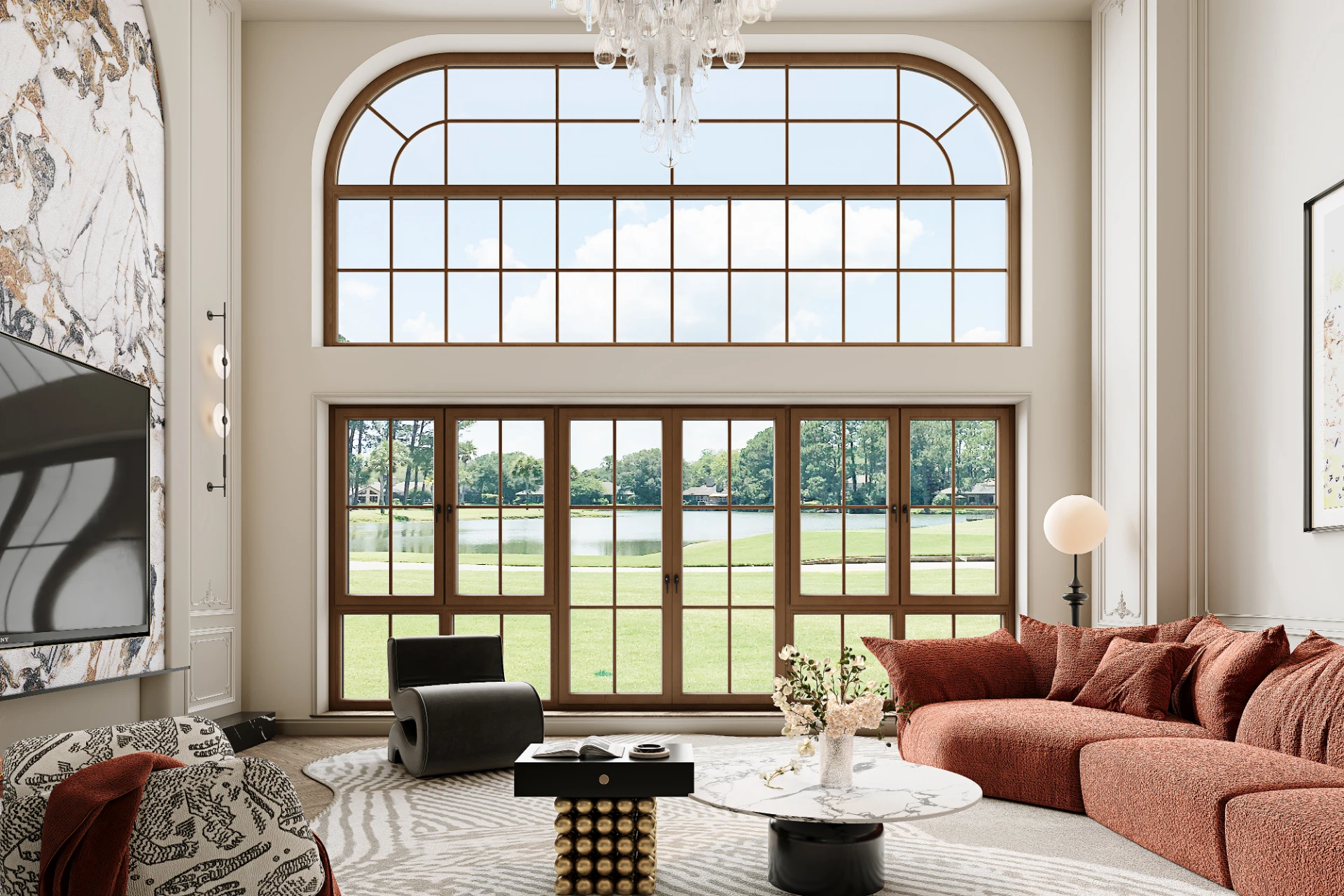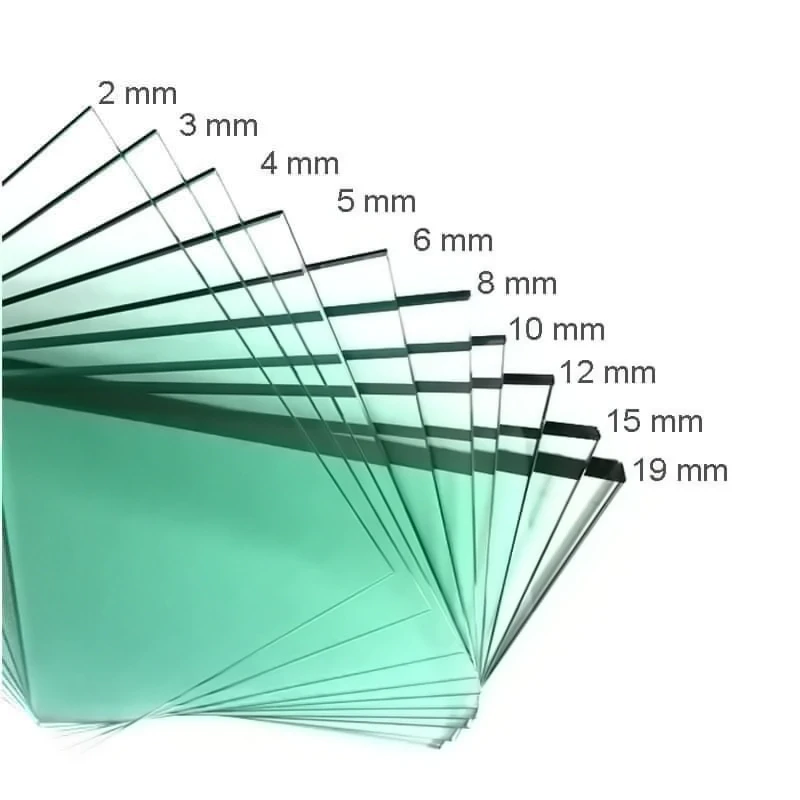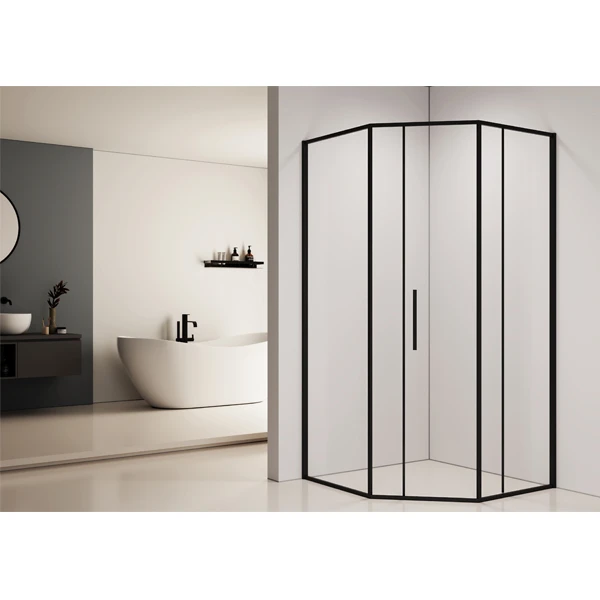
Equatorial Guinea's construction sector is characterized by a high demand for materials that can resist extreme humidity and salinity, particularly in coastal areas like Malabo. The prevalence of float glass has been the baseline for local glazing, but there is a growing shift toward specialized technical glass to reduce cooling costs in commercial buildings.
The local market currently faces challenges regarding the supply of high-end technical glass. Most projects rely on imported low iron glass sheet to achieve superior clarity for luxury storefronts and government infrastructure, reflecting a move toward higher aesthetic standards in urban development.
With the rise of sustainable architecture in the region, the integration of heat-reflective coatings has become essential. The adoption of white coated glass is increasing as a strategy to mitigate the "urban heat island" effect in rapidly growing cities, providing a balance between natural light and thermal insulation.