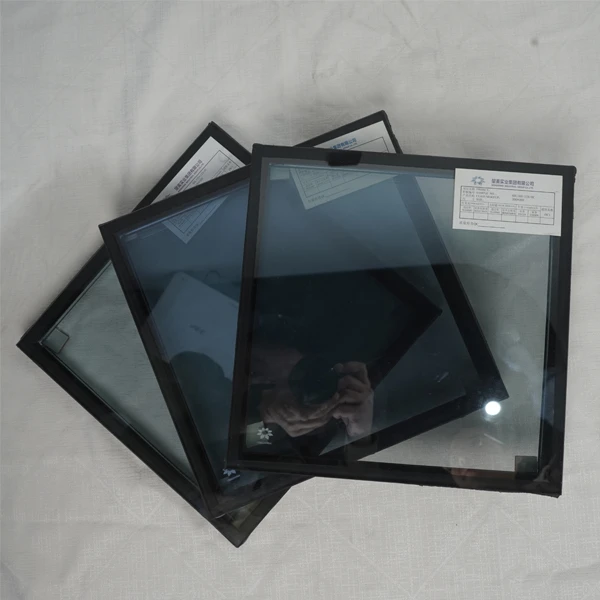
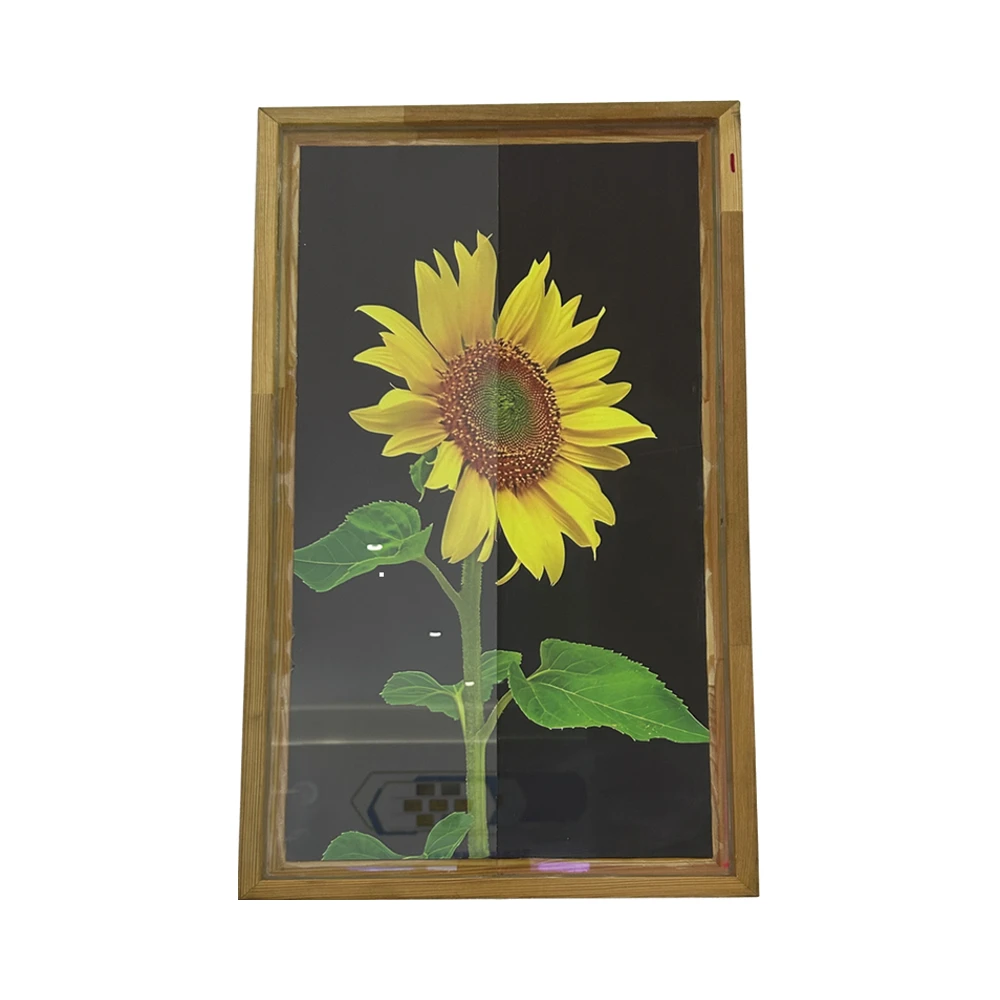
Advanced dual low e glass Solutions for Mali's Urban Architecture

Providing high-performance architectural glass engineered to withstand the extreme Sahelian climate of Mali, ensuring energy efficiency and structural clarity.

Advanced dual low e glass Solutions for Mali's Urban Architecture

Our comprehensive glass manufacturing suite provides the Malian market with a balance of thermal insulation and high optical purity, essential for modern sustainable building in Bamako and beyond.

Glass Infrastructure Realities in Mali

Analyzing the intersection of high solar radiation and architectural demands in the Sahel region.

Mali's construction industry faces a unique challenge: extreme heat and intense UV exposure. The reliance on standard float glass in the past has often led to significant heat gain within buildings, increasing the energy load for cooling systems in cities like Bamako.

Due to the prevalence of dust and sandstorms, there is a rising demand for surfaces that maintain clarity and resist abrasion. The transition toward low iron glass sheet is becoming evident in luxury commercial projects where visual transparency must be maintained despite the harsh environment.

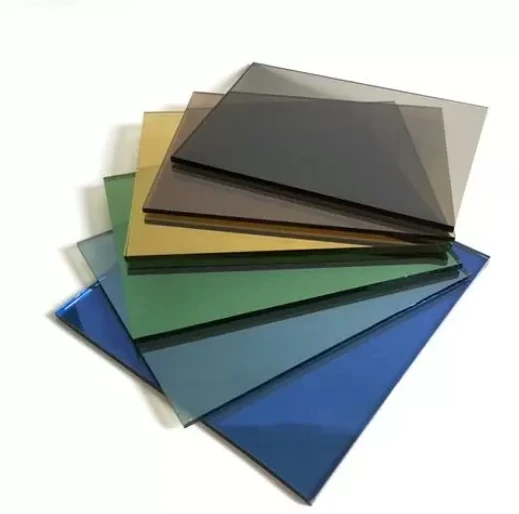
Currently, the market is shifting from basic transparency to functional coatings. The adoption of specialized white coated glass is increasing to reflect sunlight while providing the necessary privacy and aesthetic appeal for modern Malian facades.
Evolution of Glass Technology in West Africa

From basic silica transparency to intelligent thermal management.

Market Development History

Between 1990 and 2010, the Malian glass market was dominated by imported basic float glass, used primarily for simple windows and partitions with little regard for thermal performance.

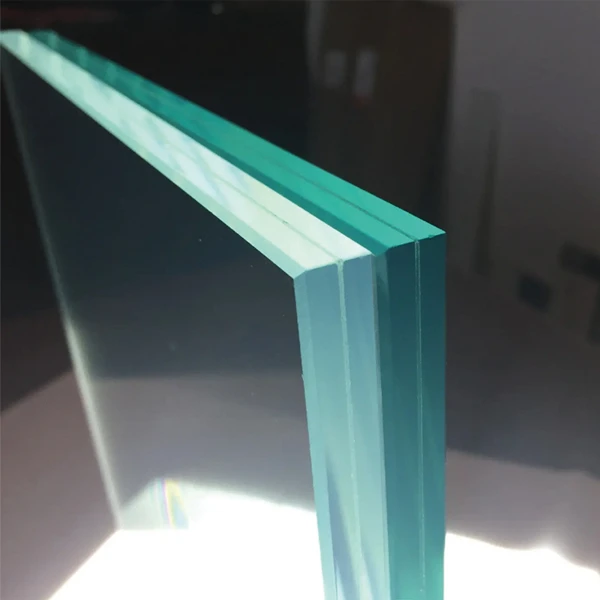
From 2010 to 2020, the emergence of "Green Building" concepts in West Africa led to the introduction of clear glass low iron, allowing architects to create more open, light-filled spaces without the green tint of traditional glass.

Post-2020, the focus has shifted toward advanced spectral control. The integration of dual-silver coatings has revolutionized how heat is managed, moving the industry toward high-efficiency thermal barriers.

Future Development Trends

Smart Solar Modulation

Integration of electrochromic layers with dual low-e technology to dynamically adjust tint based on the Malian sun's intensity.

Ultra-Clear Structural Facades

Increased utilization of high-purity low-iron sheets to maximize natural light while minimizing heat transfer in government buildings.

Sustainable Recycled Flux

Development of manufacturing processes that utilize local mineral resources to reduce the carbon footprint of glass transport to Mali.

Industry Trends and Future Outlook

Strategic forecasts for the non-metallic mineral products sector in Mali.

Thermal Efficiency Surge
Accelerated adoption of low-emissivity coatings to reduce air conditioning costs in Mali's extreme heat.
Low-Iron Standardization
Moving away from green-tinted glass toward ultra-clear solutions for high-end retail and hospitality.
Eco-Friendly Logistics
Optimizing supply chains from manufacturing hubs to Bamako to minimize carbon emissions.
Structural Durability
Increasing demand for tempered and laminated variants to withstand wind-blown sand and debris.

Industry Outlook

Based on Google search trend logic for the region, there is a growing interest in "energy-saving windows" and "heat reflective glass" in West Africa. This suggests that the Malian market is entering a phase of maturity where technical specifications outweigh simple price points.

The next 3-5 years will likely see a surge in government-led infrastructure projects requiring LEED or EDGE certification, making high-performance glass like dual low-e a mandatory requirement rather than a luxury option.

Localized Application Scenarios in Mali

Practical implementation of advanced glass in Mali's unique environmental context.

01. Bamako Commercial High-Rises

Utilizing dual low e glass to create curtain walls that allow natural light while blocking 70% of infrared heat, reducing electricity costs for corporate offices.

02. Luxury Hospitality in Sahel Resorts

Implementing low iron glass sheet for panoramic views of the landscape without the distortion or color shift found in standard float glass.

03. Government Administrative Centers

Applying white coated glass for secure internal partitions that provide light diffusion and privacy while maintaining a modern, clean aesthetic.

04. Modern Residential Villas

Installing clear glass low iron in sunrooms and greenhouses to maximize photosynthetic light for interior gardens while maintaining structural integrity.

05. Urban Transit Hubs

Using heavy-duty float glass processed into laminated safety sheets for bus terminals and airport extensions in Bamako.

Brand Story

Global Development Process of Wangmei Industrial Group Co., Ltd.

Foundational Excellence

Starting as a specialized facility, we focused on mastering the purity of raw materials to eliminate the "green tint" common in early industrial glass.

Technological Breakthrough

We pioneered the application of dual-silver Low-E coatings, solving the paradox of needing high light transmission but low heat gain.

Global Expansion

Expanding our logistics network to reach West African markets, ensuring that high-performance glass arrives in Mali without breakage.

Sustainability Commitment

Implementing closed-loop recycling systems in our factories to reduce the energy required for melting silica, lowering our global carbon footprint.

Future-Proofing Architecture

Our current mission is to empower architects in Mali with the materials needed to build cities that are both visually stunning and thermally sustainable.

Complete Glass Product Portfolio for Mali

A curated selection of non-metallic mineral products designed for high-temperature durability.

Frequently Asked Questions in Mali

Technical guidance for selecting the right glass for the Sahelian climate.

How does dual low e glass reduce energy costs in Bamako?

It uses two layers of silver coating to reflect infrared heat away from the building while allowing visible light to enter, significantly lowering AC usage.

What is the benefit of using low iron glass sheet over standard float glass?

Low iron glass removes the iron oxide impurities, eliminating the green tint and providing superior clarity for high-end architectural displays.

Is white coated glass suitable for the high UV levels in Mali?

Yes, the white coating acts as a reflective shield, reducing UV penetration and preventing the interior of the building from overheating.

Can clear glass low iron be used for structural facades?

Absolutely. When tempered or laminated, low-iron glass offers the same structural strength as standard glass but with far better optical properties.

How do I maintain float glass surfaces against sand abrasion?

We recommend regular cleaning with non-abrasive solutions and considering a protective hydrophobic coating to reduce sand adhesion.

Which glass is best for Mali's energy-efficient government buildings?

A combination of dual low-e for external windows and low-iron for internal partitions is the optimal choice for efficiency and aesthetics.

Get Expert Glass Consultation

Connect with our technical team to find the perfect architectural glass solution for your projects in Mali.

Contact Us Now

If you are interested in our products, you can choose to leave your information here, and we will be in touch with you shortly.