Advanced low iron glass sheet Solutions for Japan's Modern Architecture

Providing high-transparency and energy-efficient glazing systems tailored for the stringent quality standards of the Japanese construction market.

Advanced low iron glass sheet Solutions for Japan's Modern Architecture

Integrating precision engineering with high-performance materials to meet Japan's demand for optical clarity and thermal efficiency in urban development.

Glass Industry Landscape in Asia - Japan

Analyzing the intersection of aesthetic minimalism and seismic resilience in Japanese glazing.

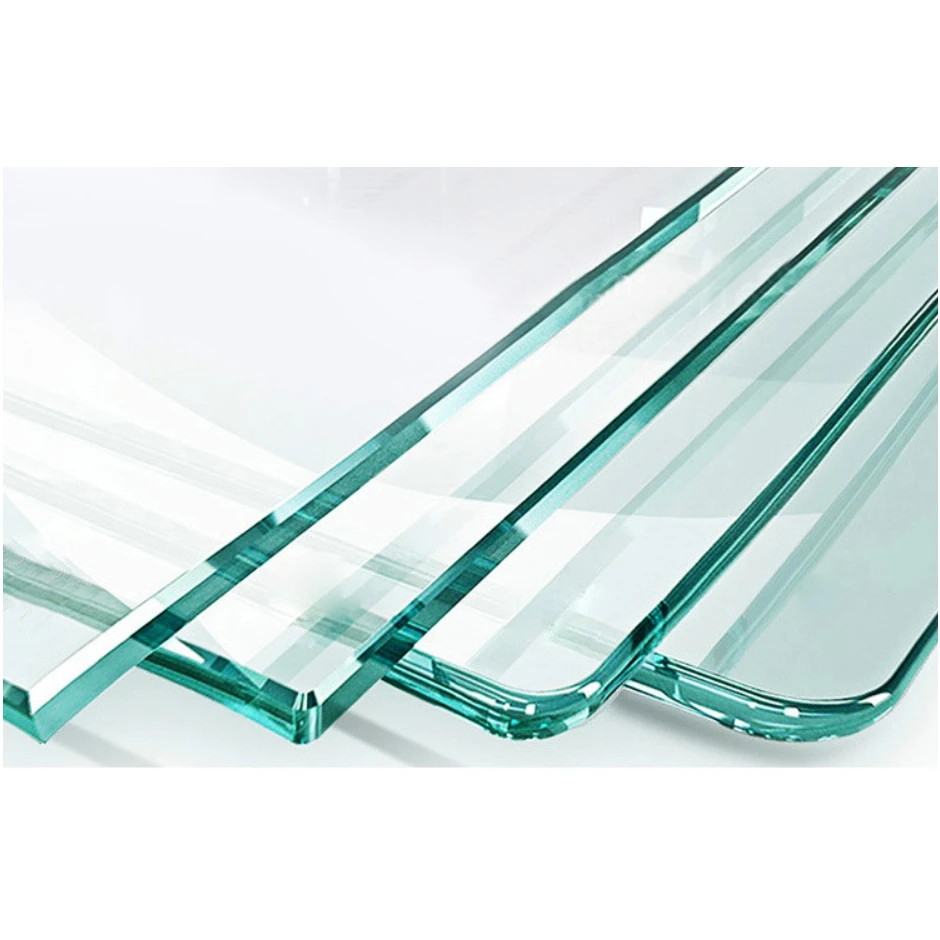
Japan's glass market is characterized by a relentless pursuit of perfection and extreme durability. Given the high density of urban centers like Tokyo and Osaka, there is a significant shift toward float glass that can withstand high wind loads and seismic activities while maintaining a sleek, minimal aesthetic.

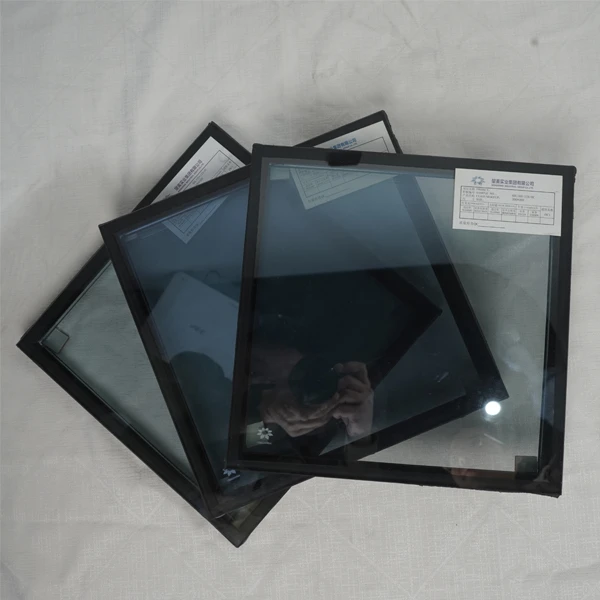
The Japanese climate, featuring humid summers and cold winters, drives a massive demand for high-performance coatings. The market has moved beyond standard clear glass to embrace dual low e glass to reduce HVAC energy consumption in accordance with the nation's strict carbon neutrality goals for 2050.

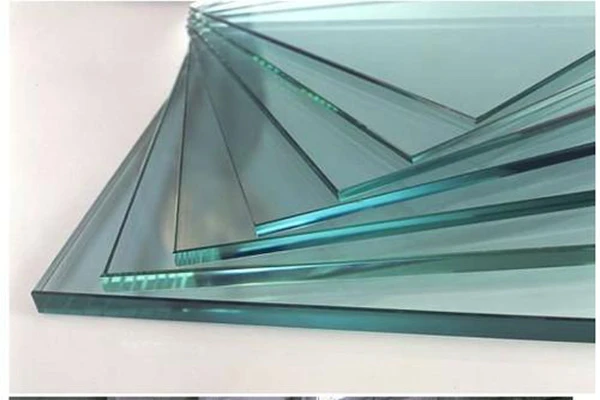
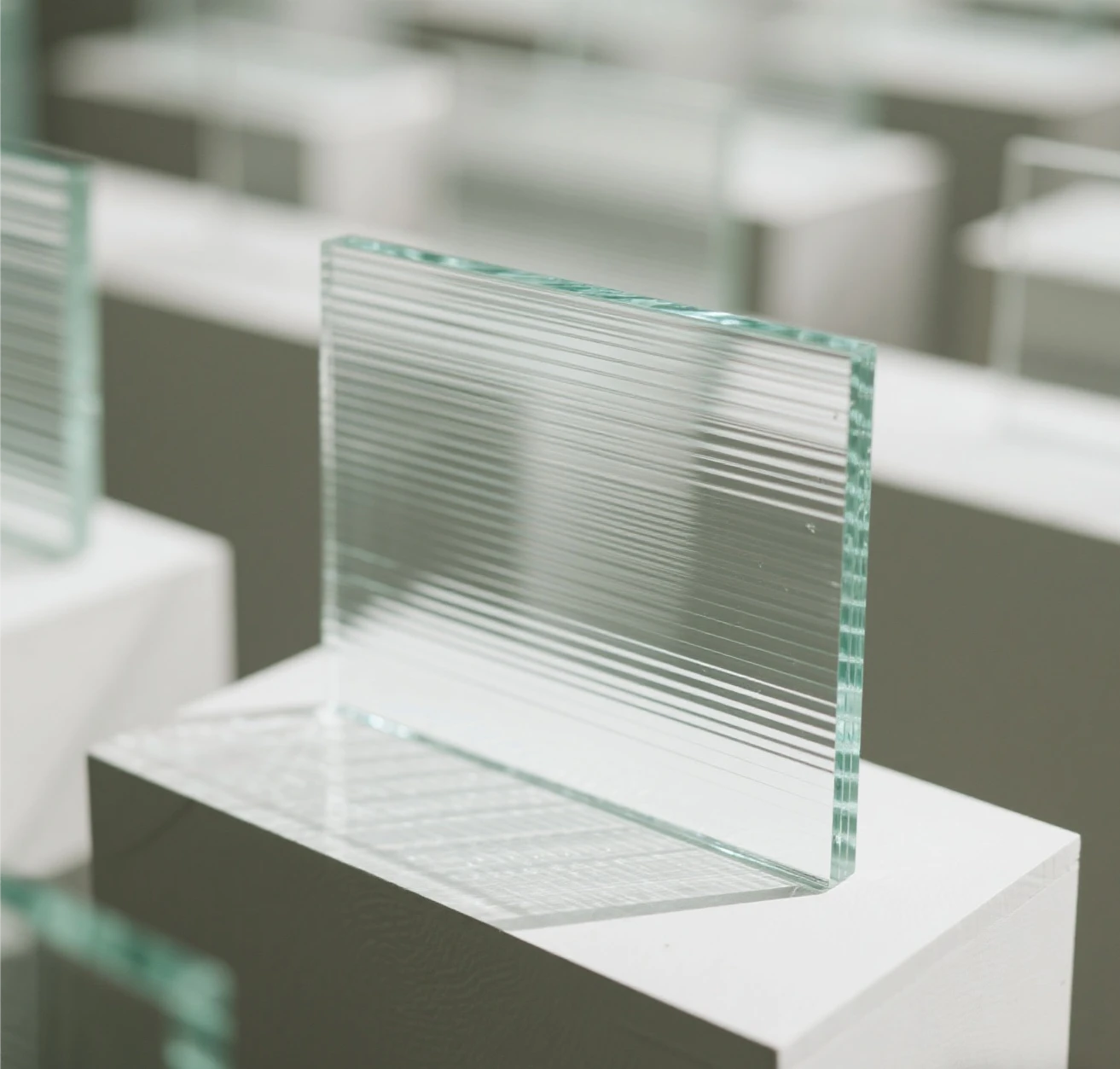
Furthermore, the prestige of Japanese luxury retail and museum architecture necessitates the use of clear glass low iron, which eliminates the greenish tint of traditional glass, ensuring that products and artworks are displayed with absolute color accuracy.
Evolution of Glazing Technology in Japan

From basic structural transparency to intelligent thermal management.

Market Development History

In the late 20th century, the Japanese market relied heavily on standard soda-lime glass for industrial and residential use, focusing primarily on basic structural integrity and weather resistance.

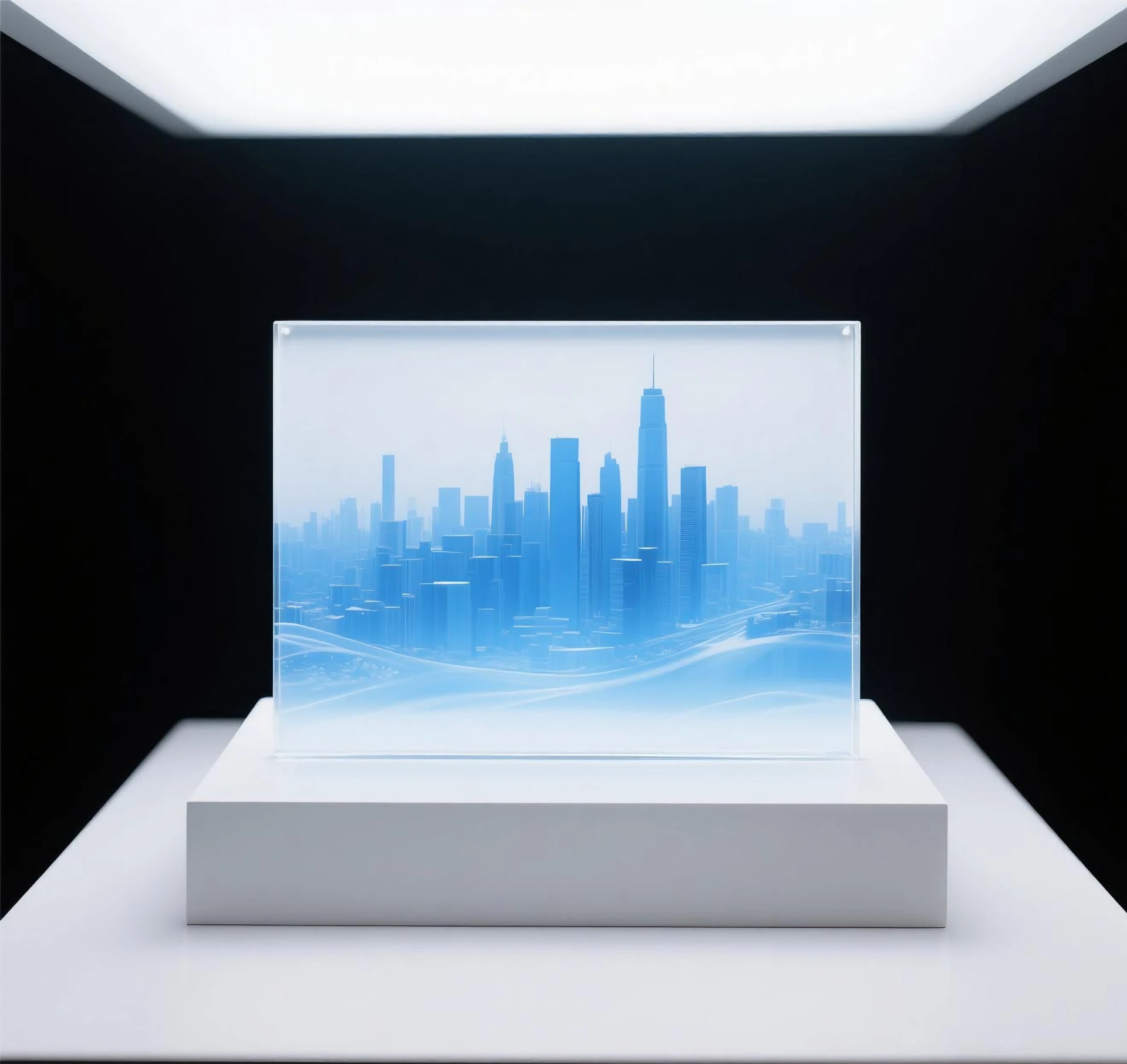
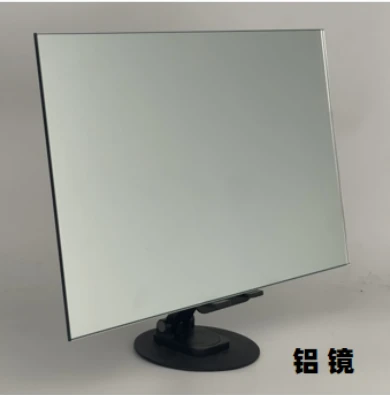
By the early 2000s, a technical iteration occurred where the demand for high-end commercial facades led to the widespread adoption of white coated glass to enhance privacy and solar reflection without sacrificing brightness.

From 2015 onwards, the integration of vacuum-insulated units and multi-layered coatings became the norm, transitioning the industry toward "Smart Glass" ecosystems that prioritize U-value reduction and light transmittance.

Future Development Trends

Ultra-High Transparency Standards

Expect a surge in the use of specialized low-iron compositions to satisfy the "invisible" glass trend in high-end Japanese residential interiors.

Dynamic Thermal Control

The shift toward adaptive coatings that respond to Japan's seasonal temperature swings, reducing the reliance on artificial climate control.

Sustainable Circularity

Increased focus on 100% recyclable glass compositions and carbon-neutral manufacturing processes to align with the Green Growth Strategy.

Industry Trends and Future Outlook

Predicting the trajectory of flat glass innovation in the Asia-Pacific region.

Net-Zero Architecture
Transitioning to glass that minimizes heat transfer to meet Japan's strict building energy codes.
Optical Pureness
Increased adoption of low-iron glass for high-end electronics and architectural facades.
Seismic Integration
Developing composite glass layers that offer flexibility and strength for earthquake-prone zones.
Smart Coating AI
Utilizing AI-driven manufacturing to customize coating thickness for specific geographic orientations.

Industry Outlook

Based on Google search trends in the Japan region, there is a growing interest in "sustainable architecture" and "energy-saving glass." This indicates that the next 3-5 years will see a pivot from simple transparency to functional intelligence.

The convergence of dual low e glass with photovoltaic integration is expected to turn building facades into active energy generators, aligning with Japan's vision for future smart cities.

Localized Application Scenarios in Japan

Real-world implementation of high-performance flat glass in diverse Japanese environments.

01. Ginza Luxury Retail Storefronts

Using clear glass low iron to ensure that high-fashion displays are seen without any color distortion, maximizing the luxury appeal of Ginza's shopping district.

02. Tokyo High-Rise Office Towers

Implementing dual low e glass in skyscrapers to combat the urban heat island effect while providing panoramic views of the metropolis.

03. Kyoto Traditional-Modern Hybrid Hotels

Integrating white coated glass to provide privacy for guest rooms while diffusing natural light to maintain a zen-like interior atmosphere.

04. Hokkaido Cold-Climate Residential

Utilizing thick, multi-layered low-iron sheets to prevent heat loss during harsh winters, ensuring indoor comfort without compromising natural light.

05. Osaka Industrial Showrooms

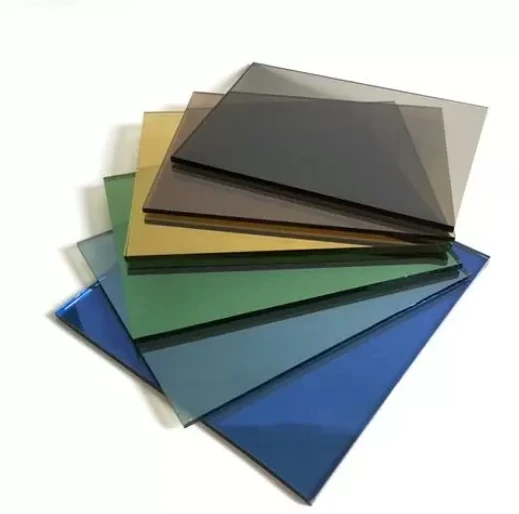
Applying high-strength float glass for large-scale partitions that require both safety and high visibility for industrial machinery displays.

Brand Story

Global Development Journey of Wangmei Industrial Group Co., Ltd.

Foundational Excellence

Established with a commitment to precision, we began by solving the basic challenge of glass purity for industrial applications.

Technological Breakthrough

We pioneered advanced coating techniques to solve the conflict between thermal insulation and light transmittance.

Market Expansion

Expanding our footprint across Asia, adapting our manufacturing to meet the rigorous quality standards of the Japanese market.

Sustainability Pivot

Investing in green energy and low-carbon production to lead the transition toward eco-friendly glazing solutions.

Global Vision

Today, we stand as a global leader, providing the "invisible" strength and beauty that modern architecture demands.

Comprehensive Glass Portfolio for the Japan Market

A curated selection of high-performance glazing products designed for Asia's most demanding architectural requirements.

Frequently Asked Questions - Japan Region

Expert answers to the most common technical queries regarding flat glass applications in Japan.

What are the benefits of using low iron glass sheet over standard float glass in retail?

Low iron glass eliminates the green tint found in standard float glass, providing superior color rendering and transparency, which is essential for luxury retail displays in Japan.

How does dual low e glass improve energy efficiency in Tokyo offices?

Dual low-e coatings reflect heat back to its source, keeping interiors cool in summer and warm in winter, significantly reducing the carbon footprint of large office buildings.

Is clear glass low iron suitable for seismic-prone areas?

Yes, when processed into tempered or laminated forms, it maintains the same structural strength as standard glass while providing better optical clarity.

What is the primary use of white coated glass in Japanese residential design?

It is primarily used to provide a balance of natural lighting and privacy, creating a soft, diffused glow that complements minimalist Japanese interiors.

How do I specify the right float glass for high-wind coastal areas in Japan?

We recommend high-thickness tempered float glass with reinforced edges and specialized sealants to handle the pressure of coastal typhoons.

Can dual low e glass be customized for specific solar heat gain coefficients?

Yes, we can adjust the coating layers to meet specific SHGC requirements based on the building's orientation and the local climate of the Japanese prefecture.

Consult Our Japan Glass Experts

Ready to elevate your architectural project with world-class glazing? Contact our technical team in Japan for a customized solution.

Contact Us Now

If you are interested in our products, you can choose to leave your information here, and we will be in touch with you shortly.