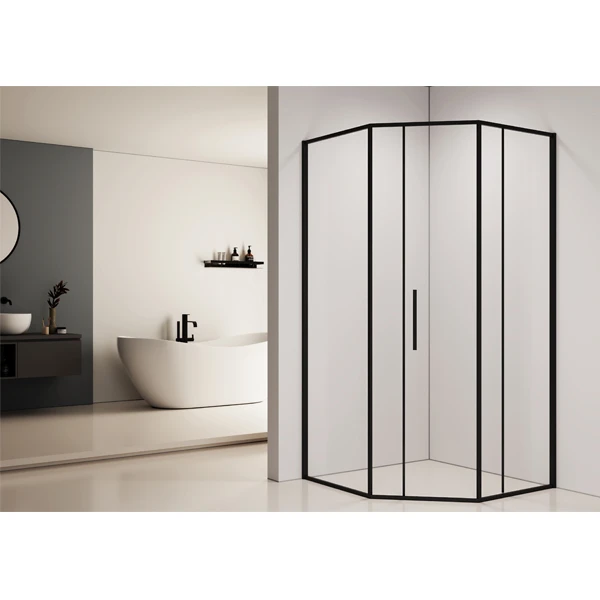
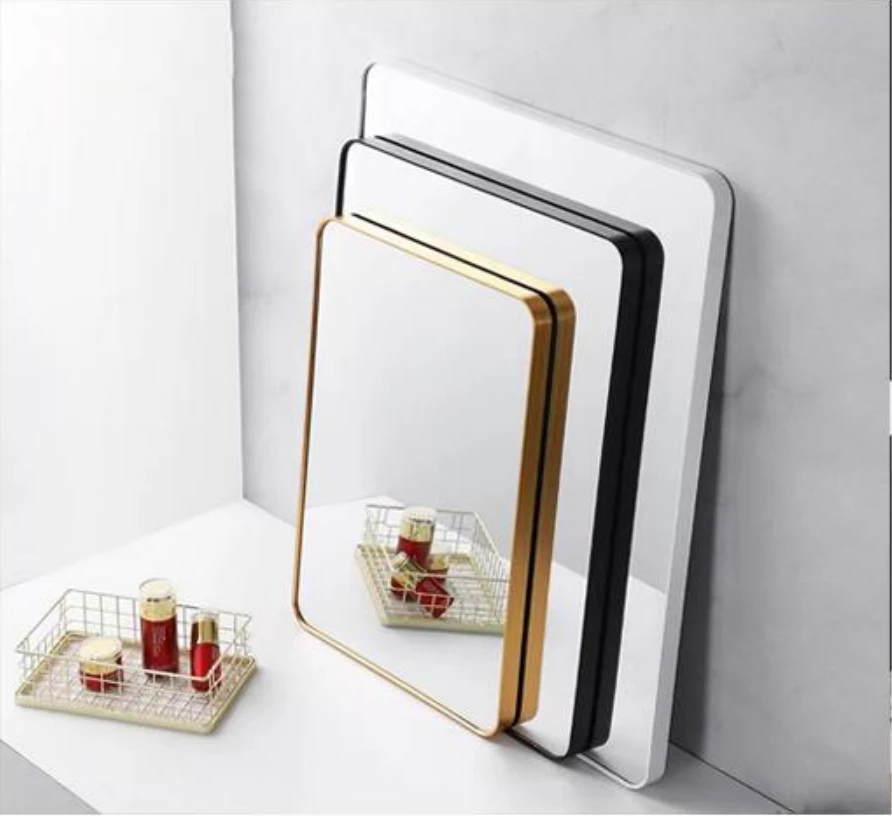
Advanced low iron glass sheet Solutions for Turkey's Modern Architecture

Integrating high-transparency and thermal efficiency to redefine the urban skylines of Istanbul, Ankara, and Izmir.

Advanced low iron glass sheet Solutions for Turkey's Modern Architecture

Providing the Turkish construction market with premium flat glass engineered for maximum clarity, energy savings, and structural durability.

The Current State of Flat Glass Manufacturing in Turkey

Analyzing the intersection of Mediterranean climate needs and industrial growth.

Turkey serves as a critical hub for the glass industry, bridging European standards with Asian manufacturing scale. The demand for high-performance float glass has surged as the country undergoes rapid urban renewal and luxury hotel developments along the Aegean and Mediterranean coasts.

Due to Turkey's diverse climate—ranging from humid coasts to harsh continental interiors—there is a growing necessity for specialized coatings. The market is shifting from standard clear glass toward dual low e glass to combat rising energy costs and meet stringent EU-aligned green building certifications.

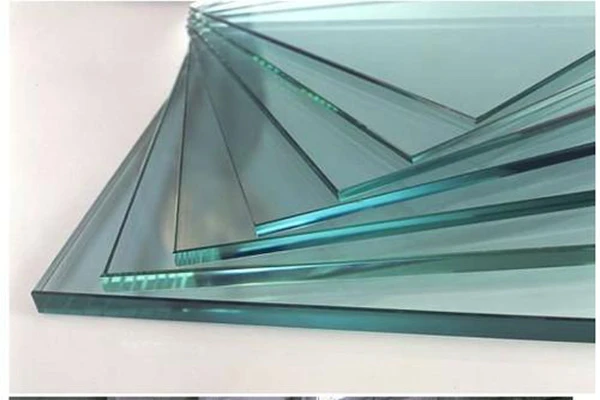
Furthermore, the rise of high-end retail storefronts in Istanbul has increased the adoption of clear glass low iron, which eliminates the green tint of traditional glass, allowing for true-to-life color rendering of luxury goods.
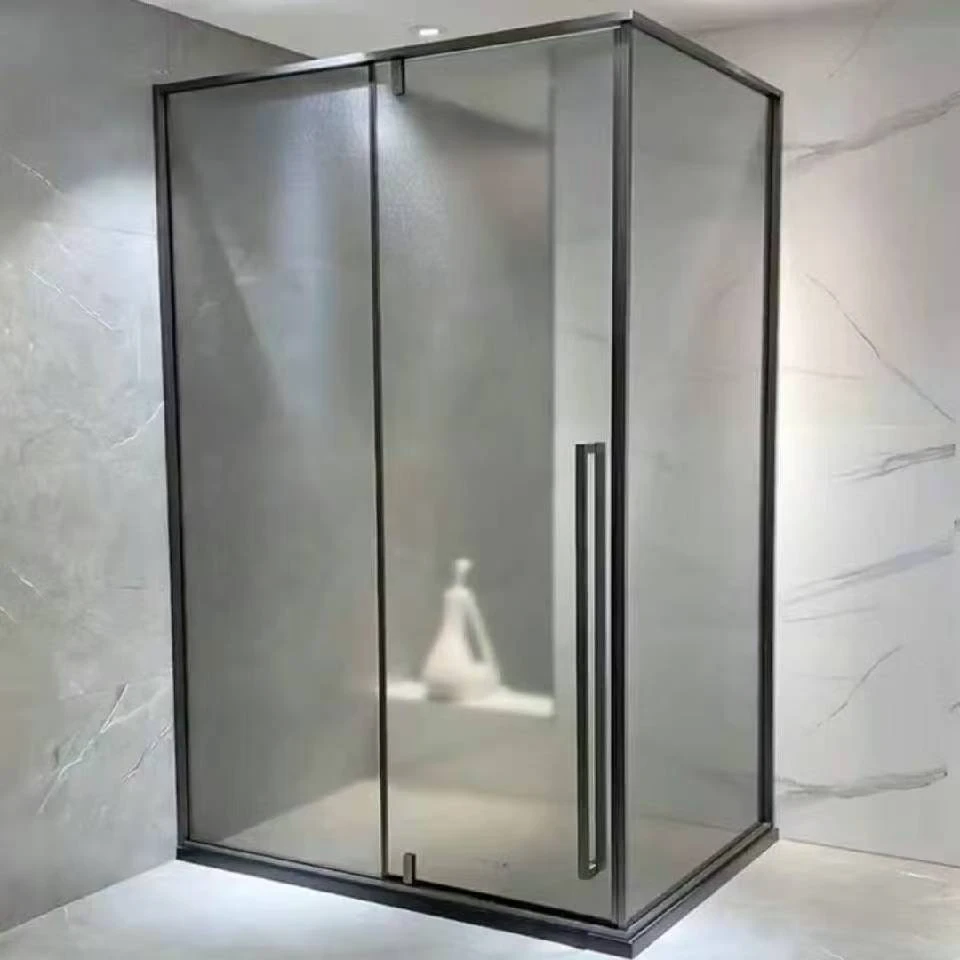
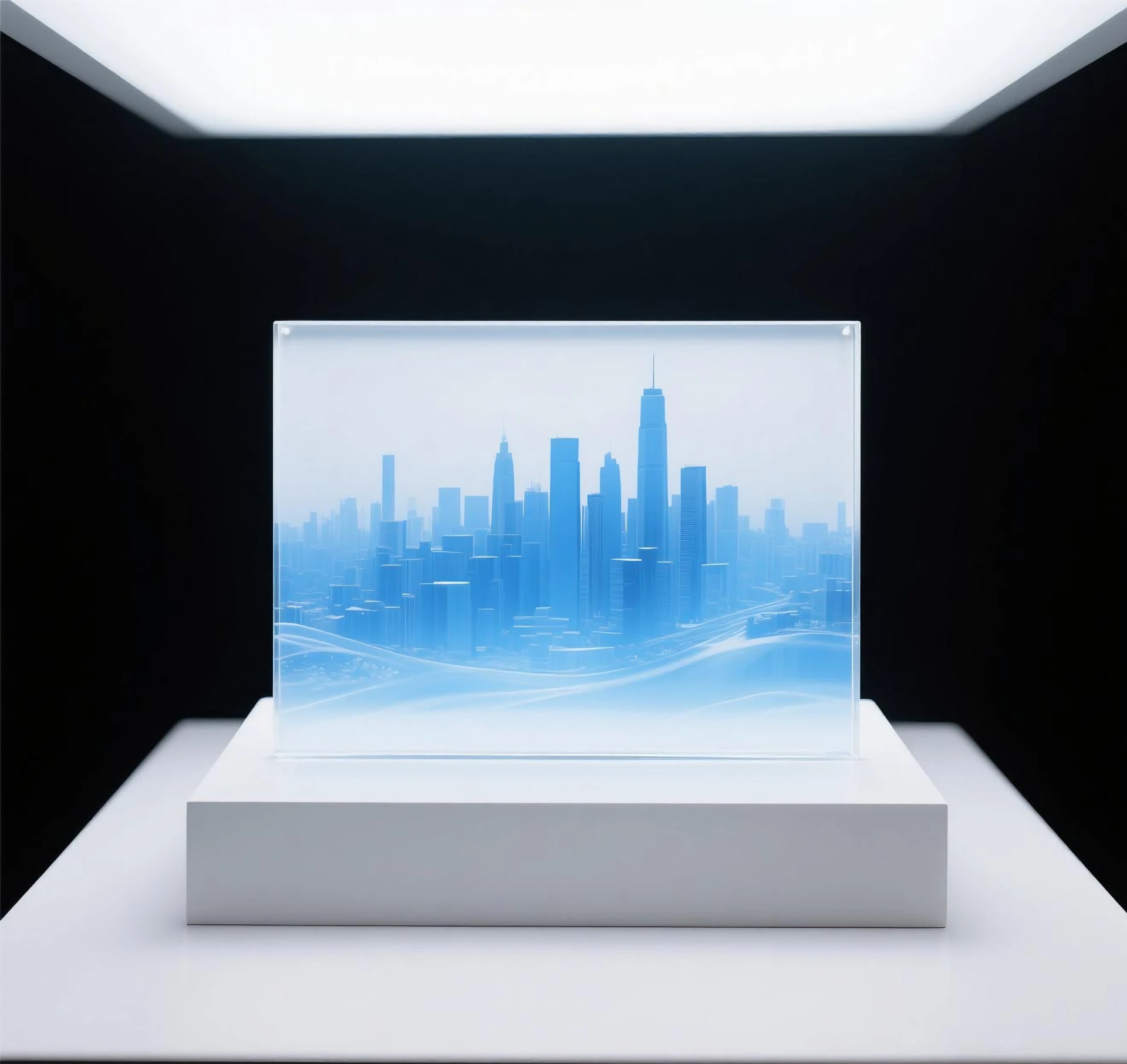
Evolution and Trajectory of Glass Technology in Turkey

From basic silica melting to advanced spectral control.

Market Development History

Prior to the 1990s, the Turkish market relied heavily on basic float processes. The primary goal was structural integrity and basic weather protection, with standard clear glass dominating the residential sector.

Between 2000 and 2015, the industry transitioned toward value-added products. The introduction of white coated glass allowed architects to achieve better light diffusion and privacy, coinciding with the boom in commercial office complexes.

Since 2016, the focus has shifted toward "Intelligent Glass." The integration of silver-based coatings and double-silver layers has made energy-efficient glazing the standard for any new Grade-A commercial project in Turkey.

Future Development Trends

Ultra-Clear Aesthetic Dominance

We predict a 20% increase in the use of low-iron substrates for interior partitions and museum-grade displays to maximize natural light penetration.

Dynamic Thermal Adaptation

Future adoption will move toward active coatings that adapt to Turkey's seasonal temperature swings, reducing HVAC loads in summer and winter.

Circular Economy Integration

Increased pressure on carbon footprints will drive the adoption of glass produced with higher cullet ratios and hydrogen-fired furnaces.

Industry Trends and Future Outlook

Strategic directions for the non-metallic mineral products sector in the region.

Energy Efficiency Standards
Adoption of high-performance coatings to meet Turkey's new energy efficiency regulations for buildings.
Ultra-Clear Aesthetics
Growth in demand for low-iron substrates in luxury interiors and retail display environments.
Sustainable Sourcing
Transitioning to low-carbon glass production to align with global ESG targets and local laws.
Smart Glazing Integration
Integration of electrochromic and photochromic layers for autonomous light control.

Industry Outlook

Based on current search trends and construction pipelines in Turkey, the demand for high-spec glass is outpacing traditional clear float glass. The shift is primarily driven by the "Green Building" movement in major cities like Istanbul.

Over the next 3-5 years, we expect the market to prioritize "dual-benefit" glass—products that provide both high UV protection and extreme transparency, catering to Turkey's intense summer sunlight.

Localized Application Scenarios in Turkey

Tailored glass solutions for the unique architectural demands of the region.

01. Luxury Waterfront Villas in Bodrum

Utilizing clear glass low iron for floor-to-ceiling windows to ensure unobstructed views of the turquoise coast without the green tint of standard glass.

02. Commercial Skyscrapers in Levent, Istanbul

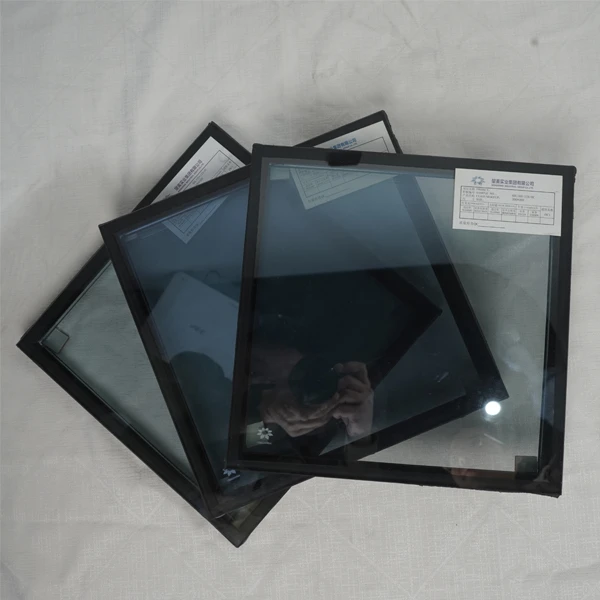
Implementation of dual low e glass to reduce solar heat gain in massive glass facades, significantly lowering air conditioning costs during hot Turkish summers.

03. High-End Retail Centers in Nişantaşı

Applying low iron glass sheet for boutique jewelry and fashion displays to maximize light transmission and color accuracy.

04. Modern Government Buildings in Ankara

Using white coated glass for interior partitions to balance natural light flow with administrative privacy and professionalism.

05. Industrial Greenhouse Complexes in Antalya

High-durability float glass engineered for optimal photosynthetic light transmission, enhancing crop yields in the Mediterranean agricultural belt.

Brand Story

Global Development History of Wangmei Industrial Group Co., Ltd.

Industrial Foundations

Started with a commitment to precision, focusing on solving the purity issues in traditional float glass production to serve emerging markets.

Technology Breakthroughs

Pioneered low-iron smelting techniques, reducing iron oxide levels to provide unprecedented clarity for the global architectural sector.

Global Market Expansion

Established strategic supply chains across Asia and Europe, ensuring timely delivery of oversized glass sheets to complex construction sites.

Sustainability Leadership

Developed advanced Low-E coating processes that reduce carbon emissions during both the manufacturing and building-use phases.

Future Vision

Aiming to lead the transition toward smart, adaptive glazing systems that harmonize urban living with environmental preservation.

Comprehensive Glass Portfolio for the Turkish Market

From basic construction to specialized architectural masterpieces.

Frequently Asked Questions for Turkey's Glass Industry

Expert answers to technical and logistical queries.

What are the benefits of using dual low e glass in Istanbul's climate?

Dual Low-E glass provides two layers of silver coating, which significantly reduces solar heat gain during Istanbul's hot summers while retaining indoor warmth during winter, optimizing energy efficiency for high-rise buildings.

How does clear glass low iron differ from standard float glass?

Standard float glass has a natural green tint due to iron content. Clear glass low iron removes these impurities, offering superior transparency and color neutrality, essential for luxury retail and high-end architecture.

Is low iron glass sheet suitable for structural glazing in Turkey?

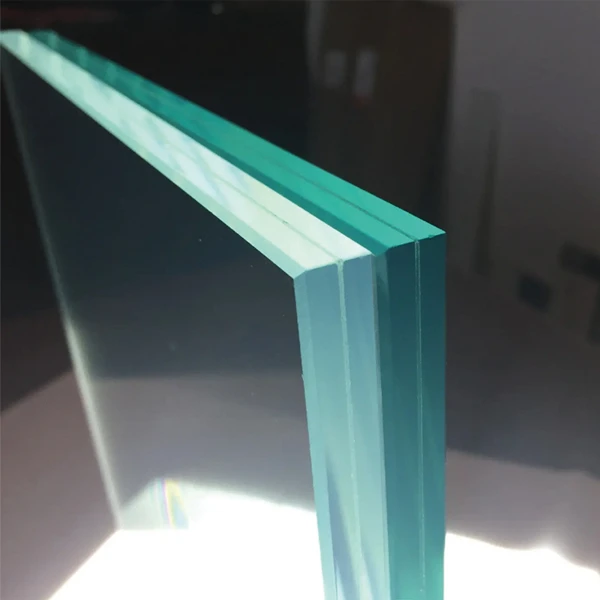
Yes, when tempered or laminated, low-iron glass sheets provide the same structural strength as standard glass while offering better optical clarity for large-scale architectural projects.

What is the application of white coated glass in commercial interiors?

White coated glass is primarily used for decorative partitions and frosted privacy screens, providing a sleek, modern aesthetic while diffusing light to prevent glare in office environments.

How do I choose the right thickness for float glass in residential projects?

Thickness depends on the wind load and glass area. For residential windows in Turkey, 4mm to 6mm is standard, while large sliding doors usually require 8mm to 12mm tempered glass for safety.

Does dual low e glass meet European energy certification standards?

Yes, our dual Low-E solutions are engineered to meet and exceed international standards, helping Turkish projects achieve LEED or BREEAM certifications by reducing the overall carbon footprint.

Request a Technical Consultation

Our engineering team is ready to support your next architectural project in Turkey with premium glass solutions.

Contact Us Now

If you are interested in our products, you can choose to leave your information here, and we will be in touch with you shortly.