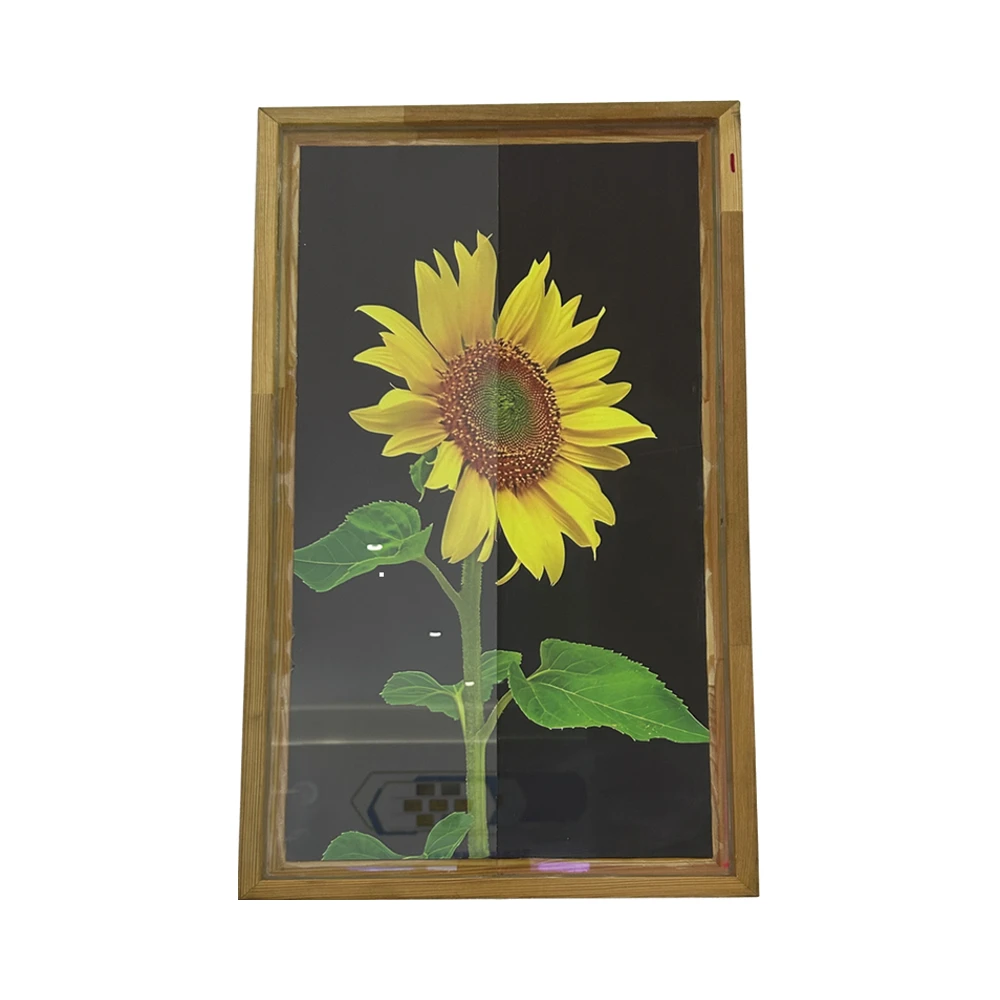
If you’ve ever marveled at the sleek, almost futuristic look of certain decorative or technical mirrors, you might have encountered the curved silver metal mirror. Oddly enough, this isn’t just about aesthetics; these mirrors have a growing relevance in industries ranging from automotive design to architectural applications worldwide. Understanding what they are and how they work can reveal key benefits in performance, cost-efficiency, and even sustainability at a global scale.
Globally, the demand for specialized mirror technologies is soaring. According to the International Mirror Manufacturers Association (IMMA), market demand for metal-backed mirrors is growing at a steady 5% annually. Curved silver metal mirrors combine high reflectivity with structural flexibility, making them indispensable in sectors like automotive manufacturing, consumer electronics, and even solar energy.
Yet there’s a problem: many traditional glass mirrors fall short where shape precision and lightweight durability are essential. This is where curved silver metal mirrors can address such industrial challenges by providing robust reflective surfaces that maintain integrity on complex shapes or curved substrates.
Simply put, a curved silver metal mirror consists of a smooth, curved substrate—often metal or treated glass—coated with a thin layer of silver. This silver layer acts as the reflective medium. Unlike flat mirrors, these curved versions can conform to rounded shapes without cracking or distorting the reflection.
This technology bridges modern material science and traditional craftsmanship, finding roots in areas like precision optics, automotive side mirrors, and even innovative design elements in architecture.
Silver ranks as one of the most reflective metals available, boasting over 95% reflectance in visible light. For mirrors that curve, preserving this reflectivity while preventing distortions is a technical feat. It means the silver coating must be evenly applied and sealed properly.
Silver’s tendency to tarnish is well-known, so the back layer is often sealed with protective coatings. This ensures the mirrors last longer, especially under exposure to moisture or industrial pollutants.
Curved silver metal mirrors employ substrates that support mechanical flex without cracking. This plays a big role in applications requiring aerodynamic or ergonomic design — think vehicle mirrors or curved display screens.
Interestingly, modern manufacturing methods, including sputtering and chemical vapor deposition, make producing curved mirrors with silver layers cost-competitive. This opens doors to mass production for industries needing both quality and volume.
There’s growing interest in mirror technologies that minimize waste and use recycled materials. Some advances now allow manufacturers to reclaim silver for environmental sustainability.
These mirrors find their way into a curious variety of fields worldwide. In automotive assembly plants in Germany and Japan, they are integral to side and rearview mirrors that must endure weather and optical demands. Meanwhile, architects in the UAE innovate with curved silver mirrors to create striking building facades that play with light and reflection.
Oddly enough, in post-disaster recovery zones — where lightweight and durable materials are critical — specialized mirrors with silver coatings help in portable solar thermal systems, which can use reflective surfaces to gather energy efficiently.
In North America, tech companies use curved silver metal mirrors in consumer products such as smart displays and VR headsets, since the precise curvature can reduce distortion and improve visual performance.
| Specification | Value | Units |
|---|---|---|
| Reflectivity (Visible Spectrum) | 95+ | % |
| Minimum Radius of Curvature | 50 | mm |
| Substrate Material | Aluminum Alloy | - |
| Surface Finish | Polished & Coated | - |
| Protective Coating Thickness | 100 | nm |
Why do industries invest in curved silver metal mirrors? The reasons span several dimensions. Cost-wise, they offer excellent lifespan relative to upkeep costs, especially when silver protection is well-engineered (because, frankly, nobody wants to swap mirrors every season). Sustainability is a buzzword everywhere, and these mirrors, when paired with recycled metals and treatments, contribute to a circular economy model.
The social impact isn’t trivial either. Consider emergency response teams deploying solar-reflective devices packaged with lightweight mirrors — these often include curved silver metal mirrors that guide light efficiently to heat water or power devices.
And on an emotional level, there’s a subtle but important angle: trust. Products with consistent reflective quality build user confidence. For drivers, that means better safety. For architects, it means innovative design that still respects function.
| Vendor | Product Range | Global Reach | Special Features | Price Tier |
|---|---|---|---|---|
| Wangmei Glass | Custom curved silver metal mirror, industrial grade | Asia, Europe, Americas | High durability coatings, eco-friendly options | Mid-High |
| ReflectaTech Corp. | Standard mirrors, curved options for automotive | North America, Europe | Customizable sizes, rapid prototyping | Mid |
| SilverEdge Industries | Precision optical mirrors, luxury design firms | Global | Nano-coatings, ultra-thin substrates | High |
Innovation in curved silver metal mirrors is just warming up. Researchers are exploring nanotechnology to produce even more reflective, scratch-resistant coatings. Green energy applications like solar concentrators increasingly rely on these mirrors to boost efficiency, hinting at a synergy between environmental goals and mirror tech.
Digital manufacturing and automation mean lower costs and faster turnaround times, encouraging customized solutions—think automotive mirrors perfectly tailored via 3D scanning and printing.
Not all is perfect in the world of curved silver metal mirrors. Their vulnerability to abrasion and tarnishing remains a key challenge. However, advances in polymer overcoating technologies and silver alloy formulations are steadily improving resistance.
Also, producing consistent curvature on a large scale involves precision machinery — meaning smaller manufacturers might struggle to compete. Collaborative vendor partnerships and investment in tech are often key remedies.
Curved silver metal mirrors really combine the best of durability, flexibility, and high-quality reflectivity, serving a myriad of industries across the globe. Their evolving technology points toward even greener and smarter applications in coming years. If you want to dive deeper into these sleek products or explore ordering customized mirrors, visit our website. It’s honestly worth the look.
This little exploration of curved silver metal mirrors shows how blending material science and clever manufacturing meets real-world needs – reflective innovation, if you will.
References:
2026-03-28
Enhance Your Home Decor with an Ornate Wall Mirror Silver


If you are interested in our products, you can choose to leave your information here, and we will be in touch with you shortly.