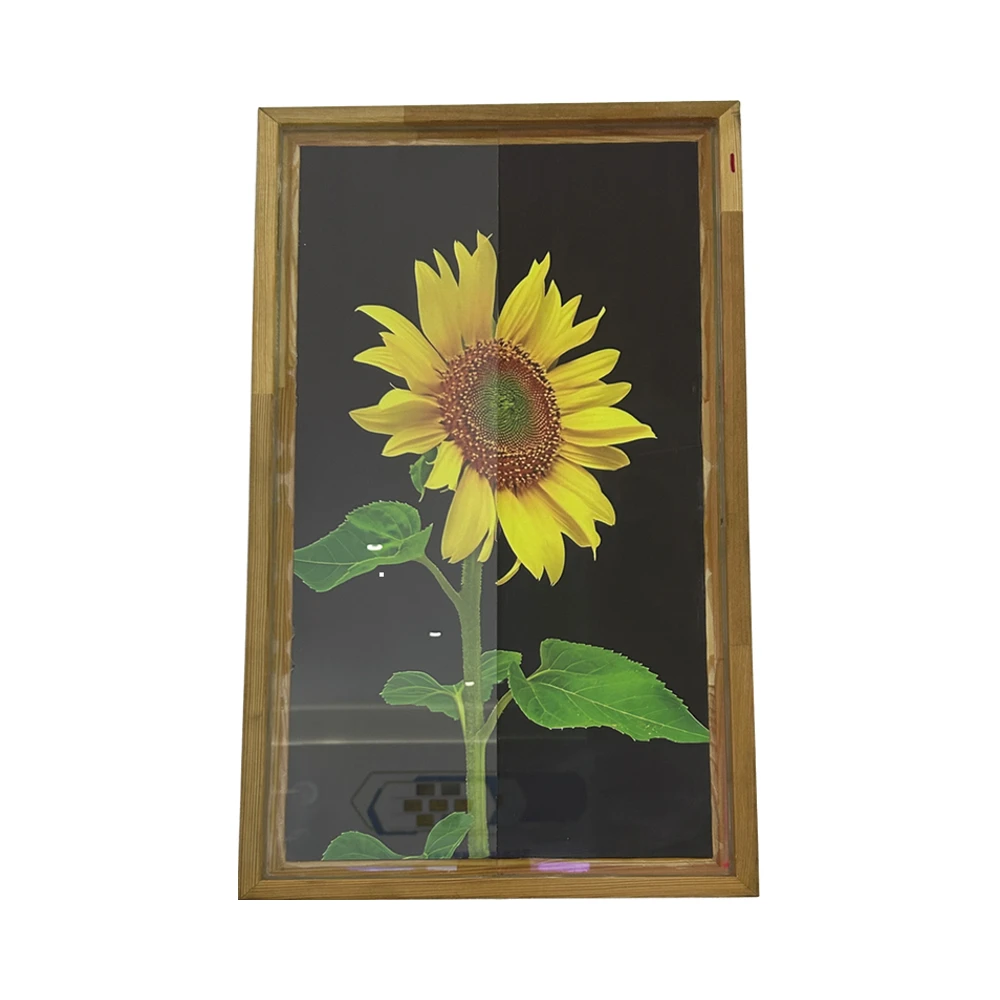
The curved silver mirror might seem like a niche product at first glance, but its global significance is quite profound. As industries and architects increasingly pursue both aesthetic appeal and functional sophistication, the curved silver mirror offers more than just a reflective surface — it’s a blend of art, science, and innovation. From energy-efficient building designs to state-of-the-art optical applications, mastering this technology can benefit manufacturers, designers, and even humanitarian projects worldwide.
Did you know that the global mirror market size was valued at over $4 billion in recent years, with an annual growth rate hovering around 5-6%? (According to industry reports compiled by the International Organization for Standardization and market research firms.) In particular, the demand for sophisticated mirror shapes—like curved silver mirrors—is rising in sectors ranging from automotive and aerospace to renewable energy and interior design.
The challenges this product often addresses include maximizing light reflection efficiency in constrained spaces and delivering dimensional flexibility without sacrificing durability. Take solar concentrators, for example: curved silver mirrors can boost energy capture in solar thermal plants, helping curb carbon footprints globally.
Simply put, a curved silver mirror is a reflective glass surface where silver — applied through an intricate chemical deposition process — coats a glass substrate that’s been bent or shaped into a curve. Why silver? Because, compared to aluminum and other metals, silver offers the highest visible light reflectance, often more than 95%.
This technology is deeply connected to modern industry needs. For example, automotive design exploits these mirrors for rearview devices with wider fields of vision, while humanitarian projects use them in solar cookers and concentrators to provide clean energy in remote communities.
Taking these all into account ensures that curved silver mirrors meet the demanding requirements of real-world use, whether under industrial stress or aesthetic scrutiny.
Globally, curved silver mirrors find homes in diverse domains:
Oddly enough, while often associated with high-tech industrial applications, the curved silver mirror quietly powers many unexpected but vital systems around the world.
The value proposition of the curved silver mirror extends beyond immediate technical specs:
One can almost feel the trust industries place in this blend of craftsmanship and material science.
Looking ahead, the future of curved silver mirrors is bright and layered.
These innovations reflect a trend from static reflective surfaces toward adaptive, eco-conscious solutions.
Of course, no technology is without hurdles:
Many engineers agree that close partnership with manufacturers during design phases greatly mitigates these risks.
| Specification | Value / Range | Notes |
|---|---|---|
| Reflectivity | 95–98% | Silver coating achieves highest visible light reflectance |
| Glass Thickness | 2–6 mm | Optimized for bending radius and weight |
| Curvature Radius | 100 mm to 2 m | Customizable per application |
| Protective Coating | Lacquer or polymer layer | Prevents silver tarnishing and oxidation |
| Operating Temperature Range | -40°C to 80°C | Typical for outdoor and industrial environments |
| Vendor | Customization Options | Production Capacity | Typical Lead Time | Price Range (USD/m²) |
|---|---|---|---|---|
| Wangmei Glass | Extensive (curves, coatings, sizes) | High volume with bespoke orders | 2-4 weeks | $150–$300 |
| EuroMirror Corp | Moderate (limited curve options) | Medium scale | 3-5 weeks | $140–$280 |
| Reflectech International | Basic (standard curves only) | Large scale | 1-3 weeks | $130–$250 |
Q1: What makes curved silver mirrors better than flat mirrors for energy applications?
A1: The curved shape concentrates sunlight or other light sources more effectively, increasing intensity on a target area, which boosts energy capture notably in solar thermal systems. Silver’s high reflectivity optimizes this effect compared to other materials.
Q2: How durable are these mirrors in outdoor settings?
A2: With proper protective coatings, curved silver mirrors resist tarnishing and weather damage for years—often 5 to 10 years in harsh climates—making them reliable for solar plants and architectural uses.
Q3: Can curved silver mirrors be custom manufactured to unusual shapes?
A3: Yes, many manufacturers offer bespoke bending and coating services. There are limits based on glass thickness and curvature radius, but innovations continue expanding possibilities.
Q4: Are curved silver mirrors eco-friendly?
A4: Using silver, a natural element, and long-lasting coatings helps reduce replacement frequency. When deployed in green energy projects, they contribute indirectly to environmental benefits, although the production process requires energy and resources.
Q5: How can clients import curved silver mirrors for international projects?
A5: Vendors typically assist with international logistics and certifications. Ensuring compliance with local standards, like ISO for safety and environmental impact, smooths customs clearance and deployment.
In real terms, the curved silver mirror is a small but potent piece of technology with outsized impact—whether energizing communities with solar power or adding functional beauty to modern architecture. Its combination of durability, reflectivity, and customizable form positions it as a top choice for diverse industries.
Interested in learning more or procuring high-quality curved silver mirrors? Visit Wangmei Glass for detailed product info and expert consultation.
Mini takeaway: The curved silver mirror exemplifies how subtle design tweaks can enhance performance dramatically, addressing global needs through smart innovation.
References:
2025-12-04
Decorative Hanging Silver Mirror Solutions for B2B | Wang Mei Glass
2026-01-07
Large Silver Accent Mirror: A Durable & Aesthetic Solution for Commercial Spaces | Wangmei Glass


If you are interested in our products, you can choose to leave your information here, and we will be in touch with you shortly.