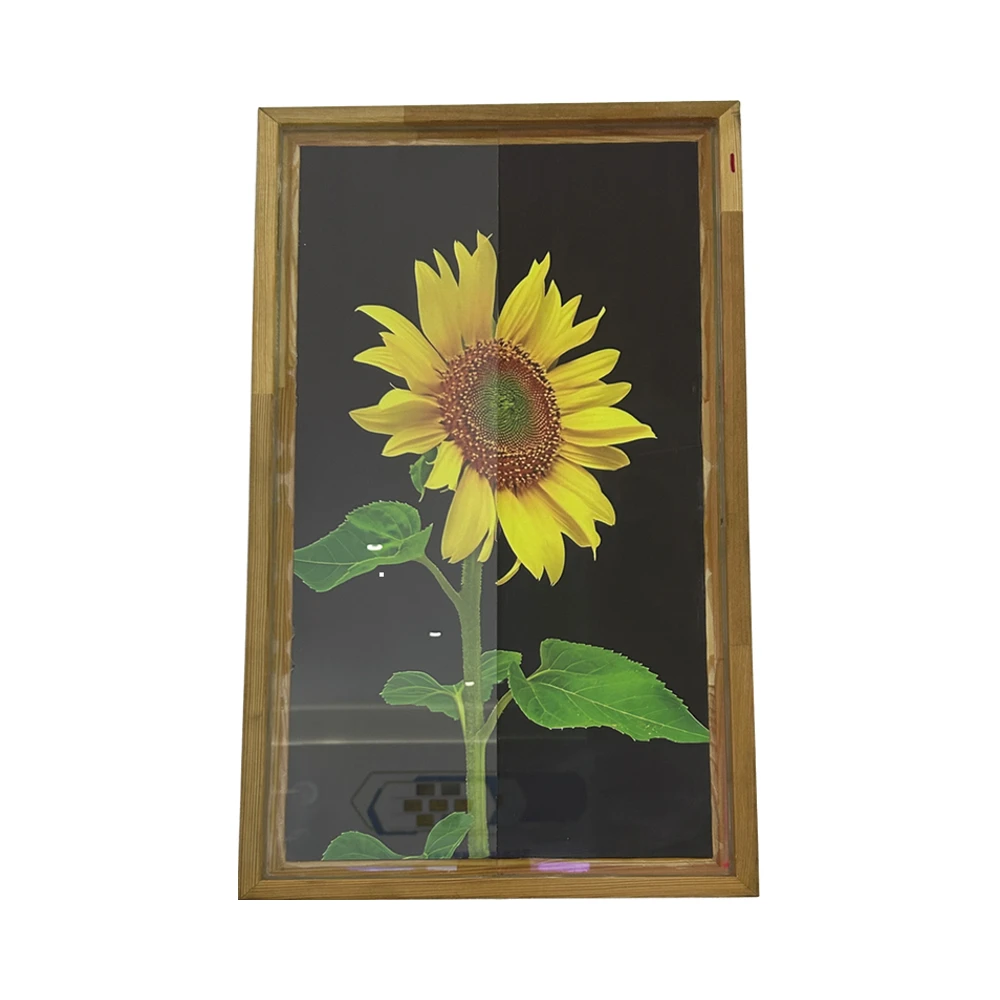
When you first hear the term dark silver mirror, it might evoke something futuristic or almost alchemical. But in reality, this product is firmly rooted in both traditional craftsmanship and cutting-edge science. Globally, dark silver mirrors have found growing importance across architectural design, automotive manufacturing, and even humanitarian projects. Knowing what a dark silver mirror is, and why it matters, sheds light on how industries balance aesthetics, functionality, and sustainability nowadays.
Worldwide demand for decorative and functional glass has risen exponentially — according to the International Organization for Standardization (ISO), the glass industry grew by roughly 3.5% annually in the past decade. Dark silver mirrors, with their distinctive tint and reflective quality, play a crucial role in reducing energy consumption in buildings by minimizing solar heat gain while enhancing privacy.
On top of that, industries face increasing pressure to innovate eco-friendly solutions without compromising design. The dark silver mirror literally reflects this challenge — leveraging unique coatings that not only look sleek but also serve technical functions. This combination addresses problems like overheating in urban environments or glare in automotive interiors, helping reduce carbon footprints.
Mini takeaway: The dark silver mirror is much more than decoration — it’s a strategic material in global sustainability and industrial innovation efforts.
Put simply, a dark silver mirror is a type of mirror coated with silver or silver alloys that gives it a darker, more subdued reflective surface compared to traditional silver mirrors. This tinting alters the way light bounces off its surface, producing a sophisticated, slightly smoky effect.
It's commonly used in modern architecture and design where privacy and light control are valued alongside classic reflection. In humanitarian terms, these mirrors can be instrumental in solar-powered devices or energy-efficient shelters where controlling heat and light is critical.
Mini takeaway: A dark silver mirror blends elegance with functional performance by modifying reflectance and light transmission.
Unlike standard mirrors, dark silver mirrors often boast multi-layer coatings to resist oxidation and corrosion. This means they can withstand humid climates and harsh environments much better — crucial for exterior use or industrial zones.
The dark tint provides excellent solar control by absorbing and reflecting different wavelengths of sunlight, reducing glare and indoor temperature. This plays into energy efficiency standards worldwide.
This mirror’s unique look fits modern, minimalist, or high-tech aesthetics, making it popular in domestic interiors, commercial spaces, and luxury vehicles alike.
Manufacturers often allow varied thicknesses, coating formulas, and sizes—tailored for specific applications such as facade panels, solar reflectors, or even decorative art pieces.
Thanks to its reflective solar control, it helps lower cooling loads in buildings. Plus, the coatings are increasingly developed to be more eco-friendly, using less toxic substances.
Mini takeaway: The secret to dark silver mirror’s appeal lies in combining resilience, efficiency, and style — all geared toward sustainability.
| Specification | Typical Value | Unit |
|---|---|---|
| Glass Thickness | 3-12 | mm |
| Visible Light Transmission | 15%-30% | % |
| Reflectance | 40%-60% | % |
| Solar Heat Gain Coefficient | 0.25-0.40 | |
| Lifetime Expectancy | 15-25 | years |
Dark silver mirrors are everywhere, though you might not always notice. Architects in Europe and North America integrate them into building facades to balance sunlight and glare while enhancing urban privacy. In harsh desert climates, their solar control properties are a game-changer for energy costs.
Automotive manufacturers from Germany to Japan deploy them in side mirrors where reduced glare improves driver safety. Oddly enough, NGOs in humanitarian zones use these mirrors in solar cookers and light concentrators — leveraging their efficiency to provide clean energy in remote areas.
Mini takeaway: The dark silver mirror’s reach spans architecture, automotive safety, and sustainable energy projects worldwide.
| Vendor | Coating Technology | Customization | Price Range | Lead Time |
|---|---|---|---|---|
| Wangmei Glass | Multi-layer silver alloy | High | $$ | 2-3 weeks |
| Global Mirror Ltd. | Single-layer silver | Medium | $ | 4-6 weeks |
| EcoReflect Co. | Silver + eco-friendly polymers | High | $$$ | 3-4 weeks |
It might sound like a niche product, but the advantages stack up in real terms. Cost-wise, these mirrors lower building energy consumption, reducing air conditioning loads by up to 20% according to some case studies from the U.S. Department of Energy. That’s a smart saving over their lifetime.
Socially, they enhance occupant comfort, privacy, and safety — in cars or high-rise apartments. It’s something you feel when sitting near a tinted window: less glare, less heat. The emotional peace of mind is often overlooked but deeply valuable.
Plus, they push design innovation, inspiring architects and engineers to rethink how facades and interiors interact with natural light, an essential step in sustainable building design.
Mini takeaway: The dark silver mirror isn’t just fancy-looking glass — it’s an investment in efficiency, comfort, and long-term innovation.
Looking ahead, expect advances in nano-coatings that enhance reflection control, durability, and sustainability even further. Integration into smart glass technologies — where the mirror might adjust tint automatically with weather or time of day — is already on the horizon.
Manufacturers are also exploring greener processes, reducing harmful chemicals during production. Digital transformation means clients can now specify custom coatings online, speeding delivery and reducing waste. In the broader sustainability push, these mirrors contribute towards meeting UN Sustainable Development Goals related to energy efficiency and climate action.
Mini takeaway: The future of dark silver mirrors shines bright with smart, eco-conscious, and highly customizable innovations.
Still, it’s not all perfect. Common hurdles include higher upfront cost compared to clear glass and some complexity in installation due to delicate coatings. Also, in extreme climates, even high-performance coatings may degrade faster without proper maintenance.
But industry experts suggest solutions like pre-coated laminated glass to protect the reflective layers or combining dark silver mirrors with dynamic shading systems. Client education on maintenance and smart integration generally reduces long-term issues.
In fact, working with experienced suppliers like Wangmei Glass often ensures tailored advice and quality control that mitigate many of these concerns.
Mini takeaway: Challenges exist, yes, but smart design choices and expert partnerships keep dark silver mirror applications strong and reliable.
In sum, the dark silver mirror embodies a brilliant blend of technology and design, empowering industries worldwide to achieve energy efficiency, aesthetic distinction, and durability. It’s a product that respects tradition while pushing the future.
If you’re curious to explore this innovative glass solution further or looking for a trusted supplier, I highly recommend visiting Wangmei Glass. Their expertise and tailored offerings can help your next project shine in every sense.
Here’s to clearer, cooler, and smarter spaces—reflected perfectly by dark silver glass.
Quick takeaways:
2026-01-28
Elevate Your Home with Exquisite Greek Key Mirror Silver Designs
2025-12-07
Durable Floor Length Mirror Silver | Quality Industrial Glass
2026-02-11
Enhance Your Home Decor with a Stunning Large Standing Silver Mirror


If you are interested in our products, you can choose to leave your information here, and we will be in touch with you shortly.