High-Performance dual low e glass Solutions for France

Integrating advanced thermal insulation and optical clarity to meet the rigorous energy standards of French architectural design.

High-Performance dual low e glass Solutions for France

We provide a comprehensive range of flat glass products engineered for the French market, focusing on energy efficiency, aesthetic transparency, and structural durability.

The State of Flat Glass Manufacturing in France

Analyzing the intersection of French environmental regulations and high-end glazing demands.

France's construction sector is currently driven by the RE2020 environmental regulation, which mandates a significant reduction in the carbon footprint of new buildings. This has led to a surge in demand for float glass that can be further processed into high-efficiency insulating units to combat the diverse climates from the Atlantic coast to the Alpine regions.

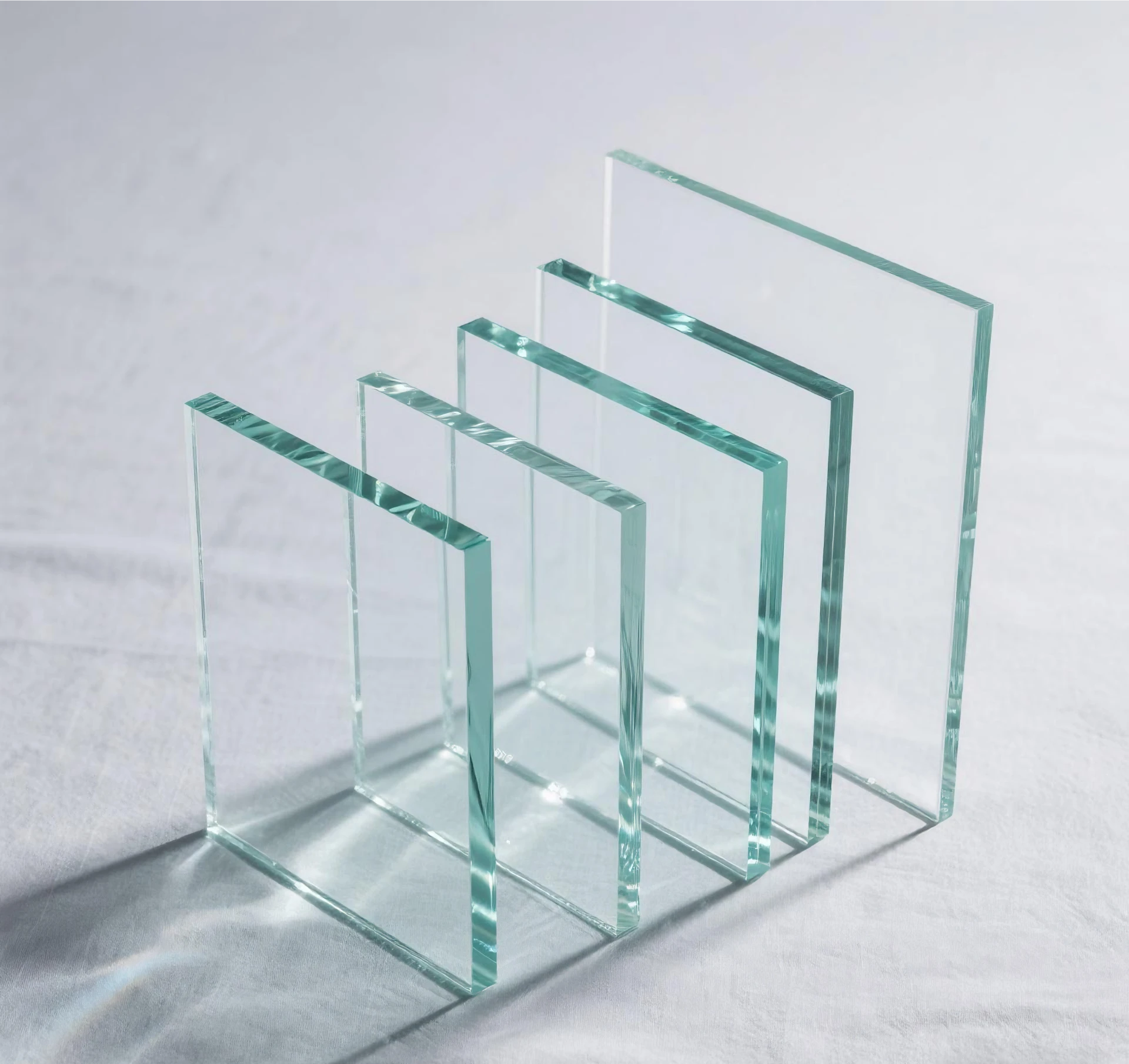
In urban hubs like Paris and Lyon, there is a growing preference for clear glass low iron to maximize natural light penetration in dense cityscapes. The aesthetic requirement for "invisible" boundaries in luxury retail and museum expansions has made ultra-clear glazing a standard rather than an option.

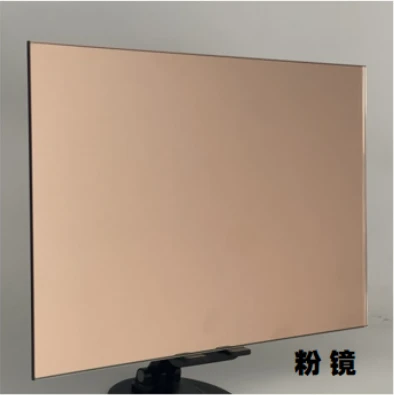
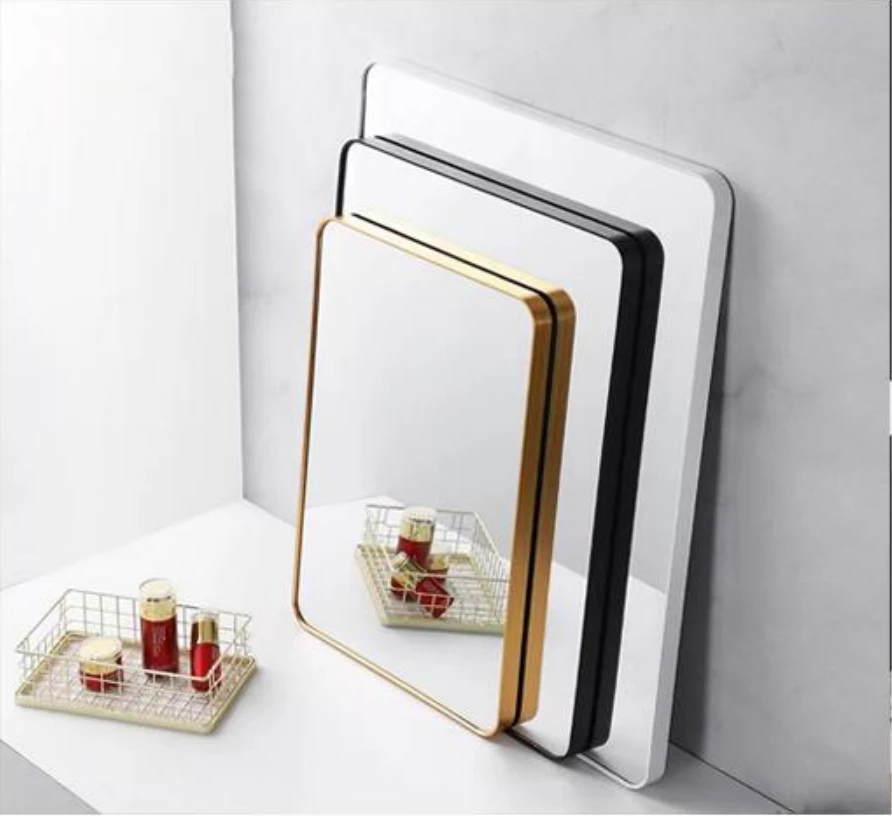
Furthermore, the French market is shifting toward specialized coatings. The integration of white coated glass is becoming increasingly popular in interior design and modular furniture, combining the hygienic properties of glass with a sophisticated, matte aesthetic suitable for modern French minimalism.
Evolution and Trajectory of Glazing Technology

From traditional float processes to smart thermal coatings.

Market Development History

During the late 20th century, the French market relied heavily on standard float glass for basic structural needs. The primary focus was on thickness and safety, with limited consideration for thermal transmittance.

By the 2010s, the transition toward energy efficiency accelerated. This era saw the widespread adoption of low iron glass sheet to eliminate the green tint of traditional glass, meeting the demands of the high-end architectural sector in the EU.

From 2020 onwards, the technology evolved toward multi-layered functionality. The introduction of advanced sputtering techniques allowed for dual-silver coatings, leading to the dominance of high-performance insulating glass in commercial projects.

Future Development Trends

Carbon-Neutral Production

Future manufacturing will focus on hydrogen-powered furnaces to reduce the CO2 emissions associated with raw material melting.

Dynamic Solar Control

Integration of electrochromic layers that allow users to adjust transparency based on the intensity of the French summer sun.

Circular Economy Integration

A shift toward 100% recyclable glass compositions, ensuring that architectural glass can be fully recovered and reused at the end of a building's life cycle.

Industry Trends and Future Outlook

Predicting the next 3-5 years of flat glass innovation in Europe.

Thermal Optimization
Increasing demand for ultra-low U-values to comply with French energy efficiency laws.
Optical Purity
Shift towards low-iron compositions to achieve maximum light transmission in luxury architecture.
Coating Versatility
Integration of antimicrobial and self-cleaning coatings for public infrastructure.
Sustainable Sourcing
Focus on low-carbon logistics and regional distribution hubs within France.

Industry Outlook

Based on Google search trends in the European region, there is a marked increase in queries regarding "passive house glazing" and "low-carbon glass." This suggests that the French market is moving beyond simple aesthetics toward functional, climate-responsive building envelopes.

We anticipate that the next five years will see a convergence of photovoltaics and high-transparency glass, allowing building facades to generate energy without compromising the architectural integrity of historic French cities.

Localized Application Scenarios in France

Real-world implementations of advanced glass technology in French architecture.

01. Parisian Luxury Retail Storefronts

Utilizing clear glass low iron to create seamless, high-transparency displays that showcase luxury goods without the green tint, essential for high-end boutiques in the Champs-Élysées district.

02. Energy-Efficient Residential Renovations

Implementation of high-performance insulating units featuring dual-silver coatings to reduce heating costs in traditional stone houses across the Loire Valley.

03. Modern Office Complexes in La Défense

Installation of large-scale glass curtains utilizing precision-engineered float glass to ensure structural stability and wind resistance in high-rise environments.

04. Contemporary Interior Design Projects

Applying white coated glass for kitchen backsplashes and wall cladding in modern apartments in Marseille, blending hygiene with a sleek minimalist look.

05. Museum and Gallery Expansions

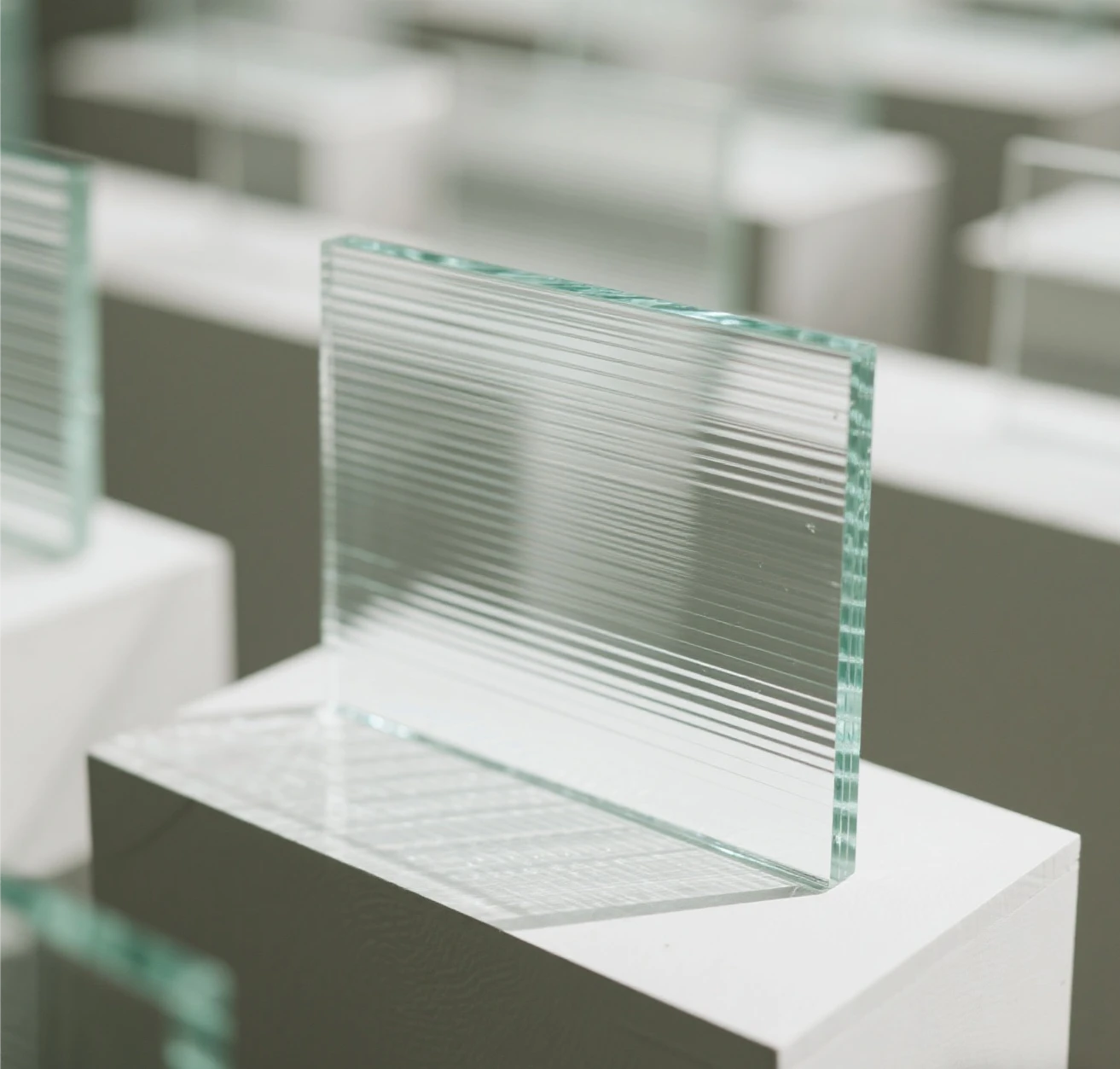
Using low iron glass sheet for protective exhibition cases to ensure that colors of artworks are represented accurately under museum lighting.

Brand Story

Global Development History of Wangmei Industrial Group Co., Ltd.

Foundational Excellence

Established with a vision to revolutionize flat glass production, we began by optimizing the core float process for maximum consistency.

Technological Breakthrough

Developed proprietary low-iron smelting techniques to eliminate impurities, setting a new industry standard for optical clarity.

Global Expansion

Expanded operations into the European market, establishing strategic partnerships to support the stringent energy codes of France and Germany.

Sustainability Pivot

Invested in green manufacturing technologies to reduce the carbon intensity of glass production, aligning with the EU Green Deal.

Future-Ready Innovation

Currently leading the development of smart, adaptive glass solutions to solve the conflict between natural lighting and thermal gain.

Comprehensive Glass Portfolio for the French Market

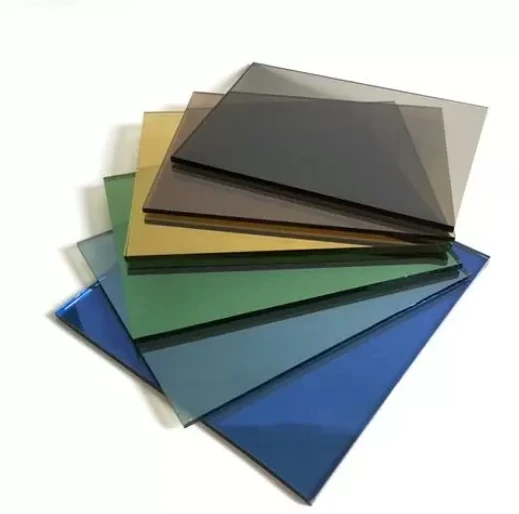
A curated selection of high-performance glazing solutions tailored for European architectural standards.

Frequently Asked Questions in France

Technical guidance and market-specific queries for the glazing industry.

How does dual low e glass improve energy efficiency in French winters?

Dual low-e coatings reflect internal heat back into the room while minimizing external thermal transfer, significantly reducing heating loads during cold winters in northern France.

What is the main difference between standard float glass and low iron glass sheet?

Standard float glass has a natural green tint due to iron oxide; low iron glass sheet reduces these impurities to provide superior transparency and color neutrality.

Is clear glass low iron suitable for external facades in sunny regions like Provence?

Yes, but we recommend combining it with a solar-control coating to prevent overheating while maintaining the high transparency characteristics of the low-iron base.

Can white coated glass be used for heavy-duty commercial interior walls?

Absolutely. When tempered and correctly installed, white coated glass offers extreme durability, scratch resistance, and an easy-to-clean surface for high-traffic areas.

Does the RE2020 regulation favor the use of low-carbon float glass?

Yes, RE2020 emphasizes the life-cycle carbon analysis. Utilizing glass produced through low-carbon methods helps developers achieve the required environmental scores.

What are the lead times for custom dual low e glass orders in Europe?

Lead times vary based on specifications, but our optimized supply chain for France ensures competitive delivery schedules from production to installation site.

Ready to Upgrade Your Project?

Our technical experts are available to help you select the perfect glazing solution for your infrastructure in France.

Contact Us Now

If you are interested in our products, you can choose to leave your information here, and we will be in touch with you shortly.