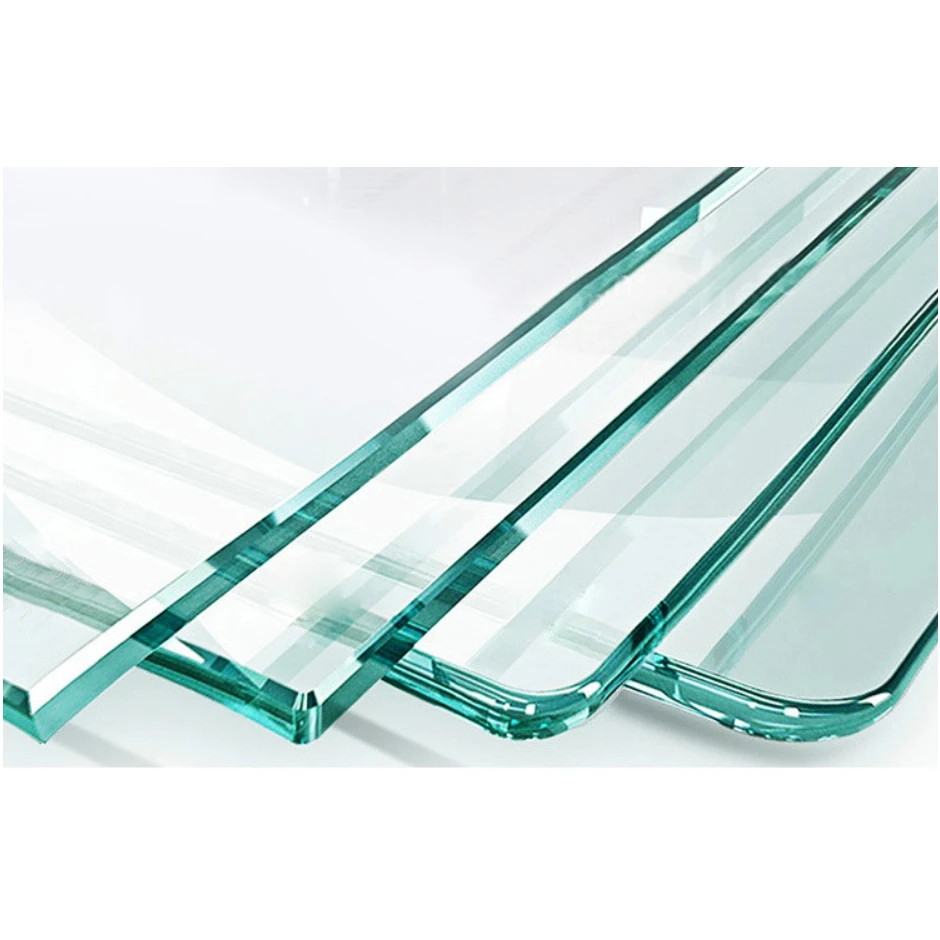
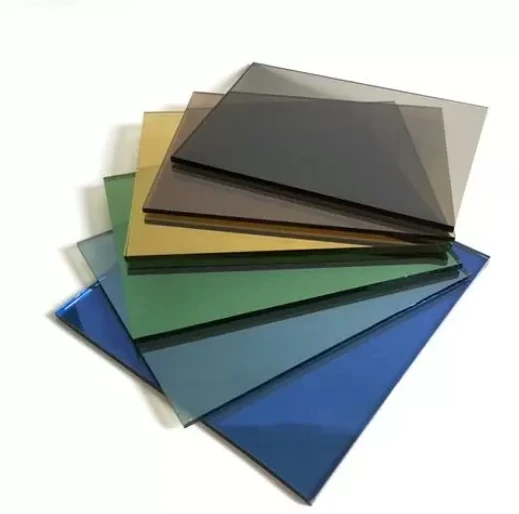
High-Performance low iron glass sheet Solutions for Yemen's Architecture

Engineering advanced glazing systems designed to withstand the extreme thermal demands and intense UV radiation of the Yemeni climate.

High-Performance low iron glass sheet Solutions for Yemen's Architecture

Integrating superior optical clarity and thermal insulation to redefine the structural standards of non-metallic mineral products in the Middle East.

Glass Manufacturing Landscape in Asia - Yemen

Analyzing the challenges of glazing in high-temperature arid environments.

The Yemeni construction market currently faces a critical need for high-transparency materials like float glass that can resist the abrasive effects of desert sand and extreme heat. Local demand is shifting from basic glazing to specialized technical glass to reduce cooling costs in urban centers like Sana'a and Aden.

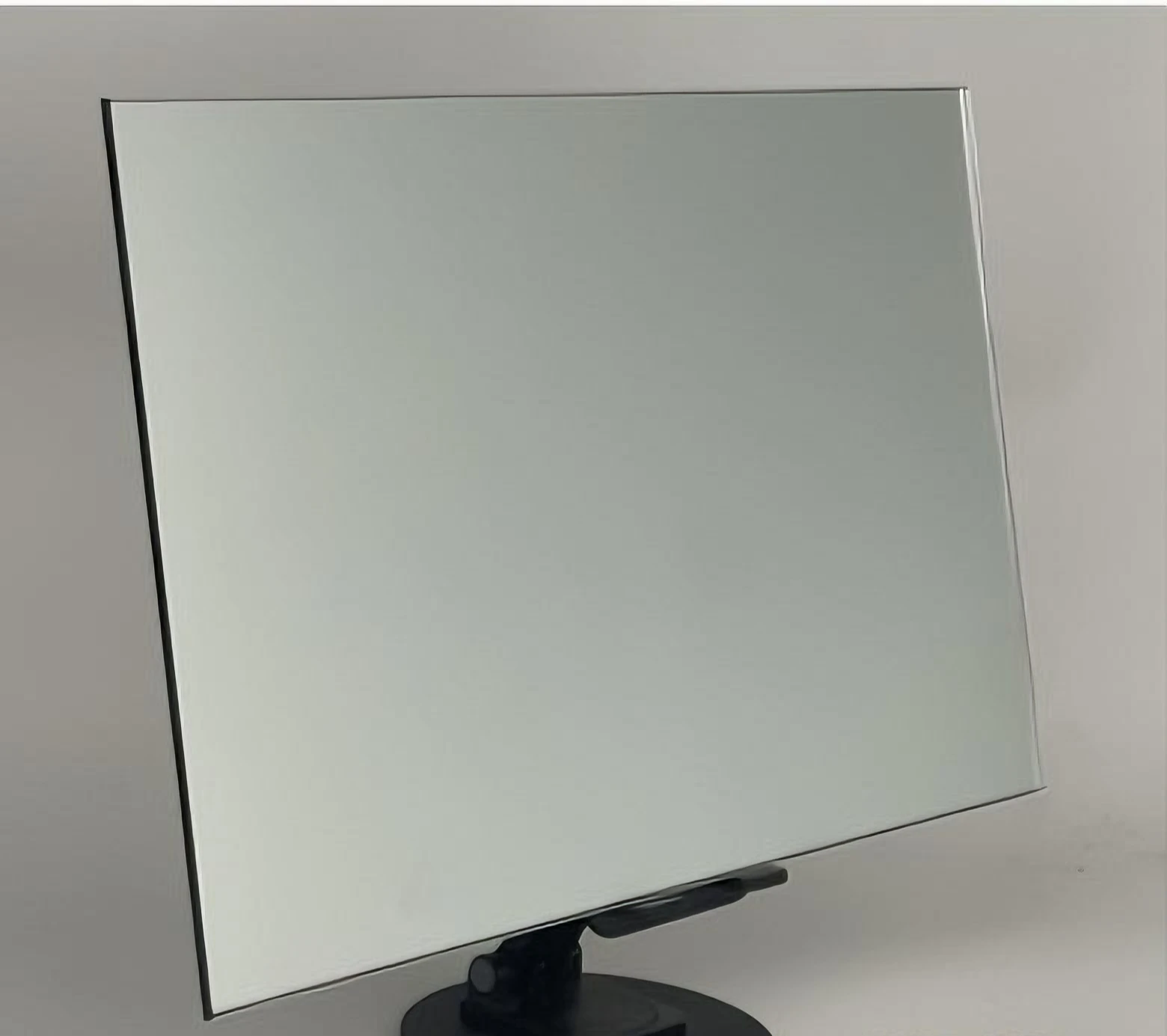
Due to the region's intense solar radiation, there is an increasing reliance on dual low e glass. Standard glass often fails to prevent infrared heat gain, leading to excessive energy consumption for air conditioning in commercial complexes.

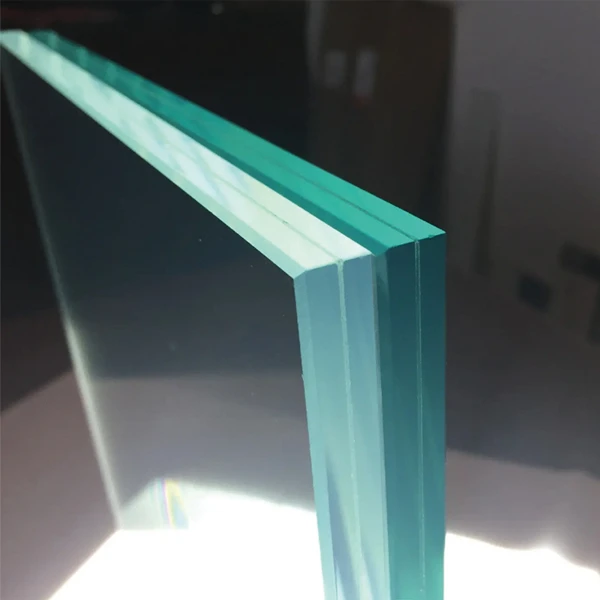
Furthermore, the logistical constraints in Yemen necessitate materials with high durability and low maintenance. The adoption of high-clarity clear glass low iron is becoming a benchmark for luxury residential projects aiming for maximum natural light without the greenish tint of standard float glass.
Evolution of Flat Glass Technology in Yemen

From basic transparency to intelligent thermal management.

Market Development History

Prior to 2010, the Yemeni market was dominated by standard clear float glass, which offered basic protection but poor thermal efficiency, often leading to the "greenhouse effect" inside buildings.

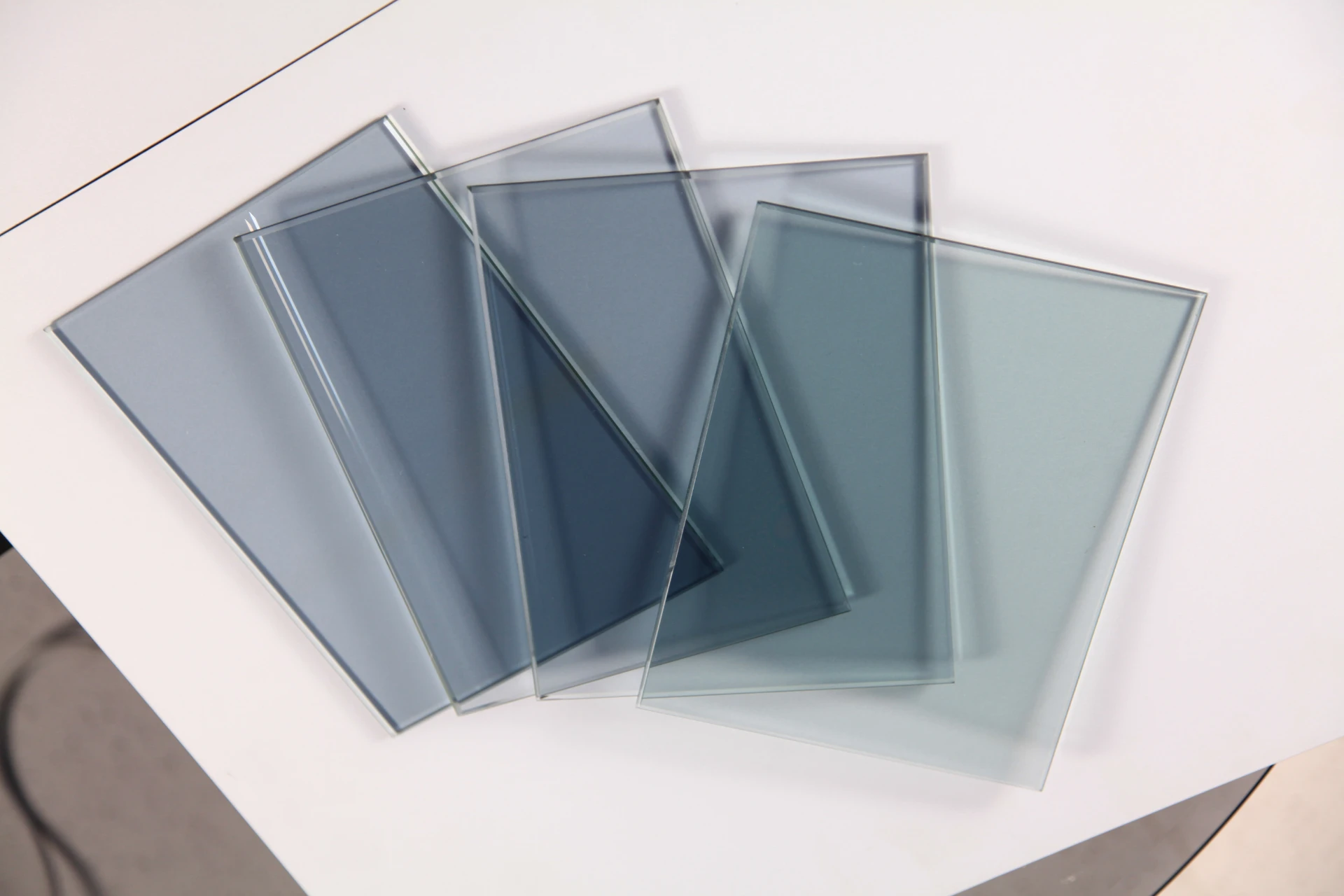
Between 2010 and 2020, there was a technical transition toward coated solutions. The introduction of white coated glass allowed architects to achieve better light diffusion and privacy while managing internal heat loads.

From 2021 onwards, the focus shifted toward high-performance sustainability. The integration of double-silver coatings and low-iron bases has become essential for modern LEED-certified projects in the region.

Future Development Trends

Smart Thermal Regulation

We predict a surge in the use of adaptive coatings that can change transparency based on the intensity of the Yemeni sun.

Ultra-Clear Aesthetics

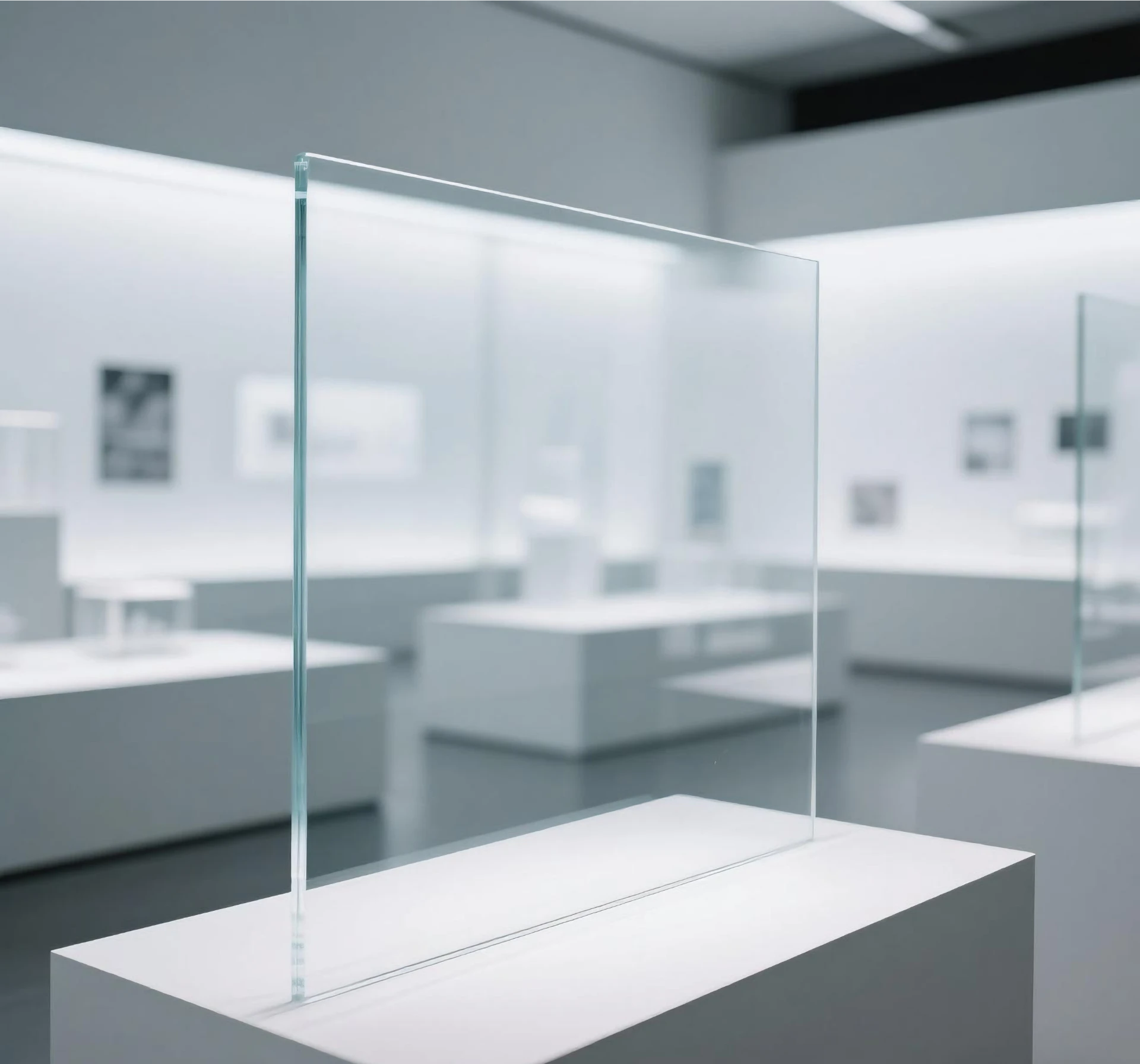
The demand for low iron glass sheet will increase as modern minimalism replaces traditional heavy-framed windows.

Energy-Neutral Glazing

Integration of BIPV (Building Integrated Photovoltaics) with low-emissivity layers to turn windows into energy generators.

Strategic Industry Outlook for Flat Glass

Predicting the trajectory of non-metallic mineral products in the Middle East.

Thermal Efficiency Surge
Rapid adoption of Low-E technology to combat extreme Yemeni summer temperatures.
Optical Clarity Demand
Increasing preference for low-iron bases in high-end commercial facades for purity.
Sustainable Sourcing
Shift toward eco-friendly manufacturing processes to reduce the carbon footprint.
Advanced Coating Tech
Integration of multi-functional layers for noise reduction and heat shielding.

Industry Outlook

Based on regional search trends and urban development plans in Yemen, we expect a 15% annual growth in the demand for energy-efficient glazing over the next 3-5 years. The market is moving away from generic products toward precision-engineered solutions.

The focus will remain on reducing the Solar Heat Gain Coefficient (SHGC) while maintaining high visible light transmission, ensuring that Yemeni buildings remain bright yet cool.

Localized Applications in Yemen

Real-world deployment of advanced glass solutions across diverse environments.

01. Luxury Residential Villas in Sana'a

Utilizing clear glass low iron for expansive floor-to-ceiling windows to maximize natural lighting while eliminating the green tint typical of standard glass.

02. High-Rise Commercial Hubs in Aden

Installation of dual low e glass to drastically lower the energy load for HVAC systems in coastal corporate offices.

03. Modern Retail Showcases

Application of low iron glass sheet for jewelry and high-end product displays to ensure true color representation under strong sunlight.

04. Institutional Government Buildings

Using white coated glass to provide a balance between sunlight diffusion and privacy for official administrative offices.

05. Industrial Greenhouse Projects

Deployment of high-strength float glass with UV-reflective coatings to protect sensitive crops from the intense Yemeni sun.

Brand Story

Global Development History of Wangmei Industrial Group Co., Ltd.

Foundational Excellence

Established with a mission to solve the fragility and thermal inefficiency of traditional flat glass in extreme climates.

Technological Breakthrough

Developed advanced low-iron processing techniques to meet the global demand for high-transparency architectural glass.

Global Market Expansion

Extended supply chains to Asia and the Middle East, tailoring products to the specific UV and heat needs of regions like Yemen.

Sustainability Leadership

Implemented green manufacturing protocols, reducing energy waste by 20% across all production lines.

Future-Proofing Architecture

Now focusing on the fusion of AI-driven thermal coatings and ultra-clear glass for the next generation of smart cities.

Comprehensive Glass Portfolio for Yemen

Our tailored range of non-metallic mineral products for the Yemeni construction sector.

Yemen Glass Industry FAQs

Expert answers to common technical queries in the region.

What are the benefits of using low iron glass sheet in hot climates?

Low iron glass provides superior clarity and higher light transmission, reducing the need for artificial lighting while remaining stable under high thermal stress.

How does dual low e glass reduce cooling costs in Aden?

The double silver layer reflects a significant portion of infrared heat back outside, preventing the interior from heating up and reducing AC energy usage.

Is white coated glass effective for privacy in Yemeni offices?

Yes, the white coating diffuses incoming light, providing a soft internal glow and visual privacy without completely blocking natural illumination.

Can clear glass low iron withstand desert sand abrasion?

While the base glass is similar to float glass, we recommend tempering or laminating our low-iron products for increased surface hardness in sandy areas.

What is the difference between float glass and specialized low-e glass?

Float glass is the basic substrate, while low-e glass has a microscopic metallic coating designed specifically to control heat transfer.

How to maintain large glass facades in Yemen's dusty environment?

We recommend using non-abrasive cleaning agents and scheduled rinsing to prevent sand particles from scratching the high-clarity surfaces.

Get Expert Glazing Advice

Our technical engineers are ready to provide customized glass specifications for your project in Yemen.

Contact Us Now

If you are interested in our products, you can choose to leave your information here, and we will be in touch with you shortly.