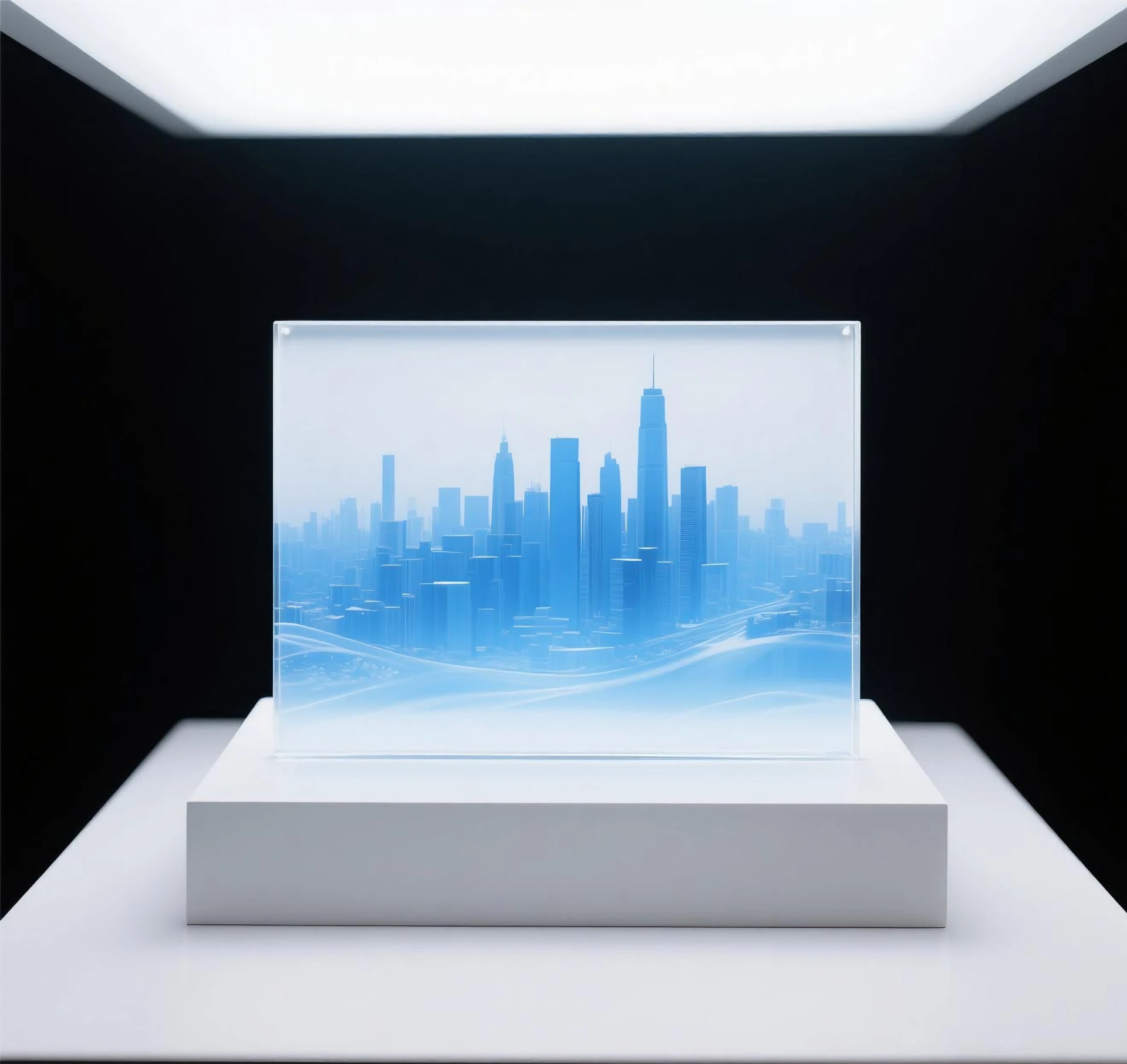
Premium Dual Low E Glass Solutions for Austria's Sustainable Architecture

Advanced thermal insulation and ultra-clear transparency engineered for the rigorous climatic demands of the Austrian Alps and urban centers.

Premium Dual Low E Glass Solutions for Austria's Sustainable Architecture

Providing Austria with high-performance glazing that balances natural light optimization with superior energy efficiency to reduce carbon footprints in residential and commercial builds.

The State of Flat Glass Manufacturing in Austria

Analyzing the intersection of Alpine climate requirements and European energy standards.

Austria's glass market is heavily influenced by its diverse geography, ranging from high-altitude Alpine regions to the Danube basin. This necessitates the use of high-specification float glass that can withstand extreme temperature fluctuations while maintaining structural integrity.

With the European Green Deal driving strict energy efficiency mandates, there is a surging demand for low iron glass sheet to maximize solar gain in winter while preventing overheating during the increasingly hot Austrian summers.

The local industry is currently transitioning from standard double-glazing to sophisticated multi-layered systems, where the integration of specialty coatings is no longer an option but a regulatory requirement for new constructions in Vienna and Salzburg.
Evolution of Glazing Technology in the Austrian Market

From traditional transparency to intelligent thermal management.

Market Development History

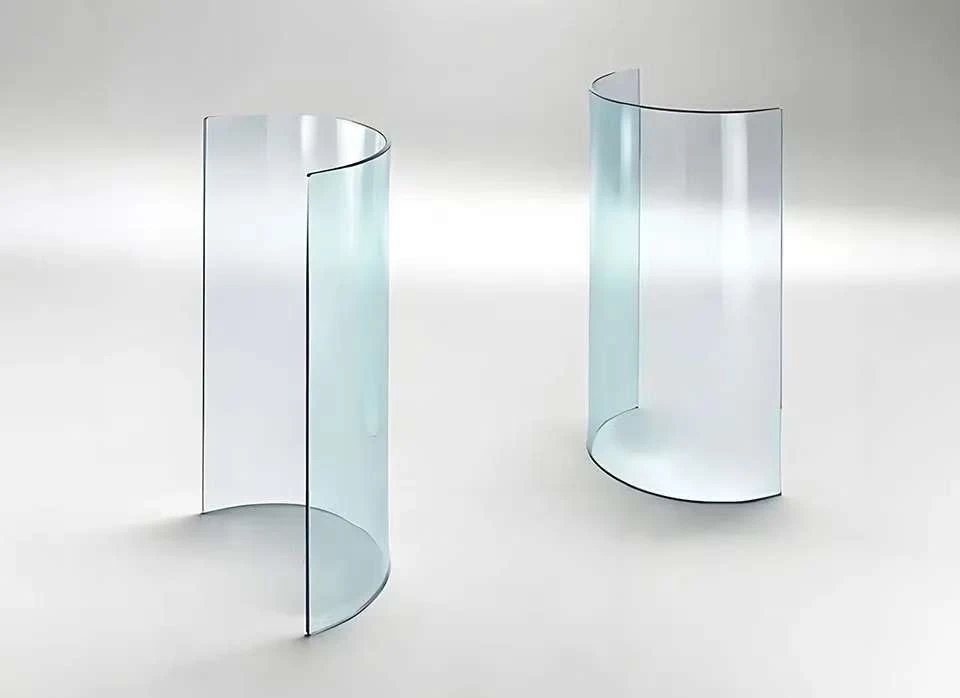
In the late 20th century, the Austrian market relied primarily on standard clear glass. However, by the early 2000s, the shift toward clear glass low iron became evident as architects sought to eliminate the green tint of traditional glass for luxury Alpine resorts.

Between 2010 and 2020, the focus shifted toward thermal performance. The adoption of Low-E coatings accelerated, moving from single-layer to complex compositions to meet the rigorous "Passivhaus" standards prevalent in Central Europe.

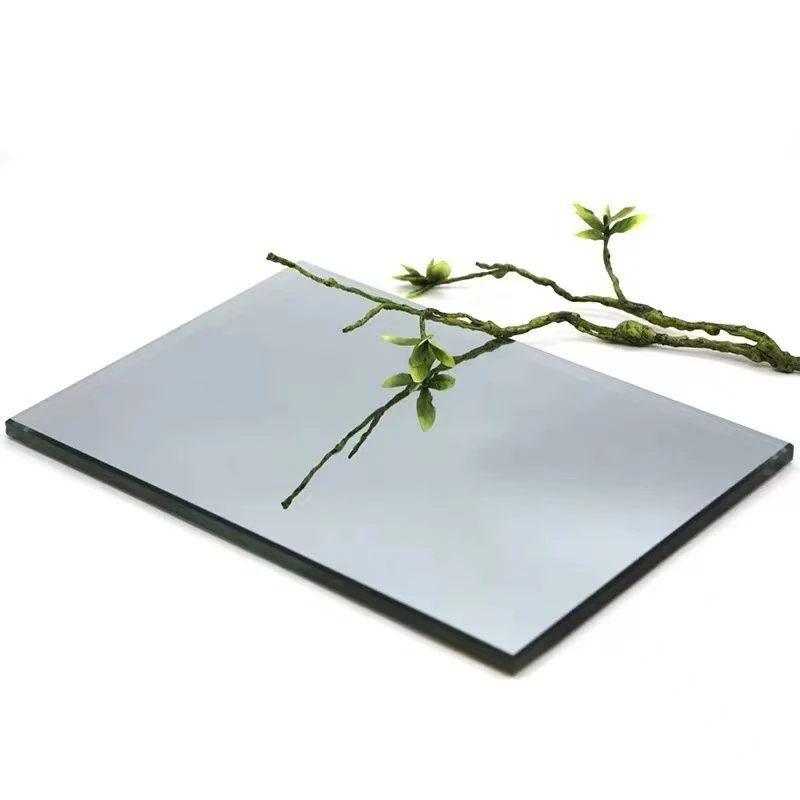
Recently, the industry has seen a rise in aesthetic functionalism, where white coated glass has gained popularity for interior partitions and facades, blending minimalist Austrian design with high-reflectivity requirements.

Future Development Trends

Dynamic Thermal Adaptation

The next 3-5 years will see a shift toward glasses that can change their transparency and thermal properties based on the external temperature of the Austrian climate.

Carbon-Neutral Production

Following Google search trends for "sustainable building materials Europe," there is a clear trajectory toward hydrogen-powered glass furnaces to reduce the embedded carbon of float glass.

Integration of BIPV

Building-Integrated Photovoltaics will be merged with high-transparency low-iron sheets to turn Austrian facades into active energy producers.

Future Industry Outlook and Technological Projections

Predicting the trajectory of high-performance glazing in the EU region.

Net-Zero Glazing
Implementation of ultra-low carbon manufacturing processes to meet EU 2050 climate goals.
AI-Driven Coating
Using machine learning to optimize the thickness of Low-E layers for specific geographical coordinates.
Smart Transparency
Development of electrochromic glass to replace traditional blinds in Austrian corporate offices.
Circular Economy
Advancing the 100% recyclability of coated glasses without degrading the quality of the cullet.

Industry Outlook

The Austrian flat glass sector is pivoting toward "Intelligent Envelopes." This means glass is no longer seen as a static barrier but as a dynamic skin that manages heat, light, and energy independently.

With the integration of BIM (Building Information Modeling), the specification of dual low e glass will be automated based on real-time climatic data, ensuring optimal U-values for every single window in a structure.

Localized Application Scenarios in Austria

Practical implementations of advanced glass technology across various Austrian environments.

01. Alpine Luxury Chalets

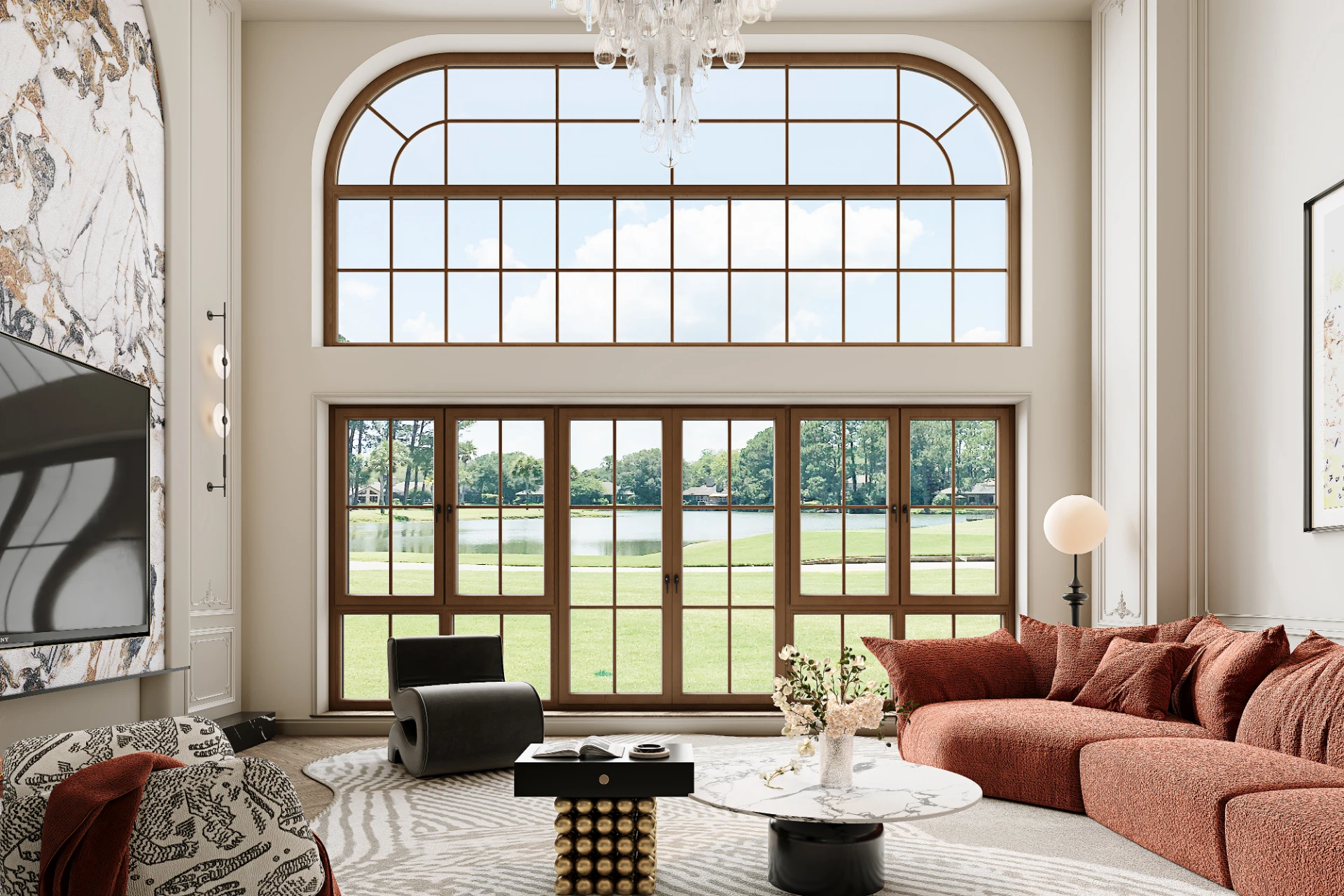
Utilizing ultra-clear low iron glass sheet to ensure panoramic views of the Alps are not distorted by color tints, while maintaining extreme thermal resistance.

02. Vienna Corporate Headquarters

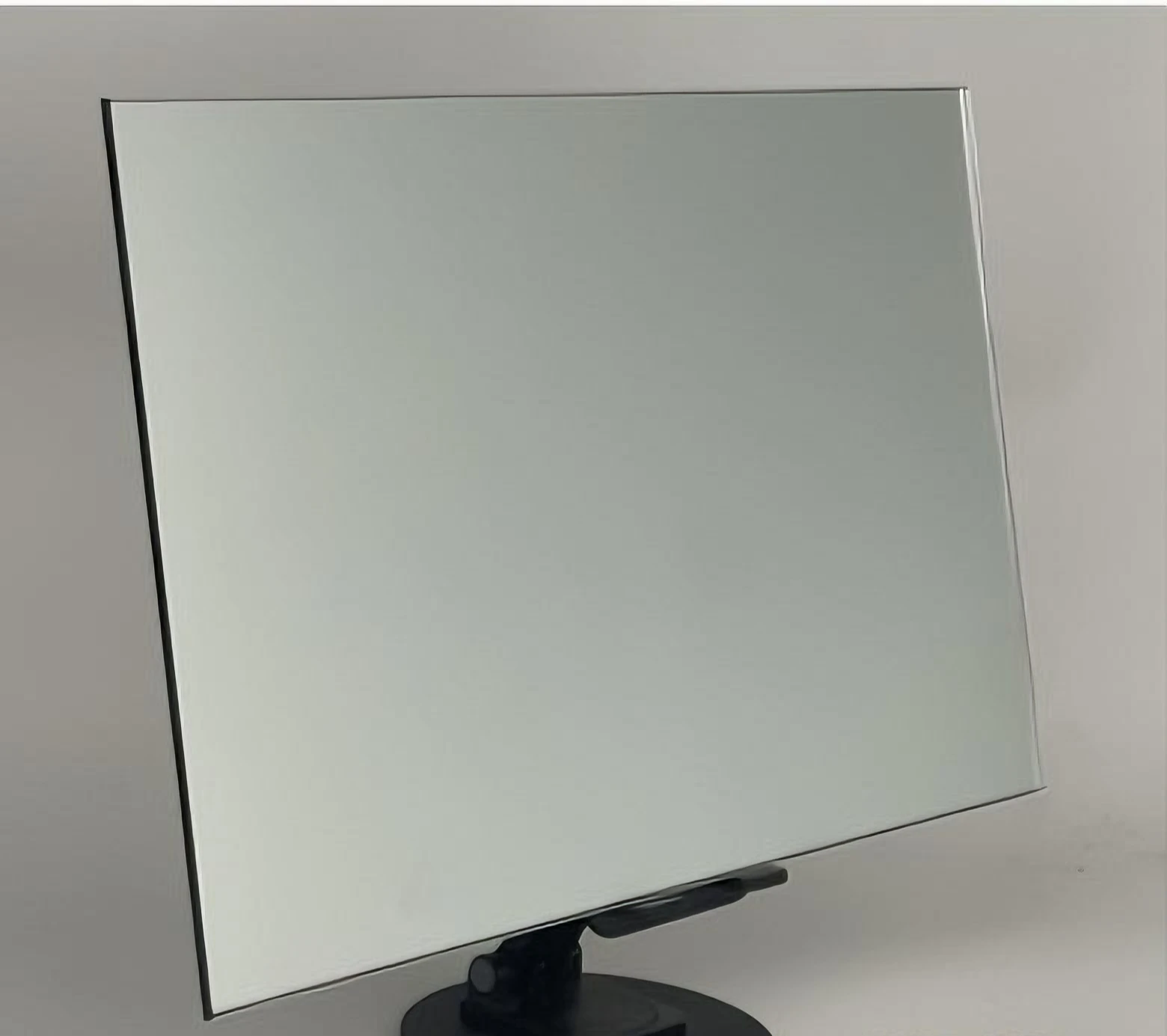
Implementation of high-reflectivity white coated glass for modern office facades to reduce urban heat island effects and internal cooling costs.

03. Salzburg Museum Galleries

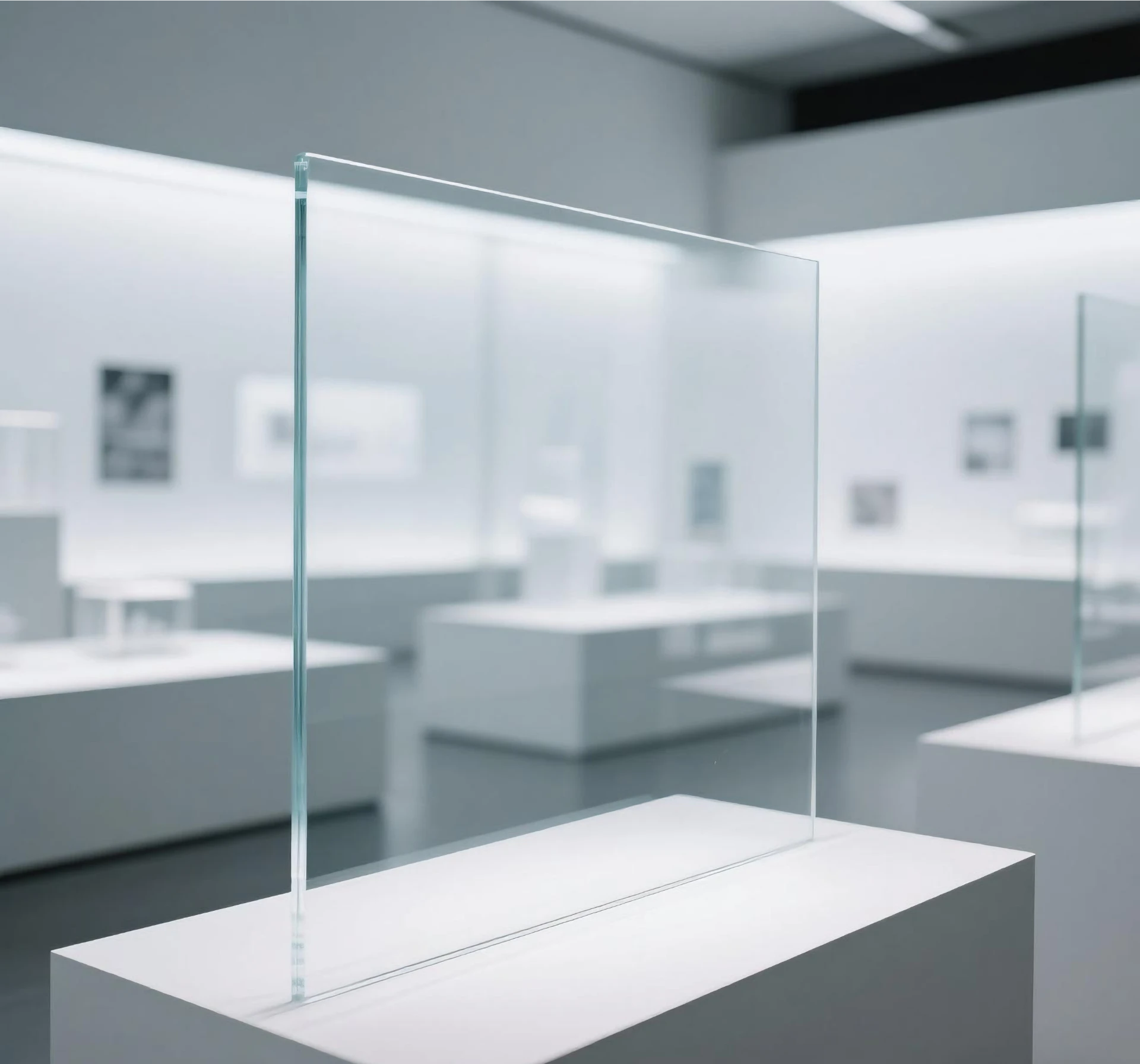
Application of clear glass low iron for display cases and skylights to provide maximum light transmission and color accuracy for historical artifacts.

04. Passivhaus Residential Projects

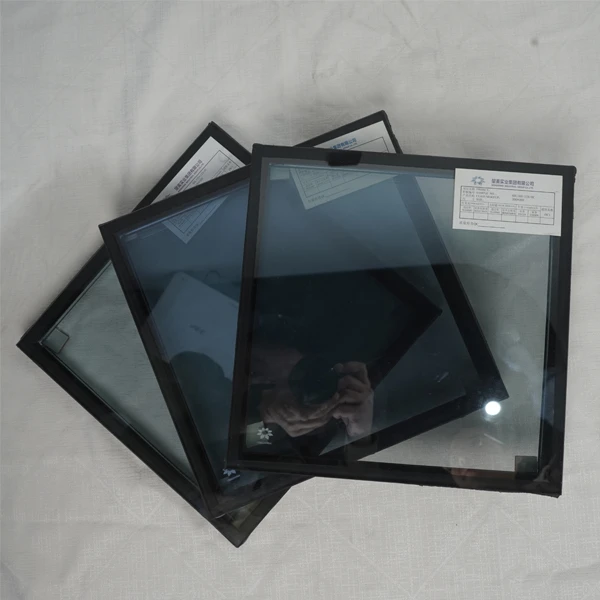
Strategic installation of high-performance glazing units to achieve near-zero energy consumption, focusing on minimizing heat loss during winter frosts.

05. Industrial Greenhouse Complexes

Deploying specialized float glass that balances light diffusion with structural strength to optimize crop yields in the Austrian countryside.

Brand Story

Global Development History of Wangmei Industrial Group Co., Ltd.

Foundational Excellence

Established with a vision to redefine transparency, we began by mastering the core chemistry of high-purity float glass production.

Technological Breakthrough

We pioneered advanced coating techniques that allowed for the mass production of Low-E glass without sacrificing visual clarity.

Global Expansion

Expanding our footprint into the European market, specifically tailoring our products to meet the strict energy codes of regions like Austria.

Innovation Leadership

Integrating sustainable manufacturing practices to ensure our glass contributes to a greener planet and lower carbon architecture.

Future Vision

Aiming to lead the transition toward smart, energy-generating glass surfaces for the next generation of global cities.

Comprehensive Glass Portfolio for the Austrian Market

A curated selection of high-performance glazing solutions designed for durability and efficiency.

Frequently Asked Questions in Austria

Expert answers to common technical queries regarding high-performance flat glass.

What are the benefits of using dual low e glass in Austrian winters?

Dual low e glass significantly reduces heat loss by reflecting internal warmth back into the room while blocking external cold, which is critical for reducing heating costs in the Alpine regions.

How does low iron glass sheet differ from standard float glass?

Low iron glass reduces the iron oxide content, removing the greenish tint found in standard float glass, resulting in superior clarity and more accurate color transmission.

Is white coated glass suitable for high-exposure facades in Vienna?

Yes, white coated glass is excellent for urban facades as it provides high solar reflectance, reducing the heat load on the building's HVAC system during summer.

Can clear glass low iron be used for structural load-bearing applications?

When tempered or laminated, low-iron glass provides the same structural strength as standard glass while offering significantly better optical properties.

How is the durability of Low-E coatings maintained in varied climates?

By using "hard coat" pyrolytic processes or sealing the "soft coat" within an Insulated Glass Unit (IGU), the coatings are protected from oxidation and environmental wear.

What is the typical lead time for custom-sized float glass shipments to Austria?

Lead times vary based on specifications, but our optimized logistics network ensures efficient delivery to all major Austrian hubs including Vienna, Graz, and Linz.

Get Expert Glazing Advice

Ready to upgrade your project with world-class glass technology? Our specialists are available to provide tailored solutions for your needs in Austria.

Contact Us Now

If you are interested in our products, you can choose to leave your information here, and we will be in touch with you shortly.