
Regional Analysis
The Architectural Glass Landscape in Cambodia
Analyzing the intersection of rapid urbanization and energy efficiency requirements in the Mekong region.
Cambodia is experiencing a significant construction boom, particularly in Phnom Penh and Sihanoukville, where high-rise commercial developments and luxury residential projects are becoming the norm. The local market has traditionally relied on standard float glass, but as architectural ambitions grow, there is a surging demand for specialized glass that can withstand the humid, tropical environment while maintaining aesthetic appeal. The current infrastructure is transitioning from basic shelter needs to high-value, design-led urban spaces.
Current trends indicate a shift toward "intelligent" and "green" building materials. With rising energy costs and a global push toward sustainability, Cambodian developers are increasingly seeking solutions like dual-silver Low-E coatings and high-transparency low-iron glass. This transition is driven by the need to reduce operational costs (OPEX) related to air conditioning and the desire to maximize natural daylighting in dense urban cores. The market is moving away from generic imports toward verified, certified systems that offer guaranteed thermal performance.
Despite the growth, the primary constraint remains the gap between high-end design specifications and available local supply. This creates a strategic opportunity for integrated manufacturers who can provide a complete chain—from raw float glass to finished, processed units. The outlook for the Cambodian market is positive, with an increasing emphasis on FSC and ISO certified materials as international investment flows into the country's real estate sector, mandating stricter quality and environmental controls.
Industry Progress
Evolution of Architectural Glass Technology
From basic transparency to advanced energy management systems.
Early Adoption
Standardization
The era of basic float glass where the primary focus was on structural integrity and basic weather protection for residential buildings.
Recent Development
Performance Enhancement
Integration of Low-E coatings and low-iron technology to address solar heat gain and visual distortion in commercial skyscrapers.
Current Phase
Sustainable Intelligence
Focus on carbon neutrality, high-automation production, and fully integrated glass systems that maximize energy efficiency.
The Shift to Low-Iron Standards
Architects are moving away from standard clear glass toward low-iron alternatives to achieve "invisible" glazing. This shift is critical for high-end retail and luxury residential facades where color accuracy is paramount.
Thermal Control Dominance
In tropical zones, the evolution has moved from simple tinting to sophisticated atomic-layer coatings that selectively block heat while maintaining a high Light Transmission (LT) value.
Integrated Supply Chain Logic
The industry is evolving toward one-stop procurement, where the raw float glass manufacturer also provides tempering, laminating, and insulating services to ensure quality consistency.
Future Outlook
Key Trends Shaping the Glass Industry
Adapting to new environmental mandates and architectural demands.
Carbon Neutral Manufacturing
The transition toward green factories and carbon-reduction policies in production is now a requirement for global tenders and eco-certified projects.
High-Performance Coatings
Demand for white coated glass and multi-layer Low-E films is increasing to achieve superior U-values in extreme climates.
Industrial Automation
The adoption of AI-driven production and inventory systems (e.g., Huawei collaborations) is reducing waste and increasing precision in glass cutting and coating.
One-Stop Procurement
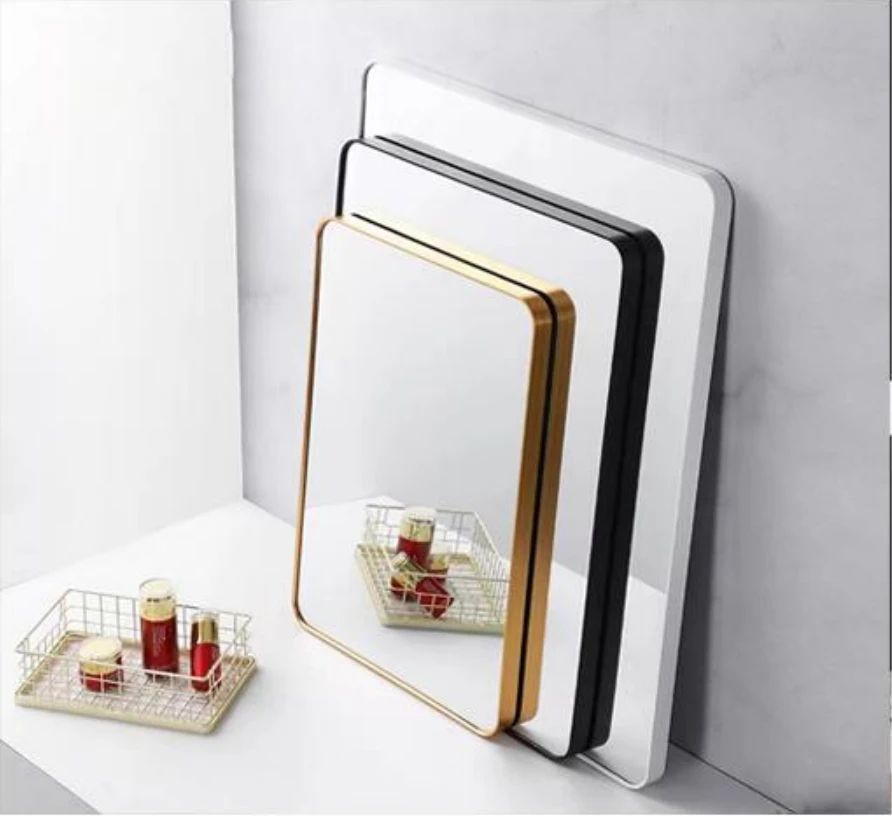
Buyers are prioritizing vendors who can supply the full spectrum—from raw float glass to mirrors and completed window systems—to save on coordination costs.
The convergence of energy efficiency and aesthetic transparency is redefining the "modern facade." In regions like Cambodia, this means moving toward a holistic approach where glass is not just a building material but a thermal management tool. The integration of dual Low-E technologies allows for vast glass surfaces without the associated penalty of massive energy consumption for cooling, enabling more open and light-filled urban environments.
Furthermore, the drive toward automation in the glass industry is fundamentally changing the cost structure. By utilizing intelligent manufacturing systems, the precision of coating and tempering is significantly improved, reducing the rate of defects. For the end-user in the Cambodian construction sector, this results in more reliable product specifications and a reduction in onsite wastage, contributing to the overall efficiency of the project lifecycle.
Practical Applications
Glass Solutions in Cambodian Architectural Contexts
How different glass types solve specific environmental and design challenges locally.
01
Phnom Penh Commercial High-Rises with Dual Low-E Glass
In the dense urban center of Phnom Penh, new office towers face intense solar radiation. By implementing dual low e glass, these buildings can maintain expansive views of the skyline while blocking a significant portion of infrared heat. This reduces the dependency on high-capacity air conditioning systems and lowers the building's overall carbon footprint, aligning with modern energy standards.
02
Luxury Boutique Hotels using Low Iron Glass Sheets
Upscale hospitality projects in coastal areas require maximum natural light and absolute clarity to showcase interior design and ocean views. Utilizing low iron glass sheet ensures that there is no green tint, allowing the true colors of the architecture and the environment to merge seamlessly, enhancing the luxury guest experience through visual purity.
03
Modern Retail Storefronts with Clear Low Iron Glass
For high-end retail brands in urban shopping districts, the storefront is the primary marketing tool. The application of clear glass low iron prevents the distortion of product colors under artificial and natural lighting. This high-transparency solution increases the "attractiveness" of the display, ensuring that luxury goods are presented in their most accurate and appealing form.
04
Industrial Warehouses with White Coated Glass
In expanding industrial zones, warehouses often require specialized glazing for office sections that balance privacy with light. The use of white coated glass provides a clean, professional aesthetic while managing light diffusion. This prevents glare for workers while maintaining a bright, open atmosphere that improves operational safety and productivity.
05
Residential Villa Enclosures with Insulated Float Glass
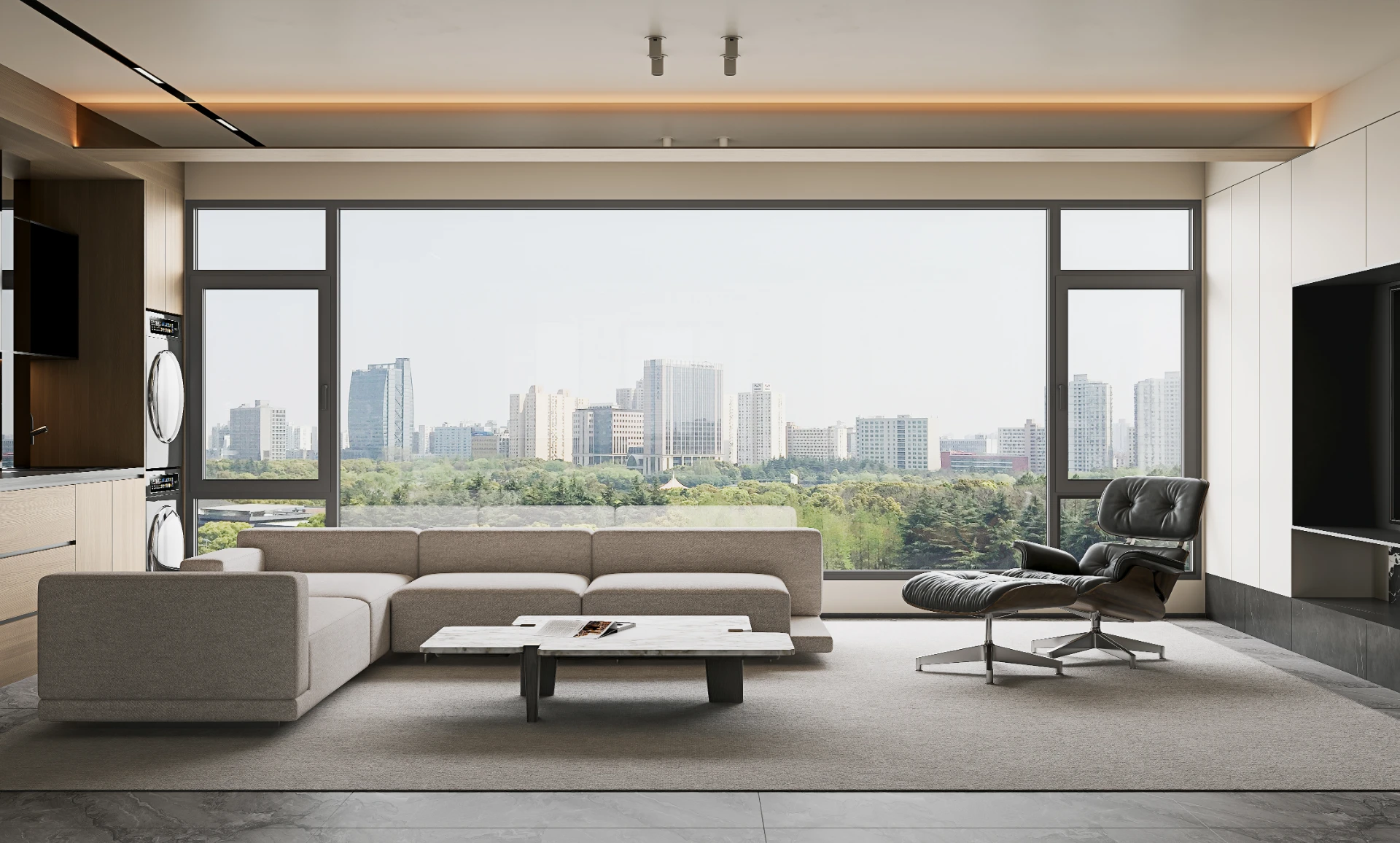
Private luxury villas in suburban Cambodia often utilize large glass walls to connect indoor and outdoor spaces. By combining raw float glass with insulating layers, these homes achieve a balance of acoustic insulation and thermal control. This prevents the interior from overheating during the day and keeps it cool at night, significantly improving the living quality for residents in a tropical climate.
Representative Applications
Deployment Perspectives
How professional operators utilize our glass systems to achieve project goals.
For high-rise commercial projects, the transition to dual-silver Low-E glass is the most effective way to handle the tropical heat of Phnom Penh. The ability to maintain transparency while slashing cooling costs is essential for achieving modern energy certifications and operational efficiency.
When designing luxury retail spaces, the green tint of standard glass is unacceptable. Switching to low-iron float glass ensures that the product lighting and colors are perfectly preserved, which is critical for maintaining brand standards in a competitive market.
The most significant challenge in local construction is the supply chain. Having a partner who provides a comprehensive industrial chain—from raw float glass to processed units—reduces the risk of delays and ensures that the technical specifications are met across all floors.
Our Heritage
The Wangmei Group Legacy
Two decades of innovation in the architectural glass industry.
2000
Foundation of Wangmei Group
The group was established with a focus on the R&D and manufacture of high-quality float glass, laying the groundwork for a modern enterprise group specializing in architectural glass solutions.
Growth Phase
Industrial Expansion
Developed multiple production lines for float and coated glass across Shahe, Jizhou, and Chaoyang, creating a strategic layout to shorten supply chains and reduce comprehensive procurement costs.
Certification
Global Quality Recognition
Obtained prestigious certifications including German PHI, FSC international forest certification, and ISO9001, ensuring that all products meet rigorous international quality and safety standards.
Innovation
Smart Manufacturing Shift
Partnered with Huawei and top universities like Wuhan University of Technology to build highly automated systems for production and sales, enhancing precision and operational efficiency.
Current Era
Green Development Commitment
Fully committed to "carbon dioxide emission and carbon neutrality" policies, adopting an innovation-driven, green development model to support global sustainable urban growth.
Knowledge Base
Architectural Glass Frequently Asked Questions
Expert answers to common technical and commercial queries in the Cambodian market.
What is the main difference between standard float glass and low iron glass for architectural use?
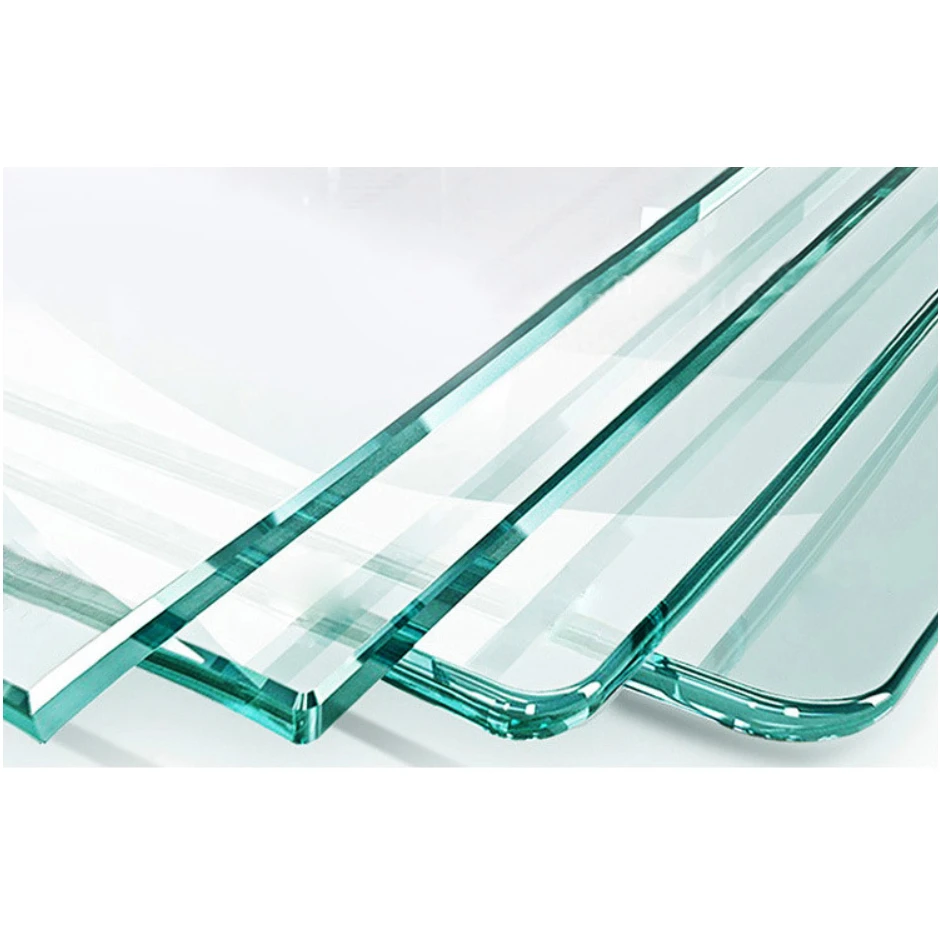
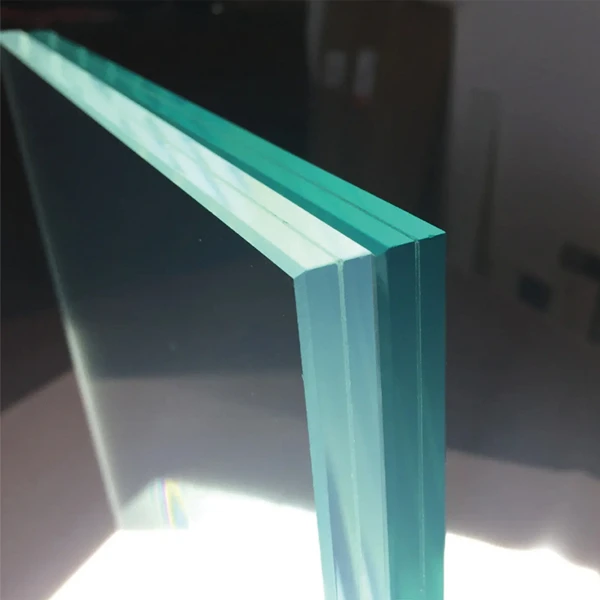
Standard float glass contains a small amount of iron oxide, which gives the glass a noticeable greenish tint, especially when viewed from the edge or in thick sections. Low iron glass, such as our low iron glass sheet, significantly reduces this iron content. The result is a much clearer, more transparent material that allows for true-to-life color reproduction and higher light transmission, making it ideal for luxury storefronts and high-end facades where visual purity is required.
How does dual Low-E glass help in reducing energy costs in Cambodia's climate?
Dual Low-E glass uses two layers of microscopic metallic coatings to selectively reflect infrared radiation (heat) while allowing visible light to pass through. In Cambodia, where solar heat gain is the primary driver of electricity consumption, this technology prevents heat from entering the building during the day. By lowering the indoor temperature, the load on HVAC systems is significantly reduced, leading to lower monthly energy bills and a more sustainable building operation.
Can Wangmei Group provide one-stop procurement for both raw and processed glass?
Yes, we offer a comprehensive industrial chain. We manufacture the raw float glass and operate intelligent deep-processing factories. This means we can provide everything from basic float sheets to tempered, laminated, and insulated glass, as well as high-end doors and windows. For developers in Cambodia, this eliminates the need to coordinate between multiple vendors, reduces the risk of technical mismatches, and optimizes overall project costs and delivery timelines.
What certifications should I look for when specifying glass for a green building project?
For green building compliance, look for ISO9001 for quality management, environmental management system certifications, and specialized product certifications like the German PHI or FSC international forest certification. These certifications verify that the glass is produced using sustainable methods and meets strict performance standards for energy efficiency. Our products hold multiple such certifications, ensuring they contribute positively to your project's LEED or equivalent green building rating.
How do I choose between white coated glass and clear low iron glass for my project?
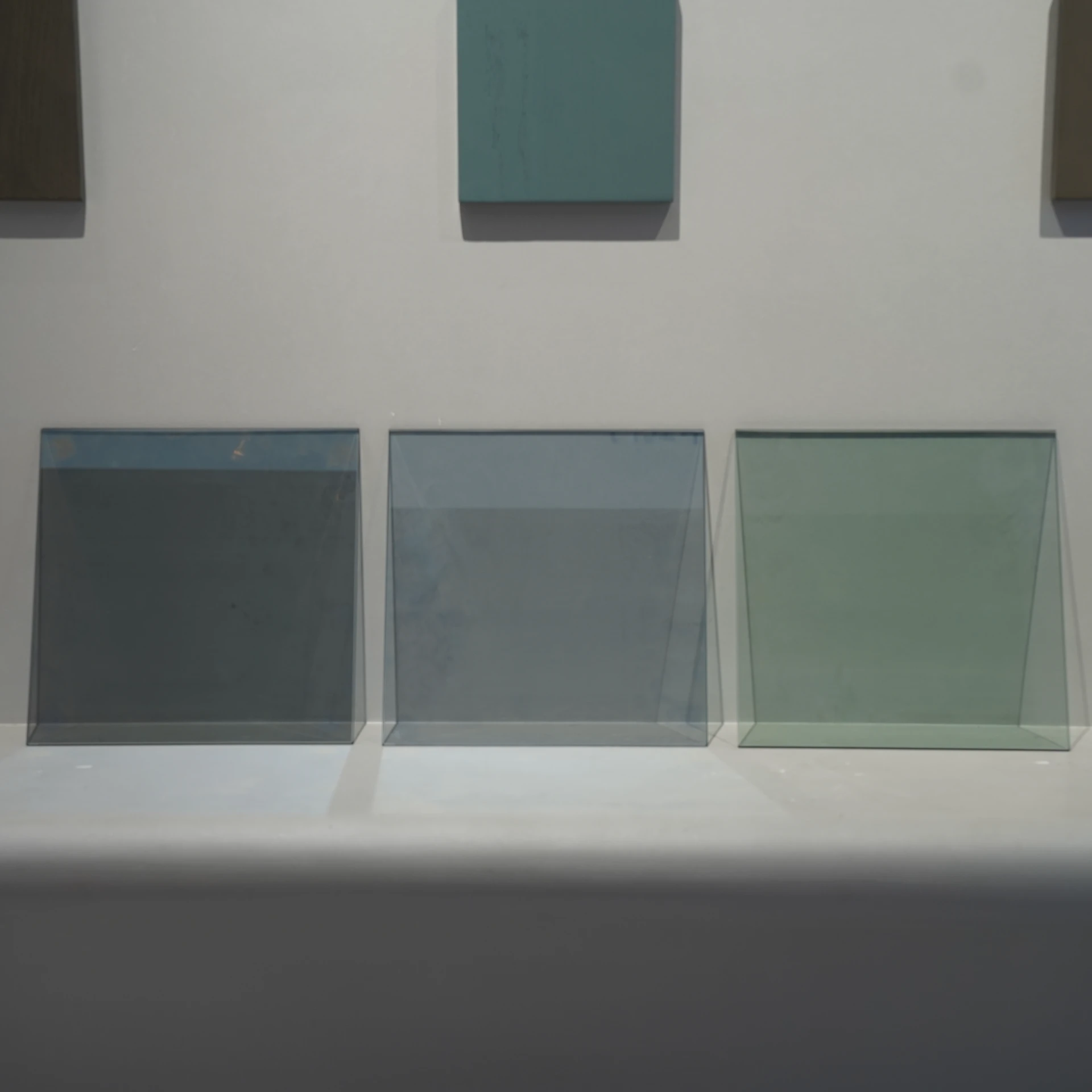
The choice depends on your primary objective: visual clarity or light management. Clear low iron glass is designed for maximum transparency and color accuracy, making it perfect for display windows and luxury facades. White coated glass is used when you need to manage light diffusion or provide a specific aesthetic finish while maintaining brightness. If your project requires the "invisible" look, go with low iron; if you need a specific functional coating for light control, coated glass is the better option.
What is the typical lead time for shipping high-performance glass to Cambodia?
Lead times vary based on the volume and the level of deep processing required (e.g., tempering or laminating). However, because Wangmei Group operates multiple strategic production bases and has an established export framework, we are able to offer more competitive and stable delivery schedules than fragmented suppliers. We recommend initiating the specification and procurement process during the early design phase to ensure a seamless delivery aligned with your construction milestones.
Project Inquiry
Upgrade Your Project with High-Performance Glass Solutions
Whether you are developing a commercial landmark in Phnom Penh or a luxury resort in the provinces, our technical team is ready to provide the ideal glass specifications for Cambodia's unique climate. From energy-saving Low-E coatings to ultra-clear low-iron sheets, we ensure your vision is realized with precision and sustainability. Discuss your requirements with our experts today to optimize your procurement and performance.
Discuss Your Requirements


