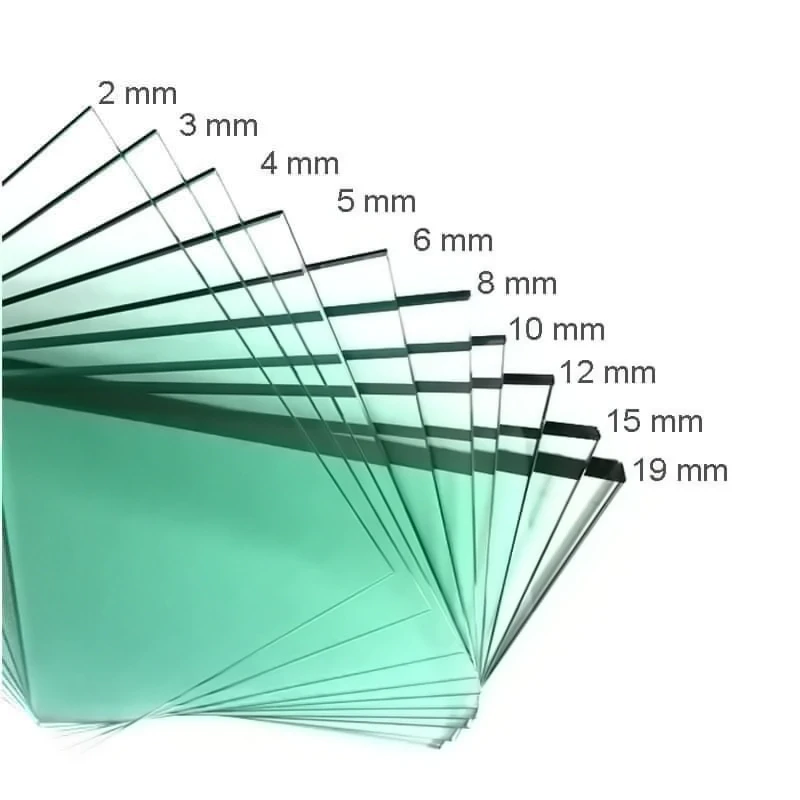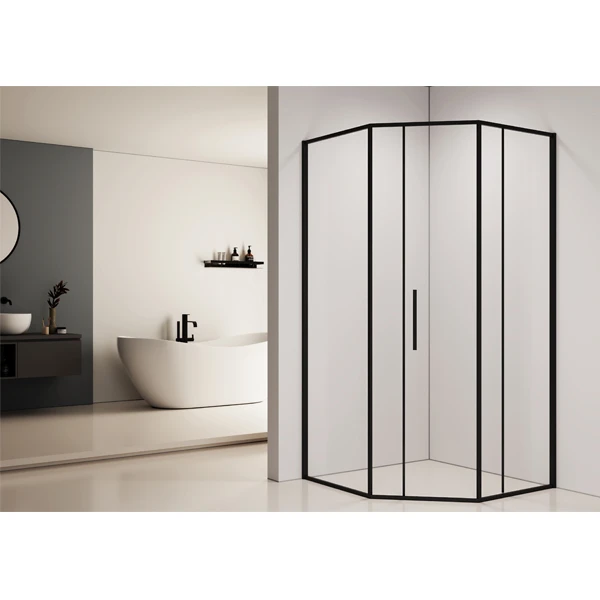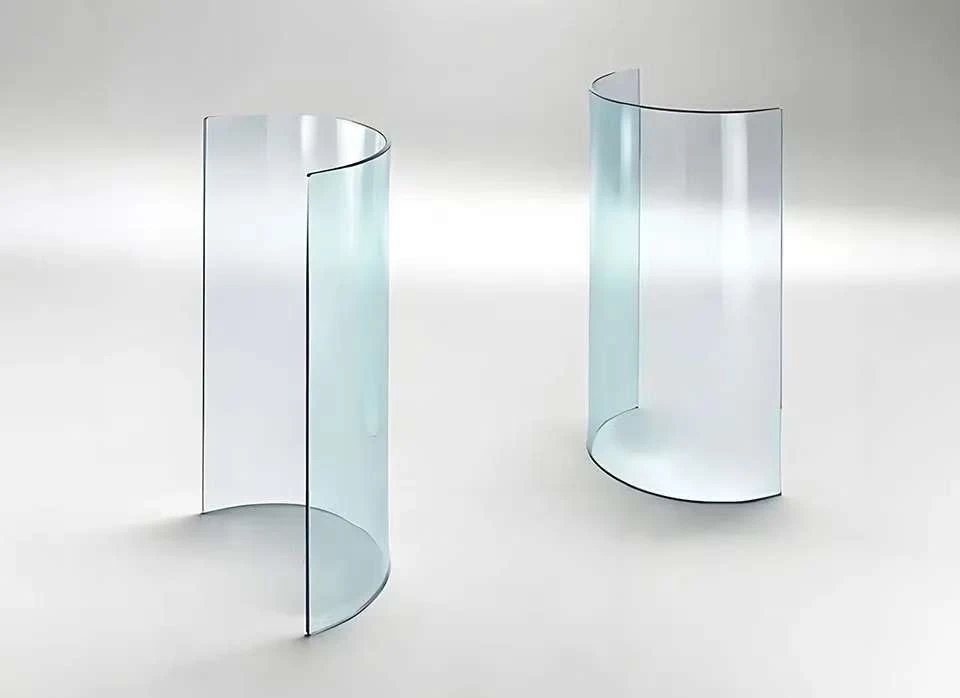



Chile's unique geography—stretching from the arid Atacama Desert in the north to the glacial fjords of the south—creates a diverse set of demands for float glass. The extreme UV exposure in northern regions requires glass with superior stability and thermal resistance to prevent structural degradation.
In urban centers like Santiago, the push for "Green Building" certifications has spiked the demand for low iron glass sheet. Architects are moving away from standard tints to achieve maximum transparency and light transmission, reducing the reliance on artificial lighting in dense commercial districts.
Economic stability and a growing real estate sector have shifted the market from basic utility glass to specialized functional materials. The integration of energy-saving coatings is no longer a luxury but a regulatory necessity to comply with Chile's evolving energy efficiency standards for residential and commercial buildings.