Premium dual low e glass Solutions for Denmark's Sustainable Architecture

Integrating advanced thermal efficiency and crystal-clear aesthetics to meet the rigorous energy standards of the Danish building sector.

Premium dual low e glass Solutions for Denmark's Sustainable Architecture

Providing high-performance glazing solutions tailored for the Nordic climate, focusing on maximum heat retention and superior light transmission.

The Landscape of Glass Manufacturing in Denmark

Analyzing the demand for high-efficiency glazing in the Danish market.

Denmark's commitment to carbon neutrality by 2050 has pushed the construction industry toward extreme energy efficiency. In this environment, the demand for high-quality float glass has evolved from simple structural requirements to complex thermal performance needs, as architects seek to minimize heat loss during harsh winters.

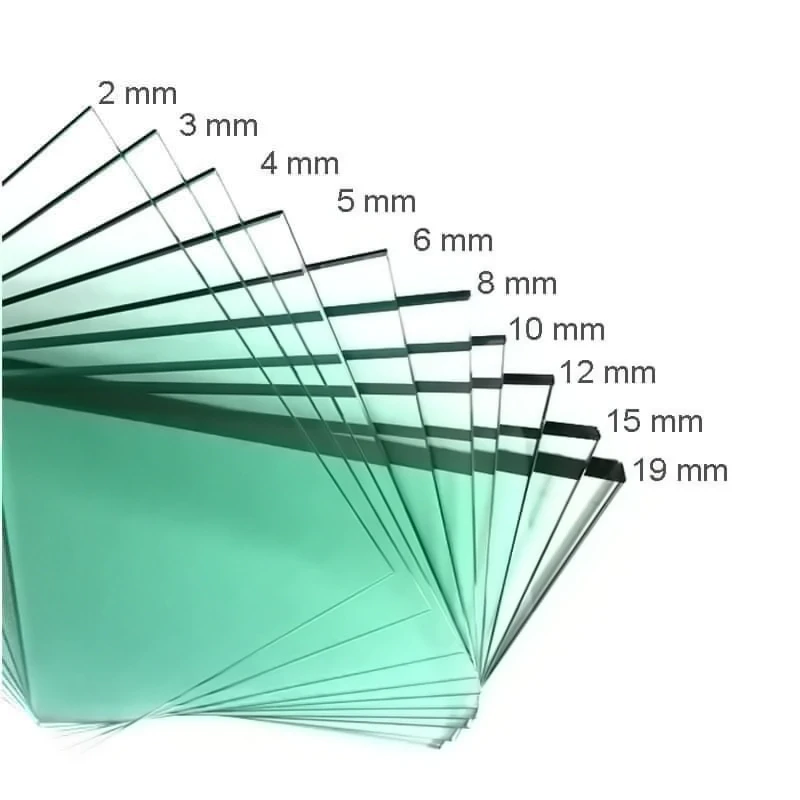
The local market is characterized by a preference for minimalism and natural light. This has led to a surge in the adoption of low iron glass sheet, which eliminates the greenish tint of standard glass, allowing the soft Nordic sunlight to permeate interiors without color distortion.

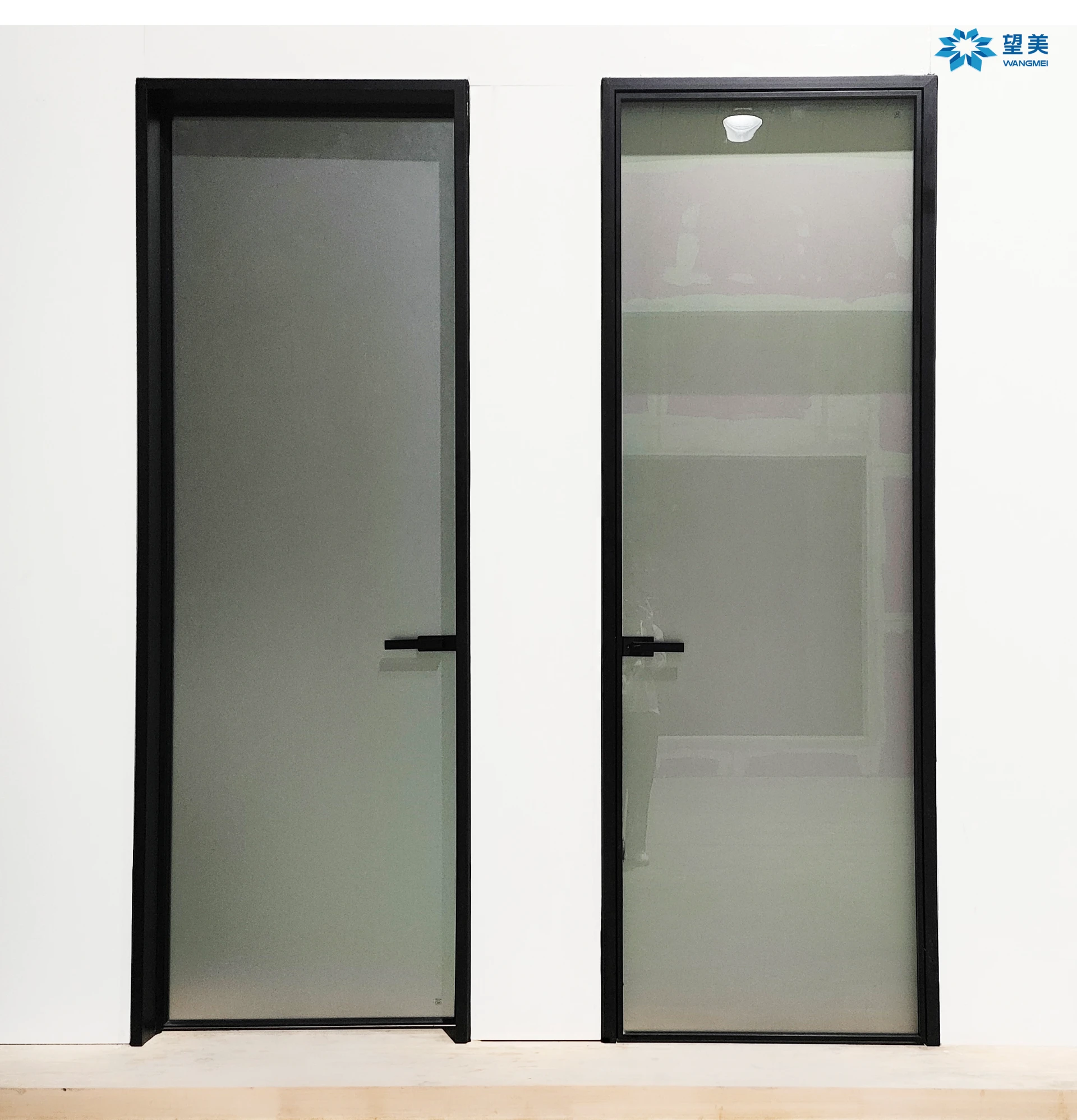
Furthermore, the Danish economic focus on "Green Building" certifications (such as DGNB) necessitates the use of specialized coatings. The integration of white coated glass is becoming common in interior partitions and facade elements to balance privacy with light diffusion.
Evolution and Technical Trajectory of Flat Glass

From traditional float processes to intelligent thermal coatings.

Market Development History

In the late 20th century, the Danish market relied heavily on standard soda-lime glass. The transition began around 2000 with the introduction of basic Low-E coatings to combat energy leakage, marking the shift from purely aesthetic glazing to functional thermal barriers.

Between 2010 and 2020, the industry saw a technical leap toward clear glass low iron technology. This allowed for the creation of massive glass facades in Copenhagen's modern districts, where transparency and UV stability became primary architectural goals.

Current iterations have moved toward multi-layered solutions. The development of dual-silver coatings has optimized the U-value of glazing, ensuring that interior warmth is preserved while minimizing the reliance on artificial heating systems.

Future Development Trends

Vacuum Insulated Glazing (VIG)

We anticipate a move toward thinner, vacuum-sealed units that provide the insulation of a triple-pane window with the weight of a single pane.

Dynamic Electrochromic Layers

Integration of smart tints that react to the intense summer light of Scandinavia to prevent overheating without blocking the view.

Circular Economy Recycling

A shift toward 100% cullet-based production to align with Denmark's strict environmental laws and waste reduction targets.

Industry Trends and Future Outlook

Predicting the next 5 years of glass technology in the EU market.

Ultra-Low Emissivity
Further reduction of U-values through advanced silver-layering to meet Passive House standards in Nordic regions.
BIPV Integration
Integration of transparent photovoltaic cells into flat glass to turn facades into energy generators.
Advanced Clarity
Enhanced low-iron purity for museum-grade displays and high-end retail facades in Copenhagen.
Sustainable Sourcing
Increased use of hydrogen-fired furnaces to reduce the carbon footprint of glass production.

Industry Outlook

Google search trends indicate a significant rise in "energy-efficient glazing" and "carbon-neutral construction" within Europe. For the Danish market, this translates into a move away from standard float glass toward high-spec, multi-functional sheets.

The convergence of aesthetics and ecology will drive the market. We expect the next three years to see a dominant shift toward hybrid glass solutions that combine sound insulation with extreme thermal resistance.

Local Application Scenarios in Denmark

Real-world implementations of specialized glass in the Danish environment.

01. Copenhagen Waterfront Commercial Hubs

Utilizing high-transparency clear glass low iron for massive curtain walls to maximize natural light intake during short winter days while maintaining a sleek, modern look.

02. Aarhus Sustainable Residential Complexes

Implementing triple-glazed units with dual low e glass to ensure minimal heat loss, reducing heating costs for residents by up to 30%.

03. Danish Museum and Art Gallery Displays

Applying low iron glass sheet for exhibit cases to provide a neutral, color-accurate view of artworks without the typical green iron oxide tint.

04. Modern Office Interior Partitioning

Using white coated glass for conference rooms to provide an elegant, semi-opaque finish that ensures privacy without blocking the flow of light.

05. Rural Danish Eco-Homes

Integrating high-performance float glass with integrated thermal breaks to withstand the salty, humid air of the coastal regions while keeping interiors warm.

Brand Story

Global Development Journey of Wangmei Industrial Group Co., Ltd.

Foundational Excellence

Established with a vision to revolutionize the flat glass industry, focusing on precision manufacturing and raw material purity.

Technological Breakthrough

Invested heavily in R&D to master low-iron processing, solving the industry pain point of color distortion in architectural glass.

Global Expansion

Expanded operations into the European market, adapting production lines to meet strict EU energy and safety certifications.

Sustainability Pivot

Launched a series of eco-friendly coatings and energy-saving glasses to support the global transition toward net-zero emissions.

Industry Leadership

Now recognized as a premier provider of architectural glass, solving complex thermal and aesthetic challenges for global architects.

Complete Glass Portfolio for the Danish Market

A comprehensive range of high-performance glazing solutions from standard to specialized.

Denmark Glazing FAQ

Common questions regarding glass selection for Nordic architecture.

What is the benefit of using low iron glass sheet in Nordic climates?

Low iron glass reduces the green tint common in standard float glass, allowing more natural light to enter buildings, which is critical for mental well-being and energy savings during Denmark's dark winters.

How does dual low e glass improve energy efficiency in Copenhagen?

Dual Low-E coatings reflect heat back into the room during winter and block solar heat gain during summer, significantly lowering the U-value and reducing HVAC energy consumption.

Can clear glass low iron be tempered for safety in public spaces?

Yes, our low-iron glass can be fully tempered or heat-strengthened to meet all EU safety standards while maintaining its superior clarity and color neutrality.

What makes white coated glass ideal for modern office interiors?

White coated glass provides a sophisticated, matte or satin appearance that diffuses light and ensures privacy, making it perfect for minimalist Scandinavian office designs.

Is standard float glass still viable for residential use in Denmark?

While viable for non-thermal areas, the trend is shifting toward Low-E or low-iron options to meet the stringent energy efficiency codes required for new builds in Denmark.

How do I specify the correct U-value for a dual low e glass installation?

You should evaluate the total window system including the frame. Our specialists can provide the exact thermal data for our glass units to help you meet DGNB or Passive House requirements.

Ready to Elevate Your Project?

Contact our technical experts today for tailored high-performance glass solutions in Denmark.

Contact Us Now

If you are interested in our products, you can choose to leave your information here, and we will be in touch with you shortly.