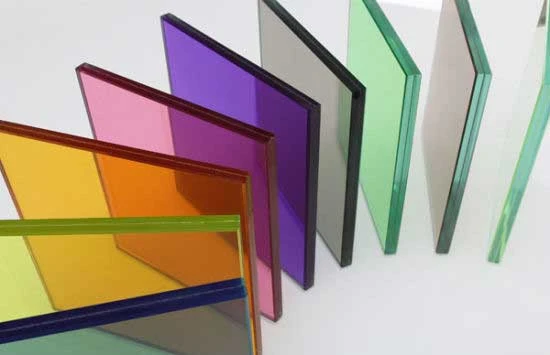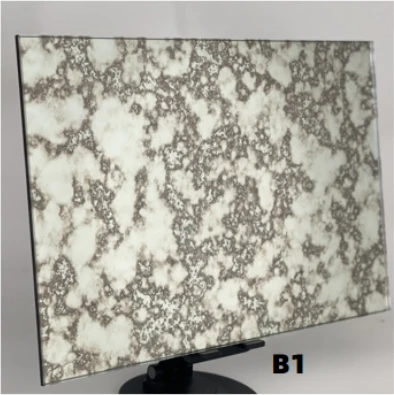
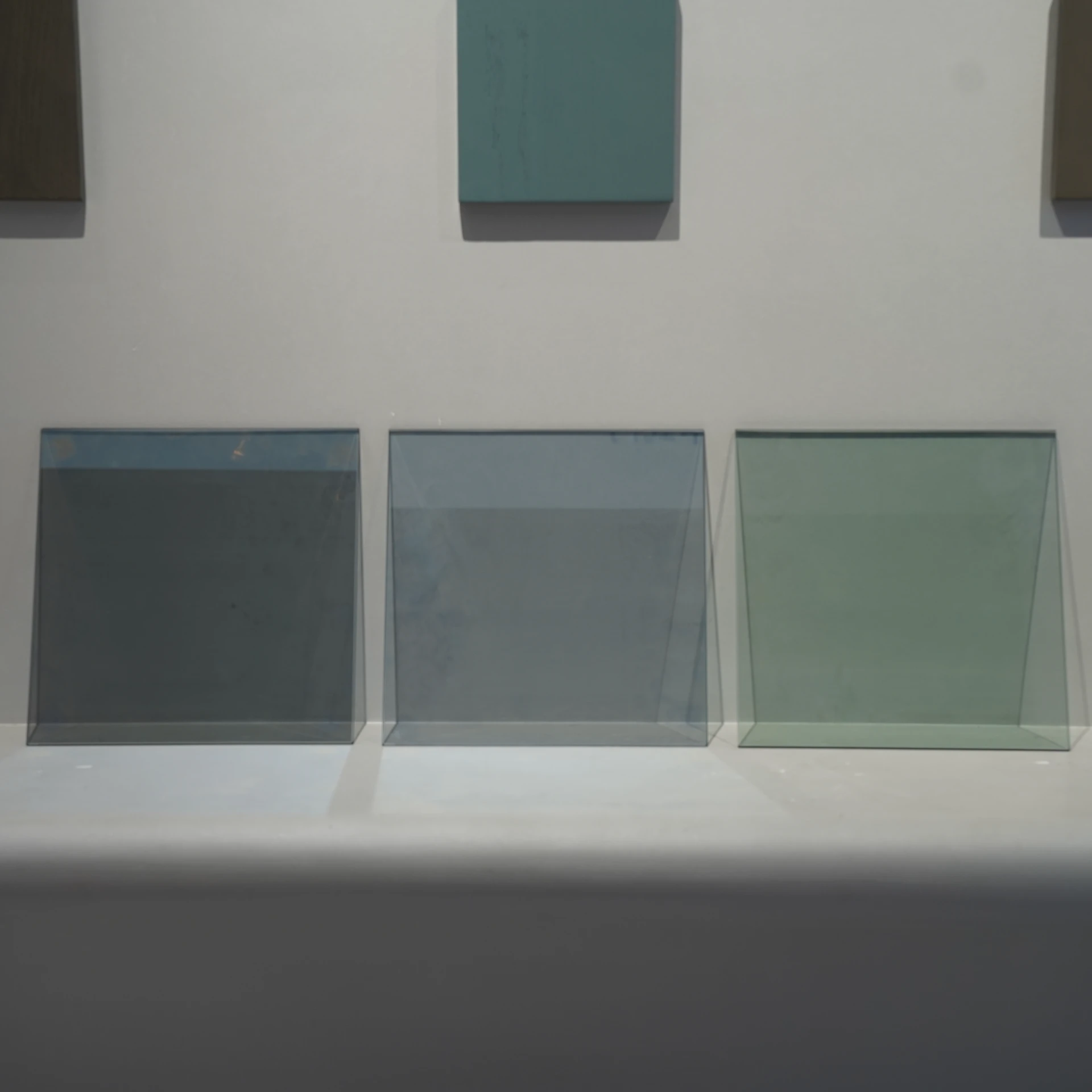
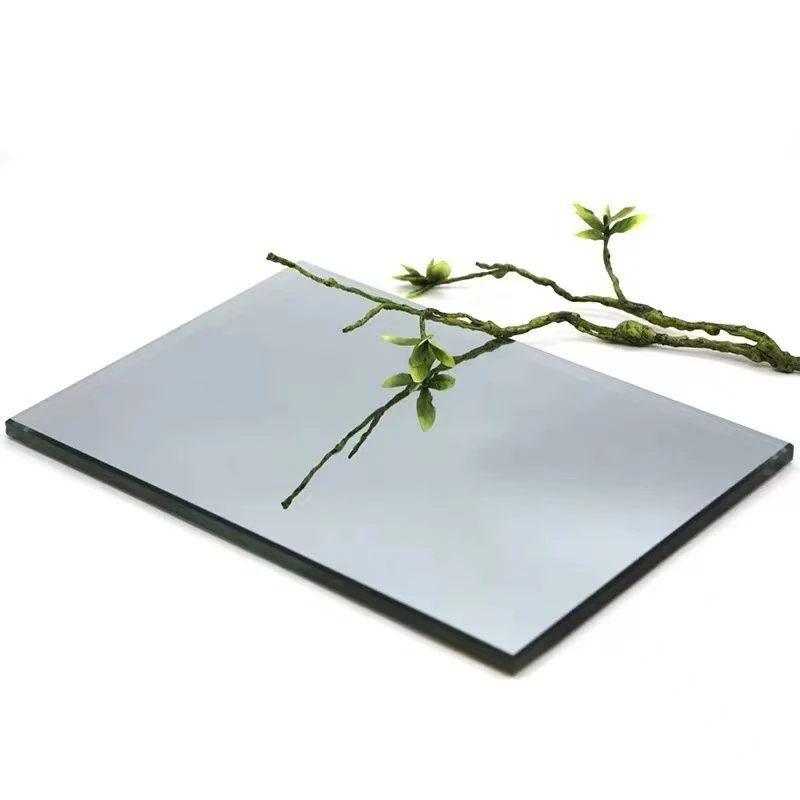
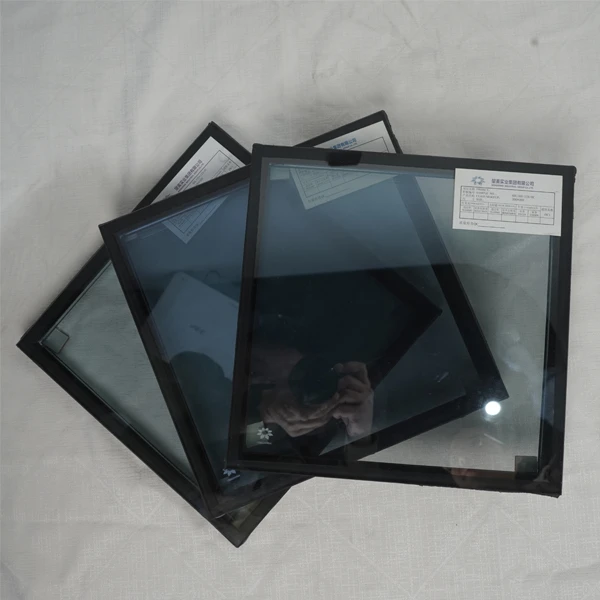
Premium dual low e glass Solutions for Uzbekistan Architecture

High-performance thermal insulation and clarity for Uzbekistan's unique continental climate, combining energy efficiency with modern aesthetics.

Premium dual low e glass Solutions for Uzbekistan Architecture

Providing the Uzbekistan construction market with advanced glazing technologies, from standard float glass to specialized energy-saving coatings.

The Glass Industry Landscape in Uzbekistan

Analyzing the demand for specialized glass in Central Asia's growing urban hubs.

Uzbekistan's extreme continental climate, characterized by scorching summers and freezing winters, creates a critical demand for high-performance dual low e glass. In cities like Tashkent, the rapid modernization of commercial real estate is shifting focus from basic structures to energy-efficient envelopes.

Historically, the local market relied on standard float glass, but there is a growing preference for low iron glass sheet in luxury residential and museum projects where maximum light transmission and color neutrality are paramount.

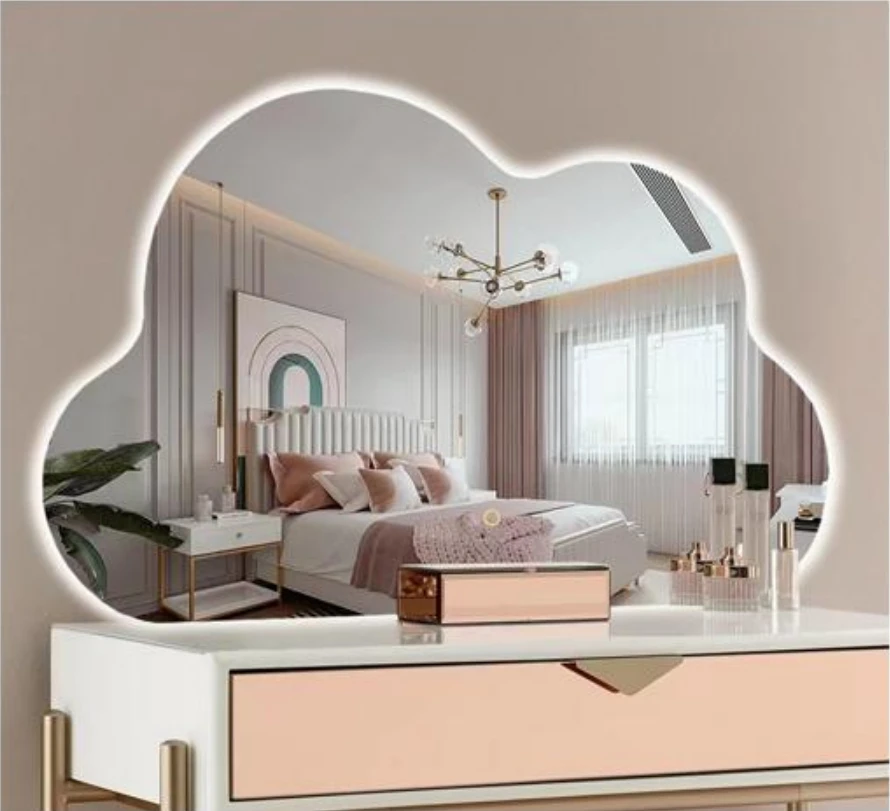
Furthermore, the rise of sustainable building certifications in Asia has led to an increased adoption of white coated glass for reflective facades, helping to reduce the urban heat island effect in Uzbekistan's densely populated districts.
Evolution of Flat Glass Technology in Uzbekistan

From traditional manufacturing to high-tech architectural coatings.

Market Development History

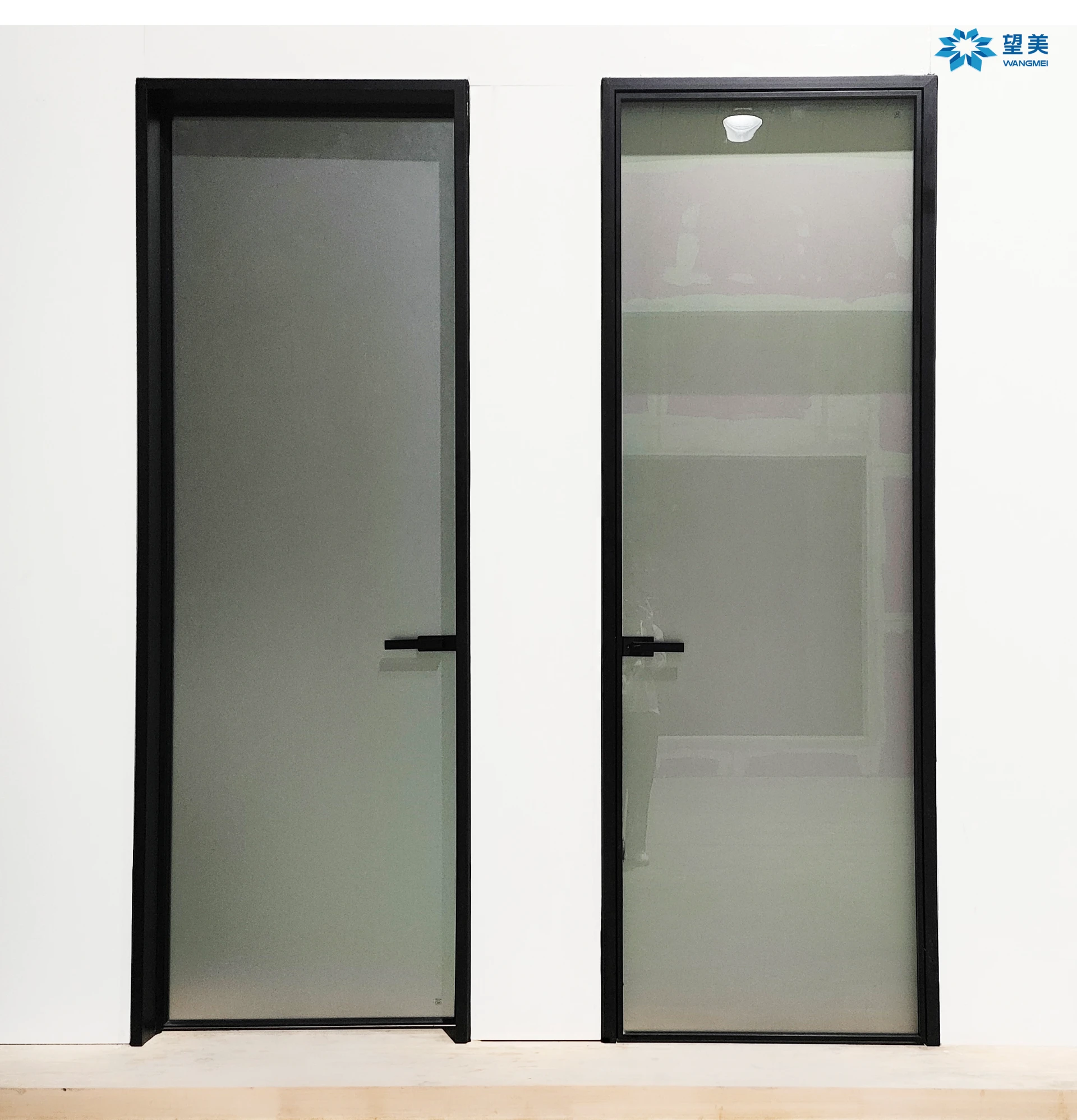
During the early 2000s, the Uzbekistan market was dominated by basic clear glass, primarily utilizing standard float processes for simple windows and partitions.

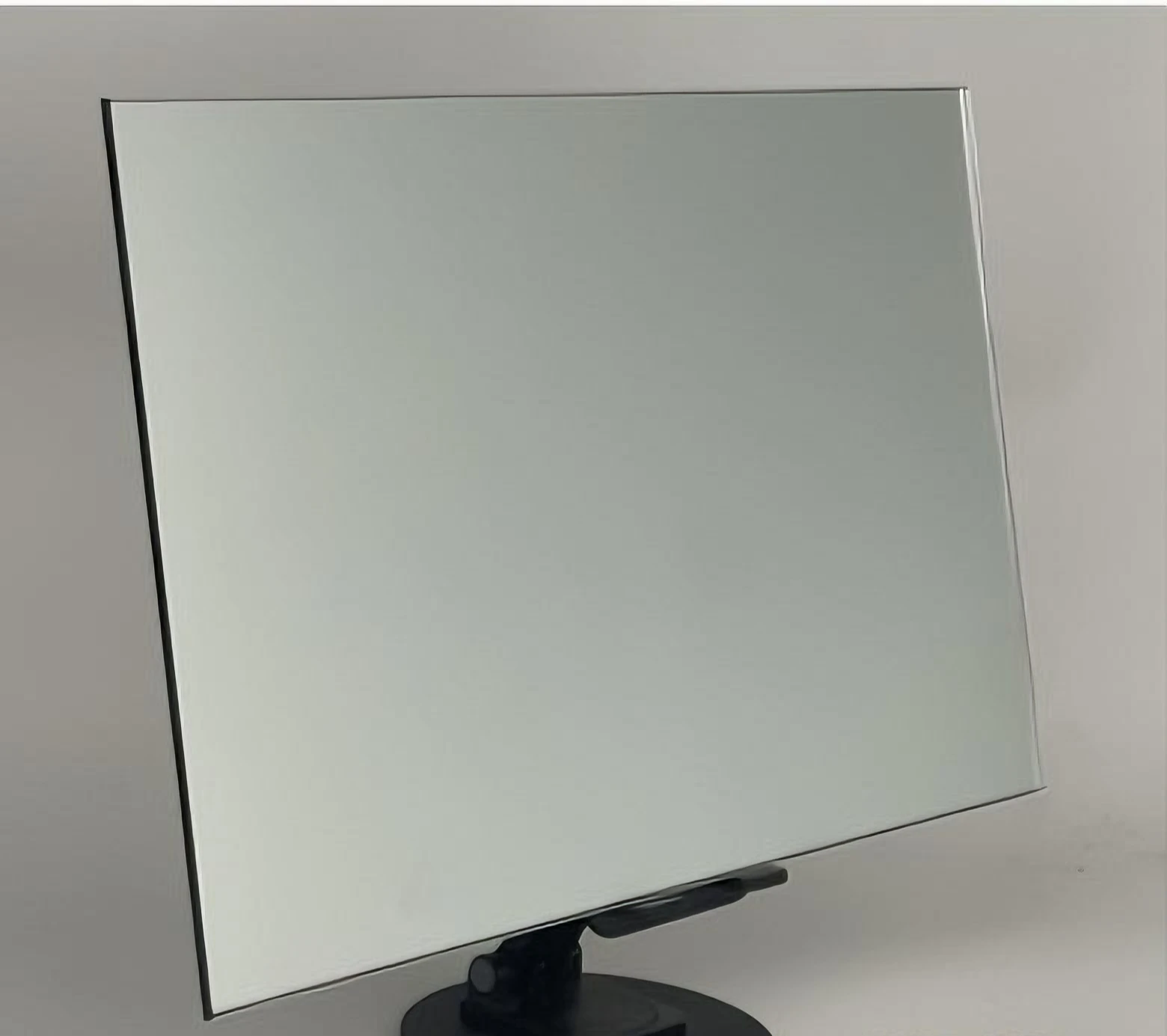
Between 2010 and 2020, a transition occurred toward "Clear-Plus" standards. The introduction of clear glass low iron allowed architects to design more transparent facades, reducing the green tint typical of traditional soda-lime glass.

From 2021 to the present, the focus has shifted toward "Intelligent Glass." The integration of double-silver and triple-silver coatings has made energy-saving glass a standard requirement for Grade-A office buildings in the region.

Future Development Trends

Adaptive Thermal Control

Integration of dynamic coatings that react to Uzbekistan's intense UV radiation to maintain indoor temperatures without excessive HVAC use.

Ultra-Clear Aesthetic Standards

Increased penetration of low iron glass sheet for interior high-end partitions and specialized furniture.

Carbon-Neutral Production

A shift toward recycled cullet and low-carbon melting processes to meet new Asian environmental regulations.

Industry Trends and Future Outlook

Strategic forecasting for the flat glass sector in Uzbekistan.

Energy Efficiency Priority
Rapid adoption of low-emissivity coatings to combat extreme temperature swings in Central Asia.
Architectural Transparency
Shift towards ultra-clear substrates for modern commercial facades and luxury retail.
Smart Glass Integration
Emergence of electrochromic and switchable glass for smart office environments in Tashkent.
Sustainable Sourcing
Increased demand for glass with low embodied carbon and high recyclability.

Industry Outlook

Based on search trend data for "energy efficient construction" in Uzbekistan, we predict a 25% increase in demand for high-performance coatings over the next 3 years. The market is moving away from generic glazing toward tailored spectral control solutions.

The integration of building automation with specialized glass will become a key competitive advantage for developers, ensuring that the interior environment remains stable despite the volatile outside temperatures of the region.

Localized Applications in Uzbekistan

Real-world implementations of advanced glass products in the local environment.

1. Tashkent Modern Office Towers

Utilization of dual low e glass to reduce solar gain during summer while retaining warmth during the harsh winter months.

2. Samarkand Cultural Heritage Centers

Implementing clear glass low iron for museum showcases to ensure authentic color rendering of historical artifacts.

3. Residential Luxury Villas in Bukhara

Installation of low iron glass sheet for expansive floor-to-ceiling windows that maximize natural light without the green tint.

4. Public Infrastructure and Transit Hubs

Deployment of heavy-duty float glass for durable, safe, and cost-effective partitions in high-traffic areas.

5. Commercial Shopping Malls

Applying white coated glass for exterior cladding to provide a clean, modern look while reflecting heat.

Brand Story

Global Development Journey of Wangmei Industrial Group Co., Ltd.

Foundational Excellence

Established with a commitment to precision, we began by perfecting the basic float glass process to serve regional industrial needs.

Technological Breakthrough

Invested in R&D to master low-iron formulations, solving the pain point of color distortion in high-end architectural projects.

Global Expansion

Expanded our footprint into the Asian market, adapting our thermal coatings to suit the extreme climates of Central Asia.

Energy Innovation

Developed the dual low-e series to address the global crisis of energy consumption in urban buildings.

Sustainable Future

Today, we lead the industry in integrating eco-friendly manufacturing with high-performance glazing solutions.

Comprehensive Glass Portfolio for Uzbekistan

A complete range of high-performance glass products tailored for the Uzbekistan construction sector.

Frequently Asked Questions in Uzbekistan

Expert answers to the most common technical queries from our local clients.

How does dual low e glass improve energy bills in Tashkent?

It uses two layers of silver coating to block infrared heat from entering during summer and prevent indoor heat from escaping during winter, significantly lowering HVAC costs.

What is the main advantage of low iron glass sheet over standard glass?

Low iron glass eliminates the greenish tint, providing superior clarity and higher light transmission, which is ideal for high-end shopfronts and galleries.

Is white coated glass suitable for the high UV levels in Uzbekistan?

Yes, the white coating acts as a reflective barrier that reduces solar absorption and protects interior materials from UV degradation.

Can clear glass low iron be tempered for safety applications?

Absolutely. Our low iron glass can undergo rigorous tempering processes to ensure it meets safety standards for public buildings without losing its clarity.

What is the standard thickness for float glass used in commercial partitions?

Commonly, 6mm to 12mm is used depending on the height and load requirements of the partition wall.

How to maintain the coatings on dual low e glass?

Regular cleaning with mild soap and water is recommended. Avoid abrasive chemicals that could scratch the surface and affect the thermal performance.

Get Expert Glass Consultation

Ready to optimize your next project in Uzbekistan? Our technical team is here to help you choose the perfect glazing solution.

Contact Us Now

If you are interested in our products, you can choose to leave your information here, and we will be in touch with you shortly.