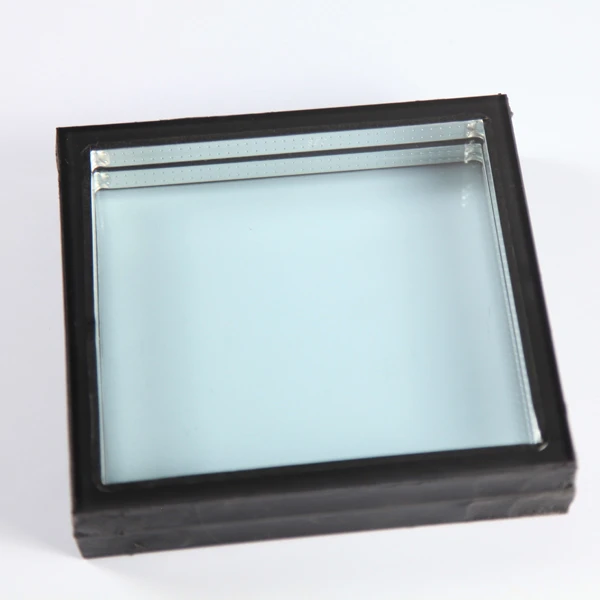
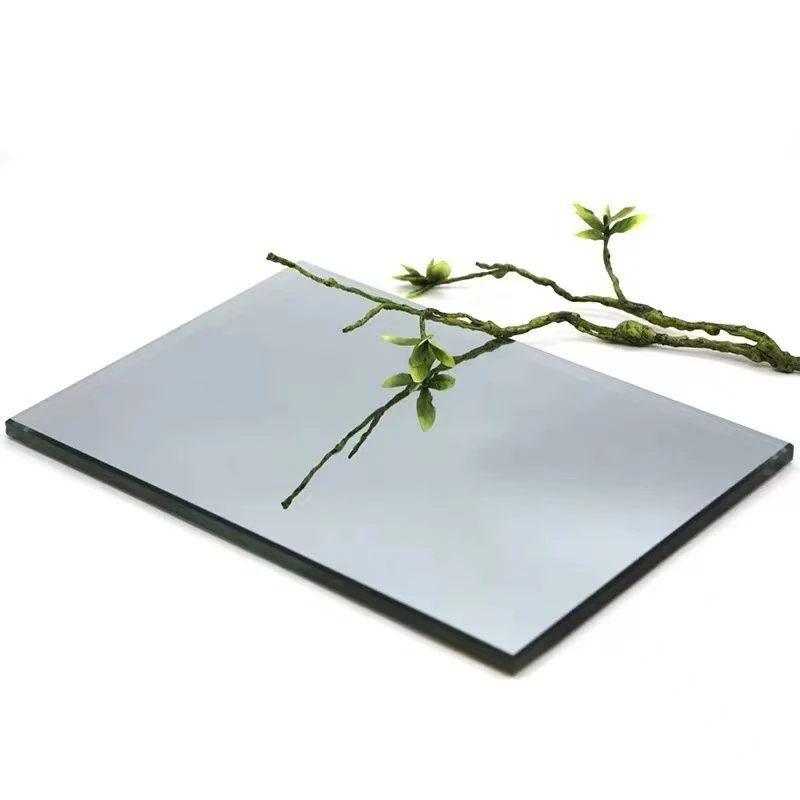
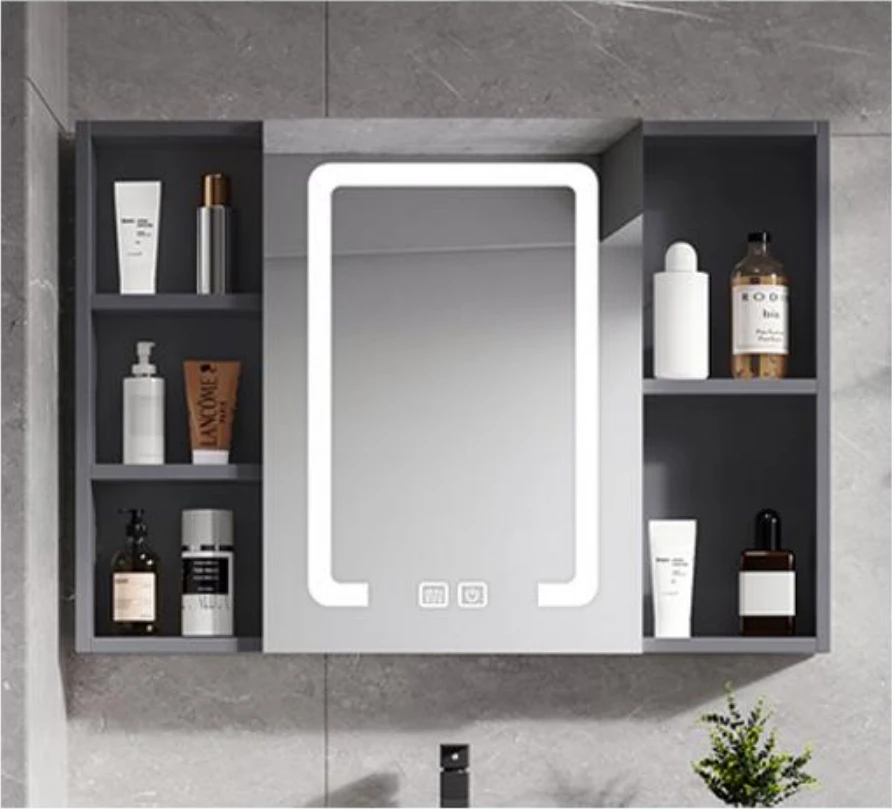
Premium Glass Solutions for Romania: Advanced dual low e glass

Elevating Romanian architectural standards with high-performance energy-saving and ultra-clear glazing systems tailored for Eastern European climates.

Premium Glass Solutions for Romania: Advanced dual low e glass

Providing the Romanian construction sector with cutting-edge float glass technology, optimizing thermal insulation and visual clarity for modern urban developments in Bucharest and beyond.

The Current Landscape of Glazing in Romania

Analyzing the intersection of energy efficiency and architectural aesthetics in the Romanian market.

The Romanian glass market is currently undergoing a massive transition driven by EU energy directives. In cities like Bucharest and Cluj-Napoca, there is a surging demand for float glass that can withstand significant temperature fluctuations between harsh winters and hot summers.

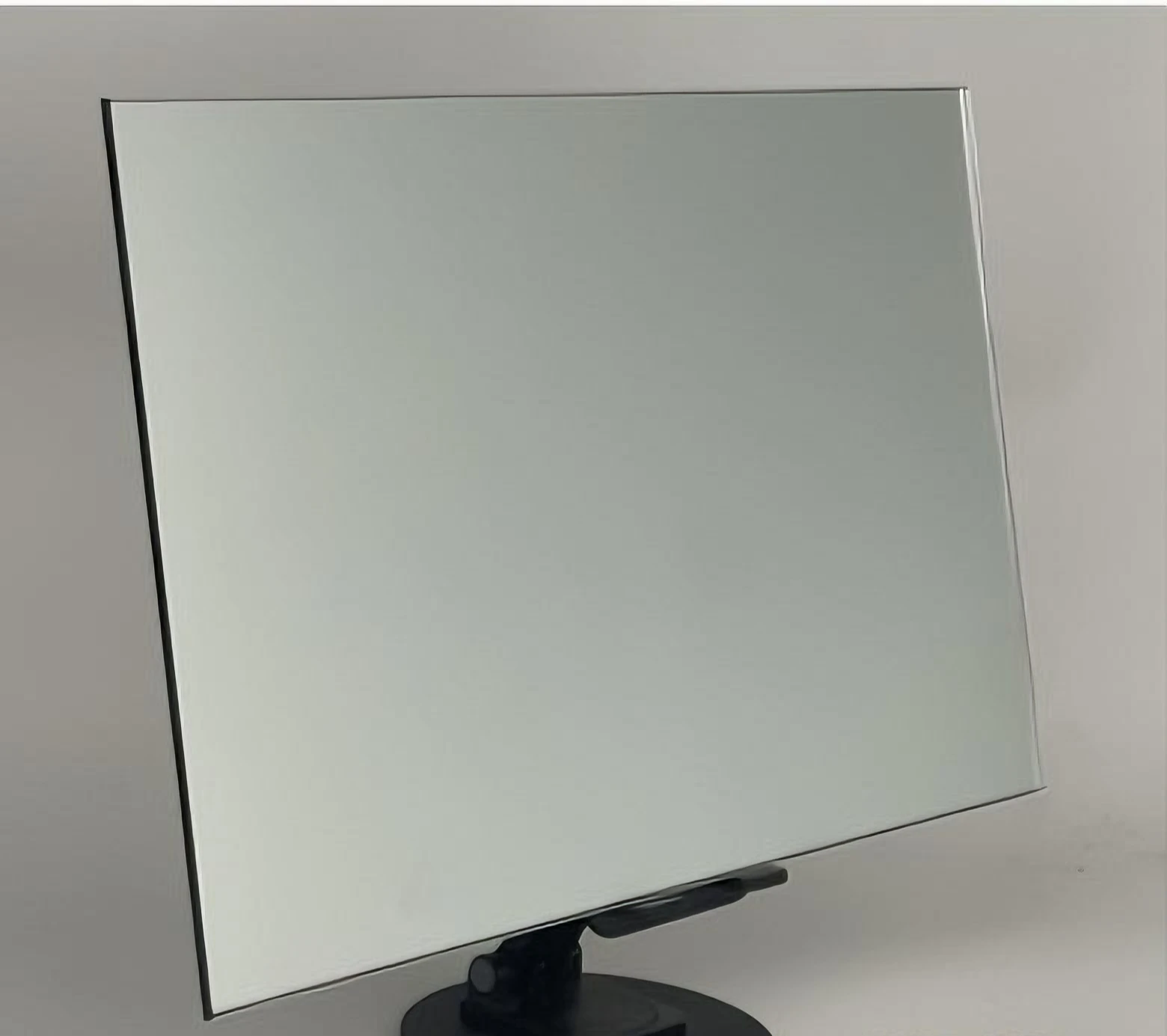
Architects in Romania are increasingly moving away from standard clear glass toward low iron glass sheet to maximize natural light penetration, reducing the reliance on artificial lighting in commercial office complexes.

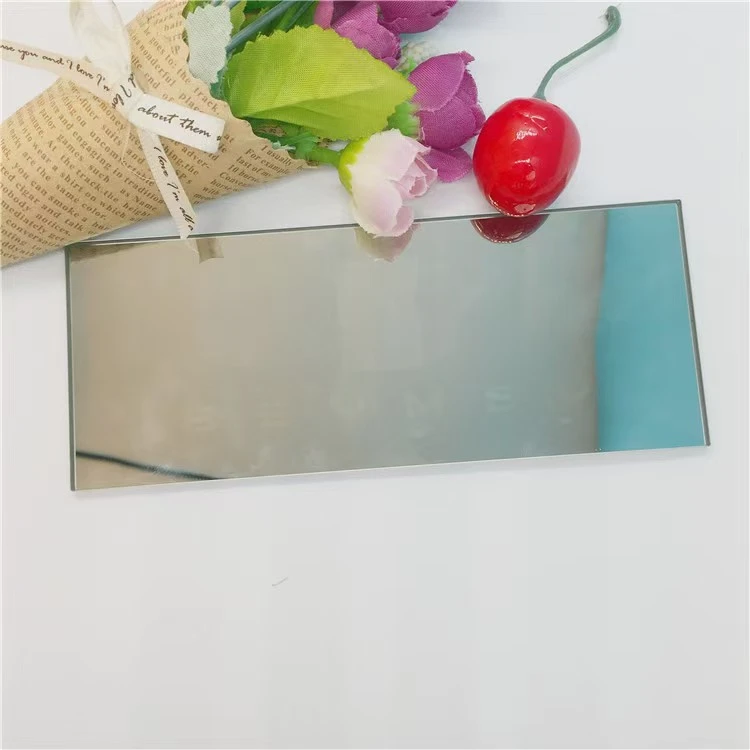
Furthermore, the adoption of specialized coatings, such as white coated glass, has become a key trend for interior partitions in the hospitality sector, combining privacy with a clean, modern aesthetic suitable for the local luxury market.
Evolution and Technological Trajectory in Romania

From basic industrial panes to intelligent thermal barriers.

Market Development History

Between 1990 and 2010, the Romanian market was dominated by standard single-pane glass. The primary focus was on basic structural integrity and cost-effectiveness, with limited thermal performance.

From 2010 to 2020, the shift toward double glazing became standard. The introduction of clear glass low iron allowed for the creation of high-end storefronts and showrooms, significantly improving the "visual transparency" of retail spaces in major Romanian malls.

In the current era (2020-present), the focus has shifted to "Passive House" standards. This has led to the widespread integration of high-performance coatings to combat the specific thermal bridging issues found in older Romanian building stocks.

Future Development Trends

Dynamic Thermal Control

The next 3 years will see a rise in smart glass that adjusts transparency based on Romania's solar intensity, reducing HVAC costs in large-scale industrial warehouses.

Carbon-Neutral Production

Aligning with Green Deal objectives, the market will shift toward recycled glass substrates and low-carbon manufacturing processes to meet strict EU environmental quotas.

Ultra-High Transparency Demands

As architectural minimalism grows in the Carpathian region, the demand for virtually invisible glazing solutions will drive further innovation in low-iron chemistry.

Industry Outlook and Future Projections

Strategic forecasting for the Romanian non-metallic mineral products sector.

Energy Efficiency Optimization
Increased reliance on Low-E technologies to meet Romania's strict new building energy codes.
Urban Regeneration
Modernizing Bucharest's historic center using low-iron glass to blend heritage with modernity.
Advanced Coating Tech
Growth in self-cleaning and anti-reflective coatings for high-rise commercial towers.
Sustainable Sourcing
Integrating circular economy principles into the Romanian glass supply chain.

Industry Outlook

Based on Google search trends in Romania, there is a marked increase in queries for "thermal efficiency" and "sustainable construction materials." This indicates that the market is moving toward value-added products rather than commodity glass.

We expect the Romanian market to experience a 15% growth in high-performance glazing demand over the next 5 years, specifically focused on retrofitting projects and new "A-class" energy buildings.

Localized Application Scenarios in Romania

Practical implementations of advanced glass technology across Romanian sectors.

1. Bucharest Commercial Skyscrapers

Utilization of dual low e glass to reduce solar heat gain in high-rise office buildings, ensuring a comfortable interior climate during peak summer months.

2. Transylvanian Luxury Resorts

Installation of low iron glass sheet in mountain villas to provide unobstructed, crystal-clear views of the Carpathian landscapes without the green tint.

3. Modern Retail Hubs in Cluj-Napoca

Deployment of clear glass low iron for high-end boutique storefronts, enhancing product visibility and attracting premium foot traffic.

4. Public Sector Infrastructure

Integrating high-durability float glass in updated government buildings and airports to ensure safety and long-term structural resilience.

5. Interior Design in Timișoara

Application of white coated glass for minimalist office partitions and decorative wall panels in contemporary corporate headquarters.

Brand Story

Global Development Journey of Wangmei Industrial Group Co., Ltd.

Foundational Excellence

Established as a specialist in glass manufacturing, focusing on solving the core issue of clarity and purity in industrial float glass.

Technological Breakthrough

Invested in advanced Low-E coating lines to address the global pain point of energy loss in architectural glazing.

Global Expansion

Extended operations to Europe, tailoring product specifications to meet the rigorous quality and environmental standards of the EU.

Innovation Leadership

Developed specialized low-iron solutions that redefined transparency for the high-end luxury and commercial sectors worldwide.

Sustainable Future

Now leading the way in eco-friendly glass production, ensuring that every pane contributes to a greener, more energy-efficient planet.

Comprehensive Glass Portfolio for the Romanian Market

A complete range of high-performance glazing solutions designed for Eastern European architectural demands.

Common Questions Regarding Glass Solutions in Romania

Expert answers to technical and commercial queries from our Romanian partners.

What are the benefits of using dual low e glass in Romanian winters?

Dual low e glass significantly reduces heat loss by reflecting internal warmth back into the room, which is crucial for maintaining indoor temperatures during the freezing winters in the Carpathian region.

How does low iron glass sheet differ from standard float glass in clarity?

Standard float glass has a natural green tint due to iron oxide. Low iron glass minimizes this impurity, providing superior transparency and more accurate color rendering for luxury displays.

Is white coated glass suitable for high-humidity areas in Romania?

Yes, our white coated glass is engineered with a high-adhesion layer that prevents peeling and oxidation, making it ideal for various interior environments across Romania.

Which clear glass low iron option is best for retail storefronts?

For retail, we recommend tempered clear glass low iron, which combines maximum transparency with the safety and strength required for high-traffic public areas.

How do I specify the correct float glass thickness for large facades?

Thickness depends on wind load and structural height. We provide detailed technical calculations for the Romanian market to ensure compliance with local Eurocode safety standards.

Does dual low e glass help with noise reduction in urban Bucharest?

While primarily for thermal control, when used in an Insulated Glass Unit (IGU), the dual low e layers combined with argon gas significantly improve acoustic insulation against city noise.

Ready to Upgrade Your Glazing Project?

Contact our technical consultants today for bespoke high-performance glass solutions delivered across Romania.

Contact Us Now

If you are interested in our products, you can choose to leave your information here, and we will be in touch with you shortly.