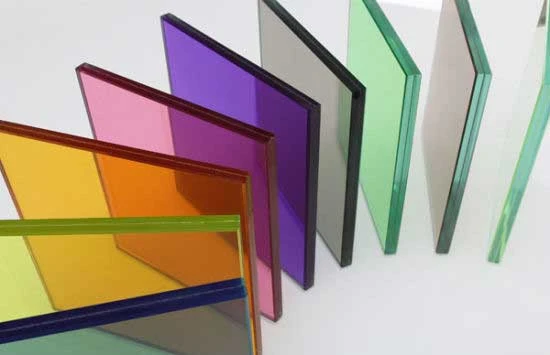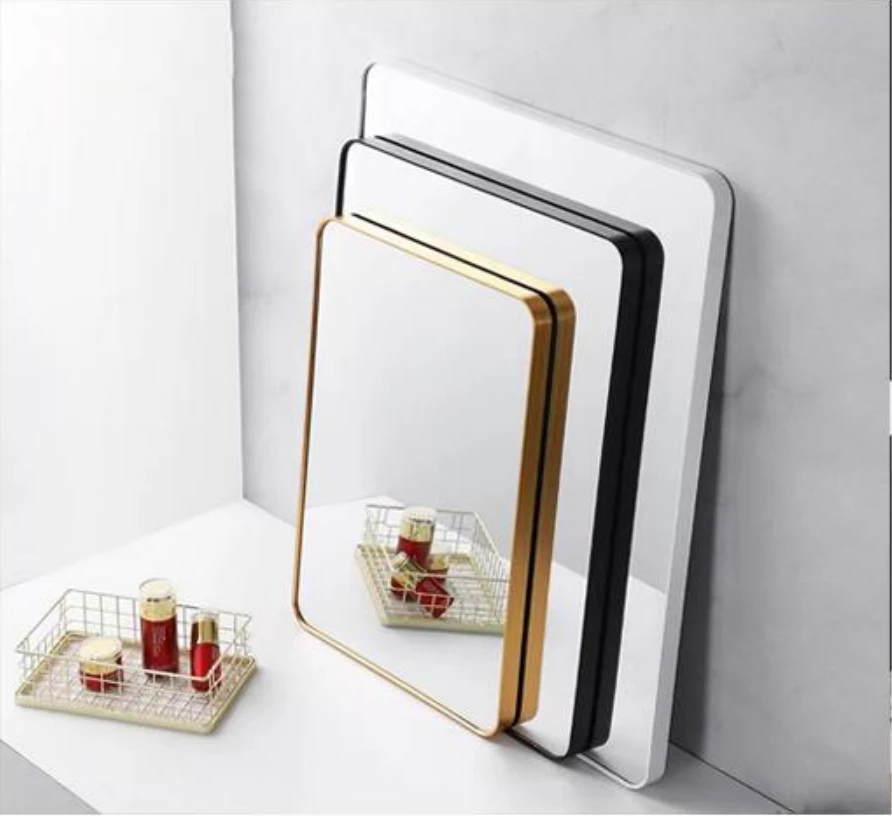
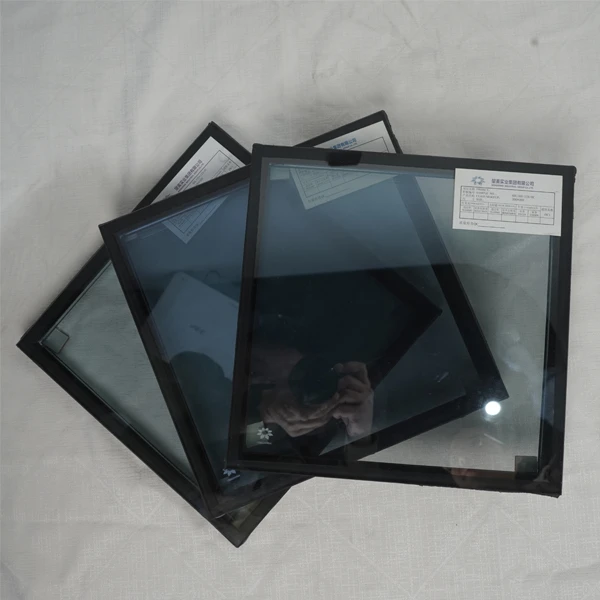
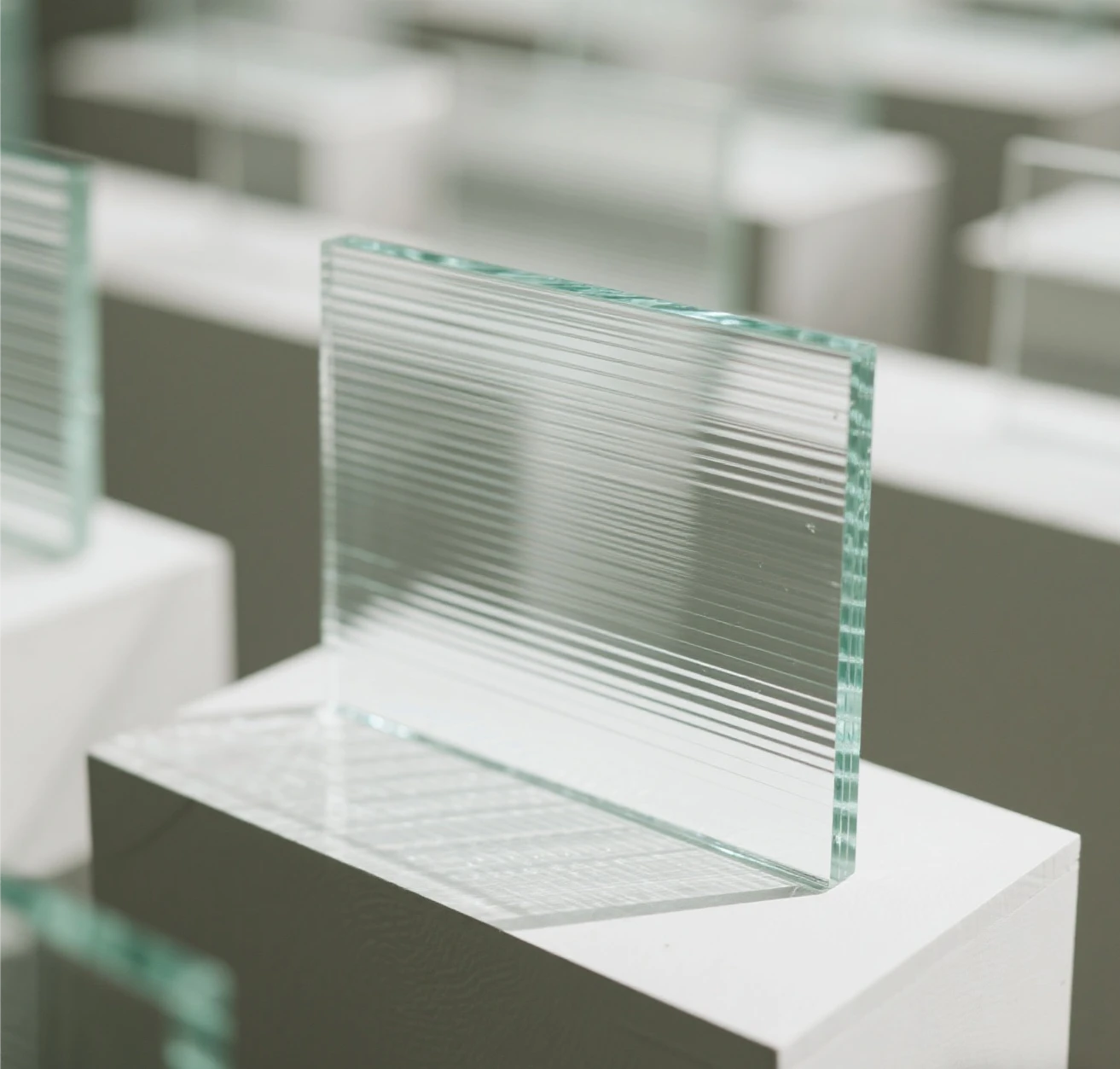
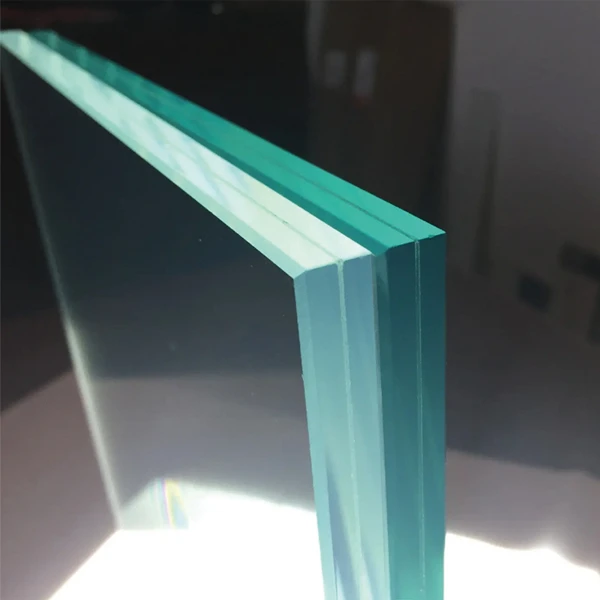
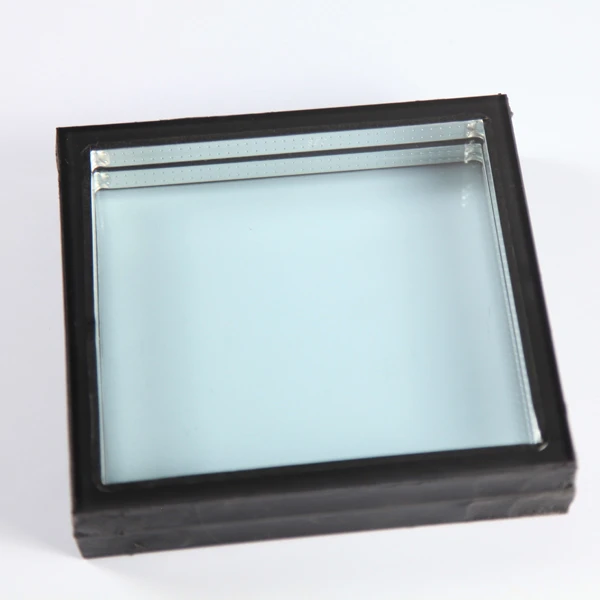
Premium low iron glass sheet Solutions for Thailand

High-performance architectural glass engineering designed to withstand tropical climates and elevate urban aesthetics across Southeast Asia.

Premium low iron glass sheet Solutions for Thailand

Providing the Thai construction market with advanced glazing technologies, from standard float glass to energy-efficient solar control options.

Glass Manufacturing Landscape in Thailand

Analyzing the impact of tropical humidity and urban heat islands on material selection.

The Thai glass market is currently dominated by a surge in high-rise condominium development in Bangkok and luxury resorts in Phuket. The extreme solar radiation in Thailand necessitates a shift from basic glazing to advanced dual low e glass to reduce air conditioning energy consumption.

With the rise of "Green Building" certifications (TREES) in Thailand, there is a growing demand for clear glass low iron. This material allows maximum natural light penetration while minimizing the greenish tint common in standard glass, meeting the aesthetic demands of modern Thai architecture.

Logistically, the region relies heavily on high-quality imports that can withstand salt-spray corrosion in coastal areas. The integration of white coated glass has become a trend for interior partitioning and furniture in high-end commercial spaces across Thailand.
Evolution of Flat Glass Technology in Asia

From basic silica smelting to intelligent spectral control coatings.

Market Development History

In the 1980s and 90s, the Thai market relied primarily on standard float glass for basic window and door applications, focusing on structural integrity rather than thermal performance.

Between 2000 and 2015, the transition toward "Ultra-Clear" aesthetics began. The introduction of low-iron technology removed the iron oxide impurities, giving birth to the widespread use of the low iron glass sheet in luxury retail storefronts.

From 2016 to the present, the focus has shifted to sustainability. The adoption of multi-layered coatings and vacuum-deposited silver layers has made high-performance glazing a standard for Thailand's LEED-certified projects.

Future Development Trends

Integration of Smart Glass

Expect a rise in electrochromic glass that adjusts opacity based on Thailand's intense sunlight, further reducing HVAC loads.

Advanced Thermal Insulation

The evolution of dual low e glass will focus on higher selectivity, allowing more visible light while blocking nearly all infrared heat.

Circular Economy in Manufacturing

A move toward 100% cullet usage in the manufacturing process to reduce the carbon footprint of glass production in Southeast Asia.

Industry Trends and Future Outlook

Predicting the next trajectory of the Thai architectural glass sector.

Energy Efficiency Optimization
Driven by rising electricity costs in Thailand, the demand for low-emissivity coatings is reaching a critical peak.
Ultra-Clear Aesthetics
Increased preference for low-iron substrates in museum-grade displays and high-end interior design.
Smart Surface Coatings
Integration of self-cleaning and anti-reflective coatings to reduce maintenance in dusty urban environments.
BIPV Integration
Building-Integrated Photovoltaics are becoming a key focus for Thailand's net-zero emissions goal.

Industry Outlook

Over the next 3-5 years, Google search trends in Asia indicate a significant spike in "Passive House" and "Sustainable Glazing" queries. For Thailand, this means a transition from simple heat-blocking to intelligent heat-management systems.

The market will likely pivot toward customized spectral control, where glass is engineered to block specific wavelengths of heat while maintaining the high transparency provided by low-iron technologies.

Localized Applications in Thailand

Practical implementation of high-performance glass in diverse Thai environments.

01. Bangkok Commercial Skyscrapers

Utilization of dual low e glass in curtain walls to significantly lower the solar heat gain coefficient (SHGC), reducing cooling costs for corporate offices.

02. Luxury Phuket Villas

Application of clear glass low iron for floor-to-ceiling windows to offer unobstructed views of the Andaman Sea without the green color cast.

03. High-End Retail in Siam Paragon

Deployment of low iron glass sheet for luxury jewelry displays, ensuring absolute color accuracy of the products under artificial lighting.

04. Modern Thai Interior Design

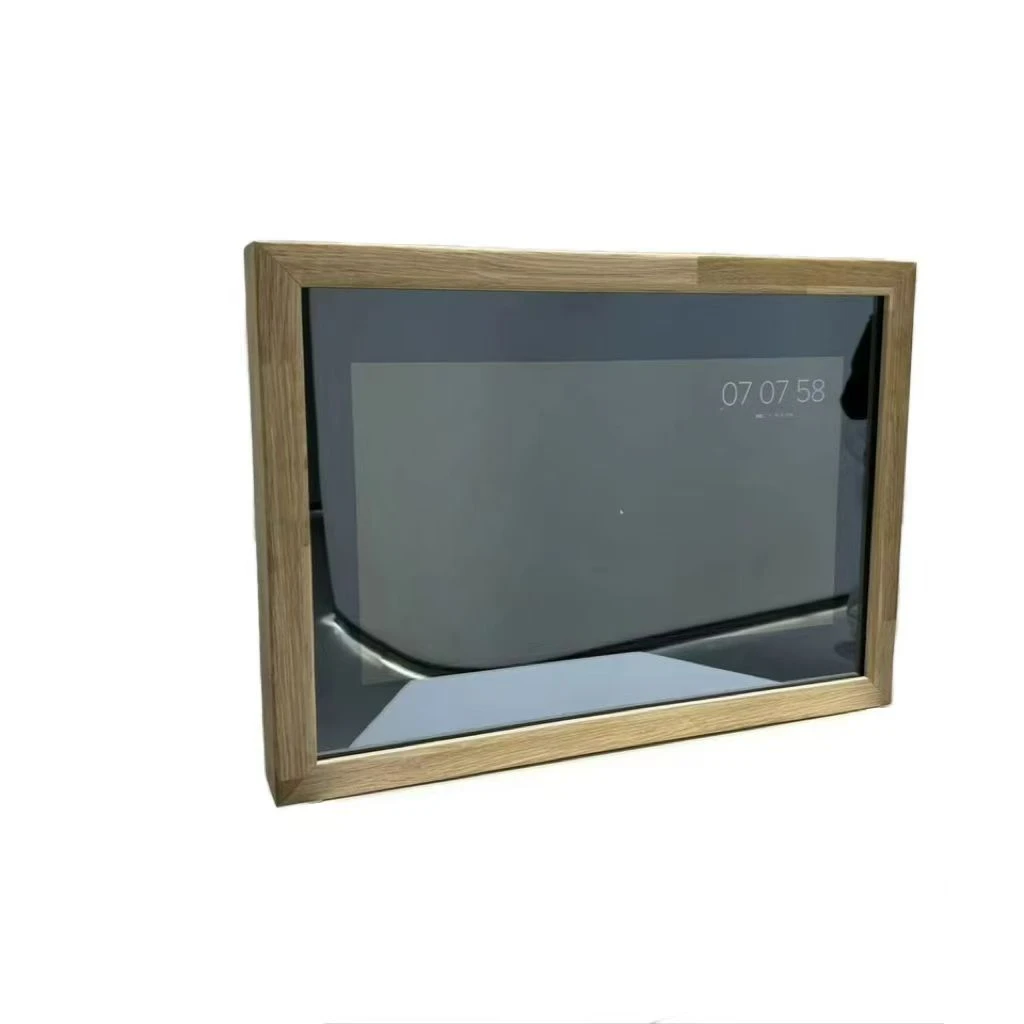
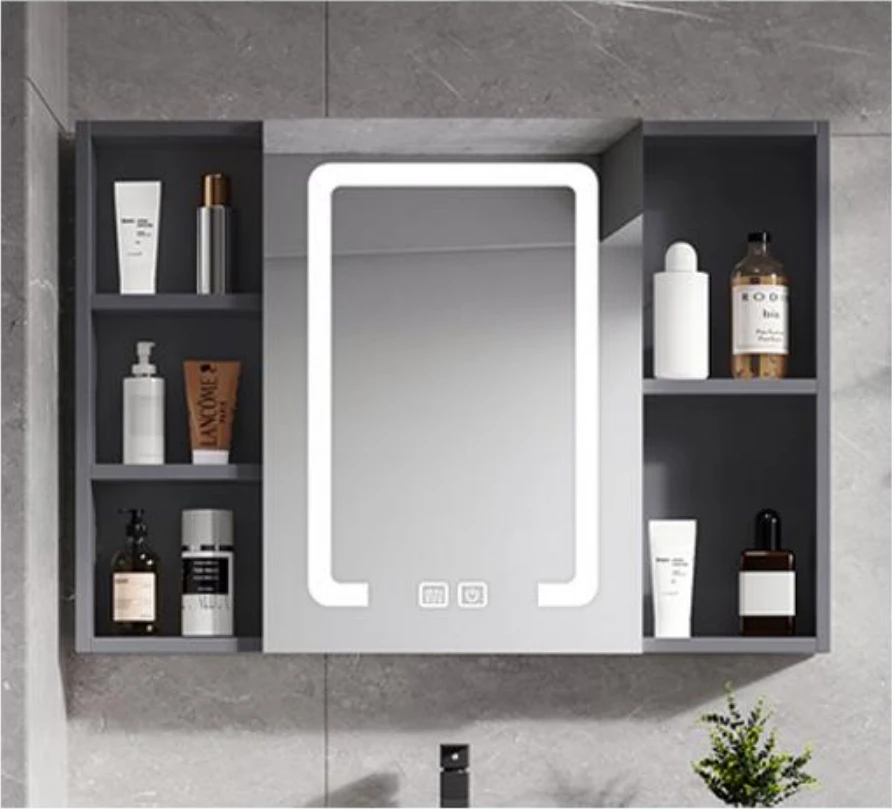
Incorporating white coated glass for kitchen backsplashes and wall cladding in minimalist condominiums in Sukhumvit.

05. Industrial Parks in EEC Zone

Using high-strength float glass for large-scale factory partitions and administrative centers within the Eastern Economic Corridor.

Brand Story

Global Development History of Wangmei Industrial Group Co., Ltd.

Industrial Foundation

Established with a mission to solve the inconsistency of glass purity in mass production, focusing on the core fundamentals of float glass technology.

Technological Breakthrough

Developed proprietary low-iron smelting processes, significantly reducing iron content to create ultra-clear glass for global architectural markets.

Global Expansion

Expanded supply chains to Asia and Europe, establishing ourselves as a trusted partner for LEED-certified skyscraper projects worldwide.

Sustainability Pivot

Invested in dual-layer Low-E coating lines to address the urgent need for energy-saving materials in tropical and arid climates.

Future Vision

Committed to the "Net Zero" vision, innovating in recyclable glass and smart-glazing solutions for the next generation of urban living.

Comprehensive Glass Portfolio for the Thai Market

A complete range of high-performance glazing solutions tailored for Southeast Asian climates.

Thailand Glass Industry FAQ

Expert answers to common technical queries regarding flat glass applications in Thailand.

What is the advantage of using dual low e glass in Bangkok's heat?

Dual low e glass provides two layers of silver coating, which significantly reflects infrared heat while allowing visible light, reducing AC costs by up to 30% compared to standard float glass.

How does low iron glass sheet differ from regular clear glass?

Regular glass has a greenish tint due to iron oxide. Low iron glass removes these impurities, resulting in a neutral color and higher light transmission, ideal for luxury retail.

Is white coated glass suitable for humid coastal areas like Phuket?

Yes, provided the coating is applied using a high-temperature fusion process. Our white coated glass is resistant to moisture and salt-air corrosion common in coastal Thailand.

Can clear glass low iron be tempered for safety?

Absolutely. All our low-iron substrates are compatible with standard tempering and heat-strengthening processes to meet Thailand's building safety codes.

What is the standard thickness for architectural float glass in Thailand?

Typically, 6mm to 12mm is used for single glazing, while 8mm to 10mm components are used within insulated glass units (IGUs) for better thermal performance.

How do I choose between low e and low iron glass?

Choose Low-E if your priority is heat reduction and energy saving. Choose Low-Iron if your priority is visual clarity and color neutrality.

Request a Technical Consultation

Our engineering team is ready to provide customized glazing specifications for your next project in Thailand.

Contact Us Now

If you are interested in our products, you can choose to leave your information here, and we will be in touch with you shortly.