Premium low iron glass sheet Solutions for Vietnam Architecture

High-performance architectural glass engineering tailored for the tropical climate and urban expansion of Vietnam.

Premium low iron glass sheet Solutions for Vietnam Architecture

Providing the Vietnamese construction market with ultra-clear, energy-efficient, and durable glass substrates that meet international green building standards.

Current Landscape of Glass Manufacturing in Vietnam

Analyzing the intersection of rapid urbanization and tropical environmental demands.

Vietnam's construction sector is currently experiencing a surge in high-rise developments in Ho Chi Minh City and Hanoi. This has led to an increased demand for high-quality float glass that can withstand high humidity and saline air in coastal regions.

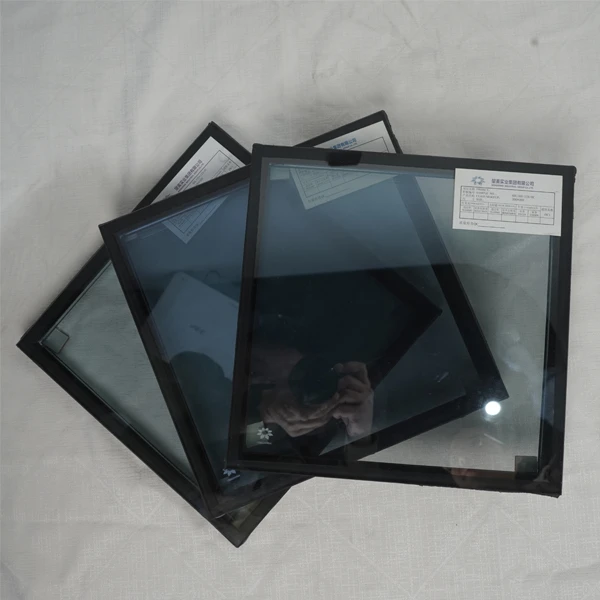
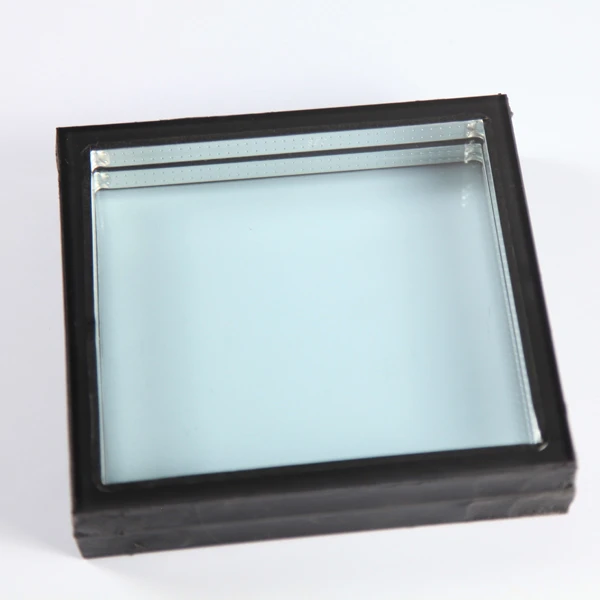
The tropical climate of Vietnam, characterized by intense solar radiation, has shifted the market focus toward heat-reflective and energy-saving materials. Consequently, there is a growing preference for dual low e glass to reduce cooling loads in commercial skyscrapers.

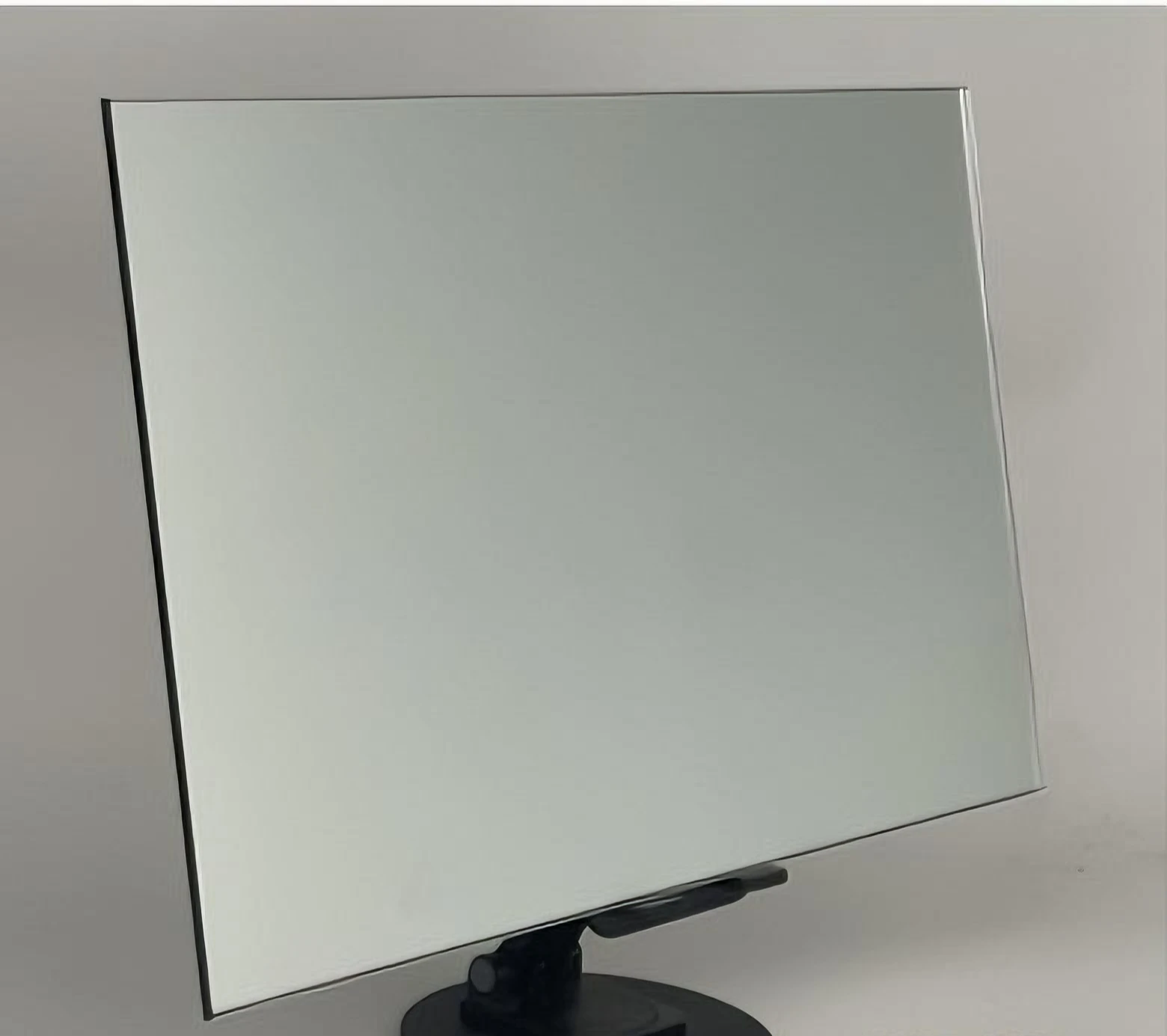
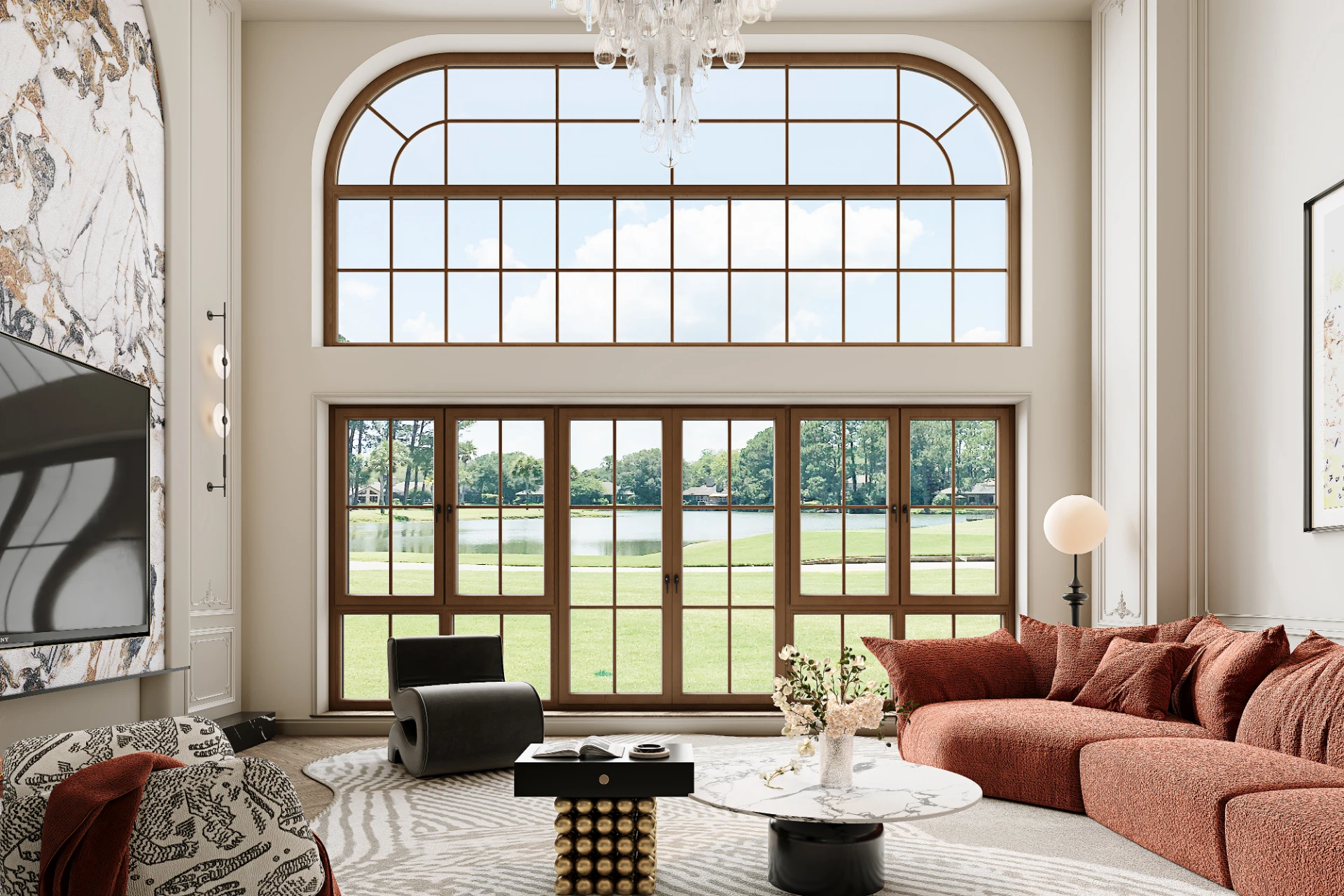
Furthermore, the luxury retail and hospitality sectors in Da Nang and Phu Quoc are increasingly adopting clear glass low iron to maximize natural light penetration while maintaining a minimalist, high-end aesthetic.
Technological Evolution and Development Trajectory

From basic glazing to intelligent thermal control systems.

Market Development History

In the early 2000s, the Vietnamese market was dominated by standard clear float glass, focusing primarily on basic structural integrity and low cost for residential housing.

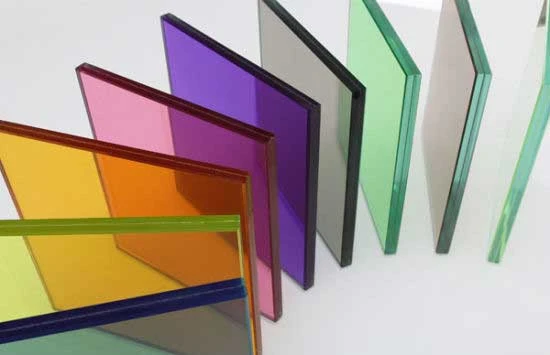
Between 2010 and 2018, the transition toward "Green Building" certifications (LEED, LOTUS) pushed the industry toward specialty coatings. This era saw the introduction of white coated glass to improve privacy and light diffusion in office environments.

From 2019 to the present, the focus has shifted to extreme clarity and thermal efficiency. The adoption of ultra-clear substrates has become the gold standard for premium facades and interior partitions.

Future Development Trends

Integration of Smart Coatings

Expect a rise in electrochromic layers integrated with low-iron substrates to allow dynamic tinting based on sunlight intensity.

Ultra-High Thermal Insulation

The evolution of vacuum-insulated glazing combined with advanced low-emissivity coatings to meet stricter carbon neutrality goals.

Sustainable Manufacturing Processes

Shift toward hydrogen-fueled furnaces and recycled cullet integration to reduce the carbon footprint of the glass production cycle.

Industry Trends and Future Outlook

Forecasting the next 3-5 years of glass technology in the Asian market.

Energy Efficiency Focus
Rapid adoption of Low-E technologies to combat rising electricity costs for air conditioning in urban Vietnam.
Ultra-Clear Aesthetics
Increased demand for Low-Iron glass in the luxury furniture and high-end retail sector across major cities.
Smart Glass Integration
Transition towards active glazing that reacts to UV levels, reducing the need for manual shading.
Sustainable Sourcing
Prioritizing manufacturers with low-carbon certifications to meet Vietnam's Net Zero 2050 commitment.

Industry Outlook

Based on Google search trends in the SEA region, queries for "energy-saving glass" and "ultra-clear architectural glass" are rising by 15% annually. This indicates a clear shift from basic utility to high-performance specifications.

The integration of BIPV (Building Integrated Photovoltaics) is expected to be the next frontier, where glass serves as both a structural element and a power generator for the urban Vietnamese grid.

Localized Application Scenarios in Vietnam

Practical implementations across diverse Vietnamese architectural needs.

1. Luxury Hotel Facades in Da Nang

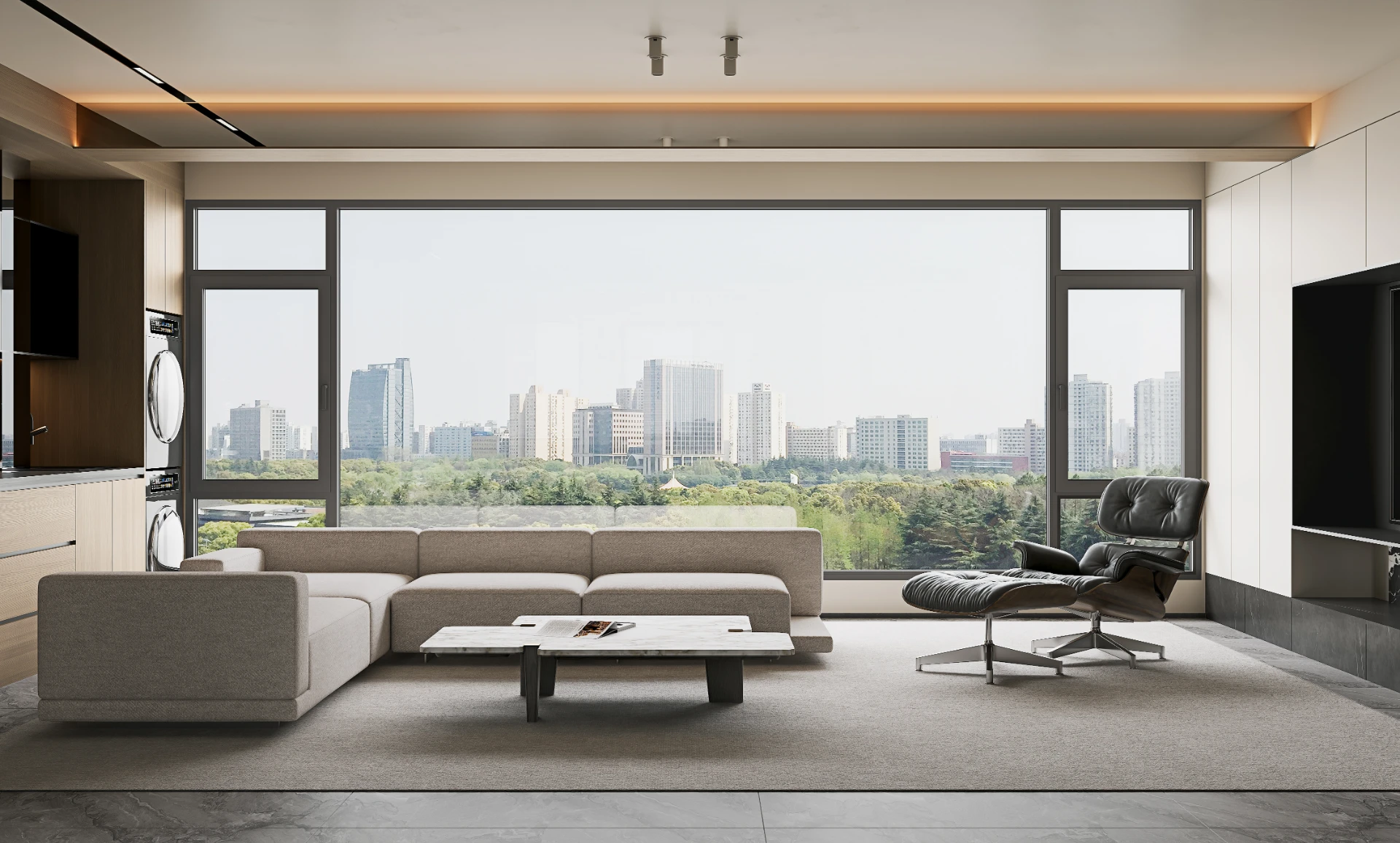
Using low iron glass sheet for sea-view balconies to ensure zero color distortion and maximum sunlight transmission.

2. Corporate Towers in Ho Chi Minh City

Deployment of dual low e glass for curtain walls to drastically reduce solar heat gain in the city's intense heat.

3. High-End Retail Showrooms in Hanoi

Application of clear glass low iron for jewelry and luxury product displays to enhance clarity and visual appeal.

4. Modern Office Partitions

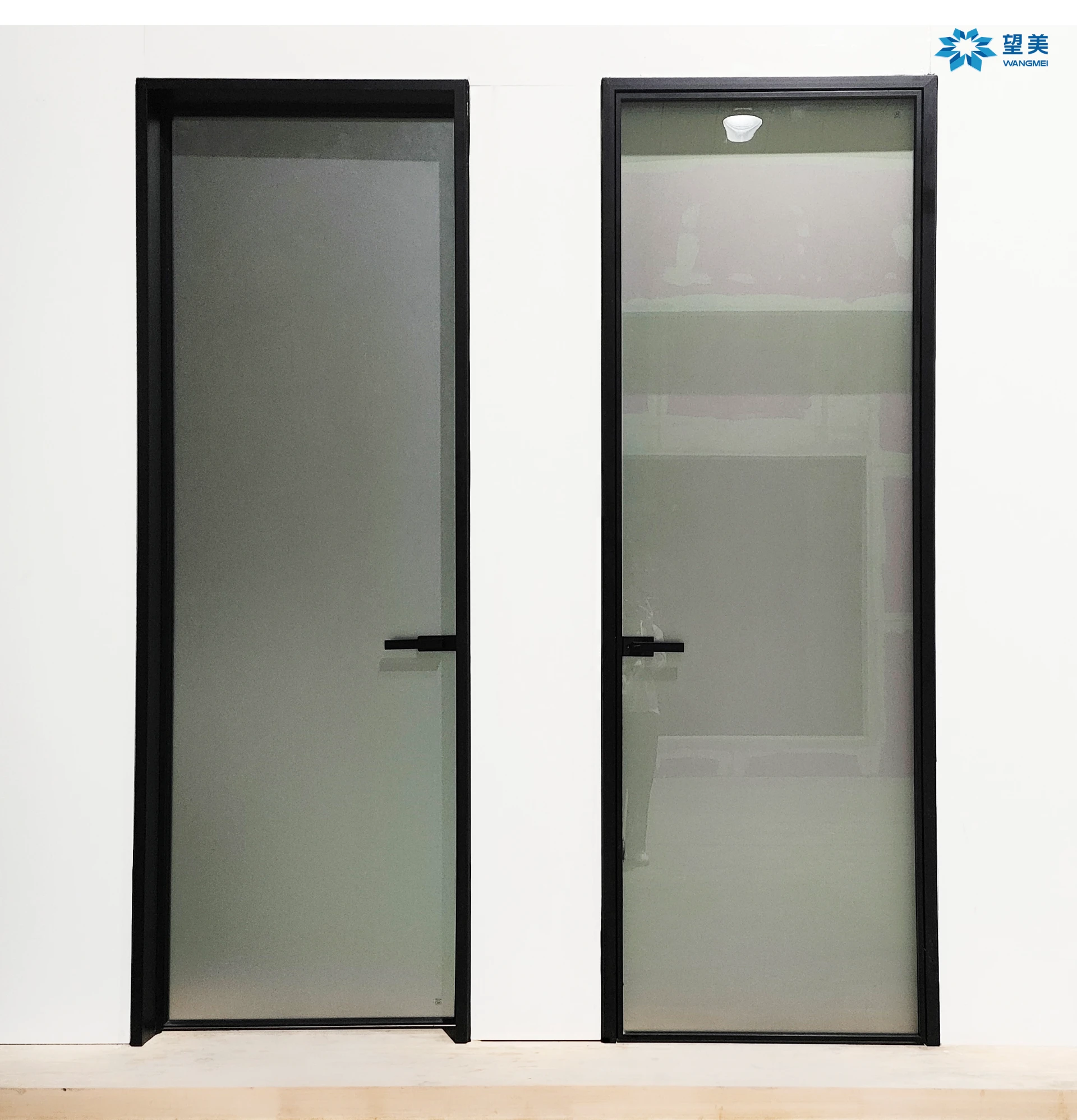
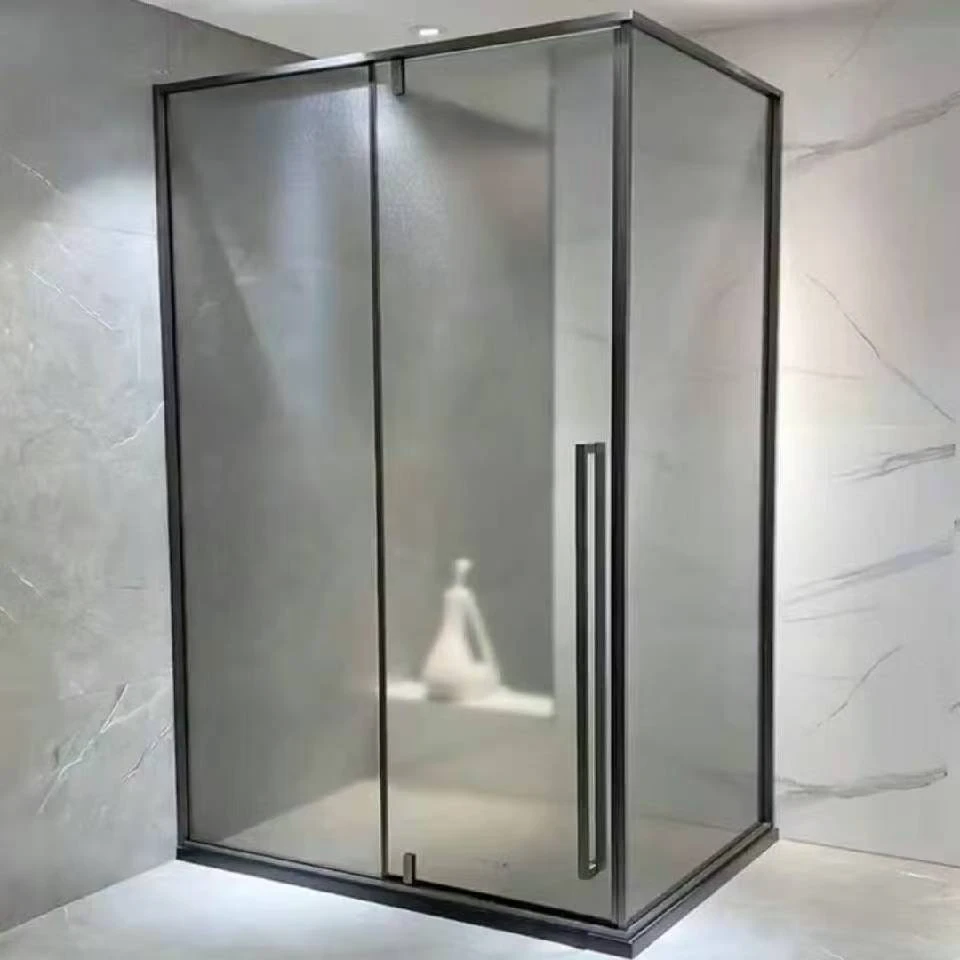
Installation of white coated glass to create a professional, bright atmosphere while providing a degree of visual privacy.

5. Sustainable Residential Villas

Combining standard float glass with energy coatings for eco-friendly homes in the suburbs of Hanoi.

Brand Story

Global Development Journey of Wangmei Industrial Group Co., Ltd.

Industrial Foundation

Established as a pioneer in non-metallic mineral products, focusing on the precision manufacturing of high-grade glass substrates.

Technological Breakthrough

Developed proprietary Low-Iron refining processes to eliminate the green tint, setting new standards for ultra-clear glass.

Global Expansion

Expanded supply chains into Asia, specifically targeting the rapidly growing construction markets of Vietnam and Thailand.

Sustainable Innovation

Invested in Low-E coating technology to solve the global pain point of building energy inefficiency in tropical climates.

Future Vision

Committed to delivering the world's most transparent and energy-efficient glass solutions for a greener urban future.

Complete Glass Portfolio for the Vietnam Market

From standard architectural glass to advanced thermal control solutions.

Frequently Asked Questions - Vietnam Glass Solutions

Expert answers to common technical and procurement queries.

What is the main benefit of using low iron glass sheet in coastal cities like Da Nang?

Low iron glass removes the greenish tint found in standard glass, providing superior clarity and higher light transmission, which is ideal for showcasing beachfront views without color distortion.

How does dual low e glass help reduce electricity costs in Ho Chi Minh City?

It uses two layers of low-emissivity coatings to reflect infrared heat back outside while allowing visible light in, significantly reducing the load on air conditioning systems.

Can clear glass low iron be tempered for safety in public spaces?

Yes, our low-iron substrates are specifically engineered to undergo tempering and heat-strengthening processes without losing their ultra-clear properties.

What are the applications of white coated glass in modern office design?

It is widely used for internal partitions and decorative panels to provide a soft, diffused light effect and a clean, modern aesthetic while maintaining privacy.

Is standard float glass suitable for residential use in Northern Vietnam?

Yes, standard float glass is an excellent, cost-effective choice for residential windows, though we recommend Low-E upgrades for better thermal insulation during winter.

How do I choose between low iron and standard float glass for a retail project?

Choose low iron if the project requires absolute color neutrality (e.g., high-end jewelry) and standard float glass for general structural purposes where color tint is not a concern.

Request a Technical Consultation

Our engineers are ready to provide customized glass specifications for your project in Vietnam.

Contact Us Now

If you are interested in our products, you can choose to leave your information here, and we will be in touch with you shortly.