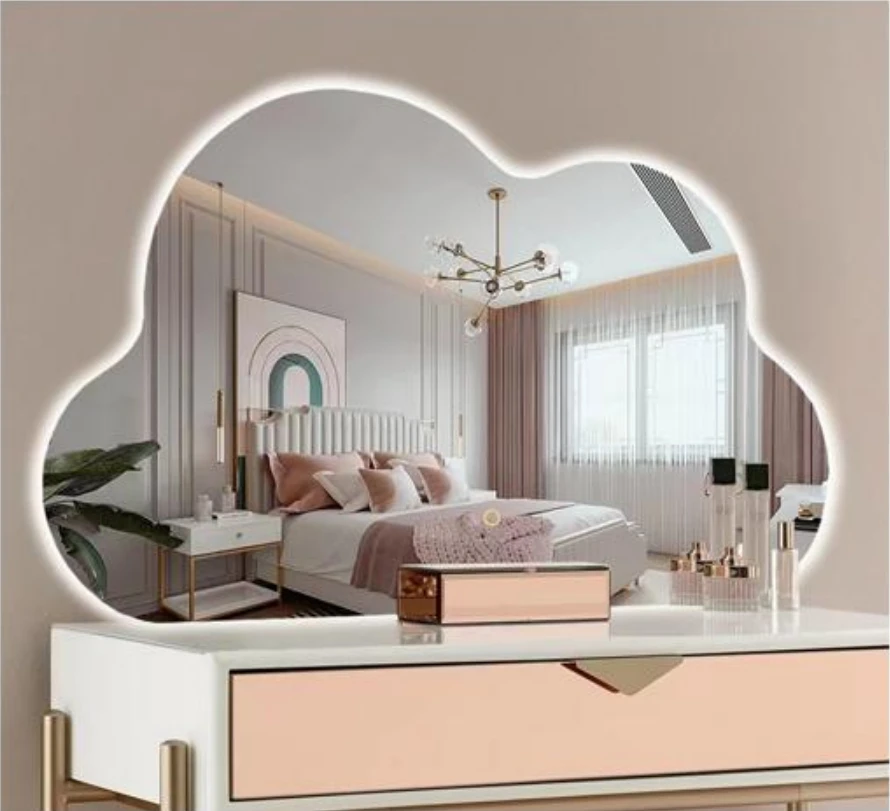
Premium Swiss Architectural Solutions with low iron glass sheet

Precision-engineered flat glass solutions tailored for Switzerland's rigorous energy efficiency standards and luxury architectural demands.

Premium Swiss Architectural Solutions with low iron glass sheet

Integrating advanced material science with Swiss precision to deliver high-transparency and thermally efficient glazing systems for modern infrastructure.

The Current Landscape of Swiss Flat Glass Manufacturing

Balancing aesthetic minimalism with extreme alpine climate resilience.

In Switzerland, the demand for float glass has evolved beyond simple transparency. The Swiss market is characterized by a strict adherence to "Minergie" standards, necessitating glazing that can withstand extreme temperature fluctuations between the Jura and Alps regions while maintaining interior thermal comfort.

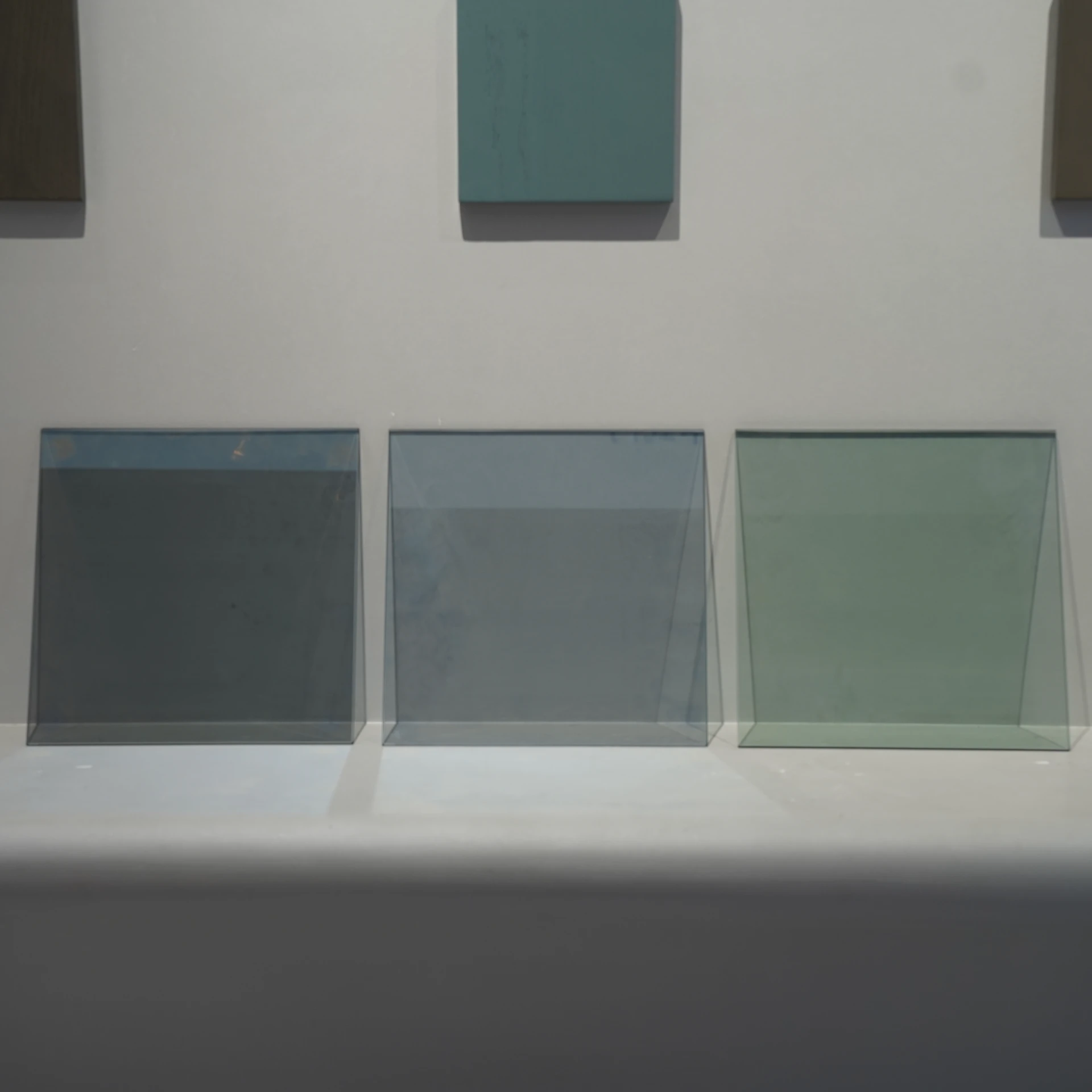
The luxury residential sector in Zurich and Geneva increasingly specifies clear glass low iron to maximize natural light infiltration during shorter winter days. This shift is driven by a desire for seamless integration between high-end interiors and the surrounding natural landscape, reducing the greenish tint found in standard glass.

Furthermore, the Swiss commercial sector is aggressively adopting dual low e glass to meet carbon neutrality goals. The high cost of energy in Switzerland makes high-performance coatings a financial necessity rather than a luxury, pushing the industry toward multi-layered vacuum and coated solutions.
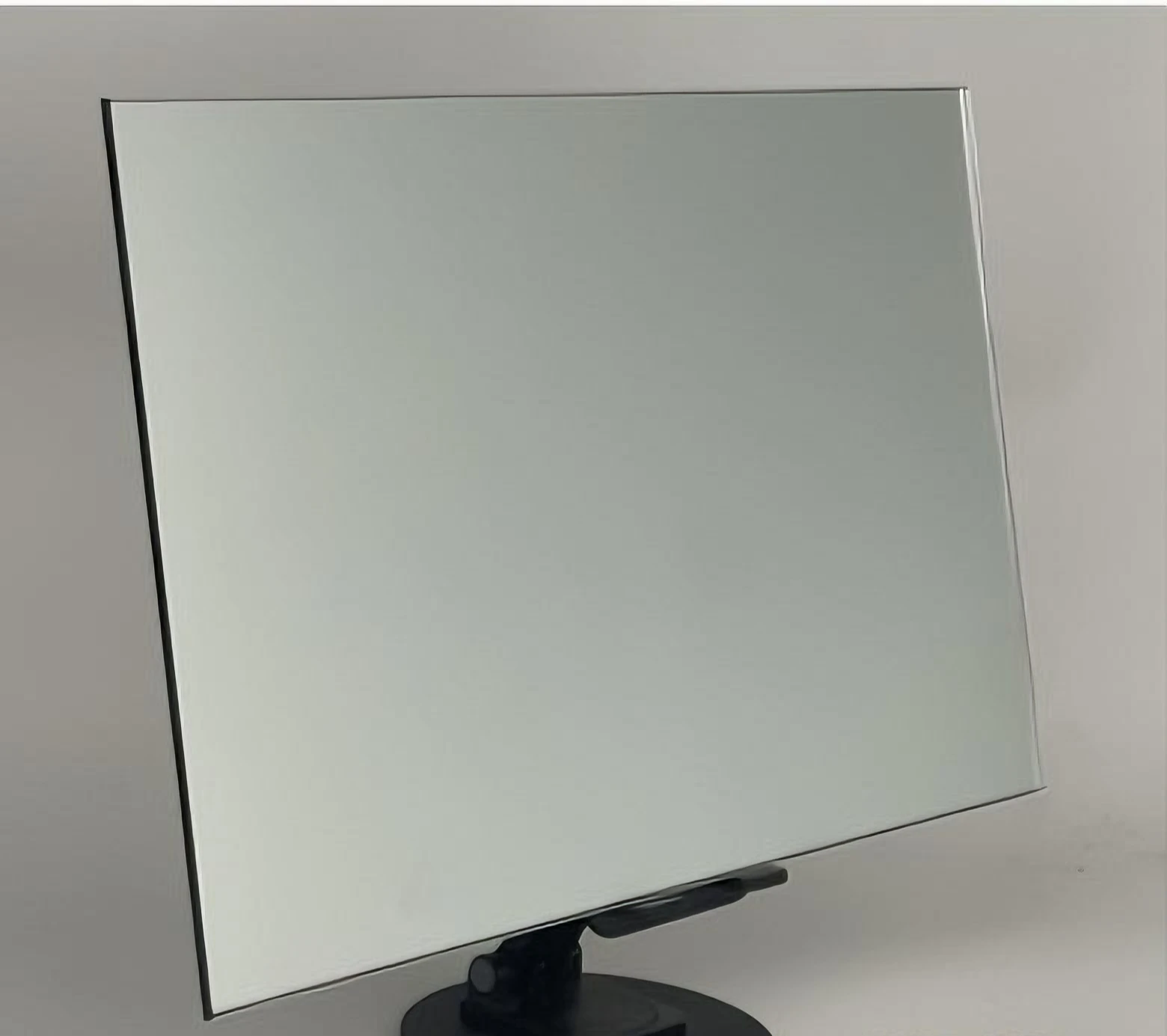
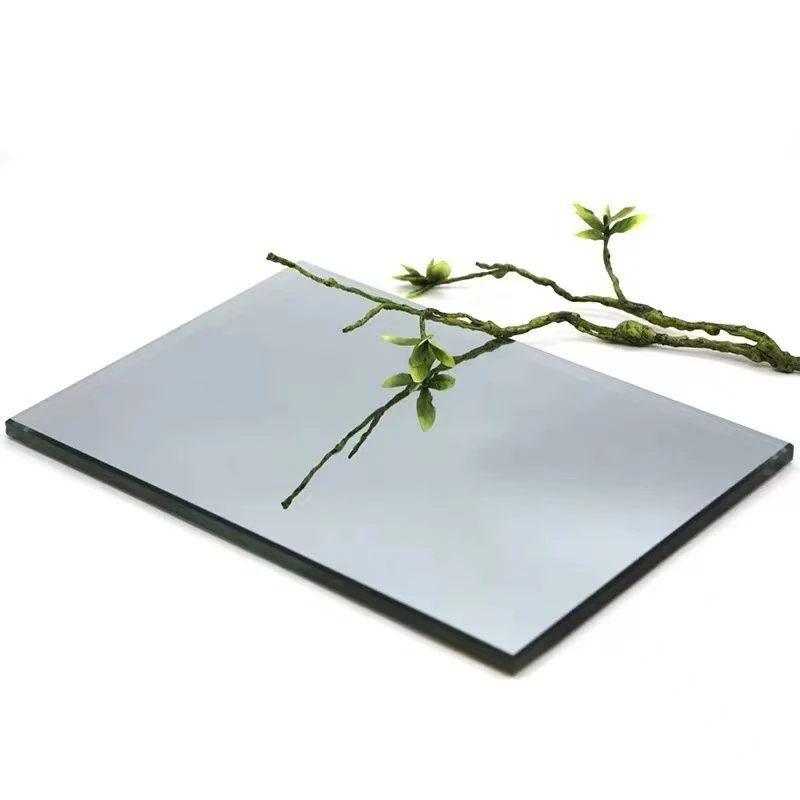
Technical Evolution and Trajectory of Swiss Glazing

From traditional artisanal windows to intelligent energy-harvesting facades.

Market Development History

Historically, the Swiss market relied on heavy, single-pane float glass until the late 20th century. The 1990s marked a pivotal shift toward double-glazing as energy regulations tightened, introducing early versions of low-emissivity coatings to combat heat loss in alpine winters.

By the 2010s, the industry transitioned toward high-clarity materials. The introduction of white coated glass allowed architects to achieve specific privacy and aesthetic goals without sacrificing the luminous efficiency required for sustainable urban planning.

Today, the focus has shifted to "Active Glass." The current era is defined by the integration of dual-layered coatings and ultra-low iron content, ensuring that structural integrity is paired with maximum optical purity and thermal insulation.

Future Development Trends

Vacuum-Insulated Glazing (VIG)

Predicted growth in Swiss luxury renovations where thick frames are prohibited, but thermal performance must match triple-glazing standards.

Smart Dynamic Tinting

An increase in demand for electrochromic layers that respond to the intense high-altitude UV radiation found in the Swiss Alps.

Circular Economy Integration

A move toward 100% recyclable glass compositions, aligning with Switzerland's strict waste management and environmental laws.

Industry Trends and Future Outlook

Strategic foresight for the non-metallic mineral products sector in Switzerland.

Zero-Carbon Manufacturing
Transitioning to hydrogen-fired furnaces to eliminate CO2 emissions in the glass melting process.
BIM Integrated Design
Using Building Information Modeling to optimize glass thickness and coating placement for Swiss facades.
Advanced UV Filtering
Developing multi-spectral filters to protect interiors from high-altitude Swiss solar radiation.
Smart Glass IoT
Integrating sensors within glass sheets to monitor thermal leakage and structural stress in real-time.

Industry Outlook

Based on Google search trends for "sustainable architecture Switzerland," there is a significant spike in queries related to high-thermal-insulation glazing. This indicates that the future of the Swiss market lies in the fusion of aesthetics and extreme energy efficiency.

We anticipate that within the next 3-5 years, the standard for new builds in the region will move from double to triple-pane dual low e glass, further reducing the reliance on active heating systems during the alpine winter.

Localized Applications in Switzerland

Implementing high-performance glass in iconic Swiss environments.

1. Luxury Chalets in St. Moritz

Utilization of ultra-clear low iron glass to provide panoramic views of the Alps without color distortion, paired with high-thermal coatings to maintain warmth.

2. Commercial Hubs in Zurich

Deployment of large-scale float glass facades with dual-silver Low-E coatings to reduce solar heat gain in dense urban environments.

3. Museum Galleries in Basel

Application of clear glass low iron for exhibition partitions, ensuring that art pieces are viewed in their true colors under natural light.

4. Boutique Retail in Geneva

Installation of white coated glass for storefronts to balance the need for interior privacy with the sophisticated aesthetic of the luxury shopping district.

5. Sustainable Offices in Bern

Integration of thermally broken glass systems that utilize dual-coating technology to achieve Minergie-P energy standards.

Brand Story

Global Development History of Wangmei Industrial Group Co., Ltd.

Foundational Precision

Established with a mission to redefine transparency, focusing on the fundamental chemistry of float glass production.

Technological Breakthrough

Developing proprietary low-iron smelting processes to eliminate the green tint, enabling the birth of our ultra-clear series.

Global Expansion

Expanding our footprint into the European market, specifically tailoring products to meet stringent Swiss and EU energy codes.

Sustainable Innovation

Investing in R&D for Dual Low-E and eco-friendly coatings to support the global transition toward net-zero buildings.

The Future of Vision

Striving to provide the world's most precise glazing solutions, solving the pain point of balancing extreme insulation with absolute clarity.

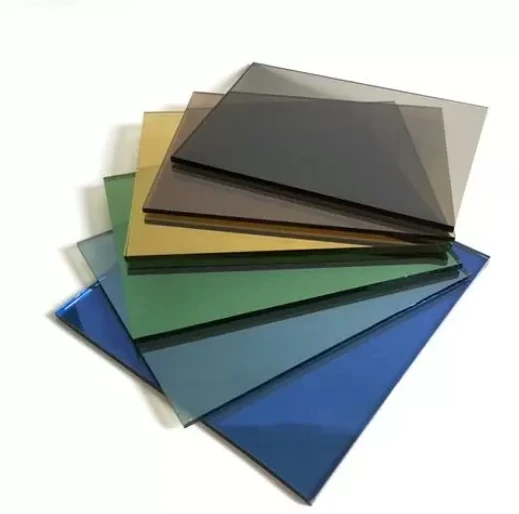
Comprehensive Glass Portfolio for Switzerland

A curated selection of high-performance glazing materials for the Swiss architectural market.

Swiss Flat Glass FAQs

Expert answers to common technical and regulatory questions in the Swiss region.

How does low iron glass sheet improve visibility in alpine architecture?

By reducing the iron oxide content, we eliminate the natural green tint of standard glass, allowing for maximum light transmission and true color rendering of the Swiss landscape.

Can dual low e glass meet Swiss Minergie standards?

Yes, our dual-coated Low-E glass is specifically engineered to minimize U-values and maximize solar heat gain coefficients, perfectly aligning with Minergie's strict energy efficiency requirements.

What are the benefits of white coated glass for urban privacy?

White coated glass provides a sophisticated translucent effect that ensures privacy in dense cities like Zurich while still allowing diffused natural light to penetrate the interior.

Is clear glass low iron suitable for high-altitude UV exposure?

While ultra-clear, we recommend pairing our low-iron glass with specific UV-filtering laminates to protect interiors from the intense solar radiation found in the Swiss Alps.

How is the durability of float glass in extreme Swiss winters?

Our float glass undergoes rigorous tempering and heat-strengthening processes to prevent thermal shock caused by the massive temperature differential between indoor heating and outdoor alpine frost.

What is the lead time for custom low-iron glass sheets in Europe?

Depending on the specifications and volume, we maintain an optimized supply chain to ensure that Swiss architectural projects receive their precision-cut glass within standard industry timelines.

Consult Our Swiss Glass Experts

Ready to elevate your next architectural project in Switzerland? Contact our technical team for customized glazing specifications.

Contact Us Now

If you are interested in our products, you can choose to leave your information here, and we will be in touch with you shortly.