If you've glanced at modern architecture or peeked into your double-glazed windows, chances are you’ve encountered something called low e glass coating. It’s that subtle, almost invisible layer on glass that’s quietly making buildings more energy-efficient, comfortable, and downright smarter. Today, understanding low emissivity coatings isn’t just for glass geeks or architects; it’s becoming a global necessity as the world wrestles with climate change, rising energy costs, and the urgent push for sustainable construction.
In real terms, this technology helps keep heat out during scorching summers and retains warmth on chilly days. It’s not some fancy cosmetic detail but a silent workhorse in the battle for greener cities and lower utility bills.
Energy consumption in buildings accounts for roughly 30% of global carbon emissions according to the International Energy Agency (IEA). With urbanization accelerating—think UN forecasts predicting 68% of the world population living in urban areas by 2050—the demand for efficient building materials is skyrocketing. That’s where low e glass coatings come into the spotlight.
Why? Because they help reduce the energy needed to heat and cool buildings, directly impacting emissions and energy bills. Oddly enough, while many people obsess over solar panels or insulation upgrades, the window glass’s emissivity often gets less attention. This coating addresses a big chunk of that problem by reflecting infrared radiation without compromising visible light.
It’s not just aesthetics or comfort. Many cities in Europe, North America, and parts of Asia have started integrating glass with low e coatings in building regulations — for sustainability certifications like LEED and BREEAM, for example. And with rising global energy prices, such coatings are turning from a “nice-to-have” into a “must-have.”
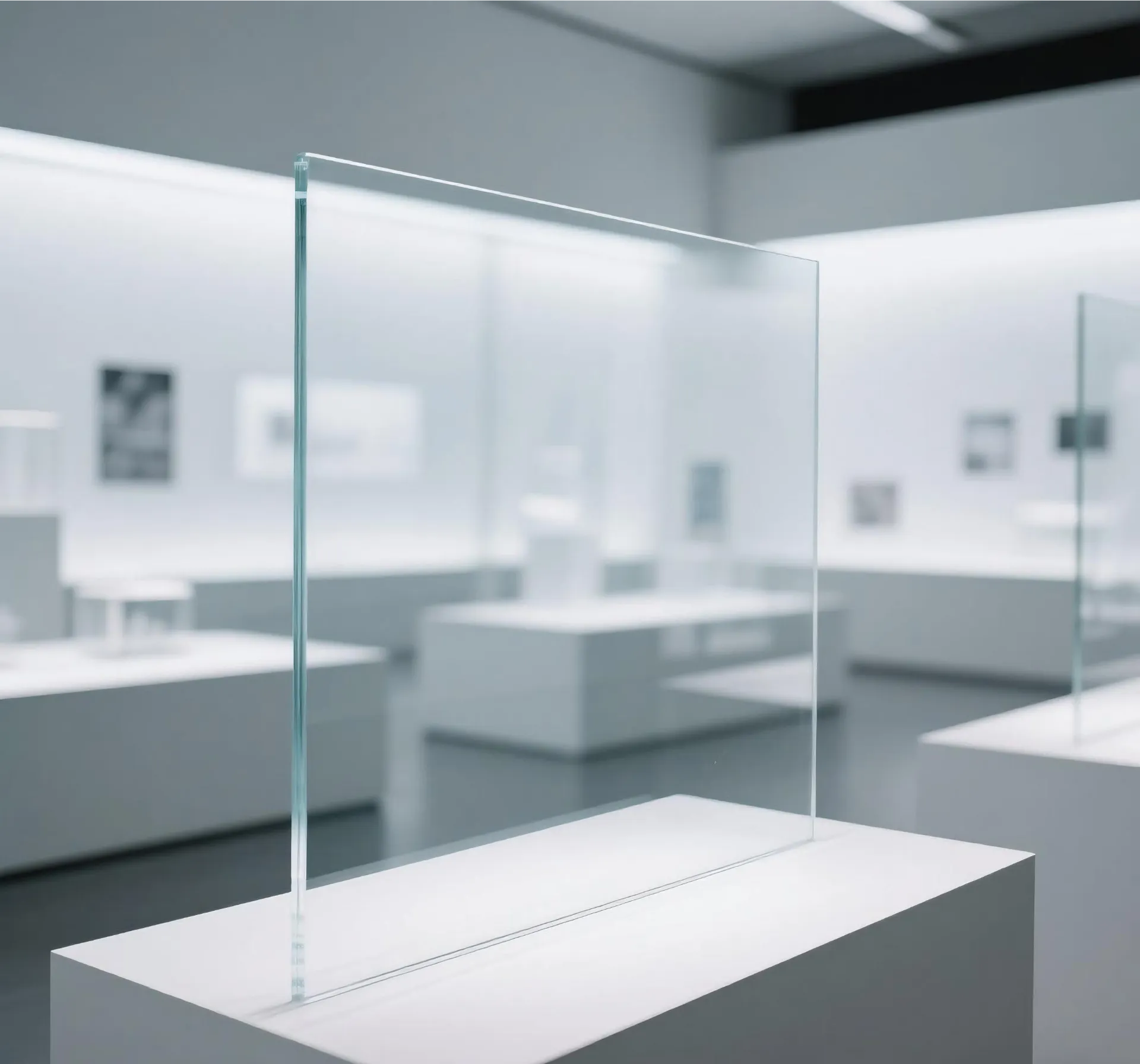
Simply put, low emissivity (low e) glass coating is a microscopically thin, transparent layer applied to glass surfaces to minimize the amount of infrared and ultraviolet light that can pass through without compromising visible light transmission. Imagine a one-way mirror where heat waves bounce off but light stays in (or out) — that’s the basic idea.
The coating typically uses tiny metal or metallic oxide particles embedded right on or inside the glass layer. This technology ties directly to modern industry demands: energy-saving construction materials, better HVAC performance, and, frankly, buildings that can adapt to changing climates.
On a humanitarian note, think about emergency shelters or hospitals in extreme climates that rely on smart glass products to maintain safer indoor conditions with minimal energy input.
A coating is only useful if it lasts — and luckily, modern processes produce low e films meant to endure UV exposure, temperature swings, and cleaning routines for decades. Whether the coating is sputtered on (hard coat) or applied chemically (soft coat), it’s a balance between toughness and optical properties.
The essence of low e coatings is their ability to reflect long-wave infrared radiation, essentially heat. The lower the emissivity value (usually between 0.02 and 0.2), the better the glass’s insulation. Engineers often juggle visible light transmittance too, so interiors stay bright but cool.
Prices vary from budget-friendly hard-coated glass to premium soft-coated versions that offer superior thermal control. While initial costs might be higher, the energy savings pay off over years—sometimes faster than you’d expect.
These coatings aren't just for fancy skyscrapers. Manufacturers can apply them to a wide variety of glass sizes and profiles, making the tech accessible from residential windows to vast industrial glazing.
Besides energy savings, the coatings themselves have minimal environmental footprint during production. Plus, extended building lifespan and reduced HVAC reliance align perfectly with ISO sustainability standards (ISO 14001).
Curious? The coatings can even tweak the glass’s color tint slightly but mostly remain clear, which is great for architects who want clean, modern looks instead of tinted glass.
Low e glass coatings blend durability, cost efficiency, and performance, tipping the scales toward a sustainable future—one pane at a time.
Across North America and Europe, low emissivity coatings have become standard in office buildings, homes, and schools to slash heating and cooling loads. In Australia, where solar heat can be brutal, many designers specify low e glazing to protect interiors without darkening rooms.
Oddly enough, some developing regions are just catching up, partly due to cost but also tech availability. Organizations like Habitat for Humanity have piloted low e glass windows in their disaster recovery housing projects in Southeast Asia, enhancing thermal comfort without ballooning energy needs.
In the automotive industry, low e coatings reduce cabin heat and protect dashboard surfaces. Industrial warehouses and cold storage facilities also employ them to improve climate control.
Even in remote industrial zones—say, mining camps in Canada or oil platforms in the North Sea—low e glass coatings reduce reliance on fuel-heavy heating or cooling.
This technology is no longer confined to fancy buildings but plays a vital role worldwide — from urban high-rises to remote shelters.
Emotions aside, these advantages collectively build trust—in builders, architects, and clients—who want reliable, innovative solutions for year-round comfort that don’t cost the earth.
Looking ahead, the future of low e glass coatings is vibrant. Researchers are exploring next-gen low e coatings that integrate with smart glass tech, allowing dynamic light and heat control on demand. Nano-materials may help develop coatings that fine-tune themselves based on outside weather—kind of like having a window that ‘breathes.’
On the policy side, tighter building codes will nudge adoption beyond industrialized nations, helping developing countries leapfrog to cleaner constructions. Automation in the coating manufacturing process is improving quality and slashing costs, meaning broader scalability.
The marriage of low e glass coatings with solar photovoltaic layers could also create multipurpose glass that generates power while insulating.
Not everything’s perfect. Soft coat low e glass, while thermally superior, can be more delicate and costly. Hard coat types are more durable but slightly less effective. Balancing visible light clarity with thermal insulation remains a tricky dance. Also, retrofitting existing windows can be challenging technically and financially.
Experts suggest hybrid solutions combining coatings with window films or insulated glazing units (IGUs) to bridge these gaps. Plus, new research into tougher coatings and self-cleaning surfaces promises longer-lasting, less maintenance-heavy glass products.
In a world where cutting energy use isn’t optional but essential, low e glass coatings quietly do a lot of the heavy lifting. From improving comfort and lowering bills to supporting global sustainability efforts, they’re smart investments that keep paying dividends.
Curious to explore the latest options or interested in specifics? Visit our website where innovation meets practicality in low e glass coatings for every need.
| Parameter | Hard Coat Low E | Soft Coat Low E |
|---|---|---|
| Emissivity | ~0.15 | ~0.02 |
| Visible Light Transmission | ~80% | ~70% |
| Durability | High (scratch resistant) | Moderate (requires IGU protection) |
| Cost | Lower | Higher |
| Typical Use | Residential, storefront | High-performance buildings |
| Vendor | Type of Coating | Customization | Lead Time | Warranty (Years) |
|---|---|---|---|---|
| WangMei Glass | Soft & Hard coat | Custom thickness & tints | 3-4 weeks | 15 |
| EcoGlas Solutions | Hard coat only | Standard options | 2 weeks | 10 |
| ClearView Tech | Soft coat only | Advanced digital tinting | 4-5 weeks | 20 |
The growing adoption of low e glass coating signals a global pivot to smarter, cleaner, and more efficient building designs. As technology evolves, these coatings will become even more integrated into our daily lives, helping reduce environmental impact while enhancing personal comfort. So next time you glance out a window, remember—there’s more happening on that glass pane than just a view.
References:


If you are interested in our products, you can choose to leave your information here, and we will be in touch with you shortly.