Advanced dual low e glass Solutions for Cameroon Architecture

Providing high-performance thermal insulation and architectural clarity for Cameroon's rapidly expanding urban landscapes.

Advanced dual low e glass Solutions for Cameroon Architecture

Integrating state-of-the-art glass manufacturing technology to meet the specific climatic challenges of the Gulf of Guinea and the interior plateaus of Cameroon.

The Current Landscape of Glass Manufacturing in Cameroon

Analyzing the demand for high-transparency and energy-efficient glazing in Central Africa.

In Cameroon, the glass industry is currently transitioning from basic utility to high-performance architecture. The tropical climate, characterized by high humidity and intense solar radiation in cities like Douala and Yaoundé, has created a critical need for float glass that can withstand extreme weather while maintaining structural integrity.

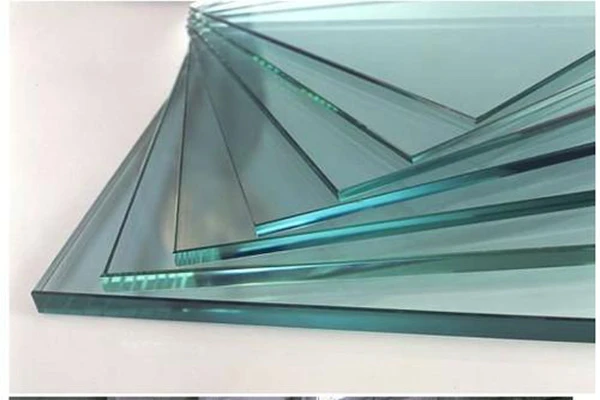
Market trends show a growing preference for high-end commercial facades. Developers are increasingly moving away from standard clear glass toward low iron glass sheet to eliminate the greenish tint typical of standard glass, allowing for maximum natural light penetration without compromising thermal control.

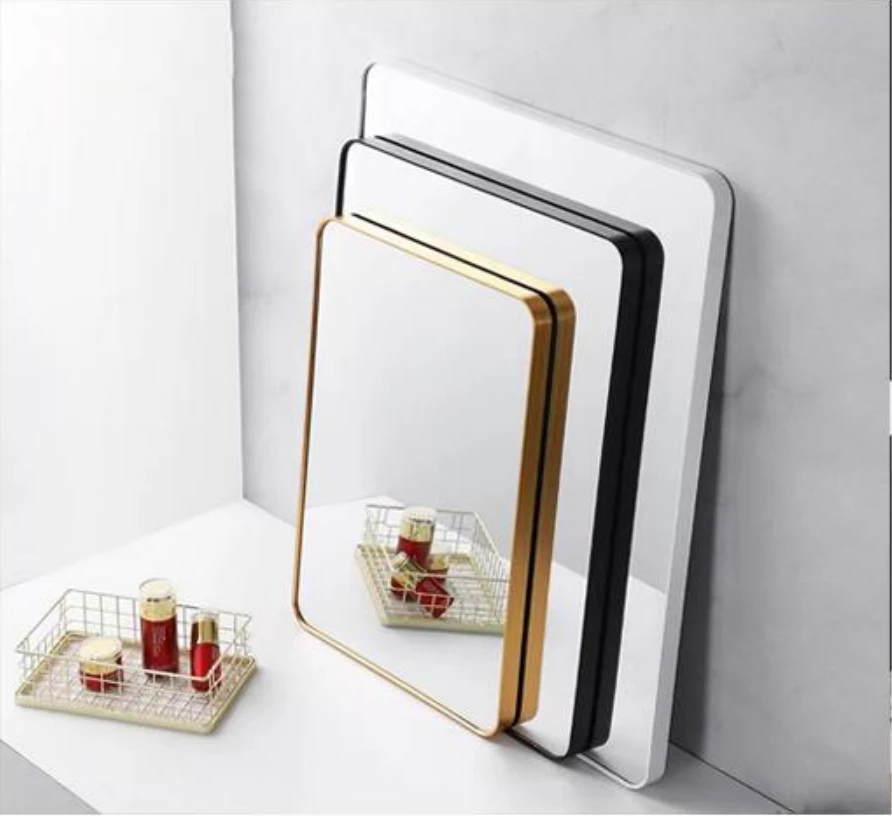
Despite the growth, the local market still faces challenges regarding the availability of specialized coatings. The increasing adoption of white coated glass is becoming a strategic choice for urban projects aiming to reflect heat and reduce the energy load of air conditioning systems in commercial hubs.
Evolution and Technical Trajectory of Glazing in Cameroon

From traditional float processes to the era of smart energy coatings.

Market Development History

Historically, the Cameroon market relied heavily on basic imported clear glass. In the early 2000s, the primary focus was on durability and basic waterproofing for residential structures, where standard thickness was the only variable.

Between 2010 and 2020, a shift toward "Modernist Architecture" occurred. This era saw the introduction of clear glass low iron, which provided the aesthetic clarity required for luxury showrooms and government administrative buildings in Yaoundé.

From 2021 to the present, the focus has shifted toward sustainability. The integration of dual-silver coatings has enabled the market to move toward energy-saving envelopes, marking the transition from passive glazing to active thermal management.

Future Development Trends

Sustainable Urban Cooling

Expect a surge in demand for heat-reflective coatings to combat the urban heat island effect in Douala's dense commercial districts.

High-Transparency Luxury Standards

The shift toward ultra-clear aesthetics will make low-iron specifications the standard for all premium residential and hotel developments.

Smart Glass Integration

Integration of dynamic tints and advanced Low-E layers to automatically adjust to Cameroon's fluctuating sunlight levels throughout the year.

Industry Trends and Future Outlook

Projecting the next 3-5 years of glass technology adoption in the Cameroon region.

Thermal Efficiency Optimization
Focusing on reducing solar heat gain coefficients to lower cooling costs in tropical climates.
Architectural Clarity
Increased adoption of ultra-clear glass for luxury retail and high-end corporate facades.
Green Building Certification
Aligning glass specifications with LEED and EDGE standards for Cameroonian urban projects.
Coastal Durability
Developing salt-resistant coatings for structures along the Kribi and Douala coastlines.

Industry Outlook

Based on Google search trends for "energy-efficient building" and "modern facade design" in Central Africa, we anticipate a significant rise in the integration of multi-functional glass. The shift is moving toward products that offer both high U-values and low solar heat gain.

Furthermore, the growth of the Cameroonian middle class is driving a demand for residential glazing that offers better sound insulation and thermal comfort, pushing the industry toward high-performance insulated glass units (IGUs) using advanced Low-E technology.

Localized Application Scenarios in Cameroon

Real-world deployments of high-performance glass in diverse Cameroonian environments.

01. Luxury Hotels in Kribi Coastline

Using salt-resistant low iron glass sheet to provide unobstructed ocean views while protecting interiors from corrosive maritime air.

02. Corporate Skyscrapers in Douala

Implementing dual low e glass for large curtain walls to significantly reduce the energy consumption of centralized HVAC systems in the humid heat.

03. Modern Retail Showrooms in Yaoundé

Utilizing clear glass low iron to create a seamless visual connection between the street and luxury merchandise, maximizing natural light.

04. Government Administrative Hubs

Deploying white coated glass for reflective facades that maintain interior privacy and reduce glare for office workers.

05. Residential Villas in the West Region

Integrating high-quality float glass for sustainable home design, balancing natural ventilation with thermal protection.

Brand Story

Global Development Journey of Wangmei Industrial Group Co., Ltd.

Foundation and Vision

Established with the mission to redefine glass purity, we began by solving the core problem of iron impurities in standard float glass.

Technological Breakthroughs

Invested heavily in Low-E sputtering technology, allowing us to produce glass that controls heat without sacrificing light.

Global Expansion

Expanded our supply chain to reach emerging markets in Africa, ensuring high-quality architectural glass is accessible globally.

Sustainability Leadership

Pioneered eco-friendly manufacturing processes to reduce the carbon footprint of the glass production cycle.

The Future of Glazing

Continuing to innovate in the field of smart glass and ultra-high performance coatings for the next generation of cities.

Comprehensive Glass Portfolio for Cameroon

A curated selection of high-performance glazing solutions tailored for Central African architectural needs.

Frequently Asked Questions in Cameroon

Expert answers to common technical inquiries regarding glass selection and installation.

How does dual low e glass improve energy efficiency in Douala?

Dual Low-E glass uses two layers of silver coating to reflect infrared heat while letting in visible light, significantly reducing the cooling load in hot, humid cities like Douala.

What is the difference between standard float glass and low iron glass sheet?

Standard float glass has a natural green tint due to iron oxide. Low iron glass sheet removes these impurities, providing superior clarity and true color reproduction for architectural displays.

Can clear glass low iron withstand the high humidity of Cameroon?

Yes, the material properties of low iron glass are identical to standard glass in terms of durability; however, when used in IGUs, it provides excellent moisture protection.

Why choose white coated glass for commercial buildings?

White coated glass provides high reflectivity and solar control, which helps in reducing internal temperatures and creating a modern, bright exterior aesthetic.

Which glass is best for luxury villas in the West Region?

For residential luxury, we recommend a combination of Low-Iron glass for views and Low-E coatings for thermal comfort during cooler highland nights.

How to maintain high-performance glass in coastal areas?

We recommend regular cleaning with non-abrasive materials to remove salt deposits, ensuring the Low-E and reflective coatings maintain their performance.

Get a Professional Glass Consultation

Contact our technical team today to optimize your construction project in Cameroon with the world's leading glazing solutions.

Contact Us Now

If you are interested in our products, you can choose to leave your information here, and we will be in touch with you shortly.