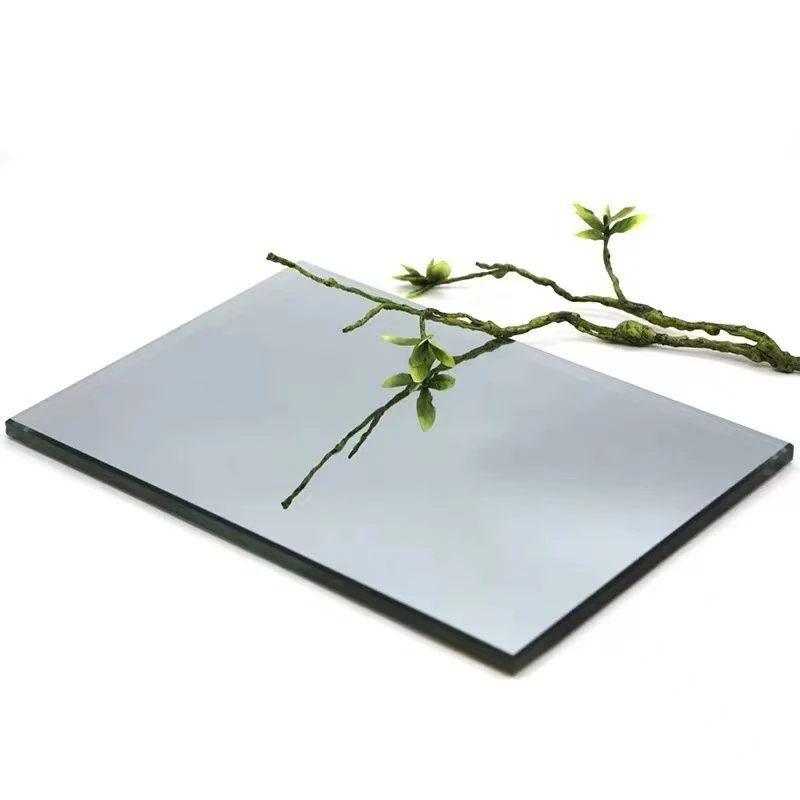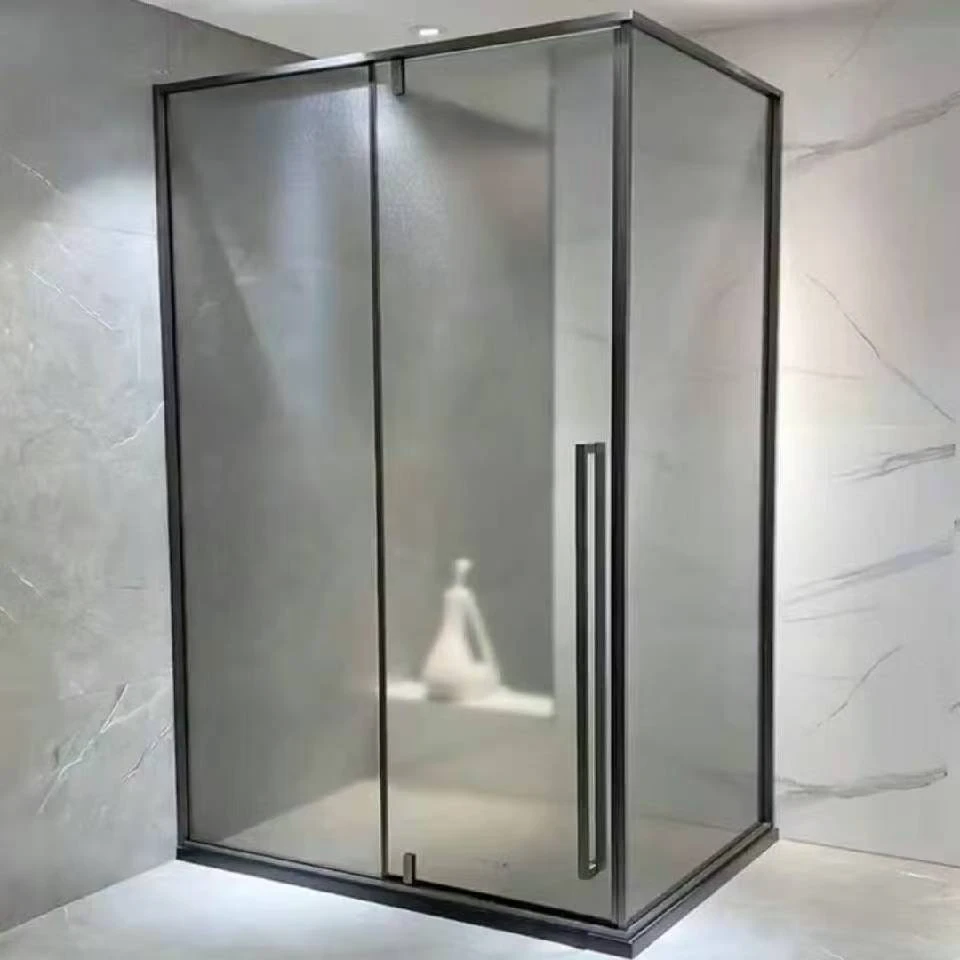
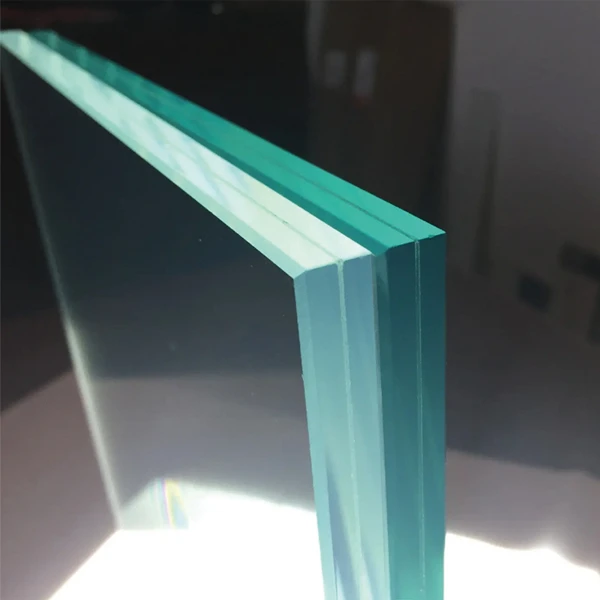
Germany's glass industry is currently defined by a rigorous shift toward "Energiewende" (energy transition). With strict regulations on carbon emissions, there is a surging demand for dual low e glass to reduce heating costs during harsh Central European winters and prevent overheating during the summer.
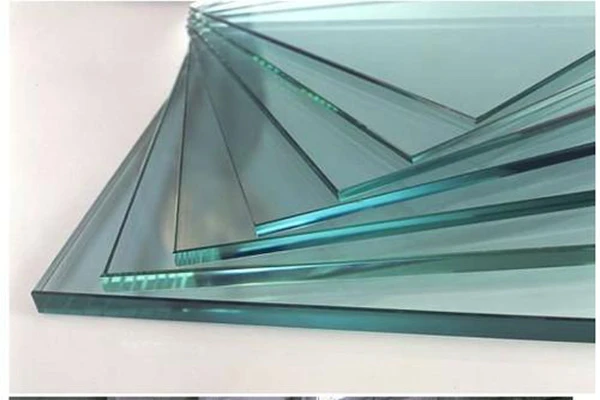
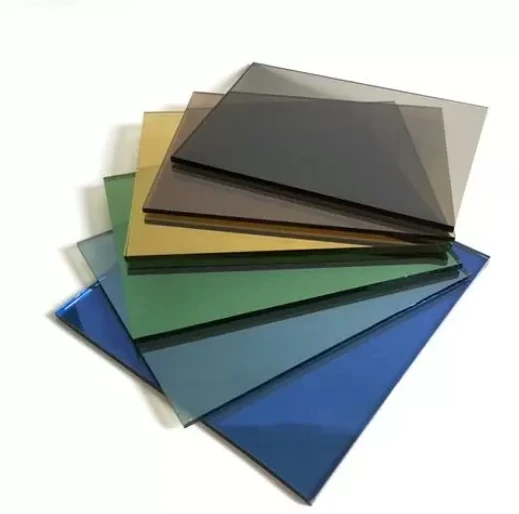
The market is characterized by a preference for extreme precision and durability. The adoption of float glass has evolved from simple construction needs to complex architectural facades in cities like Berlin and Frankfurt, where transparency and structural integrity are paramount.
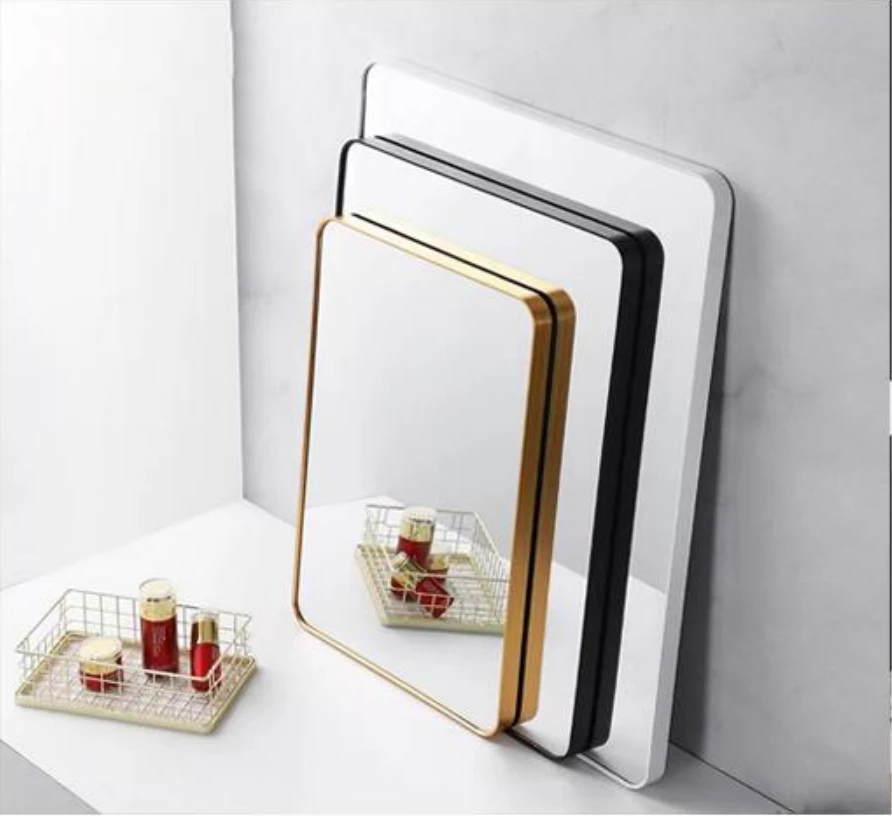
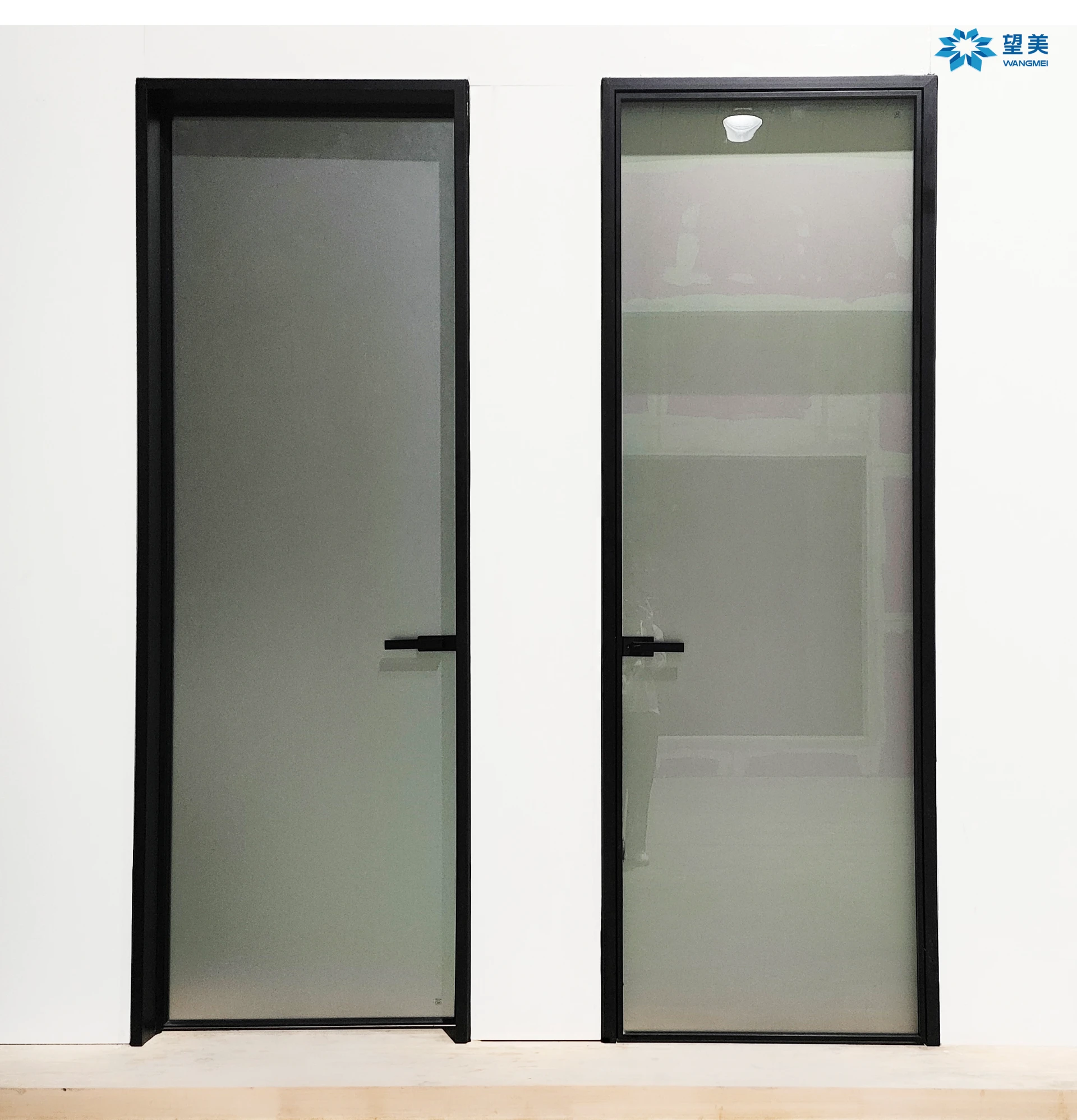
Economically, the German sector is moving away from bulk production toward specialized, high-value-added products. This includes the integration of white coated glass for interior design and specialized laboratory equipment, reflecting the country's strong focus on R&D and industrial engineering.