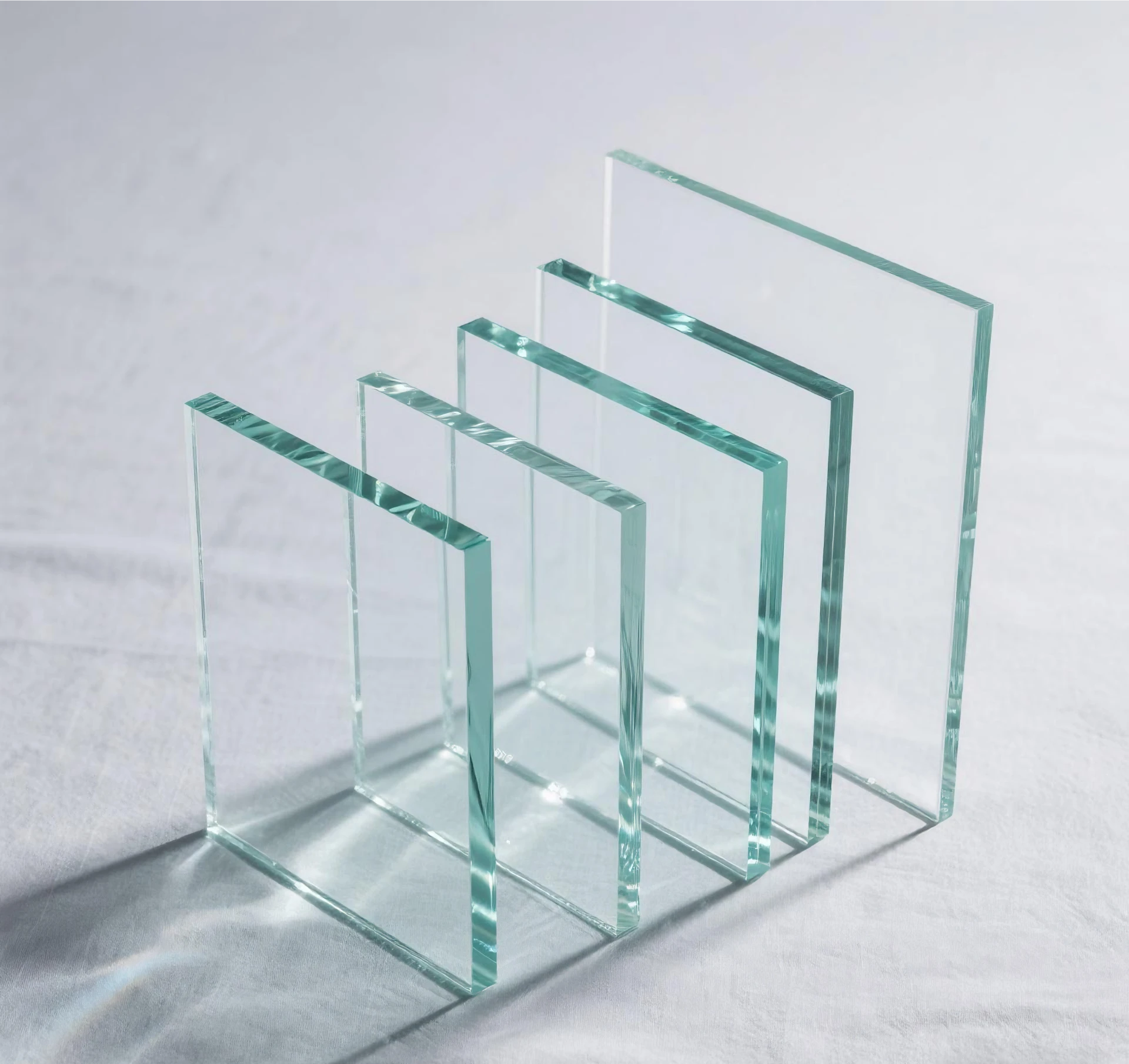
Advanced low iron glass sheet Solutions for Italy's Architectural Excellence

Providing high-transmittance and energy-efficient glazing solutions tailored for the Italian luxury design and sustainable construction market.

Advanced low iron glass sheet Solutions for Italy's Architectural Excellence

Integrating precision manufacturing with Italian aesthetic demands to deliver superior clarity and thermal performance in every pane.

The Landscape of Flat Glass Industry in Italy

Analyzing the synergy between traditional craftsmanship and modern industrial requirements.

Italy stands as a global hub for high-end furniture and architectural design, creating a massive demand for float glass that meets rigorous aesthetic standards. The local market is characterized by a shift towards sustainable "Green Building" certifications, where thermal efficiency is no longer optional but a regulatory requirement.

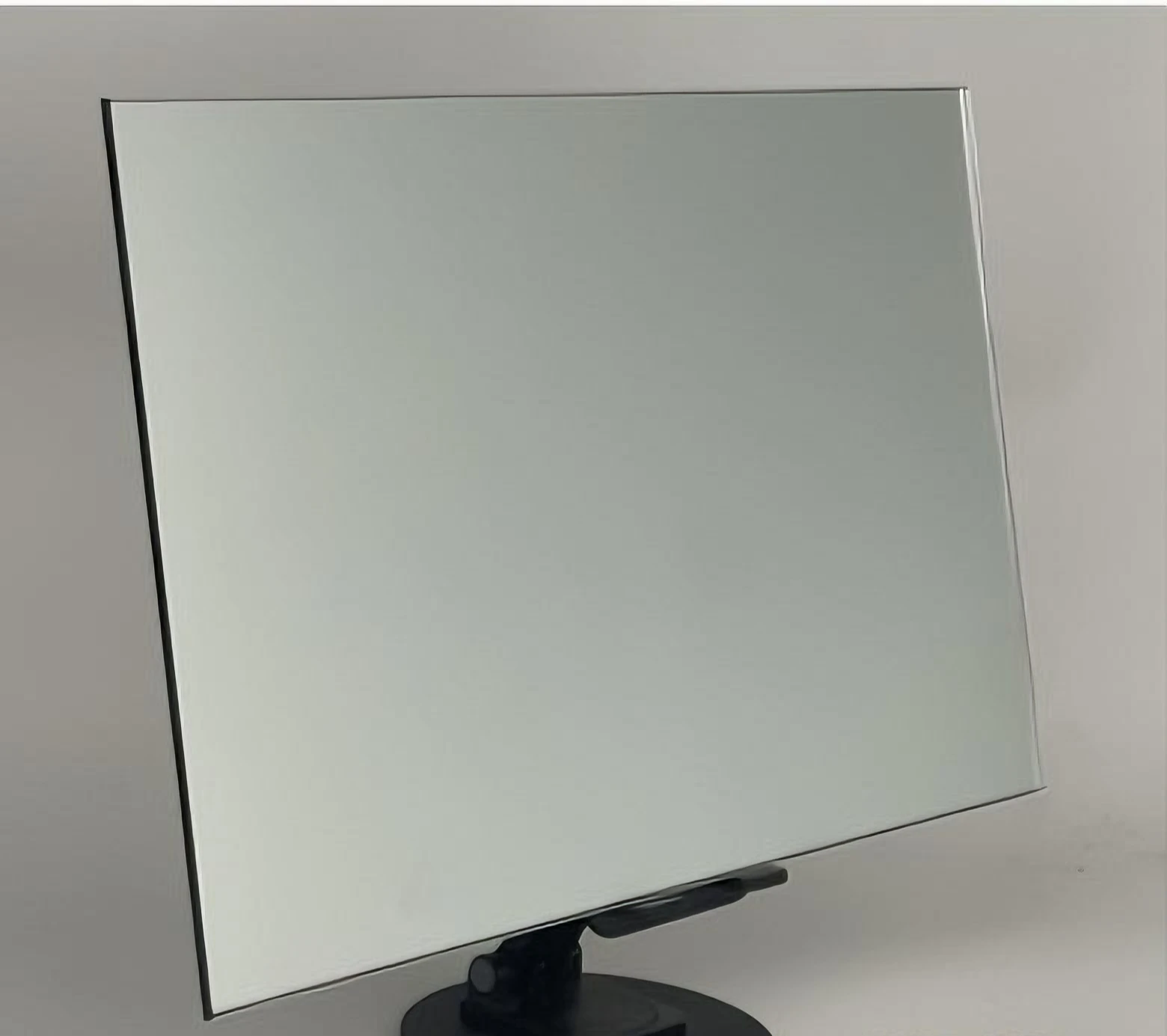
Geographically, the varied climate from the Alpine north to the Mediterranean south necessitates specialized glazing. In the sunny southern regions, there is a surging demand for dual low e glass to combat solar heat gain while maintaining natural luminosity.

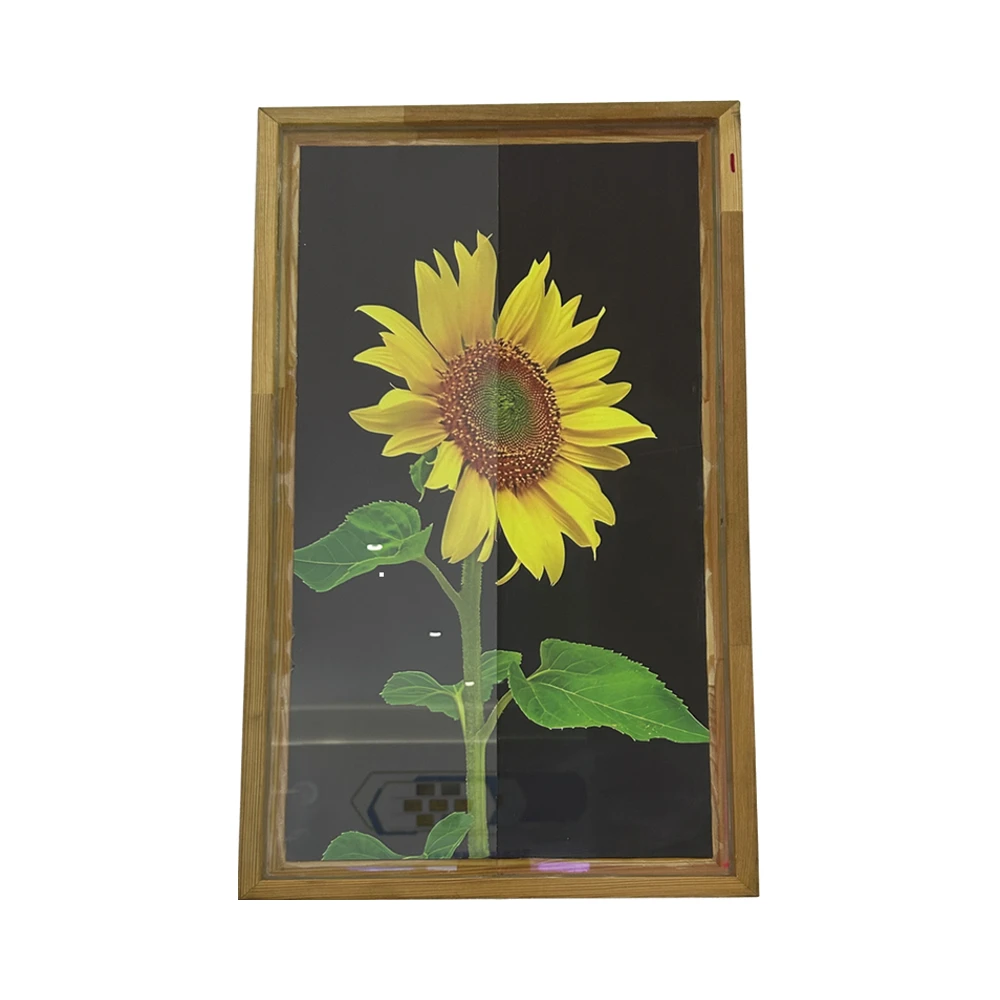
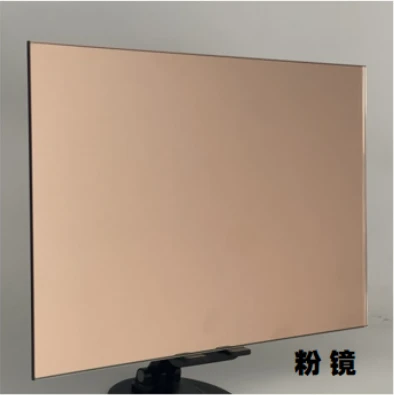
Economically, Italian manufacturers are increasingly integrating automated processing lines to handle specialized materials like white coated glass, ensuring that the transition from raw sheets to finished interior components remains seamless and precise.
Evolution and Technological Trajectory of Italian Glazing

From traditional float processes to high-performance spectral control.

Market Development History

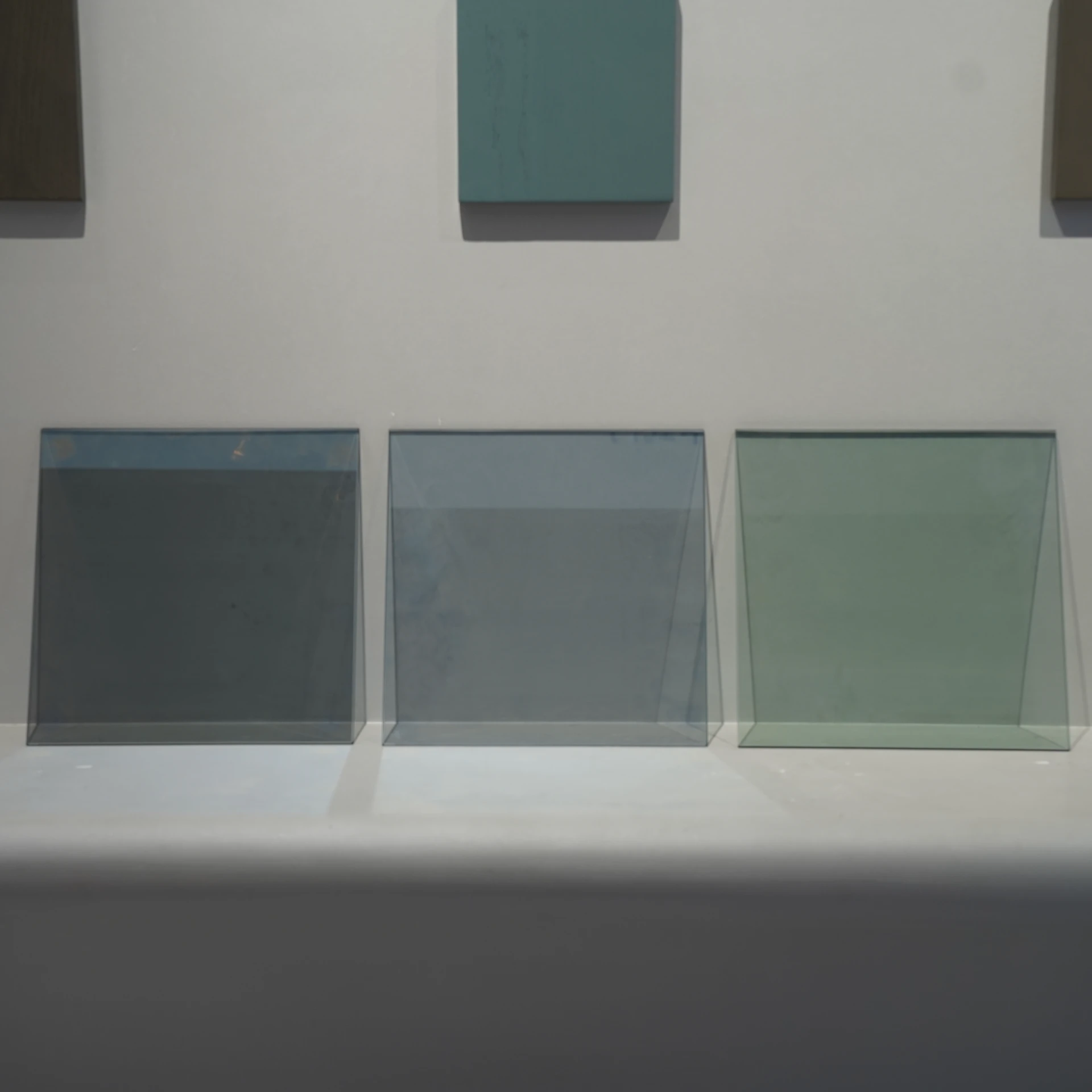
During the late 20th century, the Italian market relied heavily on standard float glass. However, by the early 2000s, the rise of luxury retail and museum design in cities like Milan and Florence triggered a transition toward clear glass low iron to eliminate the green tint typical of standard glass.

Between 2010 and 2020, the focus shifted toward energy legislation. This era saw the widespread adoption of Low-E coatings, evolving from single-layer to complex multi-layer systems to meet the European Energy Performance of Buildings Directive (EPBD).

In recent years, the integration of "smart" coatings has become the new benchmark, where specialized white coated glass is used not only for privacy but as a functional element in modular interior design.

Future Development Trends

Carbon-Neutral Production

Transitioning toward hydrogen-powered furnaces to reduce the carbon footprint of float glass production in alignment with EU 2050 goals.

Dynamic Solar Control

The rise of electrochromic layers integrated with low-iron substrates to allow real-time adjustment of light transmission.

Circular Economy Integration

Implementing closed-loop recycling systems where cullet is repurposed into high-clarity sheets without losing optical purity.

Industry Trends and Future Outlook

Strategic foresight into the next 5 years of flat glass technology.

Ultra-High Transparency
Growing demand for zero-tint glazing in luxury showrooms and high-end galleries.
Advanced Thermal Insulation
Integration of vacuum glazing and multi-silver Low-E layers for extreme climates.
BIM-Integrated Design
Seamless coordination between glass specifications and digital architectural twins.
Functional Coating Hybridization
Combining self-cleaning properties with high-performance solar control.

Industry Outlook

Based on Google search trends for "sustainable architecture Italy", there is a clear correlation between the rise in energy prices and the search volume for high-performance glazing. We predict a significant increase in the adoption of triple-pane configurations utilizing dual low-E technology.

Furthermore, the shift toward "minimalist transparency" in luxury villas suggests that low-iron substrates will become the standard rather than a premium option, driving the industry toward higher volume production of high-purity glass.

Localized Application Scenarios in Italy

Tailored glazing solutions for diverse Italian architectural needs.

01. Luxury Retail Boutiques in Milan

Implementing ultra-clear glazing to showcase high-fashion collections without color distortion, ensuring products appear in their true hue.

02. Energy-Efficient Renovations in Rome

Utilizing high-performance coatings to protect historical interiors from UV degradation while meeting modern energy efficiency standards.

03. Modern Villa Facades in Lake Como

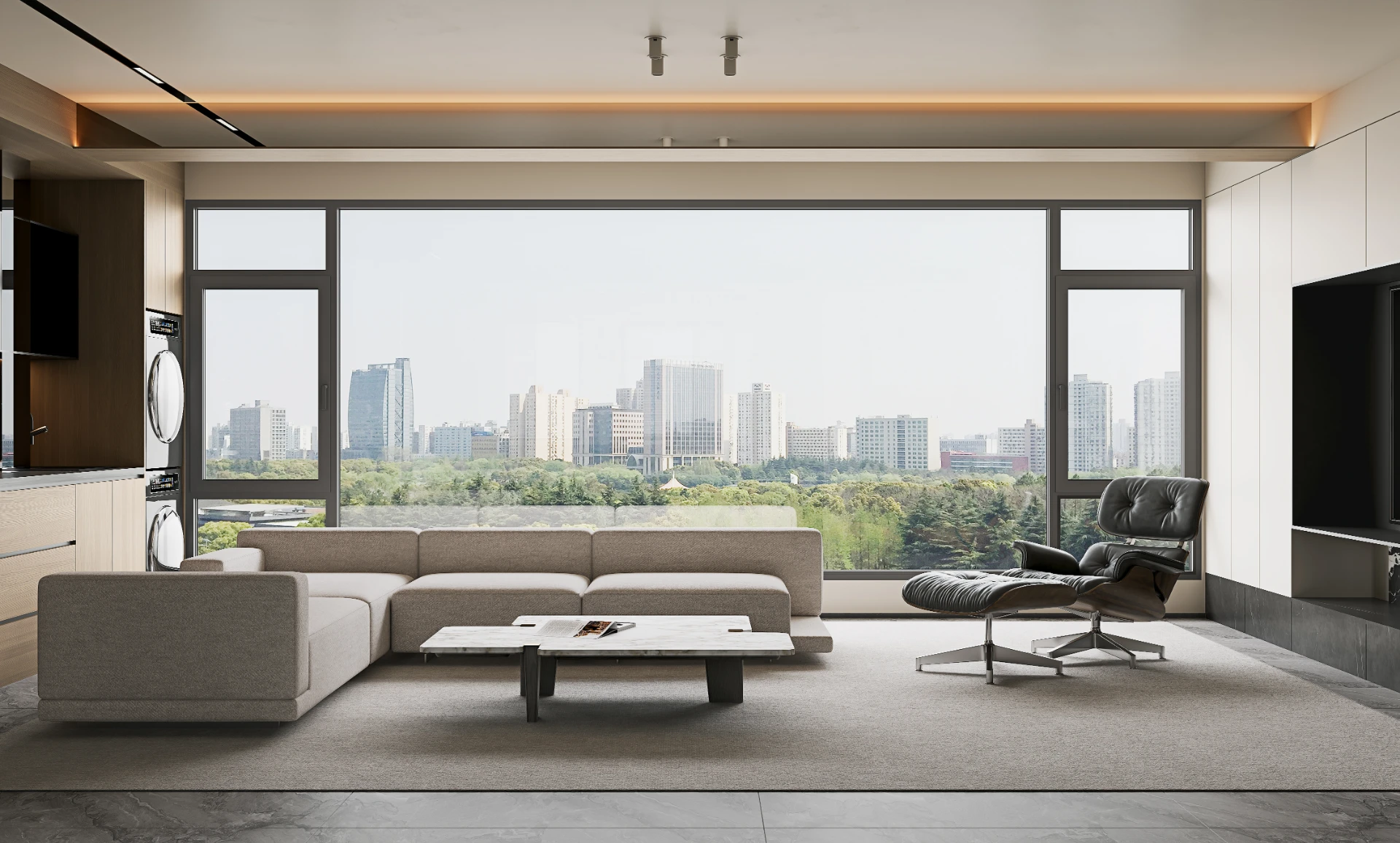
Installing oversized glass walls that blend the interior living space with the natural landscape through maximum light transmission.

04. Corporate Offices in Turin

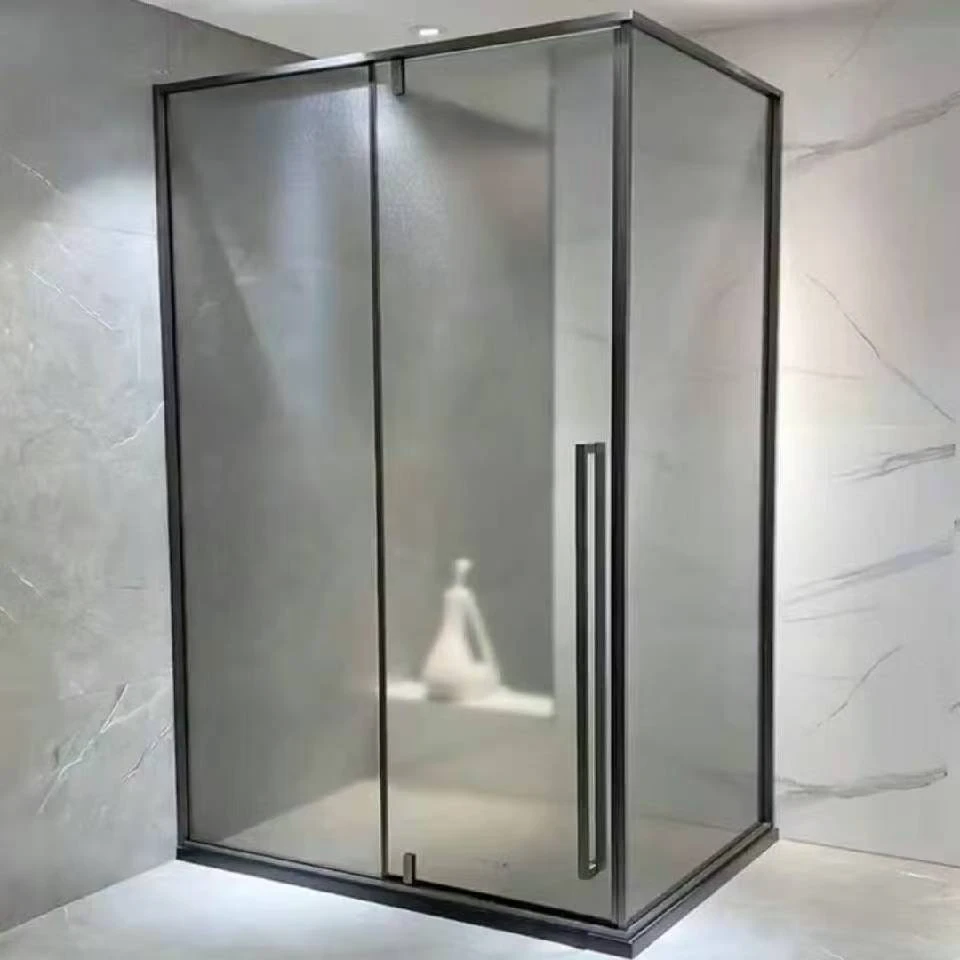
Integrating thermal control glass to reduce cooling costs during summer peaks while maintaining a professional, transparent aesthetic.

05. Contemporary Art Museums in Venice

Deploying specialized security and low-iron glass for exhibits, protecting invaluable art from environmental factors and humidity.

Brand Story

Global Development History of Wangmei Industrial Group Co., Ltd.

Foundational Precision

Established with a mission to solve the inconsistency of glass purity in industrial manufacturing.

Technological Breakthrough

Perfecting the low-iron float process to achieve industry-leading light transmittance levels.

Global Market Expansion

Extending our footprint into the European market, specifically focusing on Italy's high-design requirements.

Innovation in Coatings

Developing advanced Low-E and coated solutions to address global climate change and energy crises.

Sustainable Future

Committing to carbon-neutral production and circular economy practices in glass manufacturing.

Comprehensive Product Portfolio for the Italian Market

From raw substrates to specialized coated glass for every architectural application.

Common Inquiries for Glass Solutions in Italy

Expert answers to technical and commercial questions regarding flat glass.

What are the main advantages of using low iron glass sheet over standard float glass?

Low iron glass significantly reduces the iron oxide content, eliminating the green tint. This results in higher light transmission and superior color rendering, which is essential for high-end Italian architectural projects.

How does dual low e glass improve energy efficiency in Mediterranean climates?

Dual Low-E glass uses two layers of metallic coatings to reflect heat back to its source—keeping interiors cool in summer and warm in winter, thereby reducing HVAC energy consumption significantly.

Is clear glass low iron suitable for tempered and laminated processing?

Yes, it is highly compatible. Because of its high purity, it maintains its clarity even after multiple layers of lamination or the thermal stress of tempering.

What is the durability of white coated glass in high-humidity coastal areas?

Our white coated glass is engineered with advanced adhesion technology, ensuring it resists peeling and corrosion even in salt-heavy coastal environments like Venice.

Can you provide custom sizes for large-scale architectural float glass projects?

Yes, we offer jumbo sizes that minimize joints in curtain walls, providing the seamless transparency required for modern corporate buildings in Italy.

How do I certify that the glass meets European energy standards?

All our high-performance sheets come with detailed technical datasheets including U-value and g-value certifications compatible with EU building regulations.

Consult Our Glass Experts

Ready to elevate your next project in Italy? Contact us for customized technical specifications and competitive wholesale pricing.

Contact Us Now

If you are interested in our products, you can choose to leave your information here, and we will be in touch with you shortly.