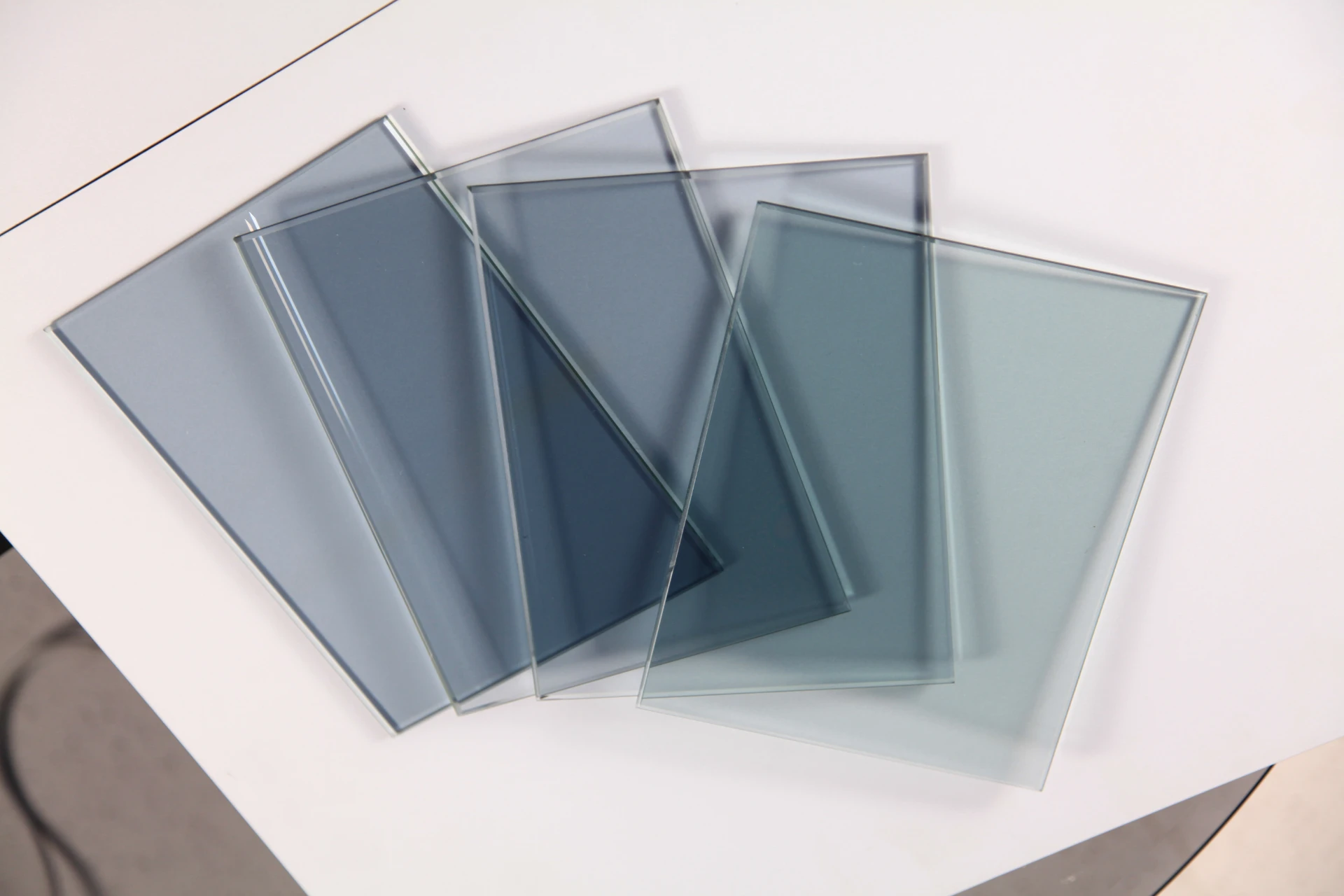
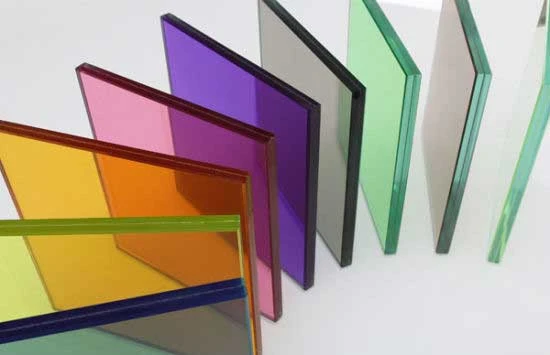
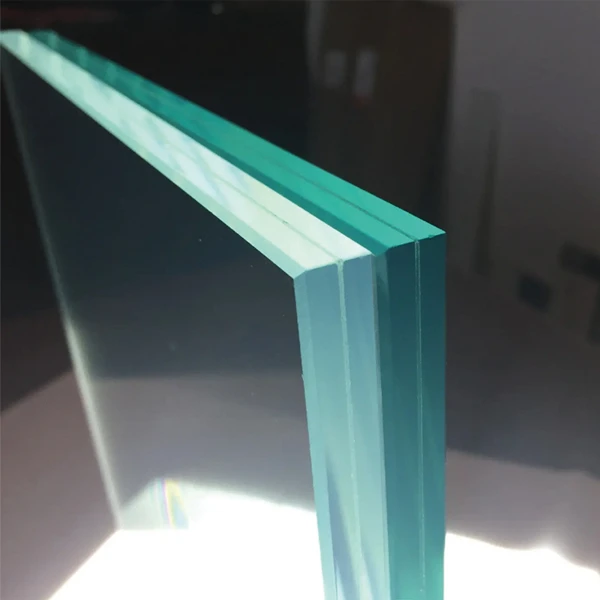
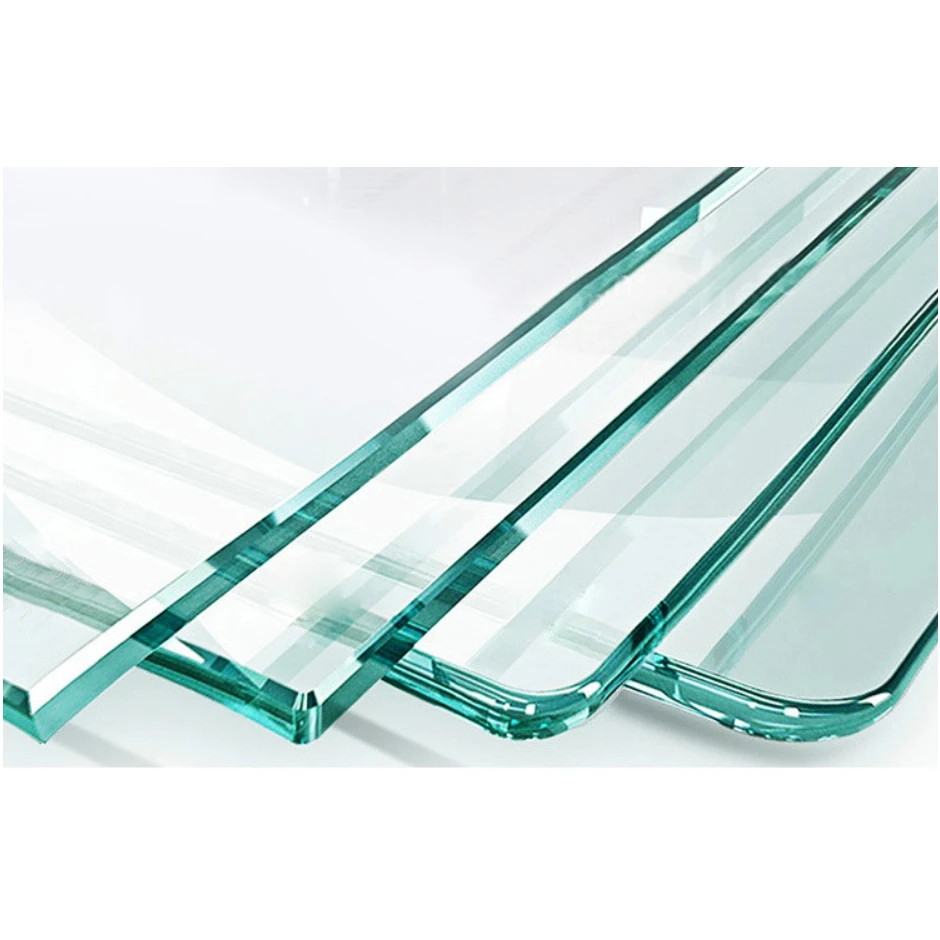

Advanced low iron glass sheet Solutions for the UK Market

Engineering high-transparency and energy-efficient architectural glass tailored for the United Kingdom's rigorous building standards and unique climatic demands.

Advanced low iron glass sheet Solutions for the UK Market

Providing the British construction industry with premium, high-clarity glass products that balance aesthetic brilliance with thermal performance.

The Current State of Glass Manufacturing in the United Kingdom

Analyzing the intersection of British architectural heritage and modern sustainability mandates.

The United Kingdom's glass market is currently defined by a strict transition toward Net Zero targets. With the UK's often overcast climate and fluctuating temperatures, there is a surging demand for dual low e glass to reduce heat loss in residential and commercial properties, significantly cutting carbon emissions from heating.

Architecturally, London and other major UK cities are seeing a rise in high-transparency facades. The preference for clear glass low iron has increased as developers seek to maximize natural light penetration—a critical factor in the UK's winter months to improve occupant well-being and reduce artificial lighting energy.

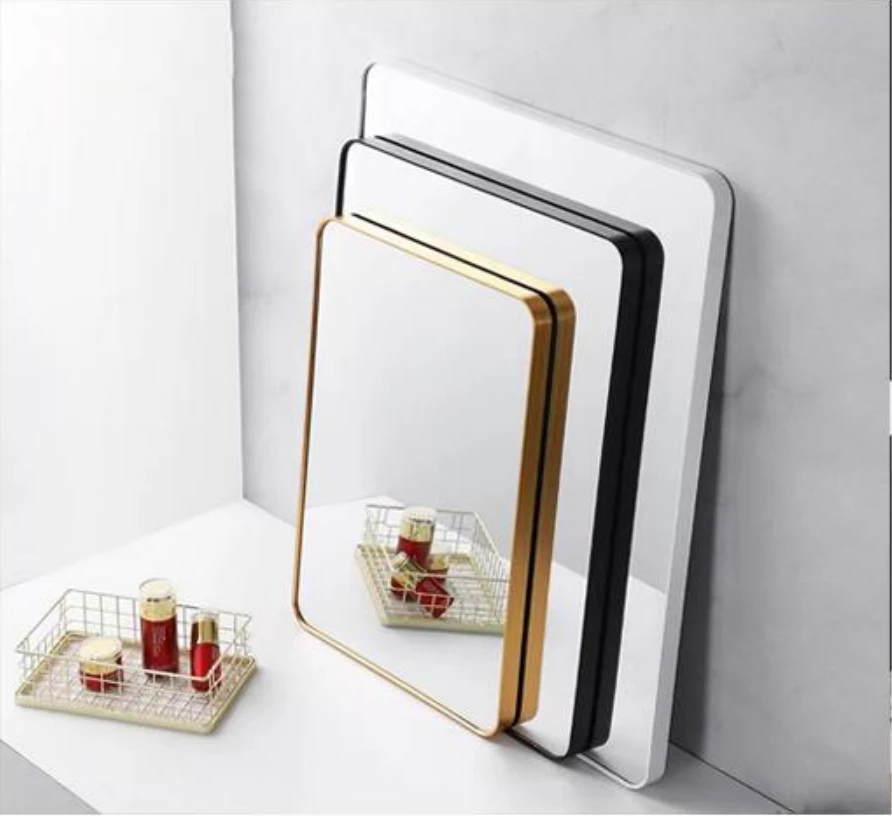
Furthermore, the domestic manufacturing landscape is shifting toward specialized coatings. The integration of white coated glass is becoming a staple in high-end interior design and sanitary installations across the UK, providing a clean, minimalist aesthetic that aligns with modern British interior trends.

Evolution and Technical Trajectory of Float Glass

From industrial standardization to the era of high-performance functional glazing.

Market Development History

In the mid-20th century, the UK's glass industry relied heavily on standard float glass production, which provided the necessary scale for post-war reconstruction but lacked specific thermal or optical properties.

By the 1990s and early 2000s, a technical pivot occurred with the introduction of low-emissivity coatings. The shift from single-pane to double and triple glazing became mandatory in many UK building codes to combat the damp, cold Atlantic climate.

From 2010 to the present, the focus has moved toward "Ultra-Clear" technology. The removal of iron oxide impurities led to the widespread adoption of low-iron series, enabling a level of transparency that was previously unattainable in standard float processes.

Future Development Trends

Vacuum Insulated Glass (VIG)

Expected to dominate the UK retrofit market, offering the thermal insulation of a thick wall with the slim profile of a single pane.

Dynamic Smart Glass

Integration of electrochromic layers that allow UK office buildings to tint automatically based on sunlight intensity, reducing HVAC loads.

Circular Economy Recycling

A move toward 100% closed-loop glass manufacturing, utilizing advanced cullet processing to reduce the energy intensity of the melting process.

Industry Outlook and Future Projections

Predicting the technological shifts in the UK non-metallic mineral products sector.

Thermal Efficiency Optimization
Increasing adoption of high-performance coatings to meet UK Part L Building Regulations for energy efficiency.
Ultra-Clear Aesthetics
Growth in the demand for low-iron glass to achieve a "invisible" look in luxury retail and gallery spaces.
Sustainable Sourcing
Implementation of low-carbon melting technologies to align with UK environmental ESG reporting.
Digital Integration
Using BIM (Building Information Modeling) for precise specification of glass types in UK construction projects.

Industry Outlook

Based on Google search trends in the UK, there is a significant increase in queries relating to "energy saving windows" and "ultra clear glass." This indicates a consumer-driven push for higher efficiency and better aesthetics in residential renovations.

Over the next 3-5 years, the UK market will likely move toward integrated functional glass that combines solar control, thermal insulation, and self-cleaning properties into a single substrate, reducing the need for multiple layering processes.

Localized Glass Applications in the United Kingdom

Real-world implementation of high-performance glass in diverse British settings.

01. London Financial District Facades

Utilization of high-spec float glass and Low-E coatings for skyscraper envelopes to balance internal heat gain and maintain views of the city skyline.

02. Cotswolds Heritage Home Renovations

Implementing clear glass low iron in slim-profile frames to preserve the historic aesthetic while providing modern thermal performance.

03. UK Luxury Retail Storefronts

Deploying oversized low iron glass sheets to create seamless, crystal-clear displays for high-end brands on Bond Street and Regent Street.

04. Modern British Coastal Architecture

Installation of tempered, coated glass capable of withstanding harsh saltwater environments while maximizing sunlight in seaside villas.

05. High-End Interior Design in Manchester

Using white coated glass for sleek, hygienic kitchen backsplashes and bathroom partitions in contemporary urban apartments.

Brand Story

Global Development History of Wangmei Industrial Group Co., Ltd.

Foundational Excellence

Established with a vision to redefine glass purity, we began by mastering the core float process to ensure unmatched structural stability.

Technological Breakthrough

Invested heavily in iron-reduction technology, allowing us to produce glass with an unprecedented level of transparency and color neutrality.

Global Expansion

Extended our reach into the European and UK markets, adapting our production lines to meet stringent international safety and energy standards.

Sustainability Leadership

Pioneered eco-friendly coating processes that reduce energy consumption during manufacturing without sacrificing performance.

Future-Proofing Architecture

Today, we solve the pain point of balancing "maximum light" with "maximum insulation" for the most demanding architects worldwide.

Complete Glass Portfolio for the UK Market

A comprehensive range of products designed to meet British Standards (BS) and European Norms (EN).

Frequently Asked Questions for UK Glass Procurement

Expert answers to the most common technical and logistical queries in the UK region.

What are the benefits of low iron glass sheet over standard float glass in UK homes?

Low iron glass eliminates the greenish tint found in standard float glass, providing superior clarity and color rendering, which is essential for maximizing natural light in the UK's often grey weather.

How does dual low e glass improve thermal insulation for British winters?

Dual Low-E glass utilizes two layers of metallic oxide coatings to reflect heat back into the room while blocking external cold, significantly reducing U-values and heating costs.

Is white coated glass suitable for high-moisture environments in the UK?

Yes, our white coated glass is specifically engineered for durability and moisture resistance, making it ideal for British bathrooms and luxury kitchen installations.

Where can I find clear glass low iron for commercial shopfronts in London?

We supply high-clarity low iron glass to major distributors across London, ensuring that luxury retail displays achieve maximum visibility without color distortion.

Does your float glass comply with UK safety and tempering standards?

All our products are manufactured to meet or exceed relevant BS and EN standards, ensuring safety, strength, and reliability for all architectural applications.

Can dual low e glass be integrated into existing UK window frames?

Depending on the frame depth, dual Low-E units can often be retrofitted into existing double-glazing frames, providing an immediate upgrade in energy efficiency.

Ready to Elevate Your Project?

Contact our expert consultants for tailored glass solutions and technical support across the United Kingdom.

Contact Us Now

If you are interested in our products, you can choose to leave your information here, and we will be in touch with you shortly.