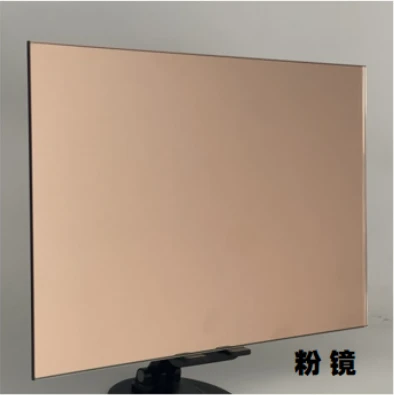
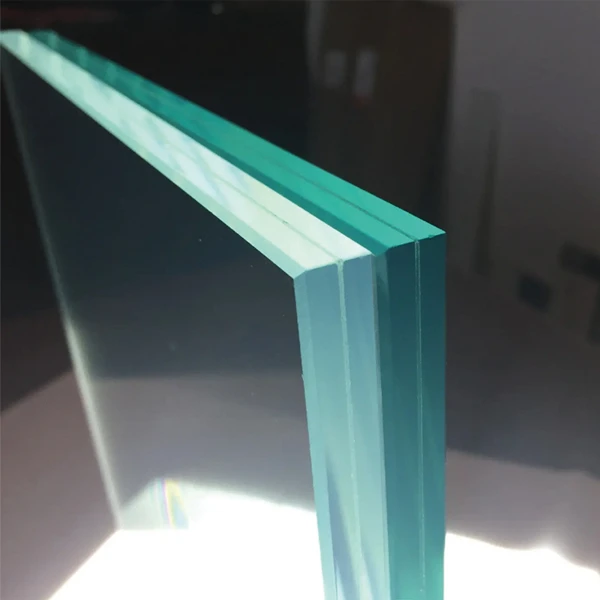
High-Performance dual low e glass Solutions for Libya's Urban Architecture

Advanced thermal insulation and high-transparency glazing engineered for the extreme climatic demands of the Libyan Mediterranean and Saharan regions.

High-Performance dual low e glass Solutions for Libya's Urban Architecture

Integrating cutting-edge glass manufacturing technology to reduce cooling costs and enhance architectural aesthetics across Libya's growing cityscapes.

The Glass Market Landscape in Libya

Addressing the challenges of high solar radiation and sand erosion in North African glazing.

Libya's glass industry is currently navigating a transition from basic construction materials to high-efficiency architectural solutions. The intense UV exposure and extreme temperature fluctuations between the coastal cities and the interior desert regions demand a shift toward float glass that can withstand thermal stress without compromising structural integrity.

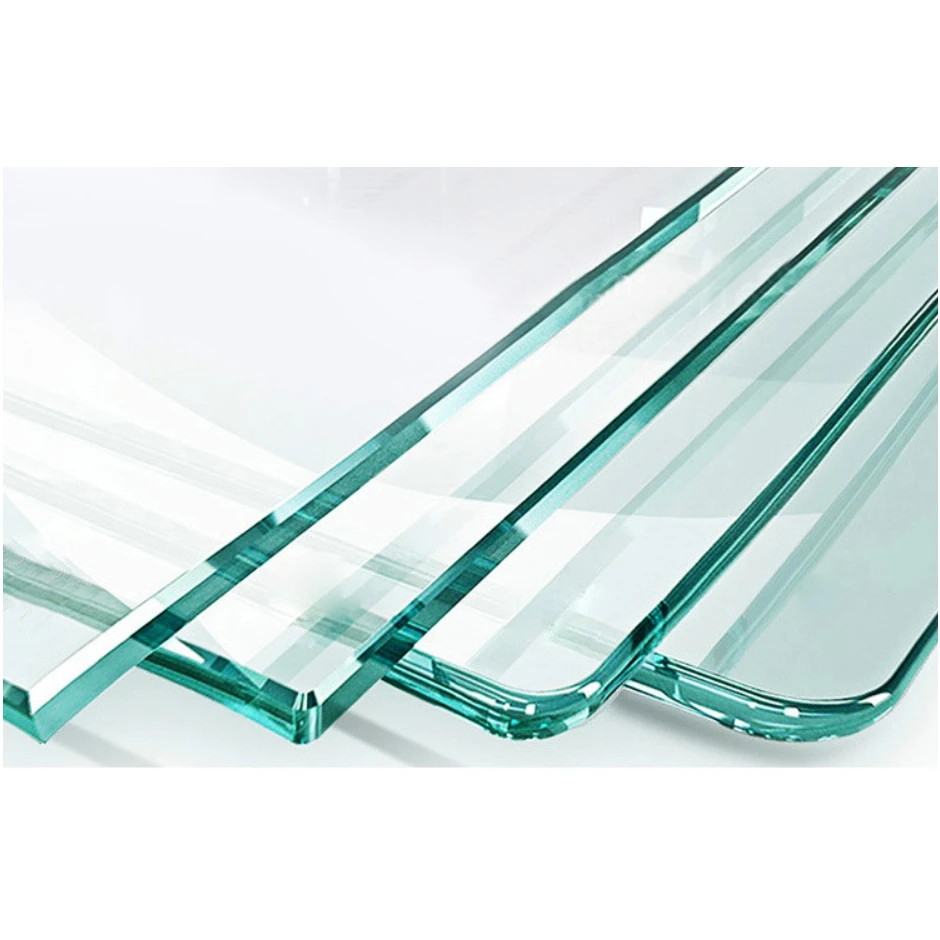
Currently, there is a surging demand for low iron glass sheet in the luxury residential and commercial sectors of Tripoli and Benghazi. These regions are increasingly prioritizing visual clarity and energy efficiency to combat the high cost of air conditioning during peak summer months.

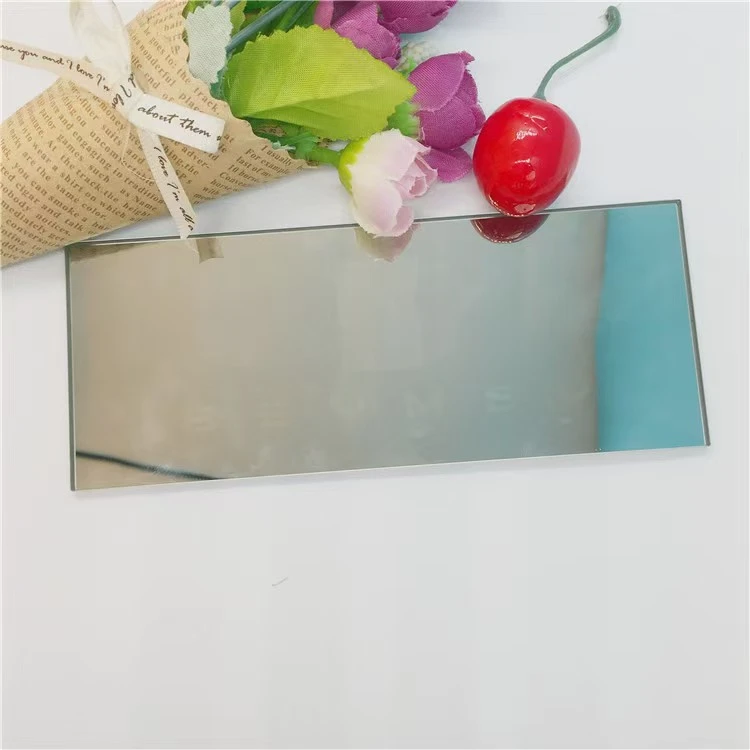
Furthermore, the prevalence of dust and saline air near the coast has made white coated glass a strategic choice for facades, providing a balance between aesthetic brightness and the necessary protection against environmental degradation common in the Libyan climate.
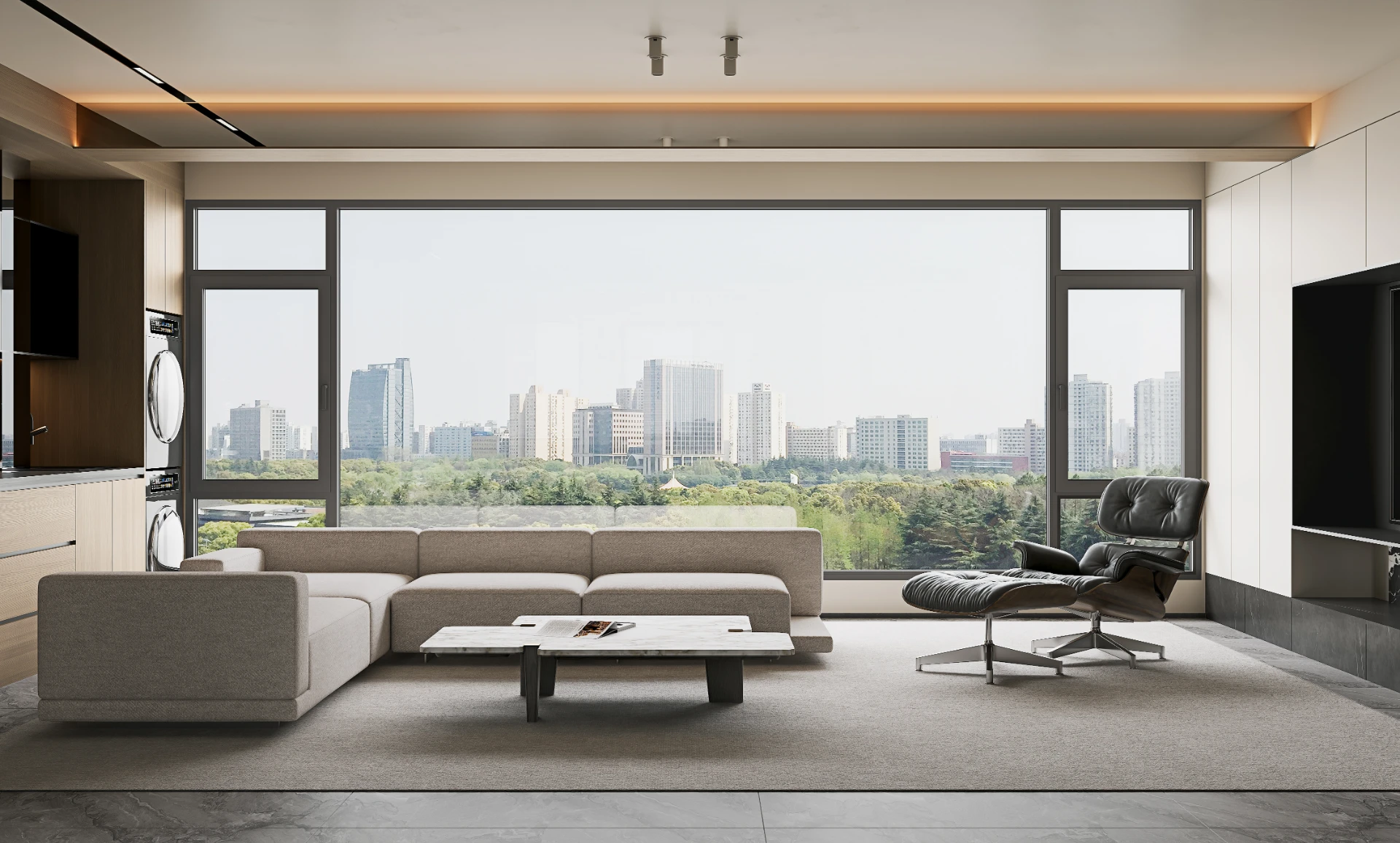
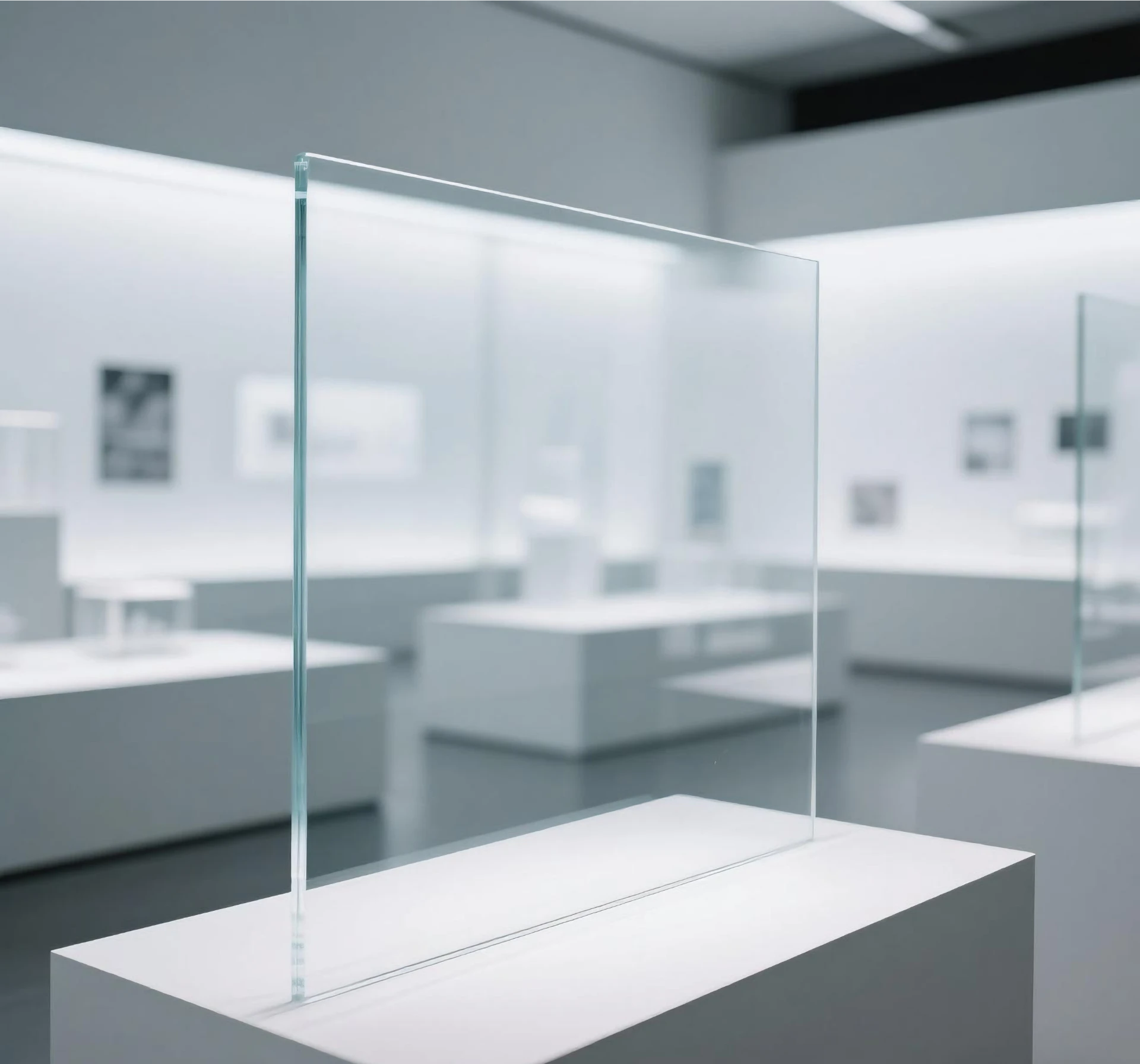
Evolution and Technical Trajectory of Glazing in Libya

From standard float panels to intelligent energy-saving coatings.

Market Development History

In the late 20th century, the Libyan market relied heavily on standard clear glass, which offered little to no thermal protection, leading to massive energy waste in urban buildings.

Between 2010 and 2020, a technical pivot occurred with the introduction of specialized clear glass low iron, allowing architects to create more open, light-filled spaces while reducing the greenish tint associated with traditional glass.

The current era is defined by the adoption of "Smart Glazing," where double-silver and triple-silver coatings are utilized to create an impenetrable thermal barrier against the Sahara's heat.

Future Development Trends

Dynamic Solar Control

We predict a shift toward electrochromic glass that can adjust transparency based on the intensity of the Libyan sun, further reducing reliance on mechanical cooling.

Sustainable Circular Economy

Google search trends indicate a rising interest in "green building materials" in North Africa, suggesting a move toward glass with higher recycled content and lower carbon footprints.

Integrated Photovoltaic Glazing

The integration of transparent solar cells into glass sheets will likely turn Libyan skyscrapers into active power plants, utilizing the region's abundant sunlight.

Future Trends and Strategic Outlook

Defining the next generation of non-metallic mineral products for the African market.

Extreme Thermal Blocking
Implementation of multi-layer coatings to reflect maximum infrared heat while maintaining high visible light transmission.
Ultra-Clear Aesthetics
Widespread adoption of low-iron technologies for high-end retail facades and museum displays in Tripoli.
Sand-Resistant Coatings
Development of hard-coat surfaces that prevent abrasion from airborne desert particles.
Energy-Neutral Facades
Moving toward zero-energy buildings through the synergy of dual-pane insulation and solar harvesting.

Industry Outlook

The Libyan market is poised for a radical upgrade in building standards. As urban centers expand, the integration of energy-efficient glass will be mandatory to meet new environmental regulations and reduce the burden on the national power grid.

We expect the adoption rate of high-specification coatings to increase by 40% over the next 5 years, driven by the need for sustainability in the face of rising global temperatures and the specific challenges of the North African climate.

Localized Application Scenarios in Libya

Real-world implementations for the Libyan environment.

01. Coastal Luxury Villas in Tripoli

Utilizing low iron glass sheet to maximize the Mediterranean sea view while providing critical protection against humidity and salt spray.

02. Commercial Centers in Benghazi

Installation of dual low e glass to significantly lower HVAC energy consumption in large-scale shopping malls and office towers.

03. Desert-Edge Government Infrastructure

Applying high-durability float glass with reinforced coatings to resist sand-blasting effects in remote administrative buildings.

04. Modern Residential Apartments

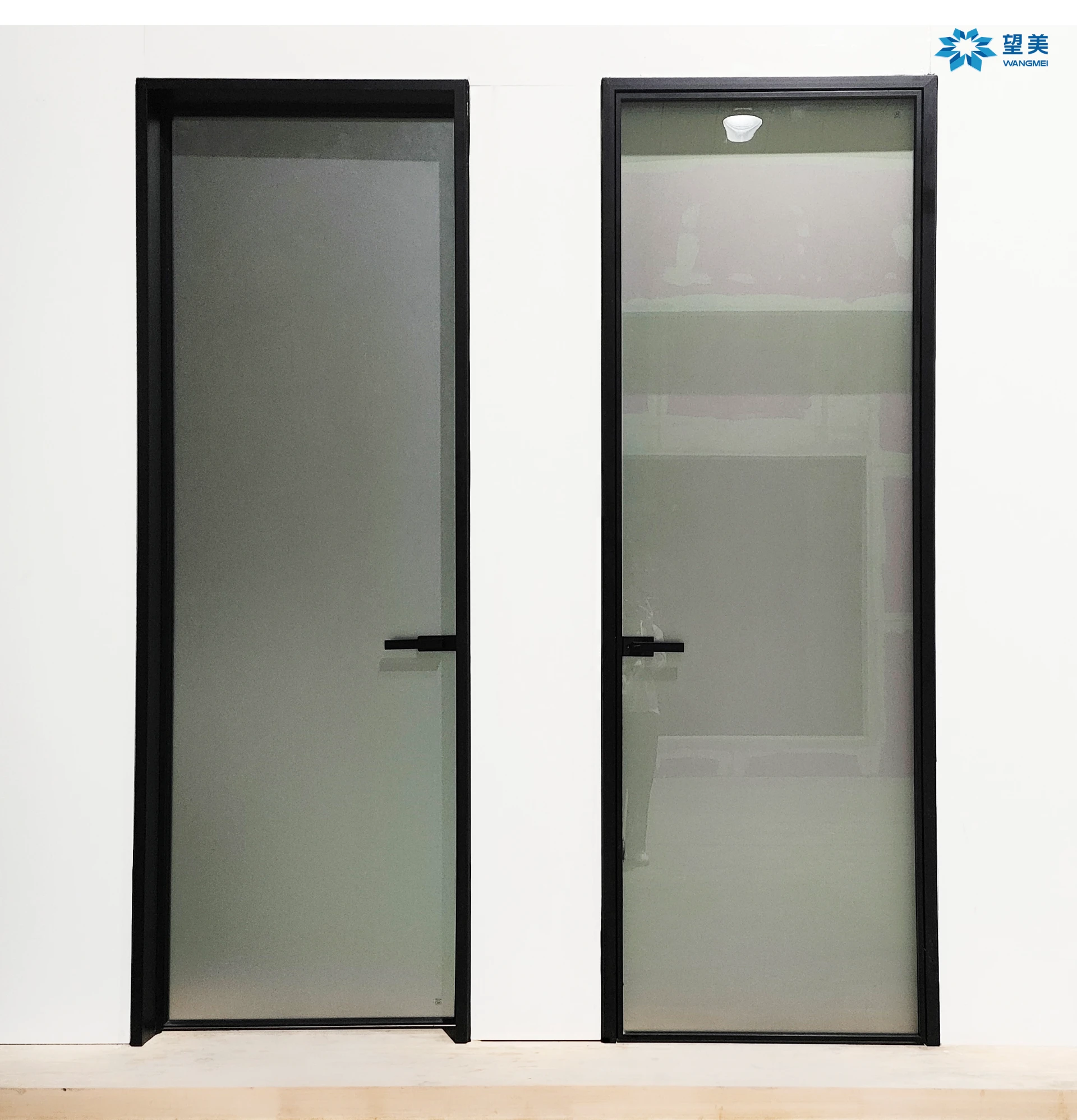
Implementation of white coated glass for balconies and partitions to provide privacy and light diffusion in densely populated urban areas.

05. High-End Boutique Showrooms

Use of clear glass low iron for jewelry and luxury car displays to ensure zero color distortion under intense artificial and natural lighting.

Brand Story

Global Development Journey of Wangmei Industrial Group Co., Ltd.

Foundational Excellence

Established with a mission to redefine purity in glass, we started by mastering the fundamentals of high-clarity mineral processing.

Technological Breakthrough

We pioneered advanced coating techniques to solve the industry pain point of balancing light transmission with thermal insulation.

Global Expansion

Expanding our footprint into Africa, specifically tailoring our products for the harsh environmental conditions of North Africa.

Commitment to Sustainability

Integrating eco-friendly manufacturing processes to ensure that our glass contributes to a greener, more sustainable planet.

The Future of Glazing

Continuing to innovate in the field of smart glass, aiming to provide the world's most efficient architectural envelopes.

Comprehensive Glass Portfolio for the Libyan Market

A full spectrum of technical glass solutions designed for durability and efficiency.

Libya Glass Industry FAQ

Technical answers to common questions regarding high-performance glass in Libya.

Which float glass is best for the high temperatures in Tripoli?

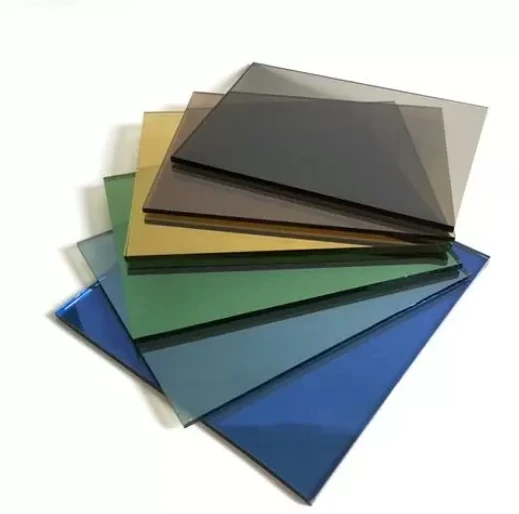
For Tripoli's heat, we recommend using dual low e glass as it significantly blocks solar heat gain while allowing natural light to enter.

Does low iron glass sheet offer better clarity in desert sunlight?

Yes, low iron glass eliminates the green tint, providing superior color rendering and transparency, which is ideal for the bright lighting conditions of Libya.

How does white coated glass improve building energy efficiency?

White coated glass reflects a larger portion of the solar spectrum, reducing the amount of heat that penetrates the building envelope.

Can clear glass low iron withstand coastal salt corrosion?

While the glass itself is inert, we recommend specific edge sealing and frame combinations to protect the entire installation from saline air in Libyan coastal cities.

What is the maintenance requirement for dual low e glass in sandy areas?

Regular cleaning with non-abrasive materials is essential to remove dust layers that could otherwise reduce the efficiency of the low-e coating.

How long is the lifespan of professional float glass in Libya?

When installed correctly and maintained, our high-grade float glass products are designed to last several decades without losing their structural or thermal properties.

Consult Our Glazing Experts

Get a tailored technical proposal for your next architectural project in Libya.

Contact Us Now

If you are interested in our products, you can choose to leave your information here, and we will be in touch with you shortly.