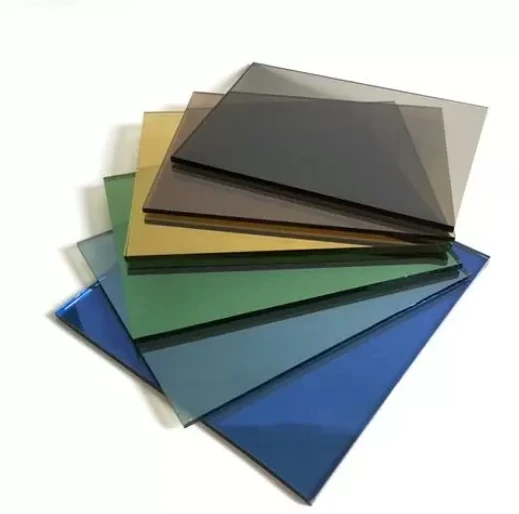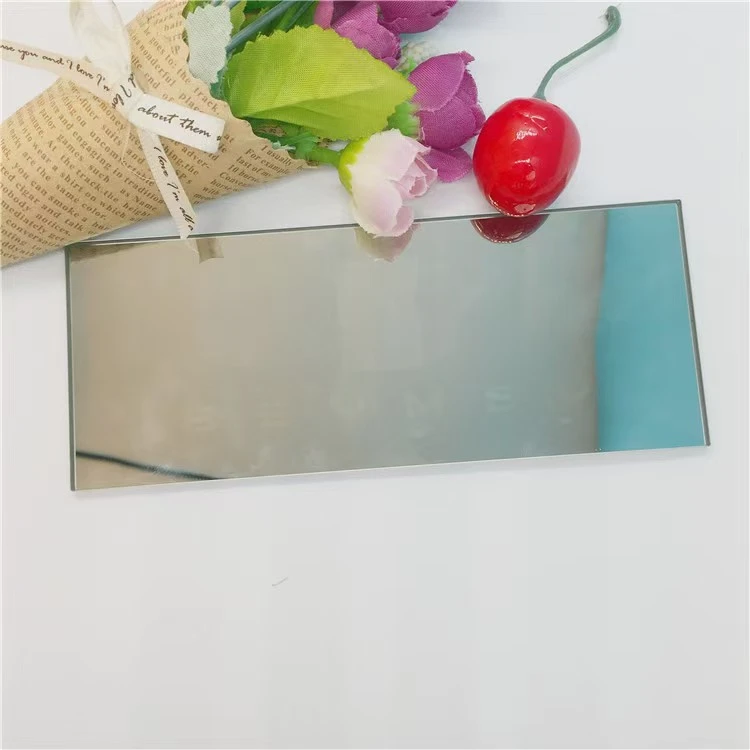
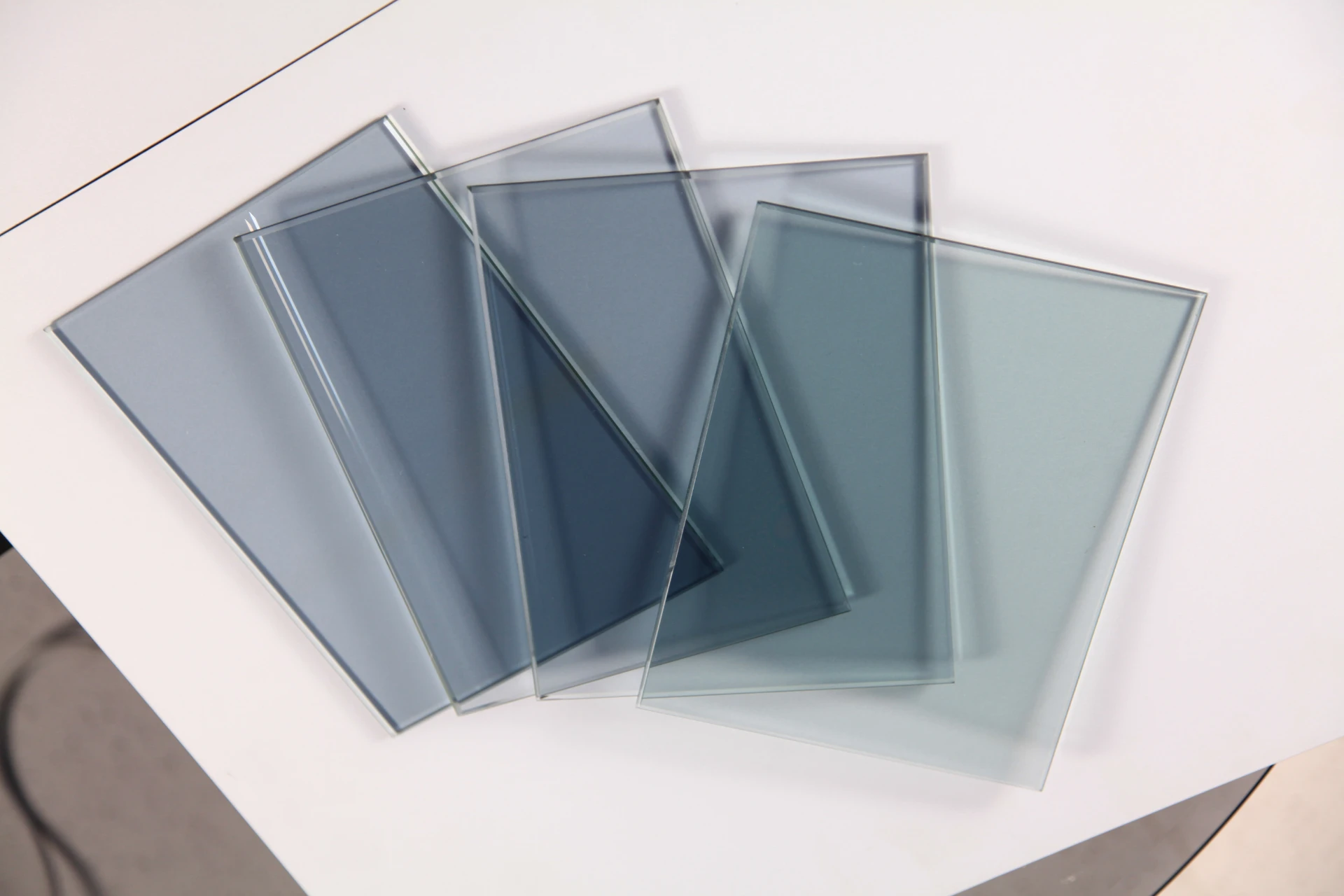
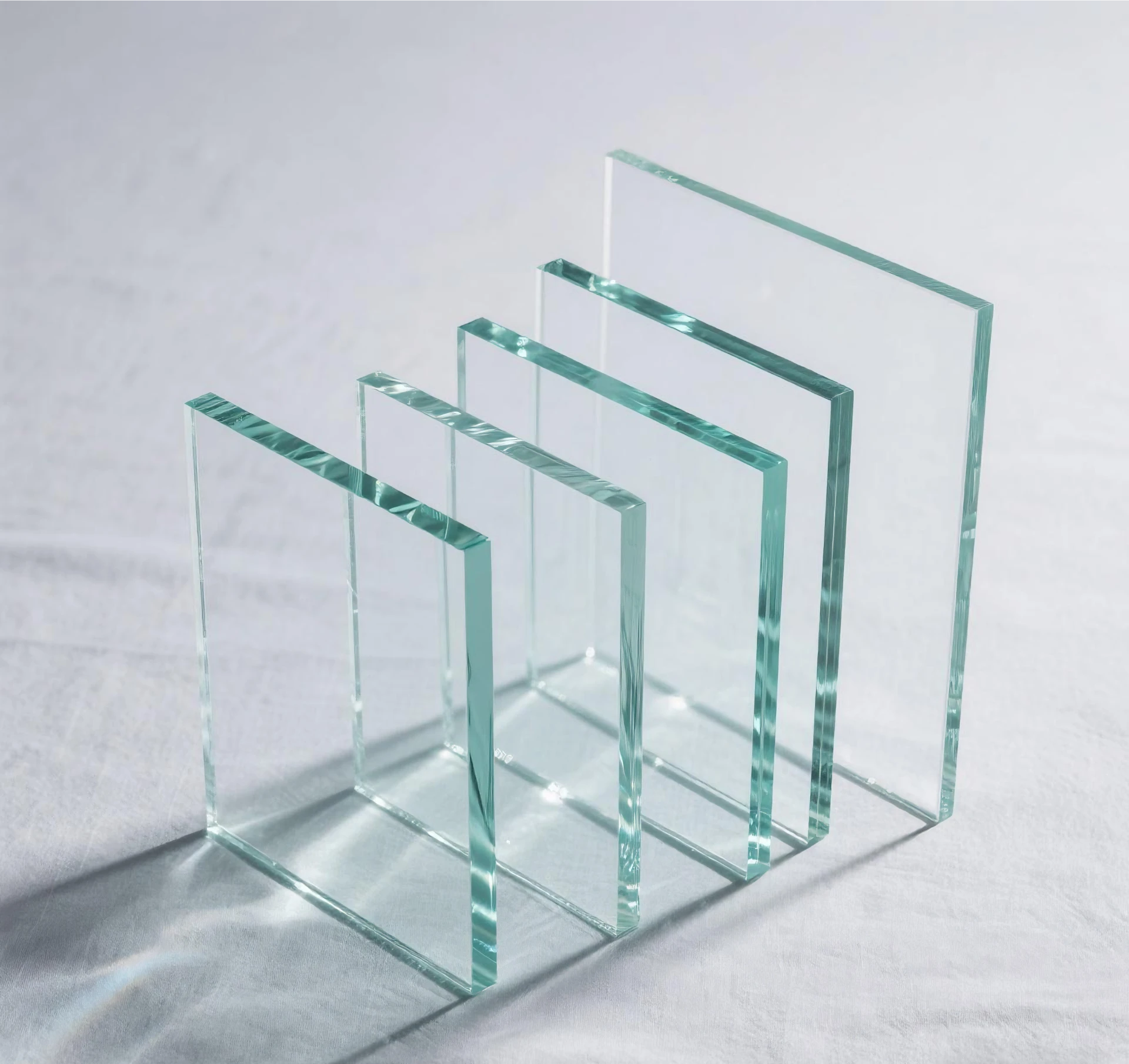
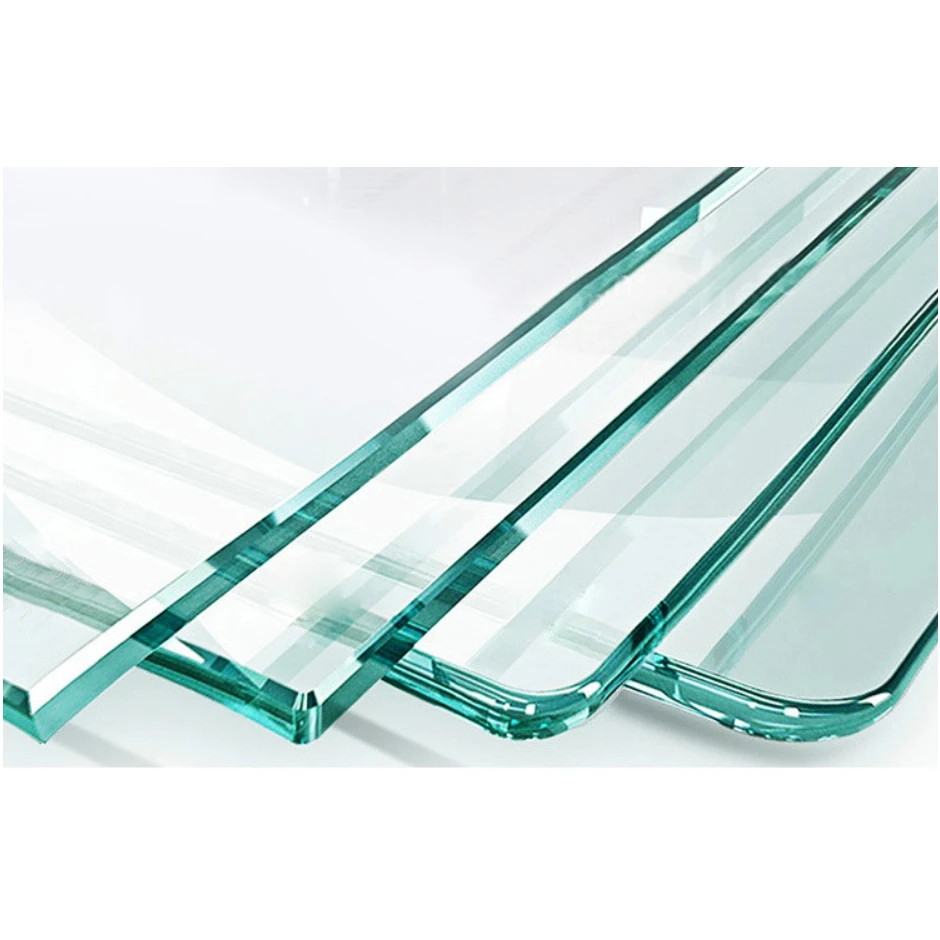
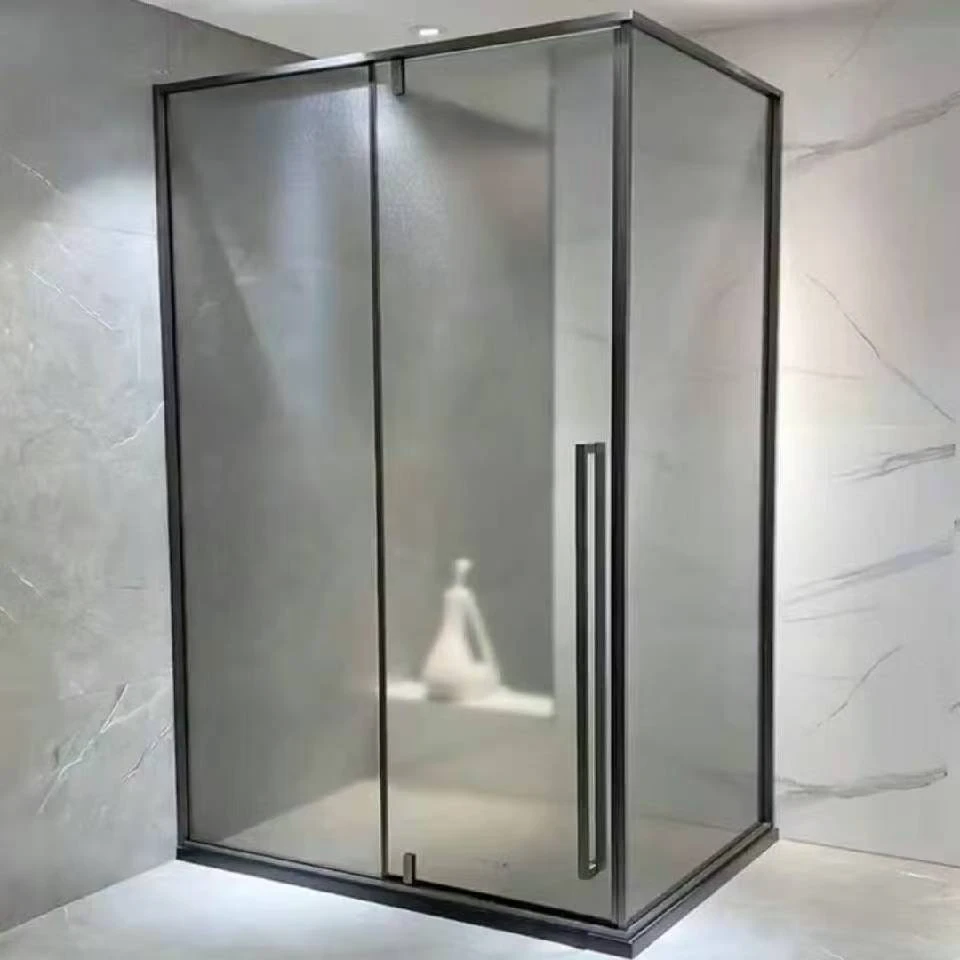
High-Performance dual low e glass Solutions for Mongolia's Extreme Climate

Advanced glazing technologies engineered to withstand severe temperature fluctuations while maximizing energy efficiency across the Mongolian steppe.

High-Performance dual low e glass Solutions for Mongolia's Extreme Climate

Integrating cutting-edge thermal insulation and high-clarity aesthetics to meet the rigorous architectural demands of Asia's most challenging environments.

Current State of the Glazing Industry in Mongolia

Analyzing the intersection of extreme continental weather and modern architectural growth.

Mongolia's unique geography, characterized by drastic temperature swings from -40°C in winter to +40°C in summer, places immense stress on building envelopes. The current market is transitioning from basic float glass to high-performance insulated units that can prevent massive heat loss during the freezing winters of Ulaanbaatar.

Economic growth in the mining and urban sectors has spiked the demand for premium aesthetics. Architects are increasingly requesting low iron glass sheet to ensure that natural light is maximized during the shorter winter days, reducing the reliance on artificial lighting in commercial hubs.

However, the supply chain remains heavily reliant on imports. There is a critical need for specialized products like white coated glass which provides a balance between privacy and light diffusion, catering to the modern preference for sustainable, energy-efficient building materials.
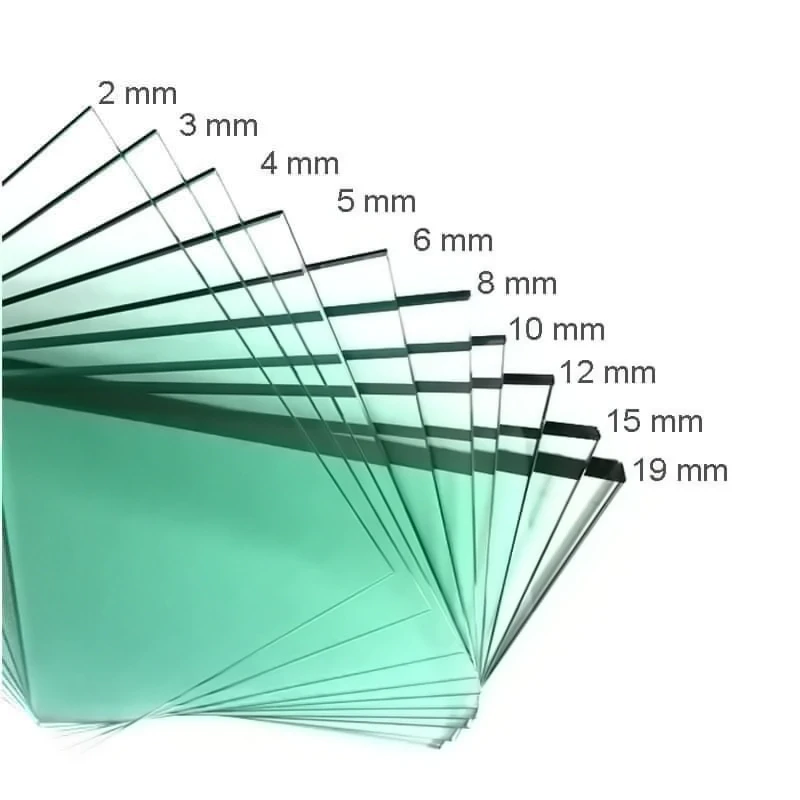
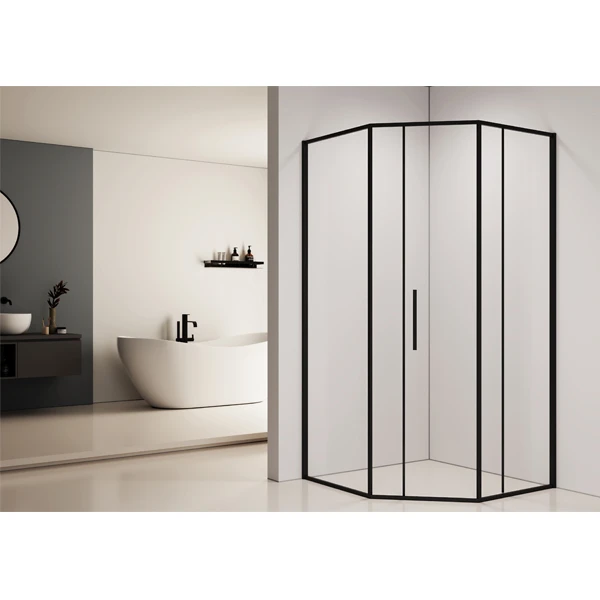
Evolution and Trajectory of Mongolian Flat Glass

From traditional single-pane installations to advanced multi-coated thermal systems.

Market Development History

In the late 20th century, the Mongolian market was dominated by standard single-layered float glass, which offered minimal thermal protection and suffered from frequent condensation and cracking during extreme frosts.

Between 2005 and 2015, the industry shifted toward basic Double Glazing Units (DGUs). This era saw the introduction of clear glass low iron to improve visual transparency in luxury storefronts, though thermal efficiency remained a secondary concern compared to structural integrity.

Since 2018, the focus has pivoted toward "Active Thermal Control." The adoption of silver-based coatings and dual-emissivity layers has become the gold standard for new government and corporate projects in the capital region.

Future Development Trends

Ultra-Low Emissivity Integration

The next 3 years will see a surge in dual-silver and triple-silver coatings to combat the increasing urban heat island effect in growing cities.

Smart-Glass Adoption

Integration of electrochromic technologies is expected to grow, allowing buildings to adapt their transparency based on the intense Mongolian solar radiation.

Sustainable Circularity

A trend toward recyclable glass substrates and carbon-neutral manufacturing processes to align with global Green Building certifications.

Industry Trends and Future Outlook

Predicting the evolution of glass technology through Google search data and climatic analysis.

Thermal Energy Optimization
Increasing demand for low-E coatings to reduce heating costs in sub-zero winters.
High-Transparency Aesthetics
Growth in low-iron substrates for luxury retail and galleries in Ulaanbaatar.
UV Radiation Filtering
Advanced coatings to protect interiors from high altitude solar intensity.
Wind-Load Resilience
Development of tempered-laminated hybrids for wind-swept plains.

Industry Outlook

Based on search trend logic, there is a rising query volume for "energy-saving glass Mongolia" and "thermal break windows," indicating a market shift toward holistic building efficiency. We expect a 15% annual growth in the adoption of silver-coated glass over the next five years.

Furthermore, as Mongolia integrates more deeply into the regional economy, the demand for standardized international glass certifications will drive the replacement of low-grade local materials with premium, certified architectural glass.

Localized Application Scenarios in Mongolia

Practical implementations of advanced glass technology across diverse Mongolian environments.

1. Ulaanbaatar Corporate Skyscrapers

Utilization of dual low e glass in curtain walls to maintain interior warmth during the winter while preventing overheating during the summer peaks.

2. Luxury Ger-Style Modern Resorts

Application of low iron glass sheet for expansive panoramic windows, allowing tourists to view the steppe landscape without the green tint of standard glass.

3. Mining Facility Control Rooms

Installing reinforced, high-clarity glass that combines structural strength with the clarity of clear glass low iron for critical operational monitoring.

4. Government Administrative Centers

Implementing white coated glass for interior partitioning to provide soft, diffused light and privacy in high-traffic corridors.

5. Residential Energy-Efficient Housing

Replacing traditional float glass with thermally broken, double-glazed units to lower monthly heating expenses for families.

Brand Story

Global Development Journey of Wangmei Industrial Group Co., Ltd.

Foundation and Quality Focus

Established with a vision to redefine transparency, Wangmei began by mastering the fundamentals of high-precision flat glass production.

Technological Breakthroughs

We invested heavily in R&D to develop Low-E and Low-Iron technologies, solving the industry pain point of balancing clarity with thermal insulation.

Global Market Expansion

Expanding across Asia and Europe, we adapted our product lines to meet the specific climatic challenges of diverse regions, including the extreme cold of Mongolia.

Sustainability Commitment

Transitioning to green manufacturing, we now focus on reducing the carbon footprint of every sheet of glass leaving our facilities.

Vision for the Future

Our mission is to provide the world's most resilient glazing solutions, ensuring that architectural beauty never comes at the cost of energy efficiency.

Comprehensive Glass Portfolio for the Mongolian Market

A curated selection of high-performance glazing tailored for extreme continental climates.

Frequently Asked Questions in Mongolia

Expert answers to common challenges regarding flat glass installation and performance.

Can dual low e glass withstand Mongolian winter temperatures?

Yes, our dual low-e systems are specifically designed for extreme thermal gradients, preventing internal condensation and significantly reducing heat loss during sub-zero temperatures.

What is the benefit of low iron glass sheet over standard float glass?

Low-iron glass removes the greenish tint typical of standard float glass, providing superior color rendering and maximum light transmission, which is essential for brightening interiors during dark Mongolian winters.

How does clear glass low iron improve architectural aesthetics?

It offers an almost invisible barrier, making it ideal for high-end museum displays and luxury facades where visual purity and clarity are paramount.

Is white coated glass suitable for privacy in office environments?

Absolutely. White coated glass provides an elegant opaque finish that diffuses light, offering privacy without completely blocking illumination, making it perfect for modern Mongolian office layouts.

How do I choose between single and dual low-e coatings?

For Mongolia's climate, dual low-e is highly recommended as it provides a much higher R-value, ensuring that heat remains inside the building more effectively than a single coating.

What maintenance is required for high-performance glass in dusty environments?

Due to the dusty nature of the steppe, we recommend regular cleaning with non-abrasive solutions to maintain the integrity of the low-e coatings and ensure maximum light transmission.

Ready to Upgrade Your Building's Efficiency?

Our experts are ready to provide customized glazing solutions specifically for the architectural needs of Mongolia.

Contact Us Now

If you are interested in our products, you can choose to leave your information here, and we will be in touch with you shortly.