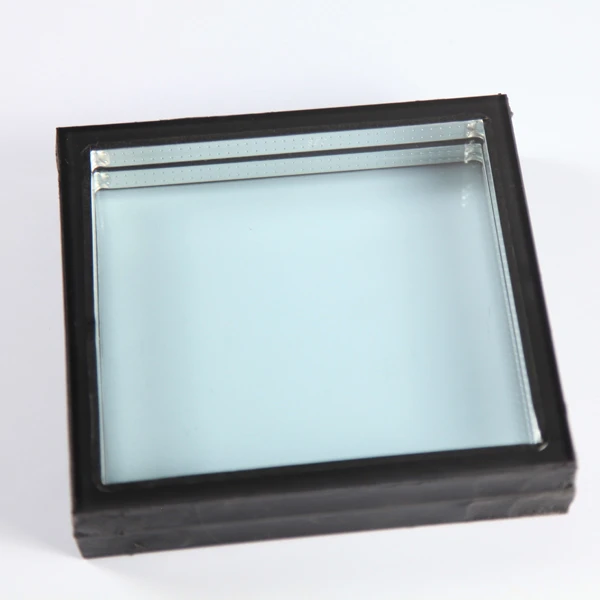
High-Performance dual low e glass Solutions for South Korea

Advancing architectural transparency and thermal efficiency in South Korea's urban landscapes with precision-engineered flat glass technologies.

High-Performance dual low e glass Solutions for South Korea

Integrating cutting-edge thermal control and ultra-clear aesthetics to meet the rigorous energy standards of South Korean modern architecture.

The Flat Glass Market Landscape in South Korea

Analyzing the intersection of high-density urbanism and extreme seasonal climate variance.

South Korea's glass industry is currently driven by the rapid development of smart cities and high-rise residential complexes in Seoul and Incheon. The demand for high-quality float glass has evolved from basic structural needs to sophisticated thermal performance requirements due to the country's distinct four-season climate.

With the government's strict "Green Building Certification" and energy efficiency mandates, there is a surging preference for low iron glass sheet. Architects are prioritizing maximum light transmission combined with superior insulation to reduce HVAC costs during freezing winters and humid summers.

Furthermore, the aesthetic preference in the Korean market has shifted toward minimalism and "invisible" boundaries, leading to a significant increase in the adoption of clear glass low iron for luxury storefronts and high-end interior partitions in Gangnam and beyond.
Evolution and Technical Trajectory of Korean Glass Manufacturing

From basic industrial glazing to intelligent, energy-saving glass systems.

Market Development History

In the 1980s and 90s, the South Korean market relied heavily on standard float glass for rapid industrialization and basic residential construction, focusing on durability and cost-efficiency.

By the early 2000s, the transition toward energy efficiency began. The introduction of Low-E coatings allowed builders to tackle the thermal bridge problem, marking a shift from simple transparency to functional thermal management.

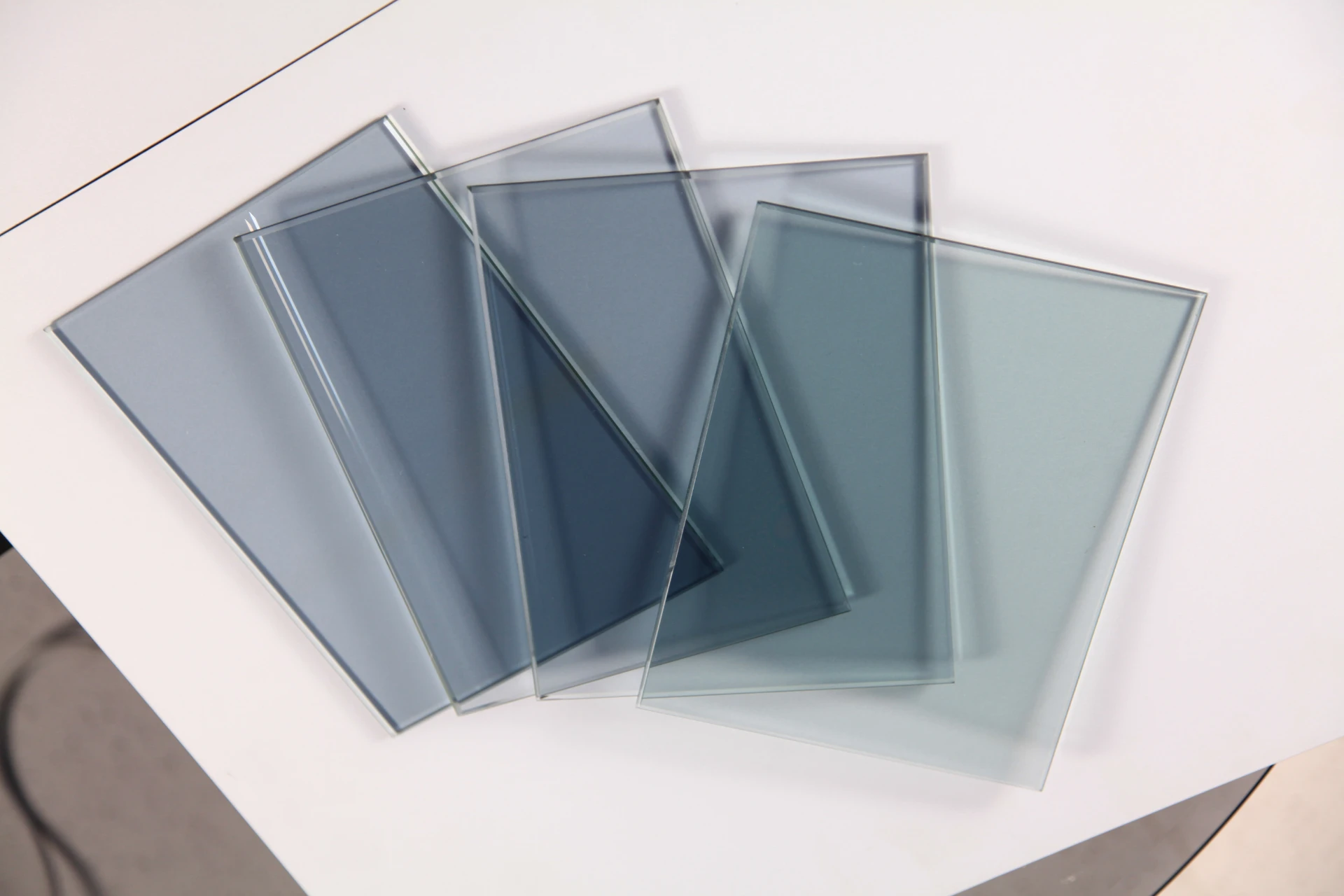
From 2015 to the present, the market has entered the "Ultra-Clear Era." The widespread use of white coated glass has revolutionized the interior design sector, providing a neutral, high-brightness backdrop for modern Korean minimalism.

Future Development Trends

Dynamic Thermal Control

Integration of electrochromic layers into existing float glass to allow real-time opacity adjustment based on solar intensity.

Carbon-Neutral Production

A shift toward hydrogen-fired furnaces in the manufacturing process to align with South Korea's 2050 carbon neutrality goal.

Vacuum Insulated Glazing

Moving beyond standard double-glazing toward vacuum-sealed layers that provide the insulation of a brick wall with the slimness of a single pane.

Future Trends and Strategic Outlook for Glazing

Predicting the next 5 years of architectural glass innovation based on regional search trends.

Net-Zero Building Integration
Rapid growth in demand for high-performance coatings that eliminate heat loss in high-rise structures.
Ultra-High Clarity Standards
The shift from standard clear to low-iron substrates as the default for premium commercial spaces.
BIPV Technology Adoption
Building-Integrated Photovoltaics merging energy generation with aesthetic glass facades.
Smart-Glass Automation
IoT-integrated glazing systems that respond to occupancy and weather patterns automatically.

Industry Outlook

Based on Google search trends in the East Asia region, there is a quantifiable increase in queries related to "sustainable glazing" and "thermal break glass." This suggests that South Korean developers are moving away from simple aesthetic glass toward materials that offer measurable ESG (Environmental, Social, and Governance) benefits.

The next three to five years will see a consolidation of the market where only manufacturers capable of providing certified, dual-layered low-emissivity products can compete in the premium tier of the Seoul metropolitan area.

Local Application Scenarios in South Korea

Practical implementation of flat glass solutions across diverse Korean sectors.

01. Lotte World Tower Style High-Rise Facades

Utilizing high-performance dual low e glass to minimize solar heat gain while maintaining panoramic views of the Seoul skyline.

02. Luxury Gangnam Boutique Storefronts

Implementation of clear glass low iron to ensure that high-end products are displayed without the green tint typical of standard glass.

03. Jeju Island Eco-Resorts

Using durable float glass treated with advanced coatings to withstand salt-spray corrosion while maximizing natural light.

04. Samsung-Style High-Tech Corporate Interiors

Applying white coated glass for clean, sterile, and modern partitions in R&D centers and corporate lobbies.

05. Modern Apartments in Songdo International City

Installing low iron glass sheet in large floor-to-ceiling windows to merge indoor living spaces with the coastal landscape.

Brand Story

Global Development Journey of Wangmei Industrial Group Co., Ltd.

Industrial Foundation

Established with a vision to solve the inconsistency of glass purity in mass production, we began by refining the float process.

Technical Breakthrough

Developed proprietary low-iron formulas that significantly reduced the iron oxide content, achieving world-class clarity.

Global Expansion

Expanded our footprint into the Asia-Pacific region, tailoring products to the specific thermal needs of markets like South Korea.

Sustainability Pivot

Invested in Low-E coating technology to help architects worldwide reduce the carbon footprint of the built environment.

The Future of Vision

Now leading the way in smart glass and ultra-clear substrates, redefining how humans interact with light and space.

Comprehensive Glass Portfolio for the South Korean Market

A curated selection of flat glass products engineered for extreme climates and luxury aesthetics.

Frequently Asked Questions in South Korea

Expert answers to common technical queries regarding high-performance glazing.

What is the main advantage of using low iron glass sheet in residential projects?

Low iron glass removes the greenish tint found in standard glass, providing superior color rendering and maximum light transmission, which is ideal for South Korea's modern, light-filled apartment designs.

How does dual low e glass improve energy efficiency in Seoul's winters?

Dual Low-E coatings reflect internal heat back into the room while blocking external cold, significantly reducing heat loss through windows during the harsh Korean winter.

Is white coated glass suitable for humid summer conditions?

Yes, white coated glass is highly stable and provides a clean aesthetic that does not degrade under high humidity, making it perfect for luxury interiors in coastal cities like Busan.

What is the difference between standard float glass and clear glass low iron?

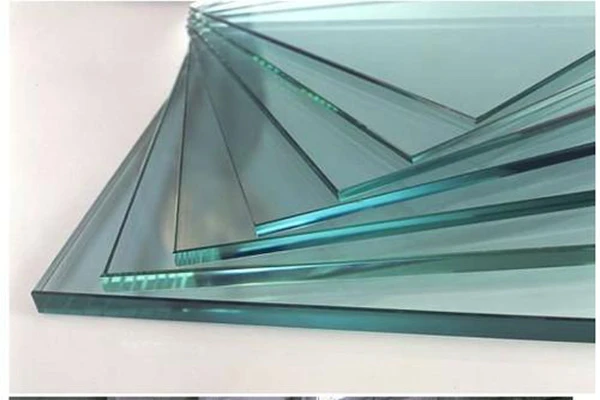
Standard float glass has a noticeable green edge due to iron content. Clear glass low iron minimizes this, offering a virtually colorless appearance that enhances architectural transparency.

Can dual low e glass be used in tempered safety glass applications?

Absolutely. Our Low-E coatings are designed to withstand the tempering process, ensuring that safety and thermal performance are delivered in a single high-strength product.

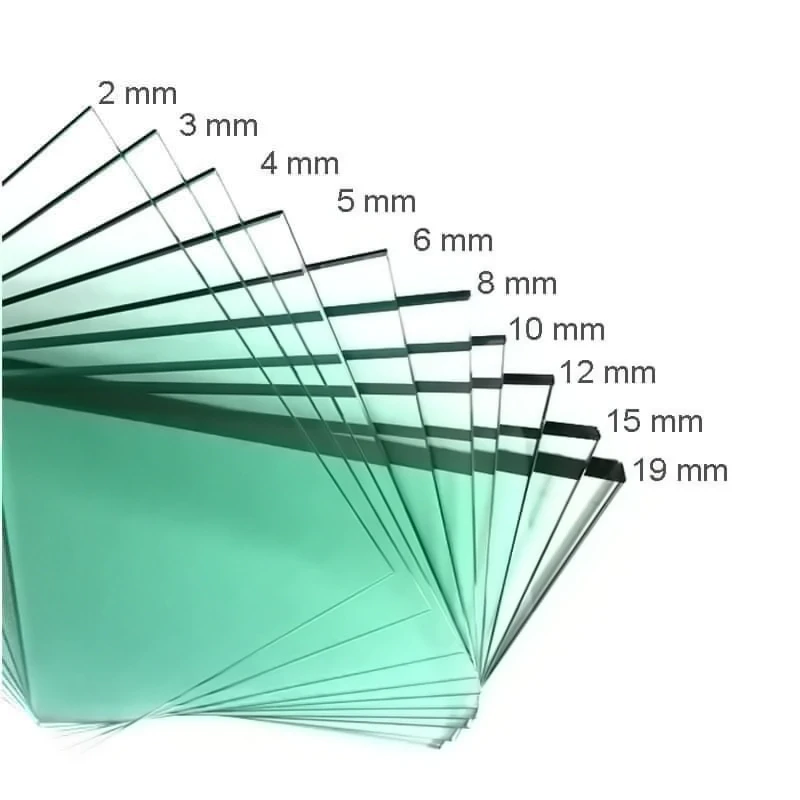
How do I choose the right thickness for low iron glass sheet in commercial facades?

Thickness depends on wind load and height. We recommend consulting our technical team to calculate the specific requirements for your South Korean project to ensure safety and clarity.

Ready to Elevate Your Project?

Contact our expert engineering team today for tailored glass solutions delivered across South Korea.

Contact Us Now

If you are interested in our products, you can choose to leave your information here, and we will be in touch with you shortly.